
Ray Kurzweil: Your Thoughts Create Your Brain

The lesson explores the advancements in neural technology, particularly the development of neural implants that connect computers directly to the brain. It highlights the trend towards miniaturization of these devices, making them smaller and potentially non-invasive, as well as the increasing programmability and connectivity of implants, which enhances their functionality. Understanding the brain’s complex design and real-time observation of neural activity are crucial for further advancements, promising significant improvements in treating neurological disorders and enhancing human cognition.
3 scientists school flat Earthers on the evidence | Neil deGrasse Tyson, Bill Nye, Michelle Thaller

The lesson emphasizes that the Earth is round, supported by various forms of evidence discussed by scientists like Bill Nye, Michelle Thaller, and Neil deGrasse Tyson. Key points include observational evidence such as the way boats disappear over the horizon, the curved shadow cast during lunar eclipses, and photographic proof from space missions. The lesson also highlights the importance of understanding scientific facts amidst misinformation, encouraging critical thinking about our planet’s shape.
Are You a Psychopath? Take the Test! | Kevin Dutton

The lesson explores the paradoxical nature of psychopaths in moral dilemmas, highlighting how they can sometimes be more effective at saving lives than non-psychopaths. In impersonal dilemmas, both groups tend to make similar utilitarian choices, but in personal dilemmas, psychopaths exhibit a lack of emotional hesitation, allowing them to make decisions that many find morally troubling. This contrast reveals important insights into the neural mechanisms behind moral decision-making and challenges conventional views on morality.
The 10 tactics of fascism | Jason Stanley

The lesson on fascism explores its defining characteristics, including the cult of the leader, ultra-nationalism, and the manipulation of truth, which collectively pose a significant threat to democratic societies. It highlights how fascist movements can emerge from democratic origins, exploit societal divisions, and create hierarchies that justify oppression against marginalized groups. Understanding these elements is crucial for recognizing and combating the rise of fascism and protecting democratic values.
Neil deGrasse Tyson: Want Scientifically Literate Children? Get Out of Their Way.
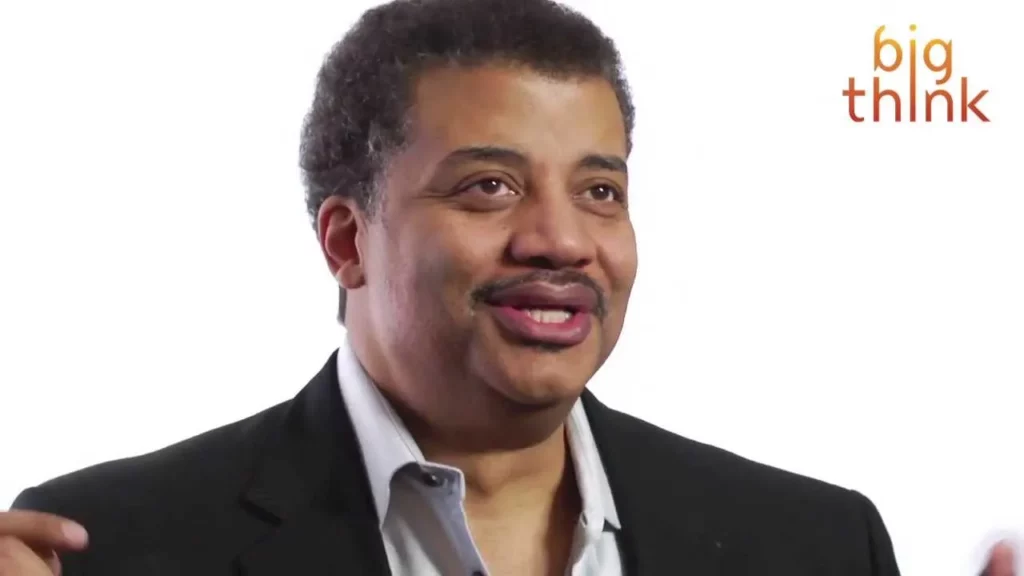
The lesson emphasizes the importance of fostering children’s natural curiosity in science by allowing them to explore their surroundings freely. Instead of imposing strict rules that may hinder their learning, adults should provide tools and opportunities for discovery, such as binoculars, to ignite their interest in the world. By supporting this exploration, we can inspire the next generation of scientists and thinkers.
Does free will violate the laws of physics? | Sean Carroll

The lesson explores the complex relationship between free will and determinism, contrasting the perspectives of determinism, libertarian free will, and compatibilism. While determinism posits that all events are predetermined by physical laws, libertarian free will asserts that individuals possess genuine choice beyond these laws. Compatibilism seeks to reconcile these views by suggesting that human agency can coexist with a deterministic framework, emphasizing the significance of personal choices and the inherent complexity of human decision-making.
Beat anxiety with the most addictive experience on Earth | Steven Kotler

The lesson emphasizes the impact of modern uncertainties on our mental health and the importance of understanding our nervous system to achieve peak performance. It introduces three effective tools—gratitude, mindfulness, and exercise—that can help individuals reach a state of flow, enhancing well-being and cognitive function. By recognizing our brain’s natural ability to produce neurochemicals that promote happiness and performance, we can unlock our full potential and improve our overall quality of life.
The ugly psychology behind scapegoating | Luke Burgis

The lesson explores the scapegoat mechanism through the lens of mimetic theory, highlighting how our desires are often influenced by others, particularly within group dynamics. It discusses how scapegoating serves as a means for groups to deflect blame and maintain social cohesion, often targeting individuals based on minor differences. By recognizing the unconscious nature of scapegoating and reflecting on our own roles in these dynamics, we can foster greater awareness and compassion in our communities.
There’s Plenty of Drinking Water on Mars | Stephen Petranek

The lesson discusses the presence of water on Mars, highlighting that despite its dry appearance, the Martian soil contains varying amounts of water, ranging from 1% to 60%. It explores methods for extracting this water, including breaking up the soil and using atmospheric water extraction technologies like the WAVAR device, which utilizes zeolite to capture moisture from the air. Additionally, the lesson emphasizes the existence of large frozen water reserves on Mars, particularly at the poles, which could be crucial for future human missions to the planet.
Michio Kaku: Einstein: A 90-Second Summary

The lesson highlights the enduring legacy of Albert Einstein, emphasizing his profound influence on science and technology that continues to shape modern life. His groundbreaking theories have paved the way for numerous innovations and discoveries, many of which have earned Nobel Prizes, underscoring the lasting impact of his work. Ultimately, Einstein’s contributions remain a vital part of our contemporary world, illustrating the significance of his intellectual achievements.