
Proof Without Words: The Circle
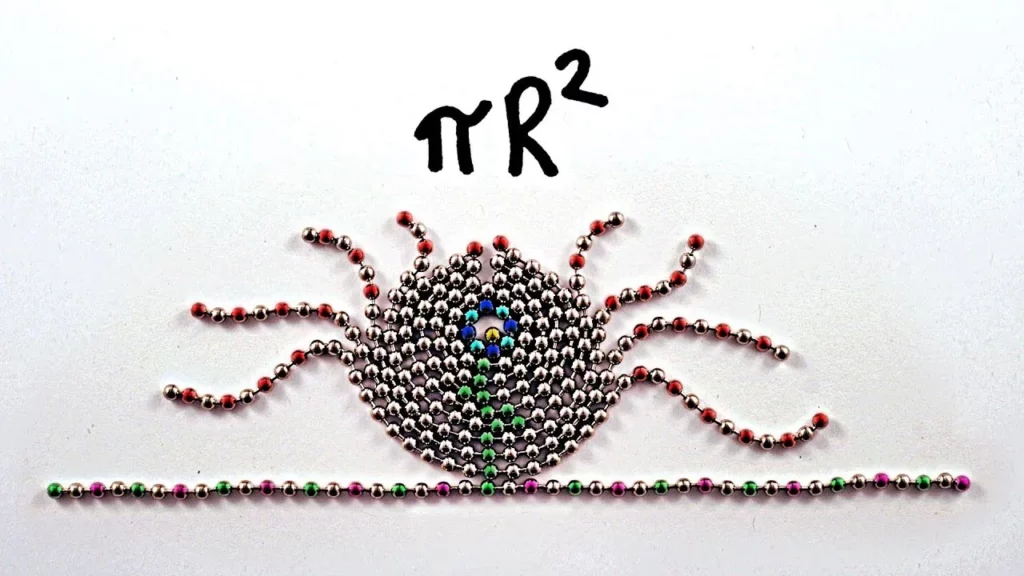
In this lesson, students learn to discover the area of a circle through a fun and visual proof using a chain and a ruler. By measuring the circumference with the chain and rearranging the circle into a rectangle, they can understand that the area of the circle is calculated using the formula Area = π × radius², illustrating the relationship between the circle’s radius and circumference. This hands-on approach enhances comprehension of geometric concepts and allows students to share their newfound knowledge with others.
Foiled Proof

The lesson introduces the FOIL method, a systematic approach for multiplying two binomials by focusing on the First, Outside, Inside, and Last terms. This technique simplifies the multiplication process and helps ensure that all components are accounted for, making it particularly useful in algebra. Additionally, the lesson suggests exploring audiobooks, like “The Fellowship Of The Ring,” as a way to enhance problem-solving skills through engaging stories.
How to Draw a Stick Figure (School of Youtube)
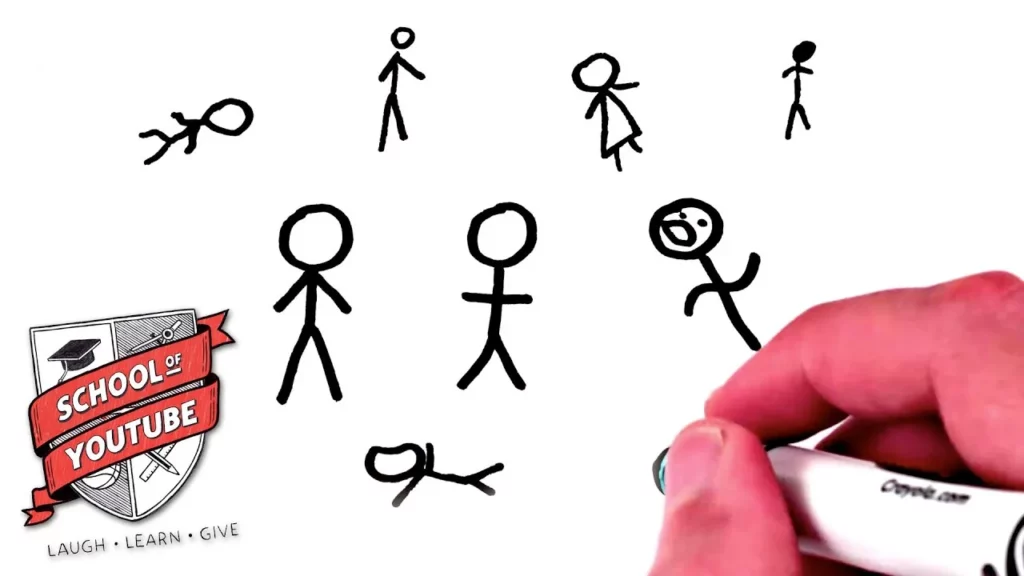
This lesson teaches you how to draw a stick figure in a simple and fun way, using just a circle for the head and lines for the body, arms, and legs. It emphasizes the importance of proportions and allows for creativity in posing the figure, while also encouraging the addition of facial features for personality. Additionally, the lesson supports a charitable cause, promoting education for underprivileged children through donations to Comic Relief.
Why Masks Work BETTER Than You’d Think
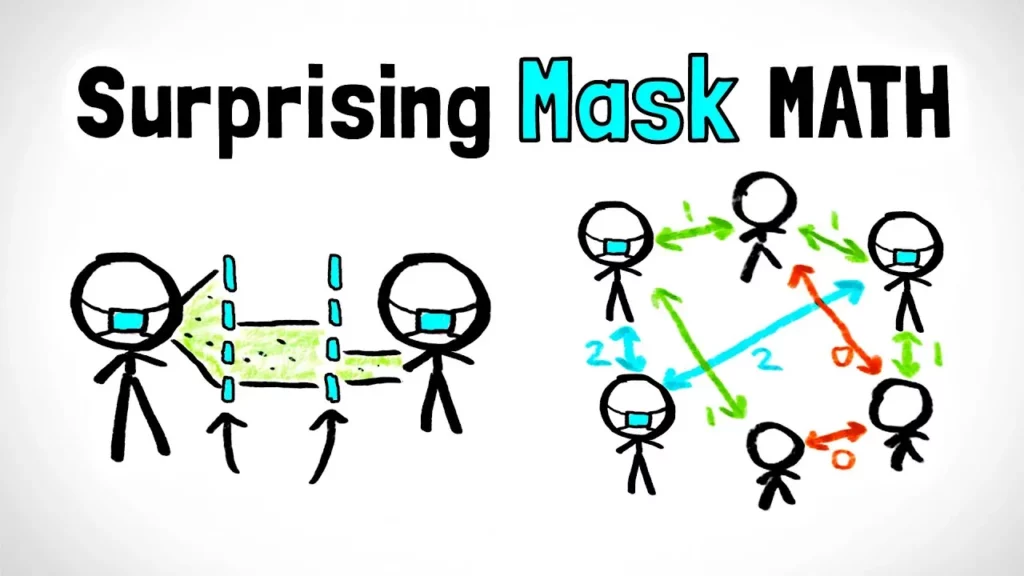
The lesson emphasizes the importance of masks in combating COVID-19 by explaining their dual protective function and the mathematical principles behind their effectiveness. When both individuals in an interaction wear masks, the reduction in virus transmission can be significantly greater than expected, potentially reaching up to 75%. Even with only a portion of the population wearing masks, the overall impact on reducing disease spread can be substantial, highlighting masks as a crucial tool in public health efforts.
What is the Purpose of Life? (Big Picture Ep. 5/5)
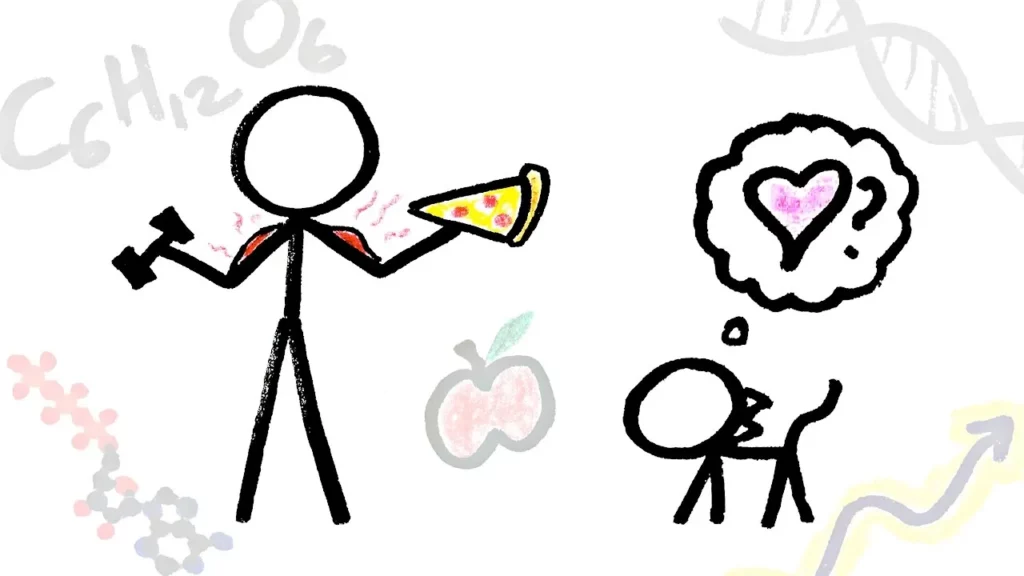
The lesson explores the relationship between life and entropy, highlighting how living organisms, despite their complexity and organization, contribute to the universe’s overall increase in disorder. Through processes like photosynthesis and cellular respiration, energy transitions from useful forms to less useful ones, illustrating the paradox of life as a contributor to entropy. Additionally, it suggests that life may have originated from low-entropy environments, utilizing energy in complex chemical reactions, thereby linking the existence of life to the broader cosmic flow of energy and entropy.
An Impossible Bet | The 100 Prisoners Problem
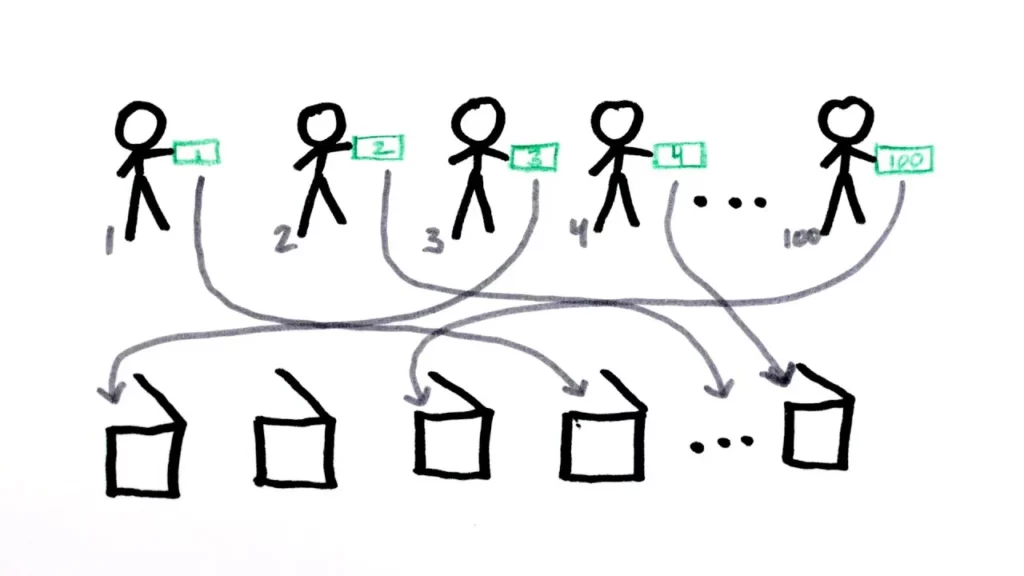
In “The Great Dollar Bill Bet,” participants must find their dollar bills hidden in one of 100 boxes, with the challenge that they can only check half of the boxes and cannot communicate after entering. The game requires strategic planning before it begins, as all players must succeed to win a payout, making it a compelling exercise in probability and teamwork. The lesson emphasizes the importance of strategy and understanding odds in decision-making scenarios.
How Big is the Universe?
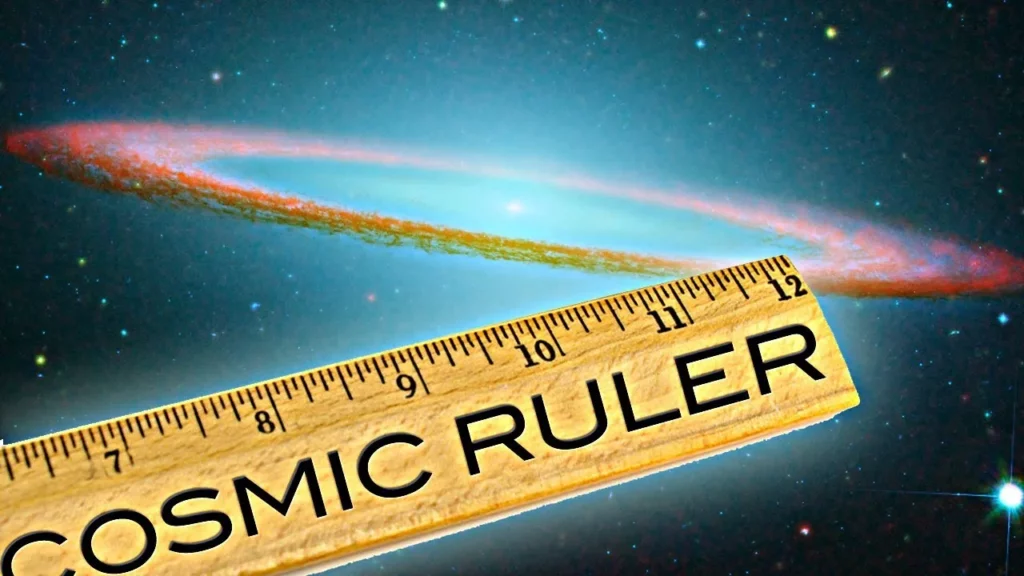
This lesson explores the vastness of the universe, distinguishing between the “observable universe,” which spans about 93 billion light years and is limited by the speed of light and the age of the universe, and “The Whole Universe,” which is likely infinite and beyond our current understanding. It highlights that while each observer is at the center of their own observable universe, there is no definitive center to the entire universe, which is continuously expanding. Ultimately, our exploration of the cosmos enhances our understanding of its immense scale and complexity.
How to Simulate the Universe on your Laptop

The Millennium Run is a groundbreaking simulation that illustrates the evolution of the universe from shortly after the Big Bang to the present day, created by researchers at the Max Planck Institute. Utilizing over 10 billion simulated particles and extensive computational resources, it effectively mirrors the actual universe’s structure as observed in the Sloan Digital Sky Survey. While a simplified version of this simulation can be run on a laptop for educational purposes, it highlights the complexities of cosmic evolution and the potential for simulations to enhance our understanding of the universe.
Theory of Everything (intro)
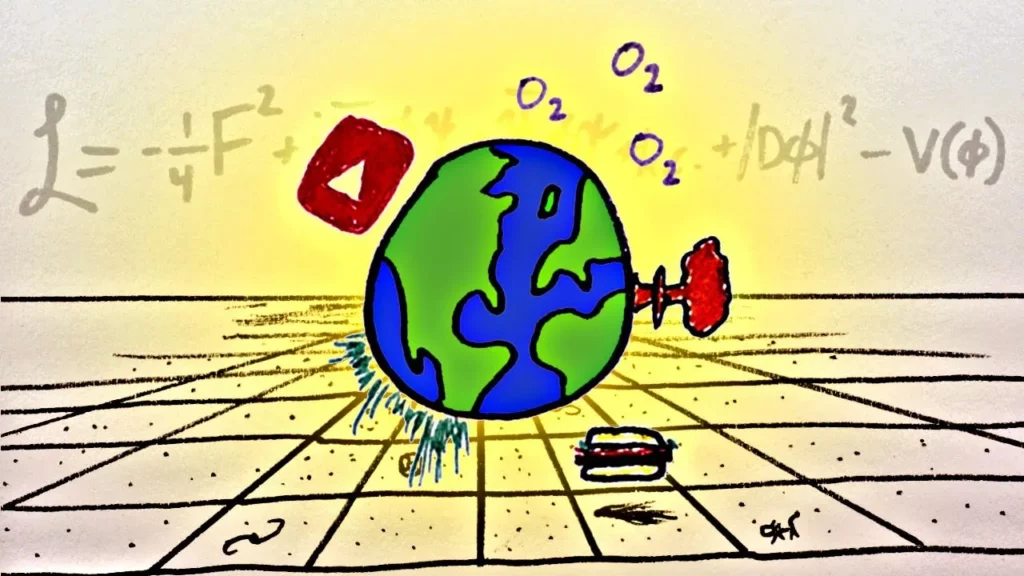
The lesson introduces the Standard Model, a mathematical framework that encapsulates the fundamental components of the universe, despite not accounting for gravity. It emphasizes the model’s simplicity and elegance, likening it to a recipe that requires advanced understanding to fully appreciate its depth. The lesson sets the stage for further exploration into the intricate elements of the Standard Model, including quantum fields and fundamental forces, promising a deeper understanding of the cosmos.
Why is Relativity Hard? | Special Relativity Chapter 1
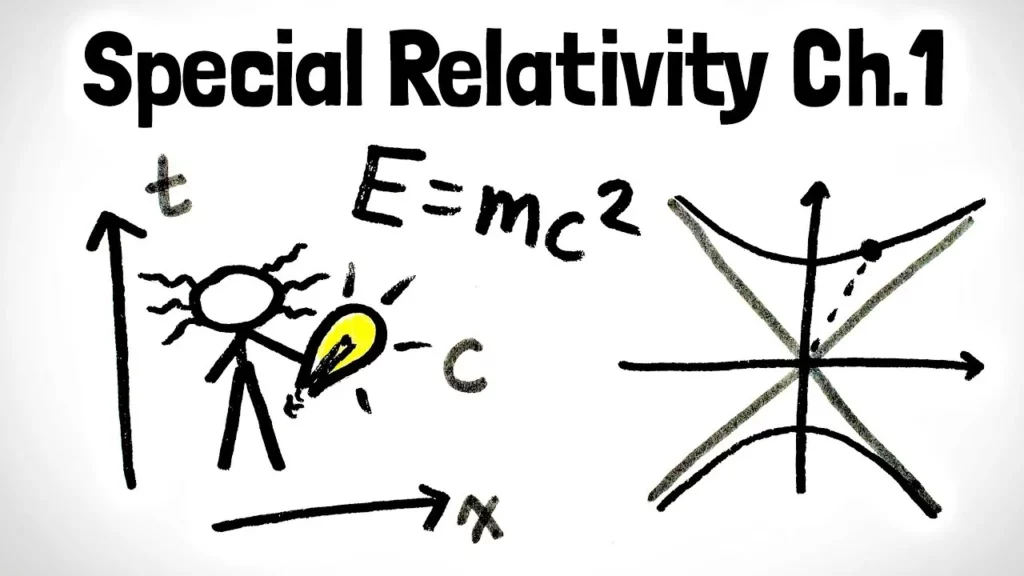
This lesson provides an accessible overview of special relativity, emphasizing its significance in modern physics and the common misconceptions surrounding it. By advocating for a more intuitive approach through geometric interpretations and interactive learning tools, the lesson aims to demystify complex concepts like time dilation and length contraction, making them easier to grasp. Ultimately, it encourages learners to invest in understanding special relativity, highlighting the rewarding insights it offers into the nature of space and time.