
How to See Without Glasses
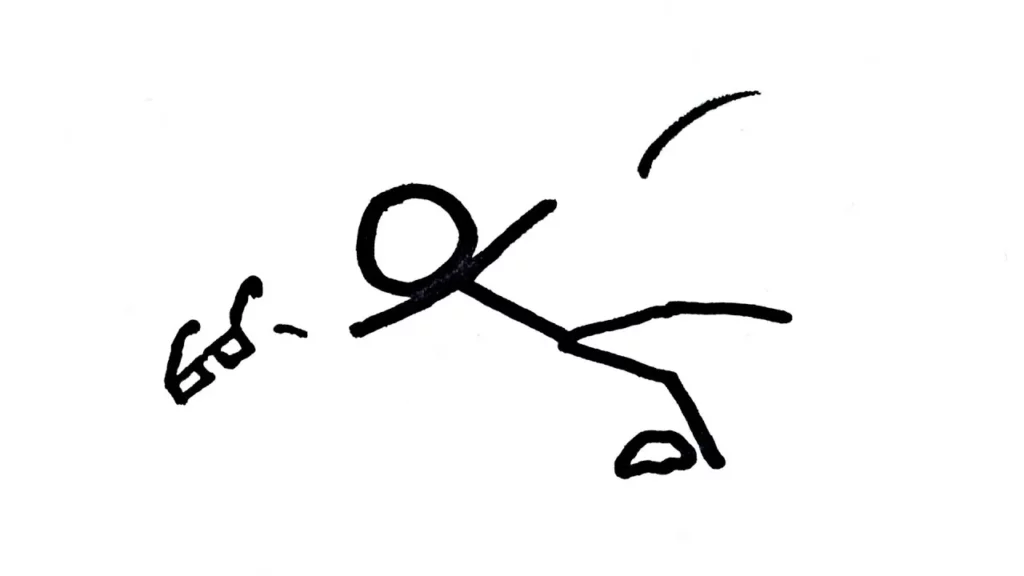
The lesson discusses the importance of vision and introduces a simple trick for improving clarity when glasses are unavailable: using a pinhole created with your fingers. This technique works by allowing light to enter the eye in a focused manner, reducing blur and enhancing visibility, similar to how a camera operates with a smaller aperture. While this method is effective in emergencies, it is noted that it limits light intake, which is why lenses are typically preferred for clearer and brighter images.
SMBC Physics: Why are stones round? feat. Zach Weiner
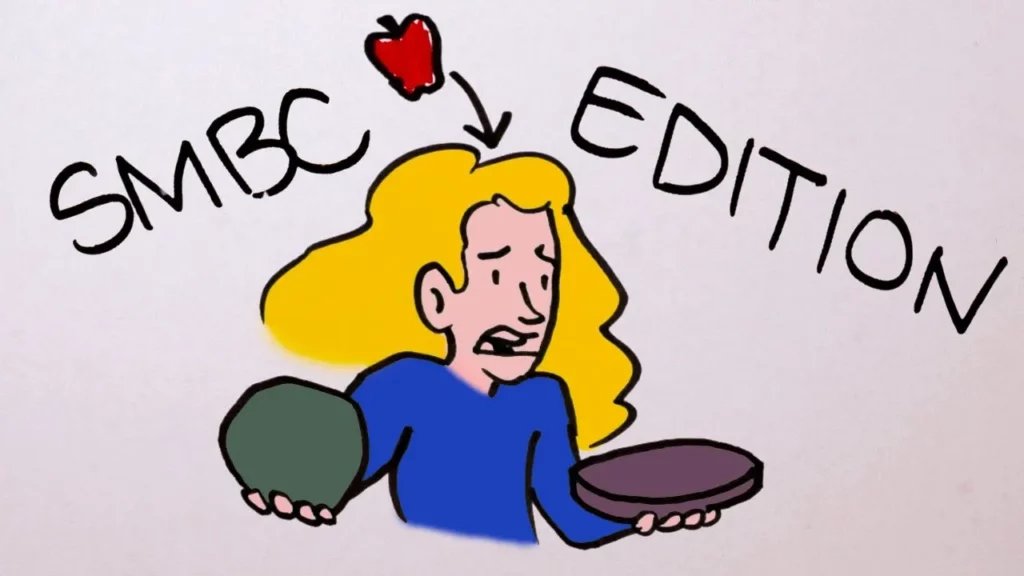
This lesson explains the differing shapes of stones, highlighting that round stones achieve their spherical form through constant movement, which allows for even wear from all angles. In contrast, flat stones become flat due to gravity’s influence, as they settle in a specific orientation and are shaped by the layers of sedimentary rock formation. Ultimately, the shape of a stone is determined by its movement and the conditions of its environment.
How to Find an Exoplanet
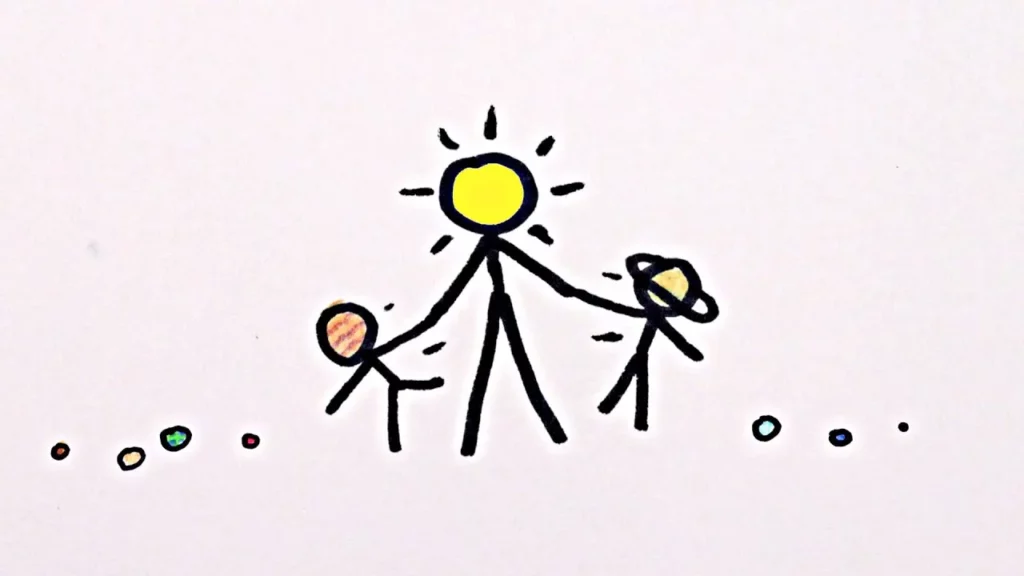
The lesson “Discovering Distant Worlds: How We Find Exoplanets” explains the challenges and methods scientists use to detect exoplanets, which are planets orbiting stars outside our solar system. Direct observation is difficult due to the brightness and distance of stars, so scientists primarily rely on indirect methods, such as the transit method and observing stellar wobble caused by gravitational interactions. These techniques have led to the discovery of over 1,800 exoplanets, highlighting the advancements in our understanding of distant worlds.
The Higgs Boson, Part II: What is Mass?

The lesson explains the significance of the Higgs field in particle physics, detailing how it imparts mass to particles, allowing them to move at various speeds rather than just at the speed of light. Without the Higgs field, all particles would be massless, fundamentally altering the nature of the universe. Additionally, the lesson touches on the Higgs Boson, which gains mass through self-interaction with the Higgs field, highlighting the complexities of this essential component of the cosmos.
What is a dimension? In 3D…and 2D… and 1D
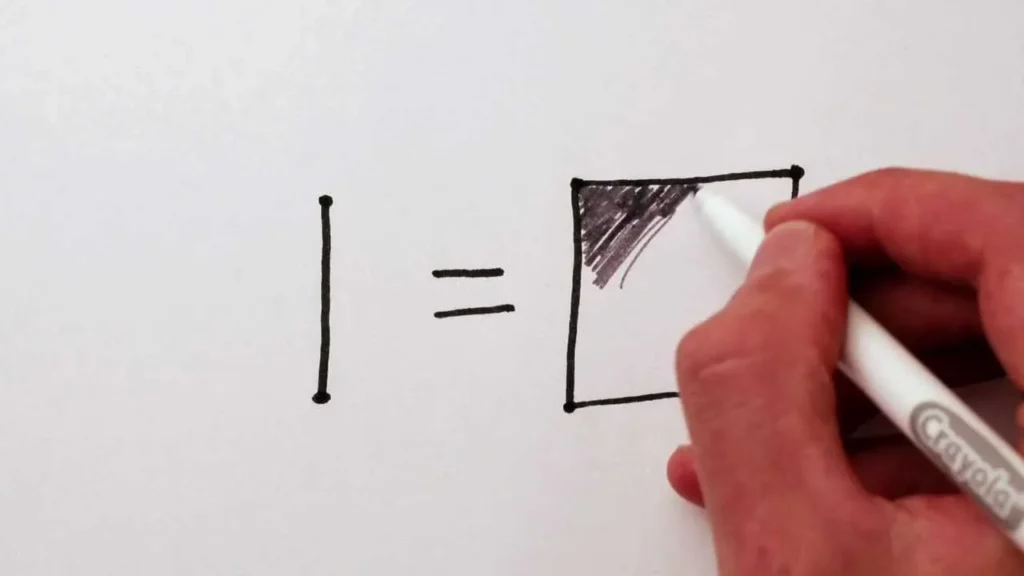
The lesson “Understanding Our Three-Dimensional World” explores the concept of dimensionality, highlighting that while we typically describe space using three coordinates (x, y, z), mathematicians have shown that one-dimensional curves can fill up higher-dimensional spaces. It discusses how we perceive our world as three-dimensional and introduces methods, such as observing gas diffusion, to test this dimensionality. Ultimately, while absolute certainty about our dimensionality is elusive, the evidence strongly supports our experience of living in a three-dimensional space.
The Tides
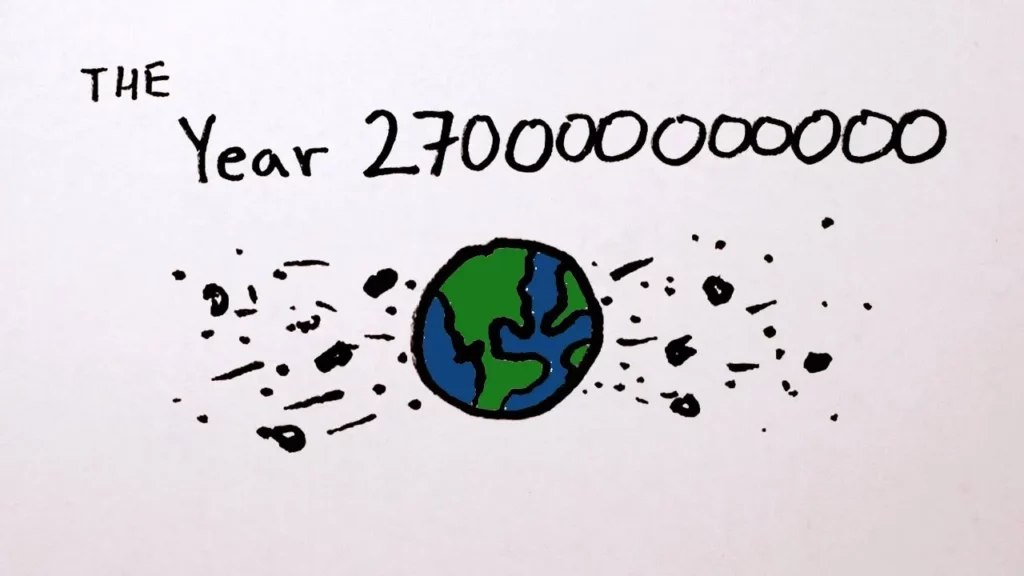
The lesson “Understanding Tides: The Dance Between Earth and the Moon” explains how the gravitational pull of the Moon causes the ocean’s tides, resulting in two high tides and two low tides each day. It highlights the role of the Sun in influencing tides and discusses the long-term effects of these gravitational interactions on Earth’s rotation and the potential consequences if the Moon were to come too close. Overall, it emphasizes the intricate relationship between Earth, the Moon, and the Sun in shaping our planet’s tidal patterns.
Is Anything on the Internet Real?

The lesson emphasizes the importance of pausing before reacting, particularly in our fast-paced, information-saturated world. By taking a moment to reflect on our impulses, we can avoid spreading misinformation and make more informed decisions. The four steps of pausing—notice, heed, deliberate, and decide—empower us to respond thoughtfully, especially when faced with emotionally charged content.
The Wave/Particle Duality – Part 2
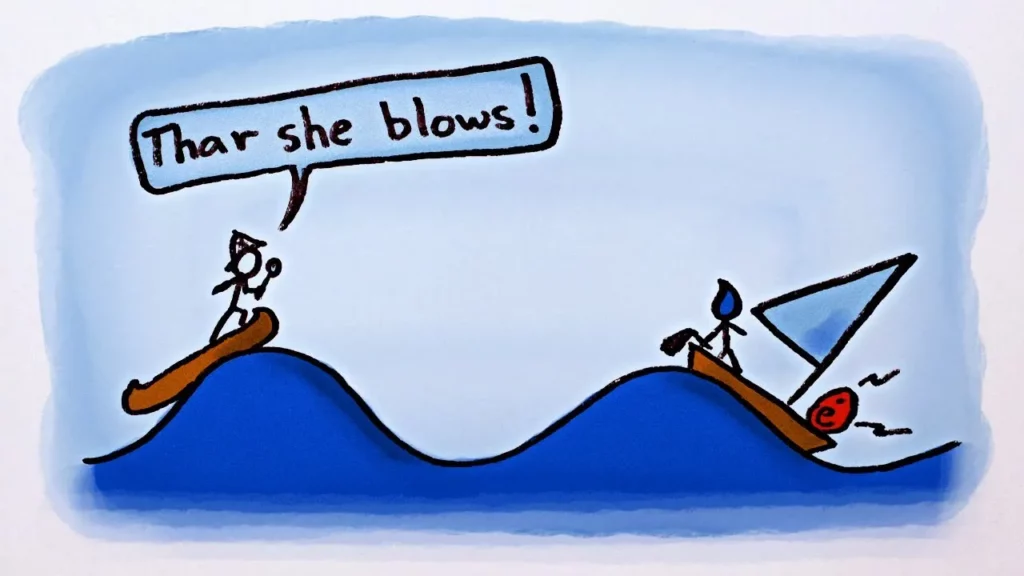
The lesson on wave-particle duality explains how tiny particles, such as electrons, exhibit both wave-like and particle-like behavior. Using the analogy of a speck of dust in a raindrop, it illustrates how the wave guides the particle, indicating the probability of its location while emphasizing the complexity of understanding their interactions in quantum mechanics. Ultimately, this dual nature highlights the intriguing and mysterious principles governing the behavior of subatomic particles.
The Astounding Physics of N95 Masks
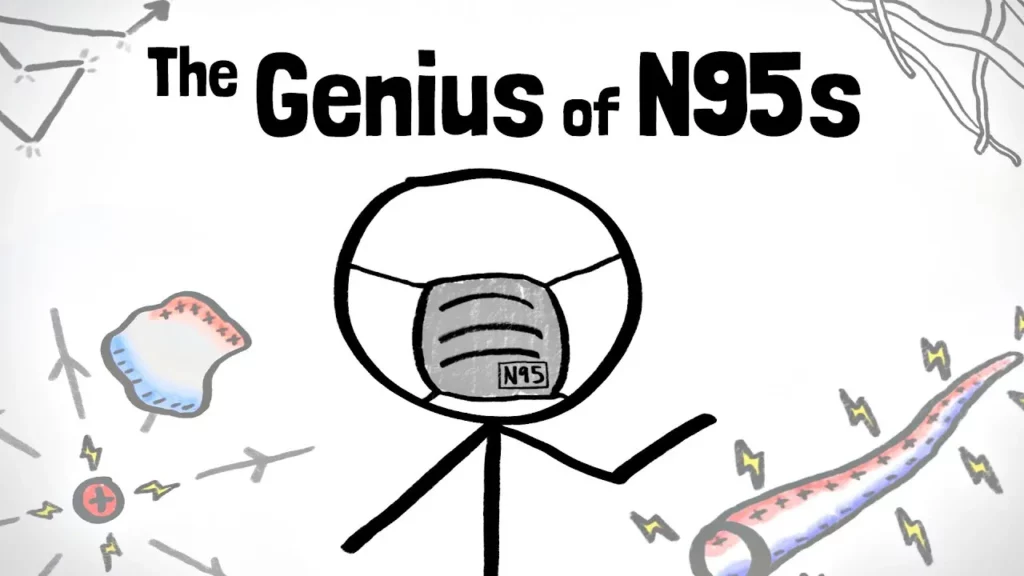
The lesson on N95 masks explains their advanced filtration capabilities, highlighting that they function more like a sticky spider web than a simple strainer, effectively trapping airborne particles of various sizes through mechanical and electrostatic methods. It emphasizes the importance of proper usage and maintenance to ensure their effectiveness, especially in light of shortages during the COVID-19 pandemic, and mentions ongoing research into safe decontamination methods. Understanding the science behind N95 masks is crucial for maximizing their protective benefits against airborne contaminants.
The Physics of Windmill Design
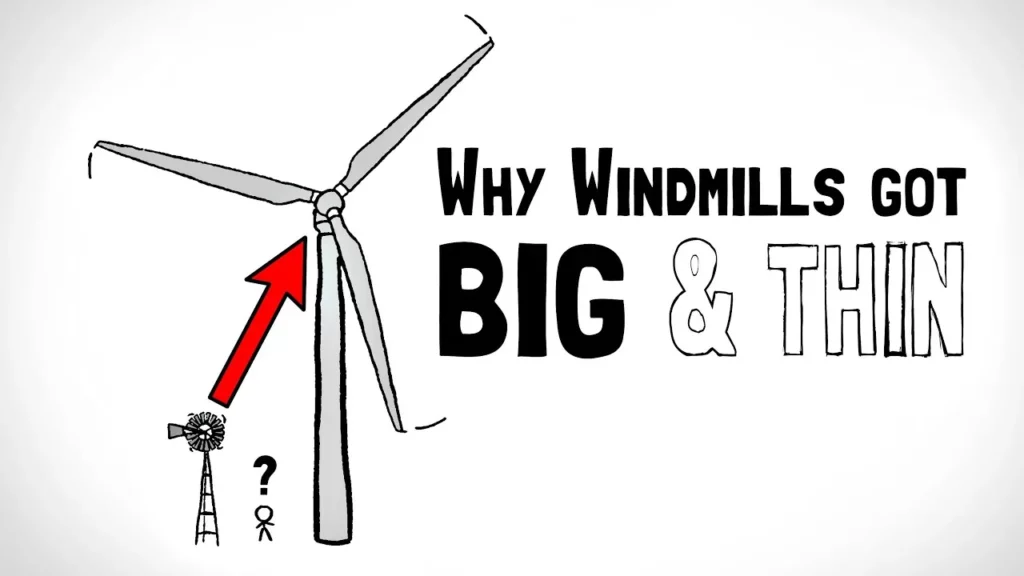
The lesson on modern windmills explores their design and efficiency, emphasizing the importance of renewable energy in combating climate change. Key features of effective windmills include their size, blade count, and shape, with larger and taller structures capturing more wind energy. Additionally, fast-moving, narrow blades enhance efficiency by minimizing energy loss, making modern windmills crucial in harnessing wind power effectively.