
Relativistic Addition of Velocity | Special Relativity Ch. 6
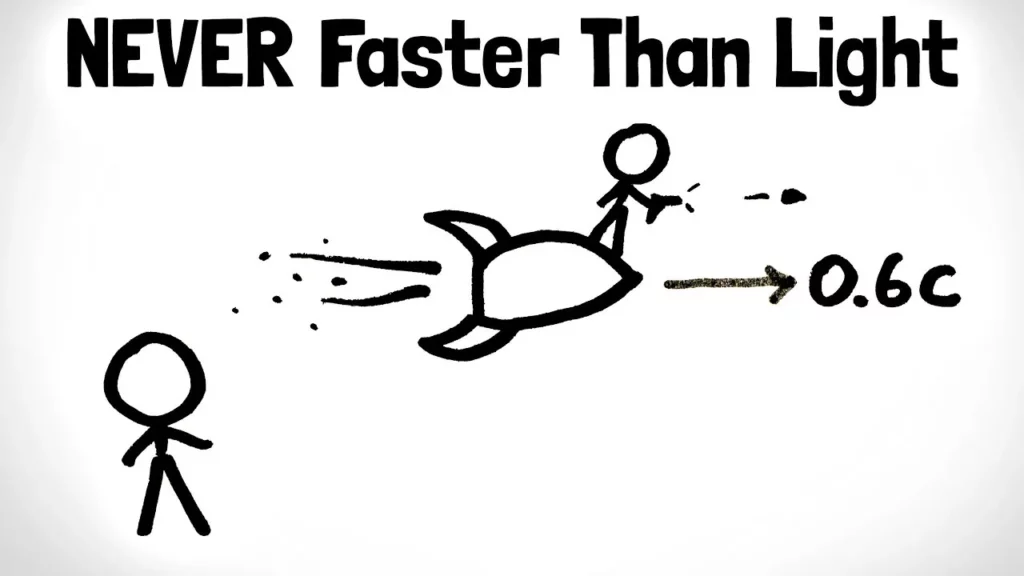
The lesson on Lorentz transformations explains how our perception of motion changes between stationary and moving perspectives, emphasizing that the speed of light remains constant for all observers. It illustrates that while velocities add normally at speeds much slower than light, they do not simply sum up when approaching light speed, as demonstrated by the relativistic velocity addition formula. This ensures that no object can exceed the speed of light, maintaining the fundamental principles of special relativity.
How To Make MUONS
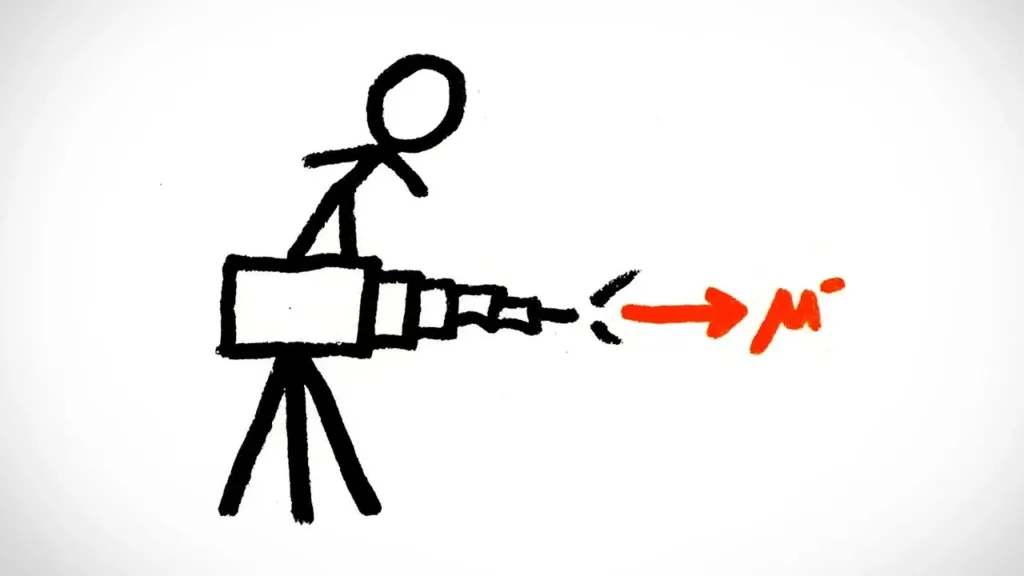
This lesson explores muons, which are heavier cousins of electrons, and highlights their unique properties and significance in scientific research. It discusses the challenges of studying muons due to their short lifespan and the methods used to produce them, primarily through particle accelerators. The lesson also covers the process of muon creation from pions and emphasizes the importance of precise timing in experiments involving these fascinating particles.
How Do We Know What Air is Like on Other Planets?
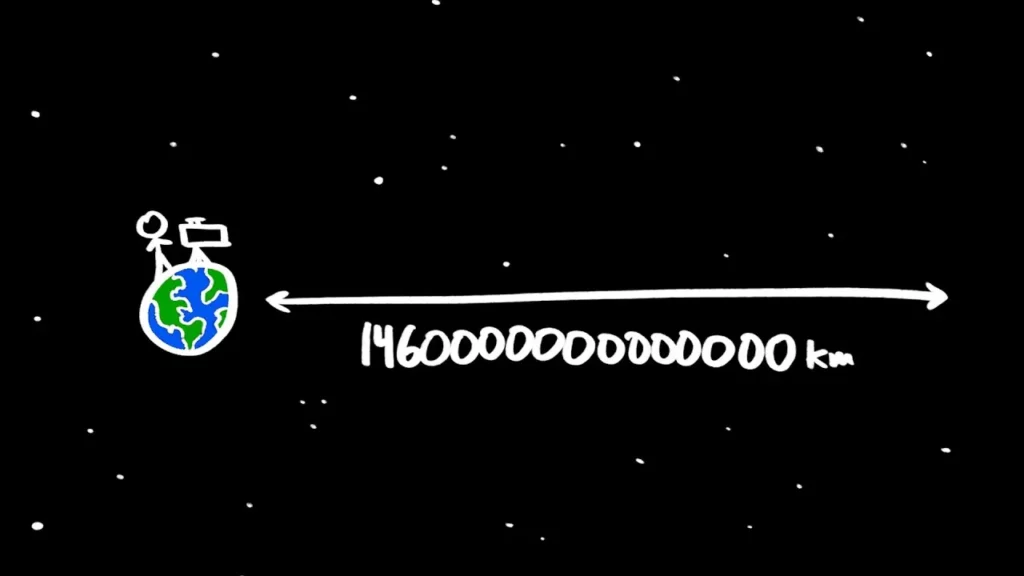
In this lesson, we explored how scientists study the atmospheres of distant planets and moons, including those in our solar system like Jupiter and its moon Europa, as well as exoplanets such as HD 209458 b. By analyzing the unique “fingerprints” of light absorbed and emitted by different gases in these atmospheres, researchers can identify their composition without needing to visit these celestial bodies directly. Despite the challenges posed by thin atmospheres and complex light emissions, advancements in technology have enabled astronomers to uncover the secrets of these distant worlds.
Shells of Cosmic Time (ft. @AstroKatie)
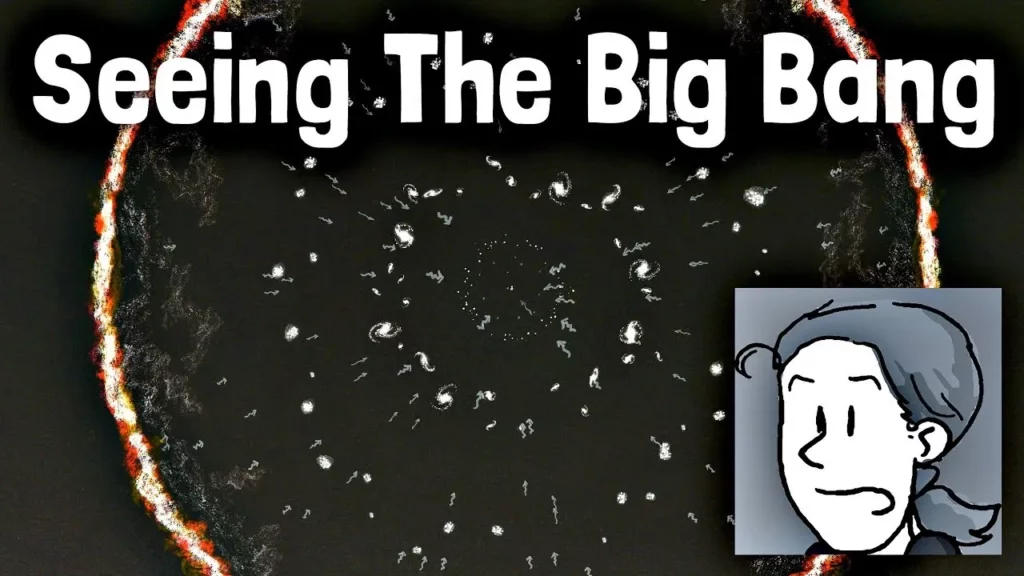
The lesson “The Journey of Light: Understanding Cosmic Time” explores how light travels at an incredible speed, allowing us to perceive the universe as it was in the past. By examining celestial objects like the Sun and distant galaxies, we learn that the light we see reveals their historical states, with the most ancient light coming from the cosmic microwave background, a remnant of the universe’s birth. This concept emphasizes that our observations are layered in cosmic time, providing a unique perspective on the evolution of the universe.
The Bizarre Physics of Electric Guitars
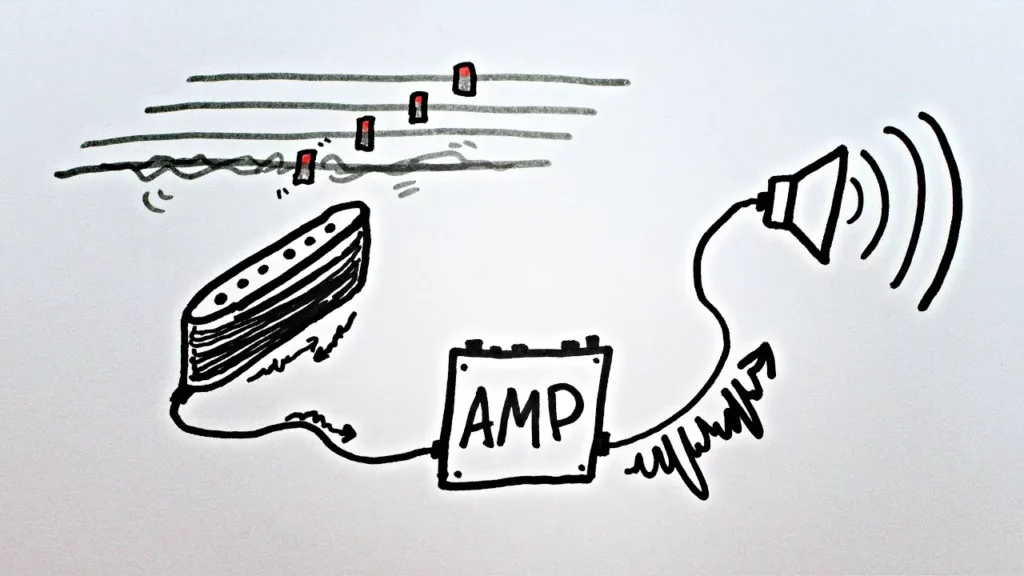
The lesson discusses the controversial magnetic guitar pick, which claims to allow guitar playing without touching the strings. While it does not function as advertised—failing to directly move the strings—it interacts with the guitar’s pickups to modulate sound, creating unique effects. Despite its high price and the confusion surrounding its operation, the pick offers creative possibilities for musicians when used correctly.
Does the Universe Have a Purpose? feat. Neil deGrasse Tyson
In his exploration of whether the universe has a purpose, Neil deGrasse Tyson emphasizes the challenge of providing a definitive answer, arguing that claims of purpose often stem from beliefs lacking empirical evidence. He suggests that the universe operates more randomly than purposefully, as evidenced by the numerous challenges life has faced throughout its history, and encourages a scientific perspective that prioritizes observation over human-centric interpretations. Ultimately, Tyson leaves the question open-ended, advocating for a view of the universe grounded in reality rather than desire.
There is no ‘Fourth’ dimension
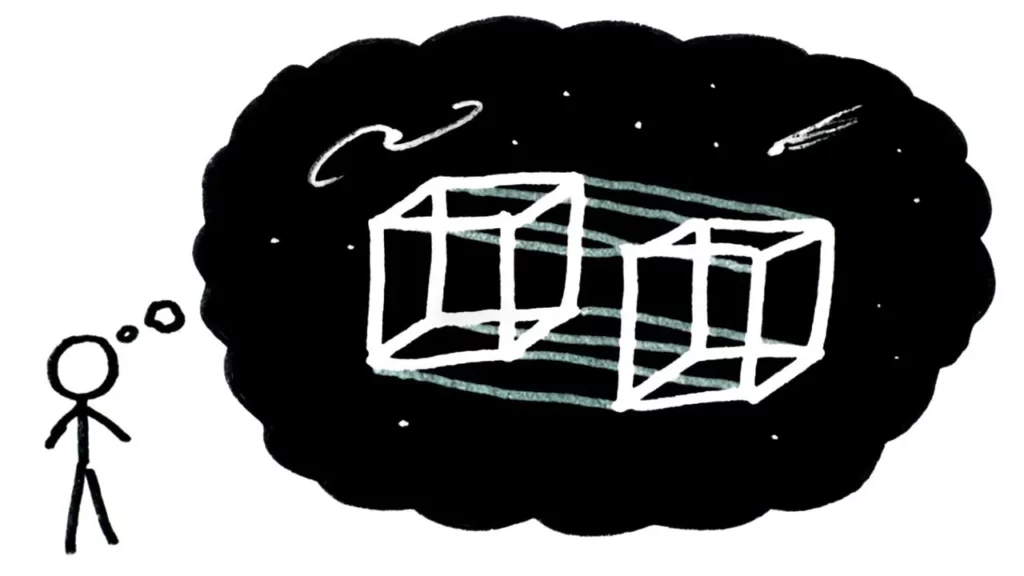
In this lesson, we explored the concept of dimensions, clarifying that while we commonly refer to three spatial dimensions—length, width, and height—these dimensions are not distinct or ordered. Using analogies, we illustrated how dimensions can be categorized, such as distinguishing between spatial and time dimensions, and even entertained the idea of higher dimensions, encouraging further exploration through resources like the book *Flatland* and challenges like a 4D Rubik’s Cube.
How To Detect A Secret Nuclear Test
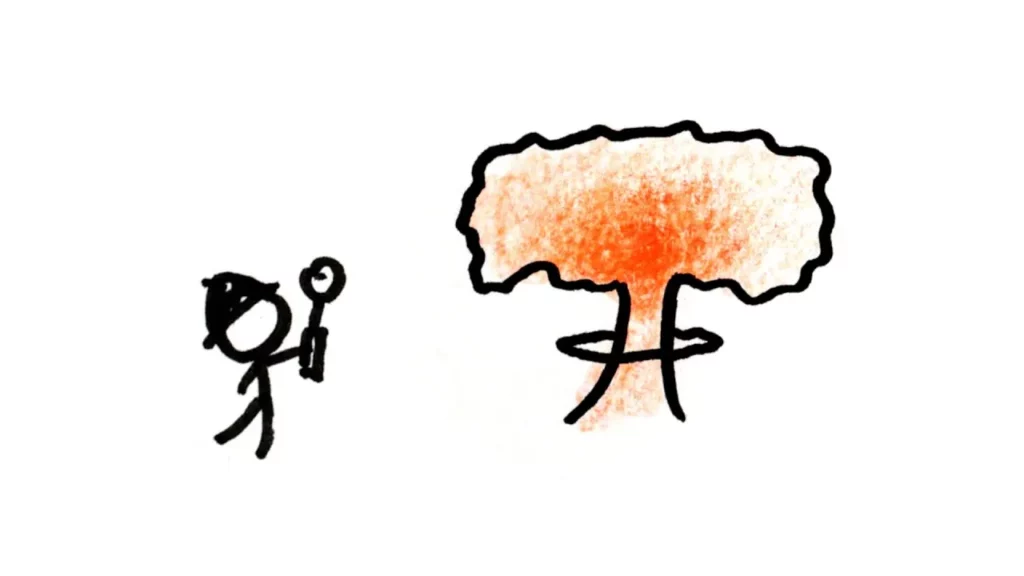
The Comprehensive Nuclear-Test-Ban Treaty (CTBT) aims to prohibit all nuclear explosions globally, yet several key nations have not yet signed or ratified it. The treaty’s effectiveness relies on a sophisticated monitoring system that detects nuclear explosions through various methods, including infrasound detectors for atmospheric blasts, hydro-acoustic sensors for underwater detonations, and seismometers for underground tests, complemented by radionuclide detection to confirm nuclear activity. The CTBTO’s efforts not only enhance global safety by preventing nuclear tests but also contribute valuable data to multiple scientific fields, underscoring the treaty’s importance for humanity.
VomitPhysics! Physics of Fiction
In the lesson about Milkman, a superhero with the ability to vomit milk and fly, the discussion revolves around the scientific implications of such a power. To achieve flight, Milkman would need to expel approximately 5 gallons of milk per second, prompting a playful exploration of how he could carry that much liquid, whether through special heavy milk or other means. Ultimately, the lesson highlights the fun intersection of creativity and science in imagining unique superhero abilities.
Black Holes, Neutron Stars, and White Dwarfs (Collab. w/ MinuteEarth)
The lesson “Understanding the Universe: The Life and Death of Stars” explores the lifecycle of stars, detailing how their mass determines their fate after death, leading to the formation of white dwarfs, neutron stars, or black holes. It emphasizes the fundamental principles of nuclear fusion and gravity that govern these processes, while also highlighting the complexities and ambiguities present in the broader universe, such as the classification of celestial objects. Ultimately, the lesson illustrates the fascinating distinctions in stellar remnants and the challenges of categorizing various phenomena in space.