
Astronomically Correct Twinkle Twinkle
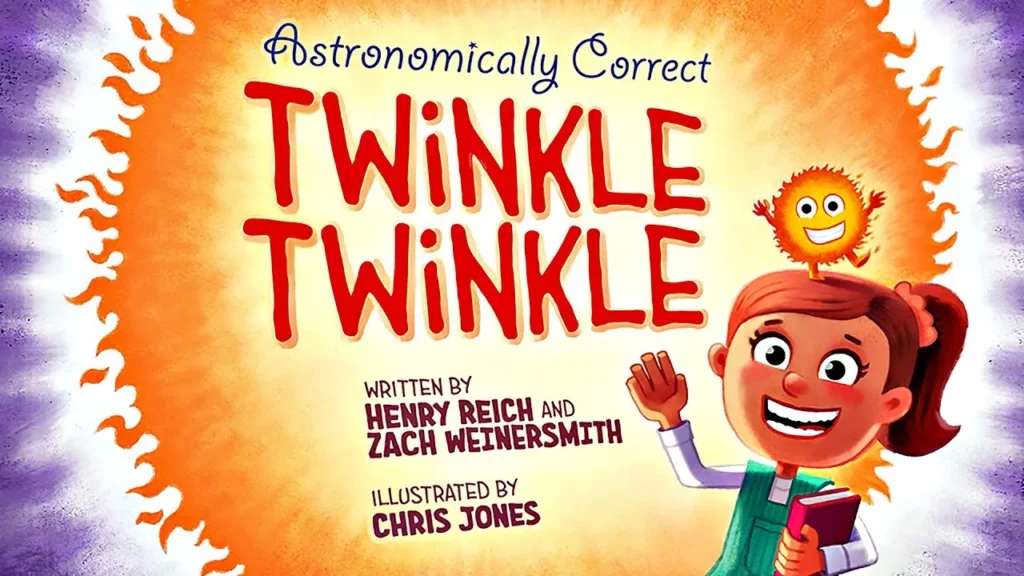
In the lesson “Twinkle Twinkle Little Star: A Cosmic Journey,” students explore the intriguing nature of stars, including why they twinkle and the various stages of their life cycle. The lesson highlights the processes of star formation, the phenomenon of redshift, and the dramatic endings of stars, such as supernovae and black holes, while also clarifying the distinction between meteors and stars. Ultimately, it encourages curiosity about the cosmos and the remarkable transformations that stars undergo.
Is the Universe Entirely Mathematical? Feat. Max Tegmark
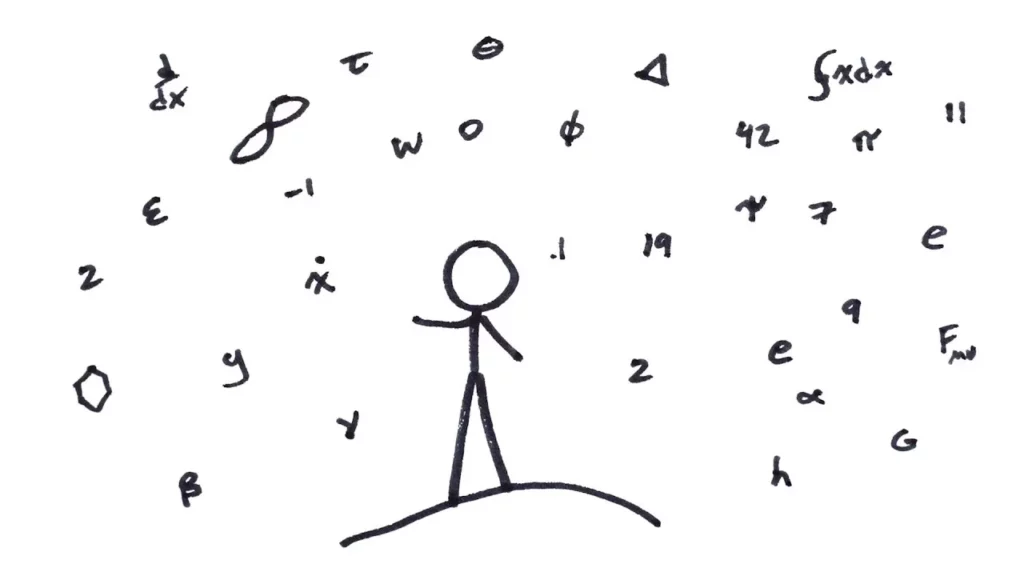
The lesson explores the profound relationship between mathematics and the universe, suggesting that mathematics is not just a human invention but may reveal fundamental truths about reality. It introduces the Mathematical Universe Hypothesis, positing that both elementary particles and the fabric of space are defined by mathematical properties, leading to the idea that everything in existence could be fundamentally mathematical. This perspective challenges our understanding of reality and invites contemplation on the nature of existence itself.
How to break the speed of light
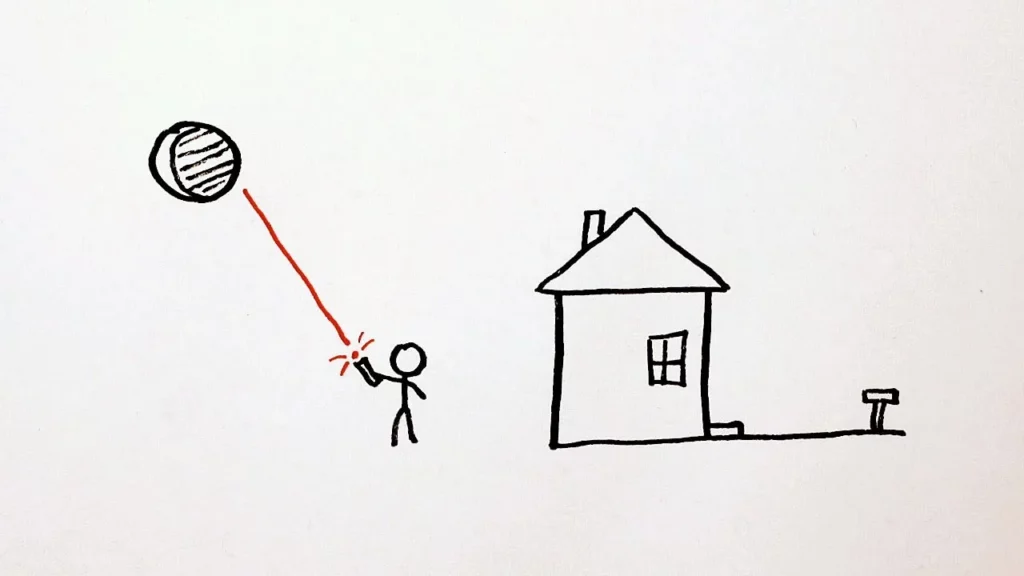
In this lesson, we explore the concept that while nothing with mass can exceed the speed of light, we can create the illusion of surpassing it using a laser pointer aimed at the moon. By understanding that the spot of light moves across the moon’s surface faster than light itself, we learn that this phenomenon does not violate any physical laws, as it involves the manipulation of images rather than the actual movement of objects. Ultimately, the lesson highlights the intriguing nature of physics and the surprising ways we can interpret speed and motion.
Why It’s HARD To Land on Mars
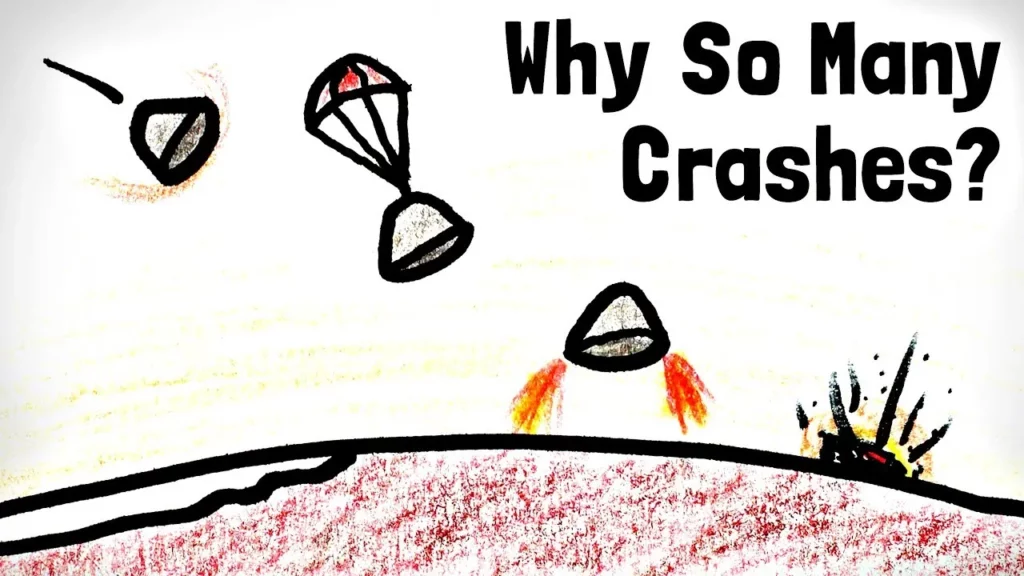
Landing on Mars presents significant challenges due to its unique atmosphere, which is too thin to effectively slow down spacecraft using traditional methods like parachutes, yet thick enough to require heat shields and protective walls. This combination necessitates innovative landing techniques, such as retrorockets and inflatable airbags, to ensure a safe descent. Ongoing research and creative solutions continue to evolve, paving the way for future human landings on Mars.
How to Teleport Schrödinger’s Cat
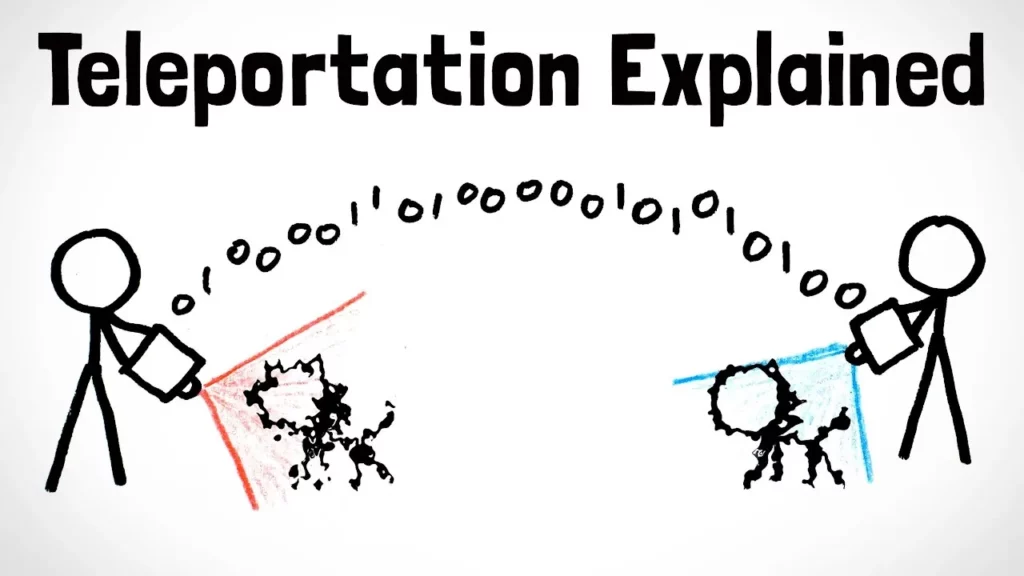
The lesson explores the concept of quantum teleportation, distinguishing it from the science fiction notion of teleportation by explaining its reliance on quantum entanglement and the alteration of the original object during the process. It illustrates the teleportation mechanism using the thought experiment of Schrödinger’s cat, highlighting the challenges of teleporting larger objects and the current limitations to small quantum states. Ultimately, the lesson emphasizes the intriguing possibilities of quantum mechanics and the future potential of teleportation technology.
The Limb of the Sun
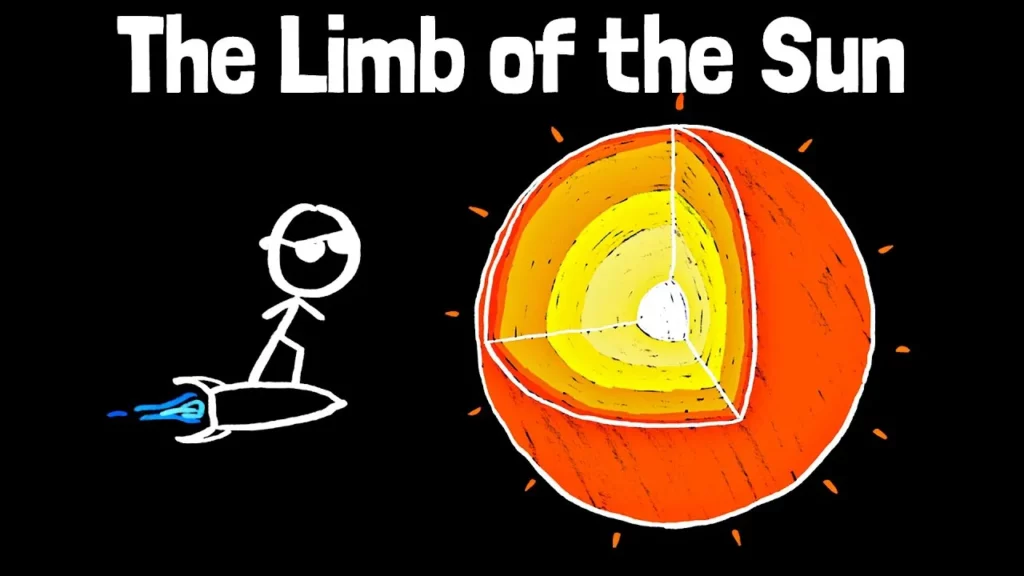
In this lesson, students explore the intriguing optical effects of flames and the sun, specifically focusing on why the edges of flames appear brighter while the centers are darker, and how this phenomenon relates to the sun’s brightness and color. The lesson explains that the sun is hottest and brightest in the middle, with cooler, redder edges due to the depth of gas observed, while flames exhibit limb brightening because the best mix of oxygen and fuel occurs at their surfaces. This understanding not only enhances appreciation for everyday phenomena but also connects to broader concepts in astrophysics, such as the appearance of nebulae.
How To Discover Weird New Particles | Emergent Quantum Quasiparticles
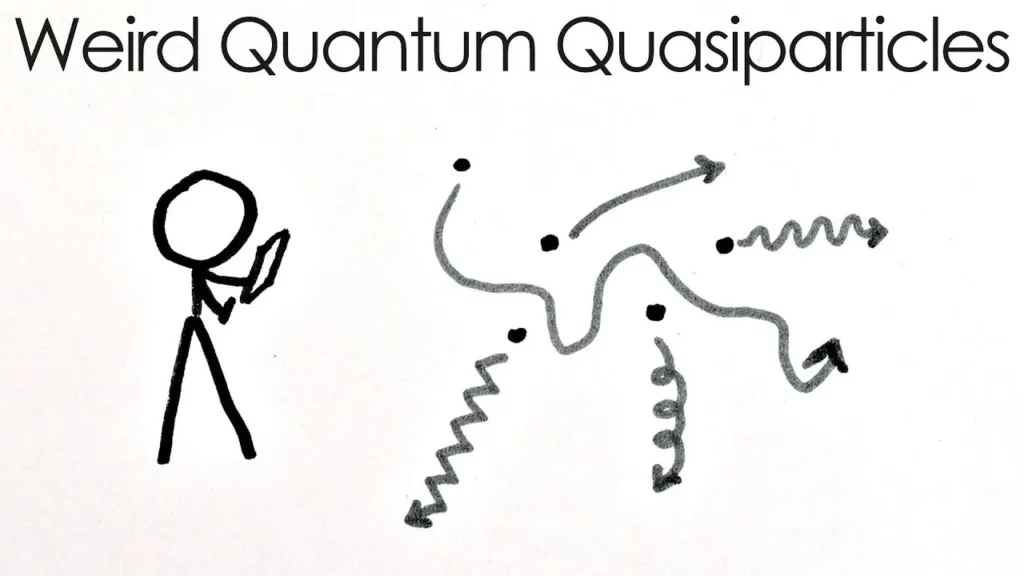
The lesson explores the significance of particles as the fundamental building blocks of the universe and outlines three primary approaches to discovering new particles: building composite particles, smashing particles together, and creating new environments for particles. Each method offers unique insights into particle behavior, with emergent particles demonstrating fascinating properties that can lead to practical applications in technology. The exploration of these phenomena is supported by initiatives like the EPiQS, which aims to advance research in novel electronic materials.
How ISPs Violate the Laws of Mathematics

In this lesson, the author humorously illustrates the frustrations of dealing with an internet service provider (ISP) by drawing parallels to Zermelo-Fraenkel set theory, highlighting the logical inconsistencies in the ISP’s pricing and service offerings. By referencing the axioms of set theory, the author critiques the ISP’s failure to adhere to basic mathematical principles, ultimately leading to a lighthearted resolution when the representative allows a workaround for the pricing issue. The narrative serves as both an entertaining anecdote and a clever commentary on the intersection of mathematics and everyday experiences.
Where Do Galaxies Come From?
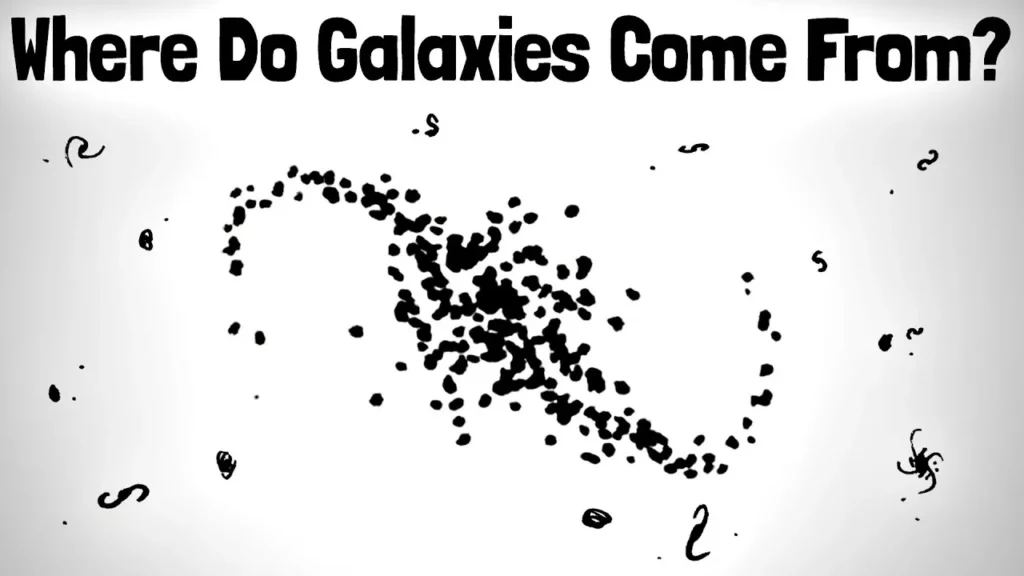
The lesson “Understanding the Birth of Galaxies: A Cosmic Journey” explores the formation and evolution of galaxies in the universe, emphasizing that while these processes occur over billions of years, scientists can piece together their history by observing galaxies at various stages of development. It highlights the challenges in studying early galaxies, which were small and faint, and discusses the role of dark matter and gas in their formation. The lesson also underscores the significance of the James Webb Space Telescope in advancing our understanding of the first stars and galaxies that emerged after the Big Bang.
Evolution vs Natural Selection
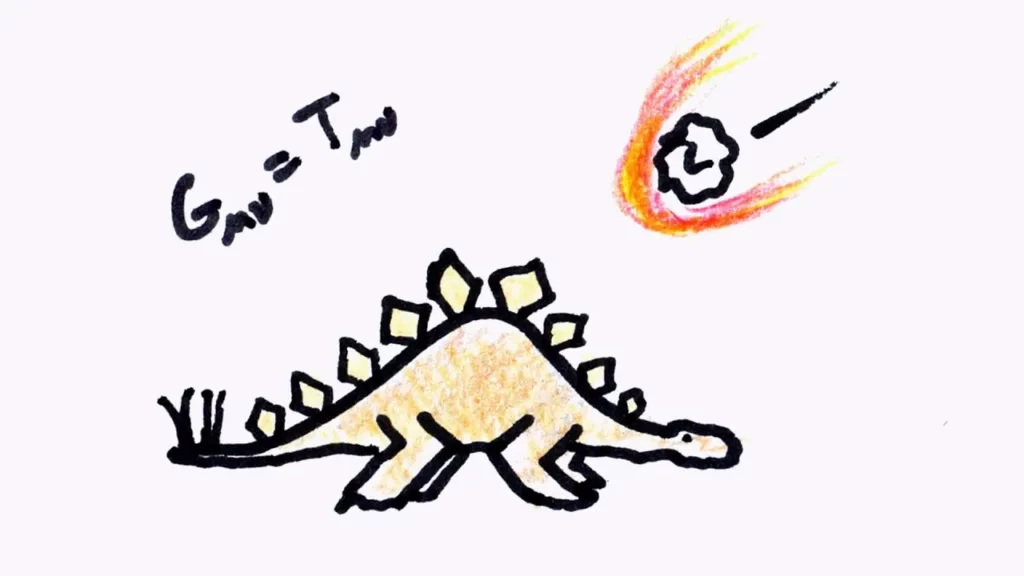
The lesson emphasizes that evolution encompasses more than just biological changes through natural selection; it refers to any form of change or development over time, including in the universe and societal demographics. It highlights the evidence supporting the evolution of life on Earth, as demonstrated by fossil records, and draws parallels between Darwin’s theory of natural selection and scientific investigations into significant events, like the Challenger disaster. Ultimately, the lesson encourages an understanding that change is a constant in both the universe and our beliefs.