
The No Cloning Theorem

The lesson on cloning explores the concept of creating perfect copies, emphasizing that while cloning can produce replicas, achieving perfect cloning at the subatomic level is fundamentally impossible due to the no-cloning theorem in quantum mechanics. This theorem illustrates that the unique properties of quantum particles, such as superposition and independent transformations, lead to contradictions when attempting to clone quantum states. Although perfect cloning is unattainable, the lesson highlights the potential for creating accurate copies and the implications for fields like quantum computing and teleportation.
Time Travel in Fiction Rundown
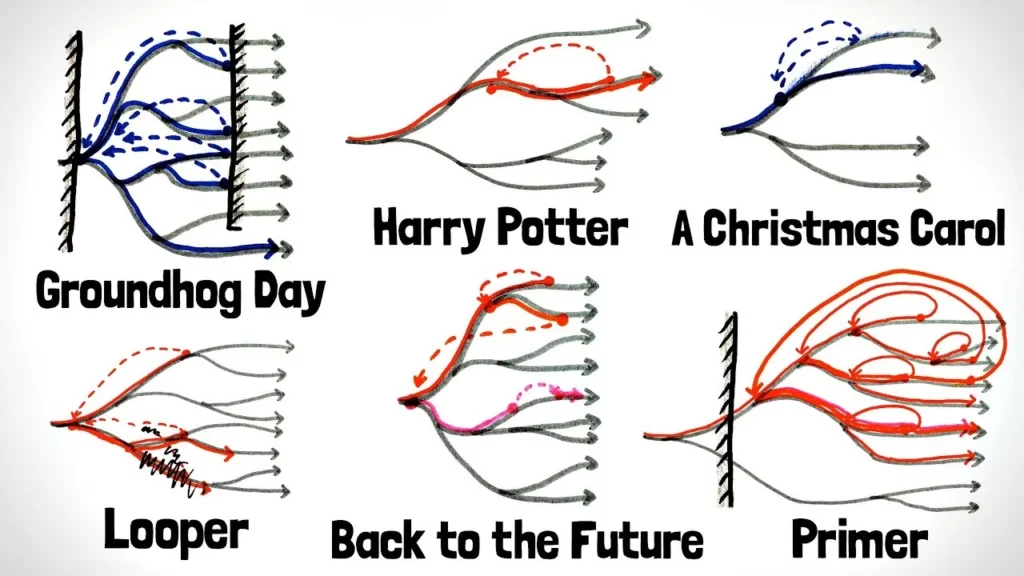
The lesson explores the captivating concept of time travel in fiction, examining its portrayal across various narratives and its impact on causality and plot development. It highlights different approaches to time travel, including realistic depictions, self-consistency, “do-over” scenarios, multiple timelines, and complex narratives, emphasizing the importance of logical consistency in engaging storytelling. Ultimately, the lesson illustrates how time travel challenges our understanding of free will and the consequences of actions, offering a rich landscape for both creators and audiences.
What is Touch?
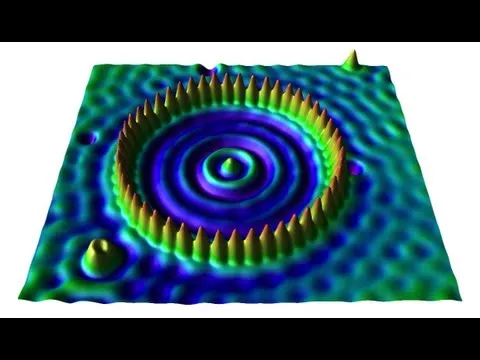
The lesson explores the concept of touch from a quantum perspective, revealing that when we perceive physical contact, such as sitting in a chair, our bodies are actually hovering above the surface due to the repulsion between electrons. This challenges traditional definitions of touch, suggesting that it may be more accurately described as the interaction of particles at very short distances, highlighting the complexity and beauty of the atomic world. Ultimately, the lesson encourages a deeper appreciation for the intricate nature of the universe and the science behind our everyday experiences.
Weigh a million dollars with your mind
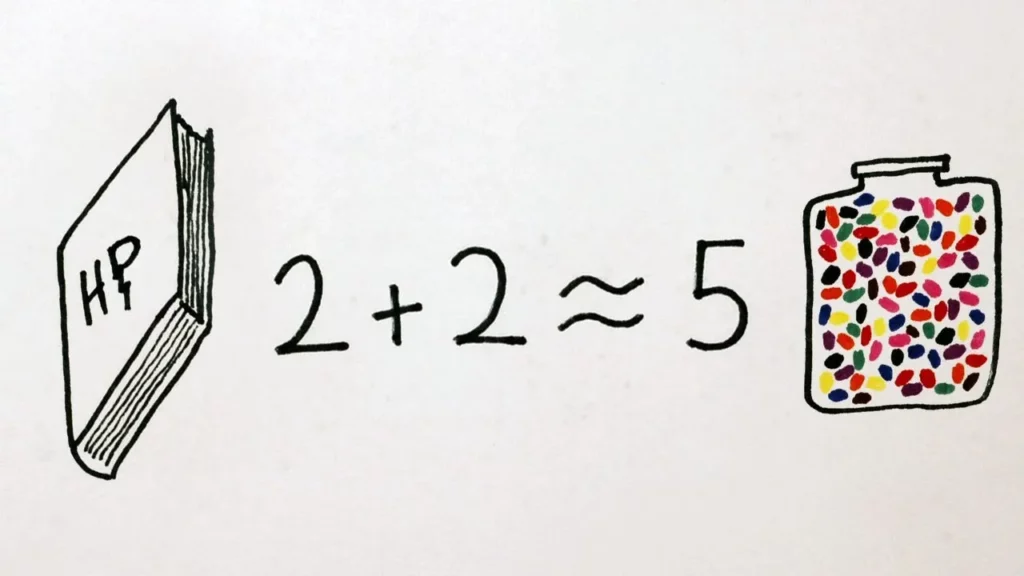
In this lesson, we explore how to estimate the weight of a million dollars using approximations and basic physics principles. By calculating the volume of a dollar bill and assuming its weight based on the density of water, we determine that a million dollars weighs approximately 900 kilograms, or about 2,000 pounds. This exercise highlights the importance of making reasonable approximations in physics and everyday problem-solving.
London Bridge Was Sold to the US!?

The lesson explores the intriguing history of the original London Bridge, which, after centuries of use, was replaced in the 1960s and mistakenly purchased by American businessman Robert McCulloch, who thought he was acquiring the Tower Bridge. Instead, he had the London Bridge dismantled and relocated to Lake Havasu City, Arizona, where it was reconstructed and has since become a popular tourist attraction. This story highlights the bridge’s unexpected journey from England to the American desert, transforming it into a unique piece of history.
Why the solar system can exist
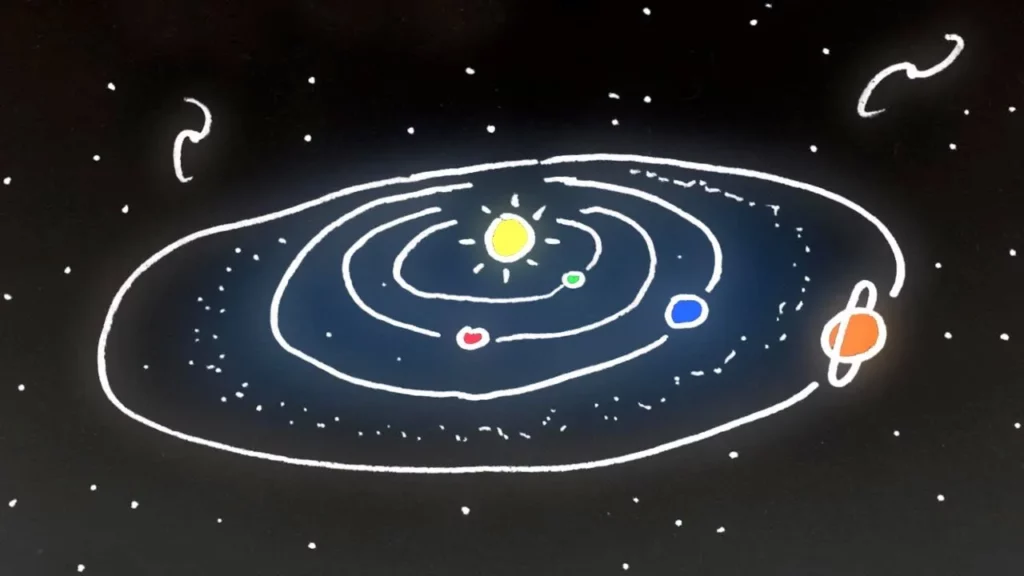
The lesson explains how Earth remains in a stable orbit around the sun due to the balance between gravitational pull and the planet’s increasing speed as it moves closer to the sun. This dynamic interaction creates a cyclical pattern that prevents Earth from spiraling into the sun or drifting away. Additionally, the lesson highlights the significance of living in a three-dimensional universe, which allows for stable orbits essential for the existence of planets and life.
Why is the Sun Yellow and the Sky Blue?

The lesson explains that the sky appears blue due to a phenomenon called light scattering, where sunlight interacts with the Earth’s atmosphere. Blue light scatters more than other colors because of its higher frequency, leading to the predominant blue hue we see. Additionally, the sky can change colors based on the angle of sunlight and atmospheric conditions, creating a vibrant display of reds and oranges during sunrise and sunset.
To London, To London

In this lesson, the speaker expresses excitement about their upcoming journey to London, where they will explore the Olympics and the science of sports physics in collaboration with Derek from Veritasium. They invite audience participation by encouraging questions and suggestions for content, while also contemplating the various names associated with the UK, promising to delve into this topic during their adventure.
Do We Expand With The Universe?
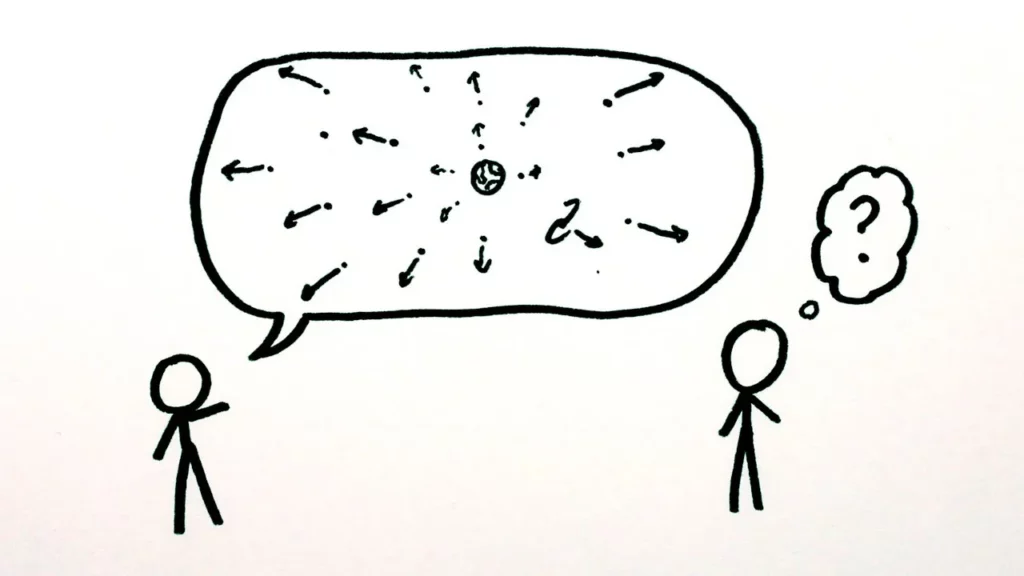
The lesson explains that while the universe is expanding, this expansion does not affect the size of objects within it, including humans. This is due to the strong forces of gravity and electromagnetism, which counteract the expansion on smaller scales, keeping atoms, molecules, and solar systems intact. On a cosmic scale, however, the expansion of space becomes significant, causing galaxies to drift apart over time.
Theory of Everything: What is Matter?
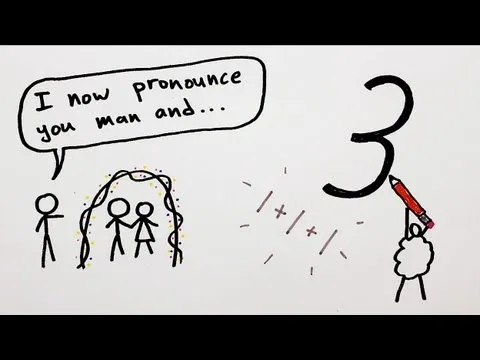
The lesson on “Understanding Matter: The Basics of Particle Physics” explores the fundamental nature of matter, emphasizing the role of the Pauli Exclusion Principle in governing the behavior of electrons. It explains that while all electrons are identical manifestations of a universal quantum field, they cannot occupy the same quantum state, which prevents matter from being densely packed in space. This principle not only highlights the unique characteristics of particles but also illustrates how matter shapes the structure of our universe.