
How Long Can You Balance a Pencil?
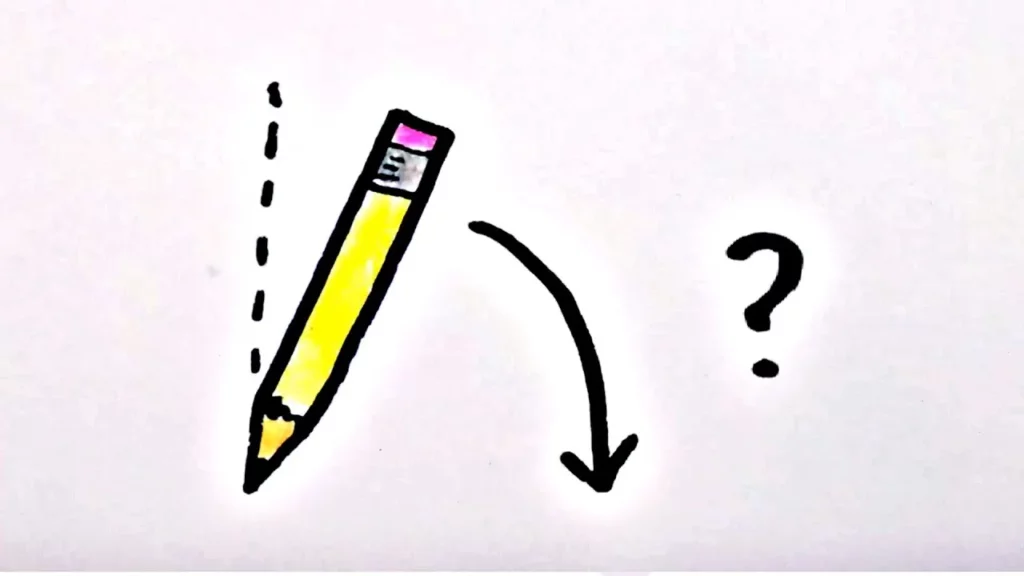
The lesson explores the intriguing challenge of balancing a pencil on its tip, highlighting the concept of the “inverted pendulum” and the inherent instability of top-heavy objects. It discusses the extreme conditions required to achieve perfect balance, such as eliminating air molecules and cooling the pencil to near absolute zero, ultimately concluding that perfect balance is theoretically impossible due to quantum effects. Despite these challenges, the activity remains a fun and engaging way to test one’s balancing skills.
Faster Than Light Neutrinos (maybe): Field Trip!
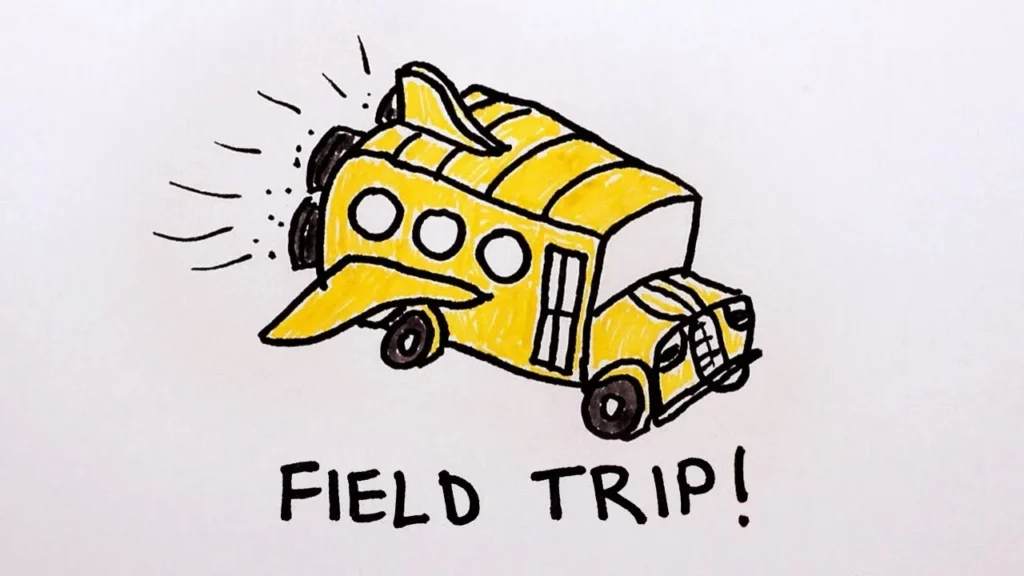
The lesson discusses a recent claim by Italian physicists who observed neutrinos traveling faster than light, a finding that could challenge established theories of relativity. The OPERA experiment, which detects these elusive particles produced by proton collisions at the Large Hadron Collider, involves complex methods for capturing, identifying, and timing neutrinos. The scientific community remains skeptical and emphasizes the need for rigorous verification of these extraordinary claims through replication of results by other experiments.
How to Tell Matter From Antimatter | CP Violation & The Ozma Problem
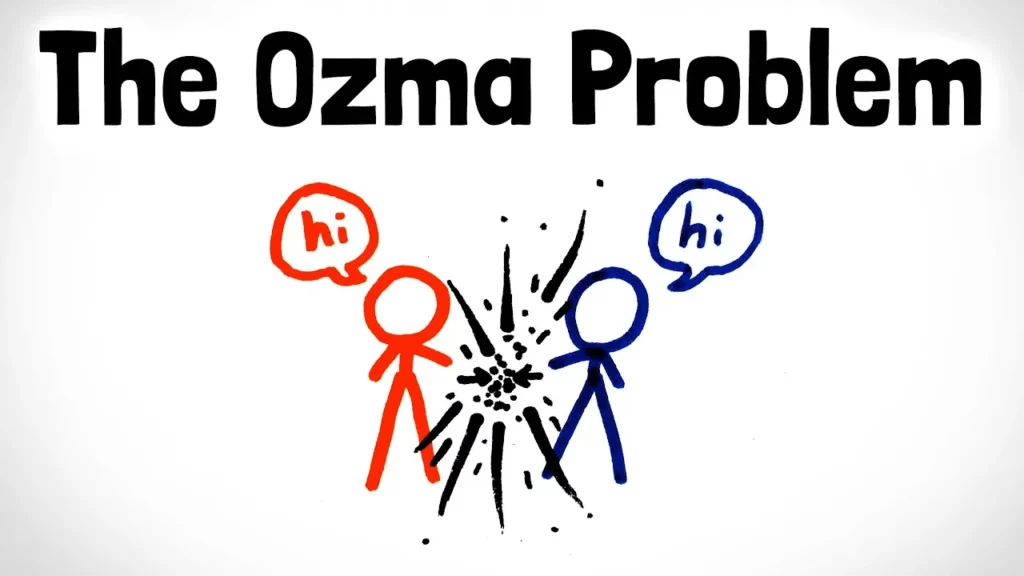
The lesson explores the concept of mirror symmetry in physics and its implications for potential communication with extraterrestrial life, highlighting the “Ozma Problem” related to distinguishing left from right without a common reference. It discusses how the weak nuclear force provides a solution through the behavior of particles like Kaons, which decay in a way that allows for the identification of matter versus antimatter. This understanding is essential not only for intergalactic communication but also for unraveling the mystery of why our universe is predominantly composed of matter.
Usain Bolt vs. Gravity

The lesson explores the dynamics of falling objects, specifically comparing the speed of a diver jumping from a 10-meter platform to Usain Bolt’s sprinting speed. It highlights how gravity accelerates falling objects, allowing a rock to hit the ground faster than Bolt can run, but notes that the diver’s upward push adds time to their fall, ultimately resulting in Bolt winning the race by a narrow margin. The lesson emphasizes the consistent pull of gravity and the importance of quick reactions when catching falling objects.
How Many Fossils to Go an Inch? (ft. Robert Krulwich)
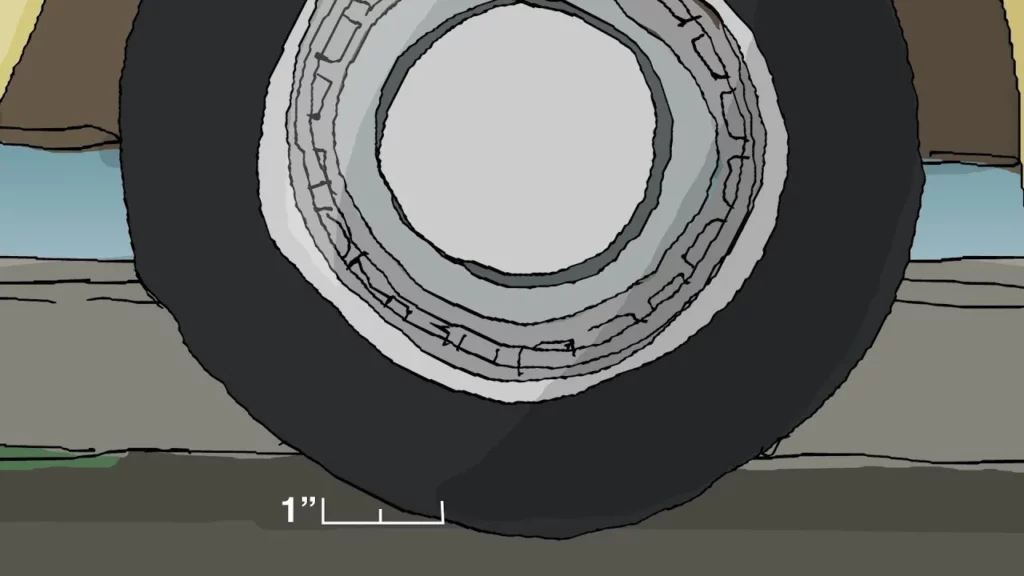
The lesson explores the origins and significance of fossil fuels, particularly coal and oil, in powering modern homes and vehicles. It traces the formation of coal back to the Carboniferous period, highlighting how ancient trees and marine organisms transformed into these energy sources over millions of years. The lesson emphasizes the immense consumption of fossil fuels today and encourages a deeper understanding of their impact on our lives and the environment, urging more responsible energy use.
How to Destroy a Magnet (+ interactive periodic table)
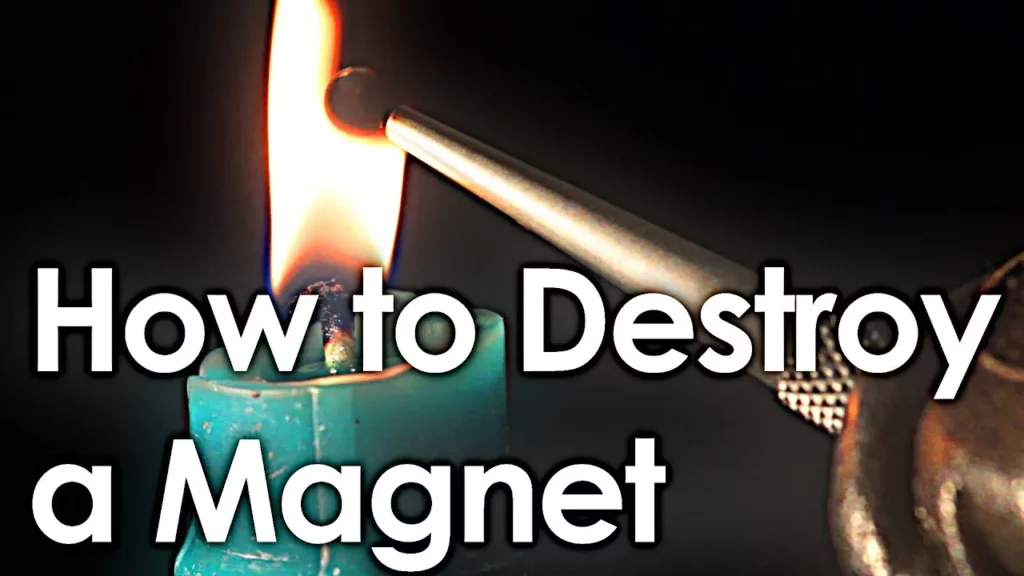
In this lesson, we explore the science behind magnetism, focusing on how magnets, particularly neodymium magnets, maintain their magnetic properties through the alignment of their atomic magnetic fields. We learn that temperature plays a crucial role in this process; exceeding a certain threshold, known as the Curie Temperature, disrupts the alignment and can lead to the loss of magnetism. Ultimately, the lesson highlights the delicate balance of atomic behavior and temperature that governs the existence of magnetism.
The Arrow of Time feat. Sean Carroll
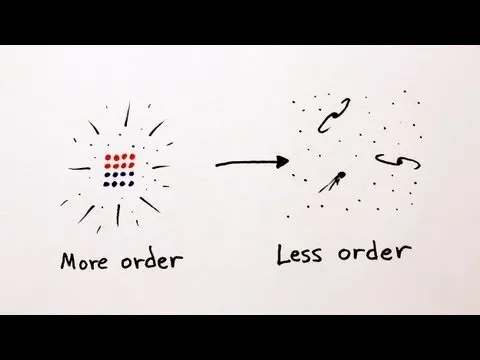
The lesson explores the intriguing concept of time’s direction, highlighting how our perception of past and future is influenced by the increase of entropy in the universe. While the fundamental laws of physics do not differentiate between past and future, the Second Law of Thermodynamics explains that systems naturally progress from order to disorder, giving rise to the “arrow of time.” Understanding the origins of the universe’s low entropy state at the Big Bang is key to unraveling the mystery of why we experience time as flowing from the past to the future.
Can Humans Really Feel Temperature?

The lesson explains the concept of temperature as a measure of atomic movement and how it affects our perception of hot and cold. It highlights that materials like metal, which are good conductors, transfer energy quickly, making them feel colder than insulators like paper, even at the same temperature. Additionally, it clarifies the distinction between “hot” and “high temperature,” emphasizing that our sensation of temperature is based on the rate of energy transfer between objects and our skin.
How Far Can Legolas See?

The lesson explores the feasibility of Legolas’s claim in “The Lord of the Rings” that he can see horsemen 5 leagues away and discern their leader’s height. It explains how light behaves as a wave, leading to diffraction, which blurs distant images and limits the ability to distinguish fine details. Ultimately, while Legolas’s eyesight is portrayed as extraordinary, scientific principles indicate he would still face significant limitations in accurately perceiving distant objects.
Open Letter to the Universe
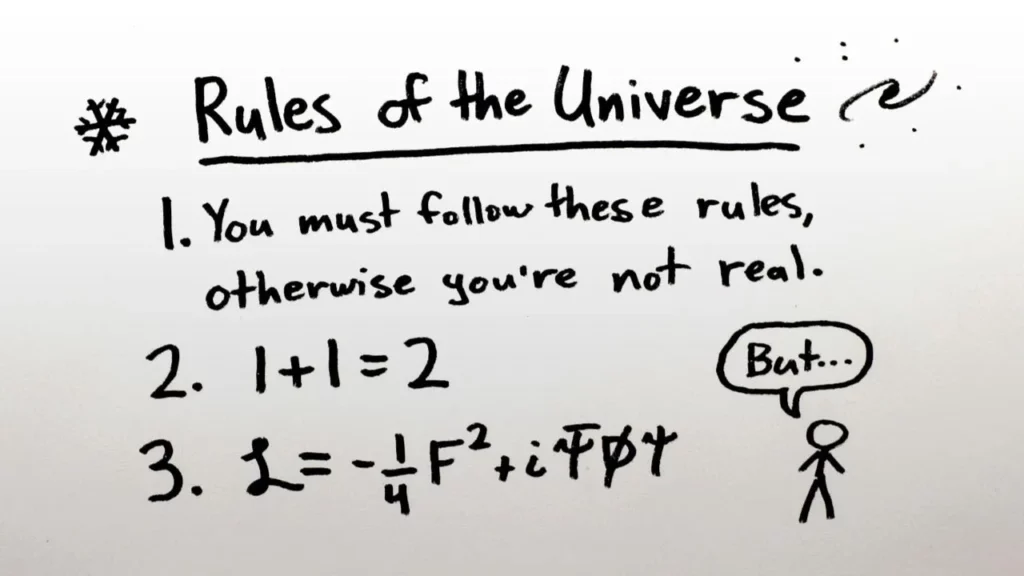
In today’s lesson, we explored a whimsical letter to the Universe from Henry, who expresses his admiration for its endless wonders and the laws of nature that govern it. He highlights the importance of scientific inquiry in understanding the Universe, emphasizing that while some ideas may be proven wrong, others can lead to groundbreaking discoveries. Ultimately, Henry celebrates the beauty and mystery of the Universe, encouraging us to remain curious and open to exploration.