
Einstein and The Special Theory of Relativity
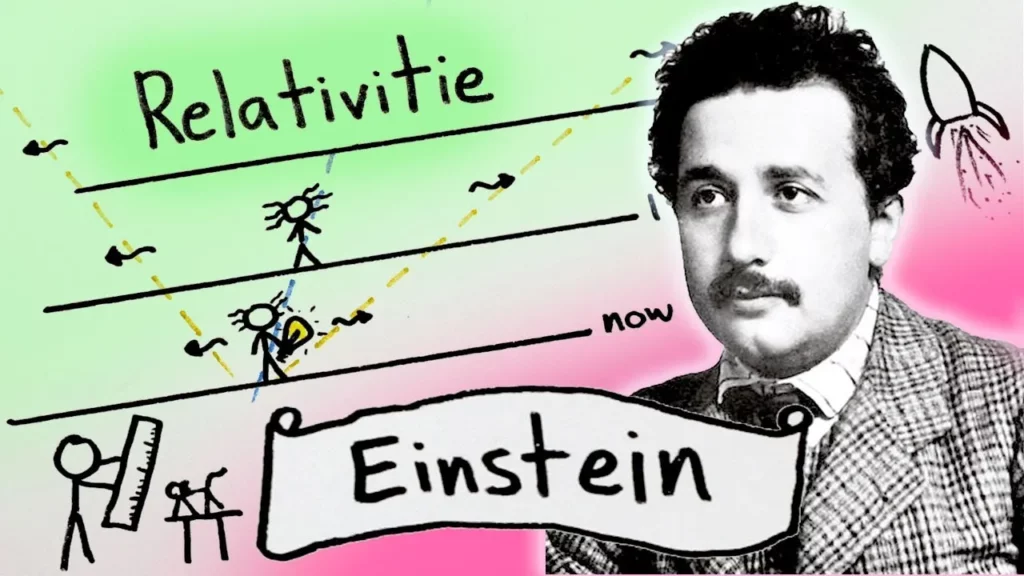
The lesson explores the challenges faced by early 20th-century physics, particularly regarding the concepts of motion and the constancy of light speed, using a cat as a relatable example. It highlights Einstein’s revolutionary insight that time is relative, allowing for the reconciliation of movement and the unchanging speed of light, a concept initially hinted at by physicist Lorentz. This shift in understanding fundamentally transformed our perception of the universe and established the groundwork for modern physics.
2011 Nobel Prize: Dark Energy feat. Sean Carroll
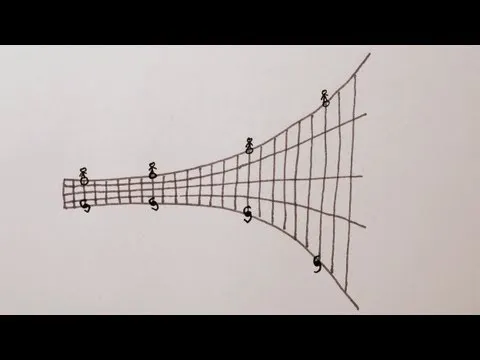
The lesson explores the concept of the expanding universe, highlighting that galaxies are moving away from each other at an accelerating rate, a phenomenon discovered in 1998. This unexpected acceleration is thought to be driven by dark energy, a form of vacuum energy that exerts a repulsive force, leading to the continuous expansion of space. The implications of this discovery challenge existing theories and suggest a future where the universe becomes increasingly isolated and empty.
Taming Infinity

The lesson explores the concept of divergent series, particularly how they can yield surprising results, such as the series 1+2+4+8+16 equating to negative one. It highlights the challenges faced in physics, especially in quantum field theory, where complex problems often lead to infinite sums outside the area of convergence. Despite these challenges, physicists have developed methods to extract meaningful solutions from these divergent series, enabling them to make highly accurate predictions that align with experimental data, illustrating the vital connection between mathematics and physics.
How to Turn Sound Into Light: Sonoluminescence

The lesson explores the intriguing phenomenon of snapping shrimps, particularly pistol and mantis shrimps, which create sound and light through a process called cavitation when they snap their claws. This leads to the phenomenon of sonoluminescence, where collapsing bubbles emit brief, high-energy flashes of light, raising questions about the underlying mechanisms that produce such intense heat and illumination. Despite being replicable in laboratory settings, the exact science behind sonoluminescence remains partially unexplained, inviting further exploration and curiosity in the scientific community.
Which Planet Has the Best Eclipse?
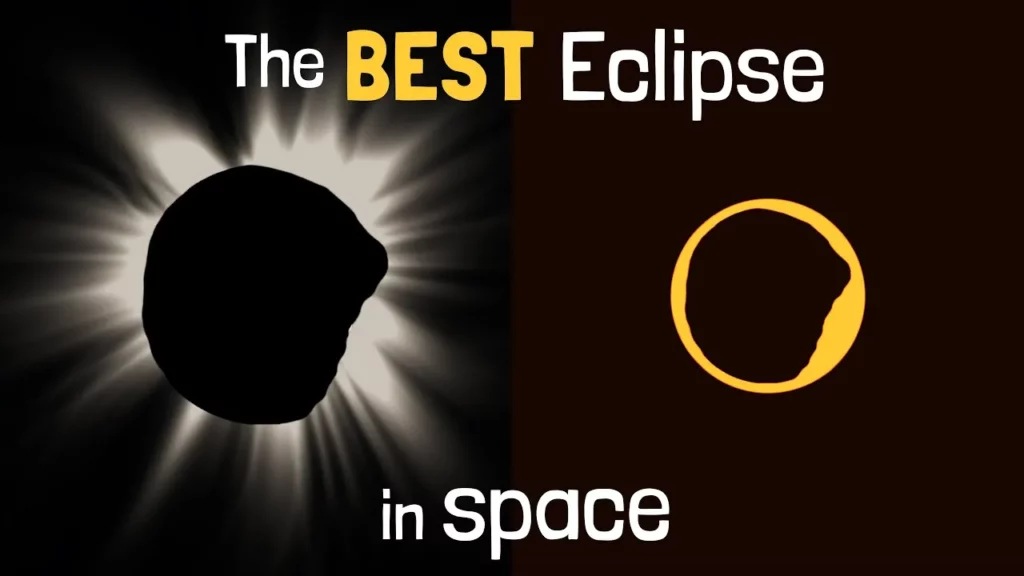
The lesson explores solar eclipses throughout the solar system, highlighting that while Earth’s total solar eclipses are the most spectacular, other celestial bodies also experience unique eclipse phenomena. For instance, Mars has partial eclipses due to its small moons, while Jupiter and Saturn showcase more dramatic eclipses thanks to their numerous moons. Overall, the lesson emphasizes the diversity of eclipse experiences across different planets and moons, each offering a distinct view of this cosmic event.
Misconceptions Footnote †: Randomness and Feedback
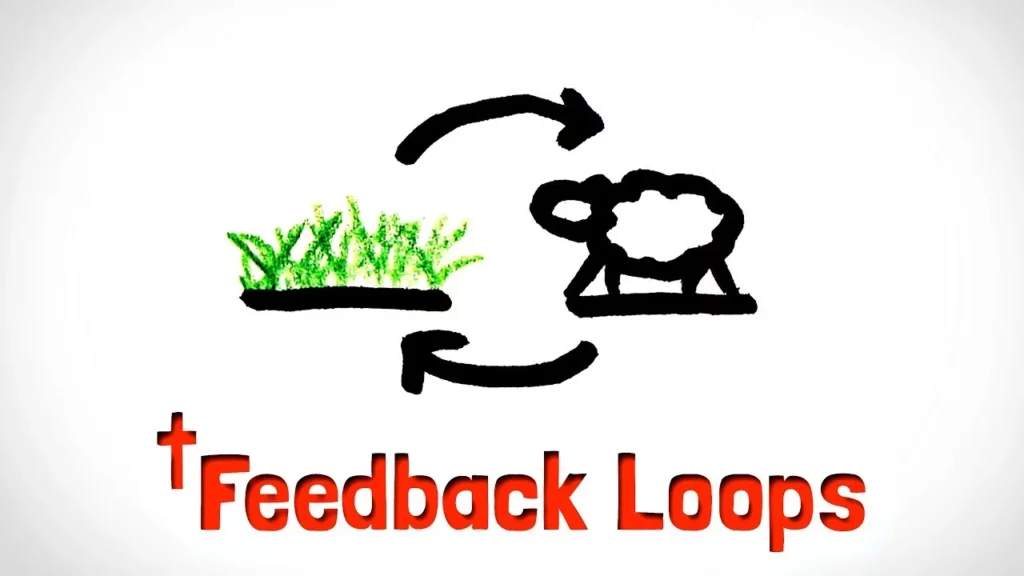
The lesson emphasizes the distinction between correlation and causation in data analysis, highlighting that not all correlations indicate a direct cause-and-effect relationship. It introduces the concept of spurious correlations, which arise from random coincidences, and cautions against misinterpreting these relationships. Additionally, it clarifies the nature of feedback loops, presenting them as linear chain reactions rather than true loops, underscoring the importance of careful interpretation in data analysis to avoid misleading conclusions.
Spacetime Intervals: Not EVERYTHING is Relative | Special Relativity Ch. 7
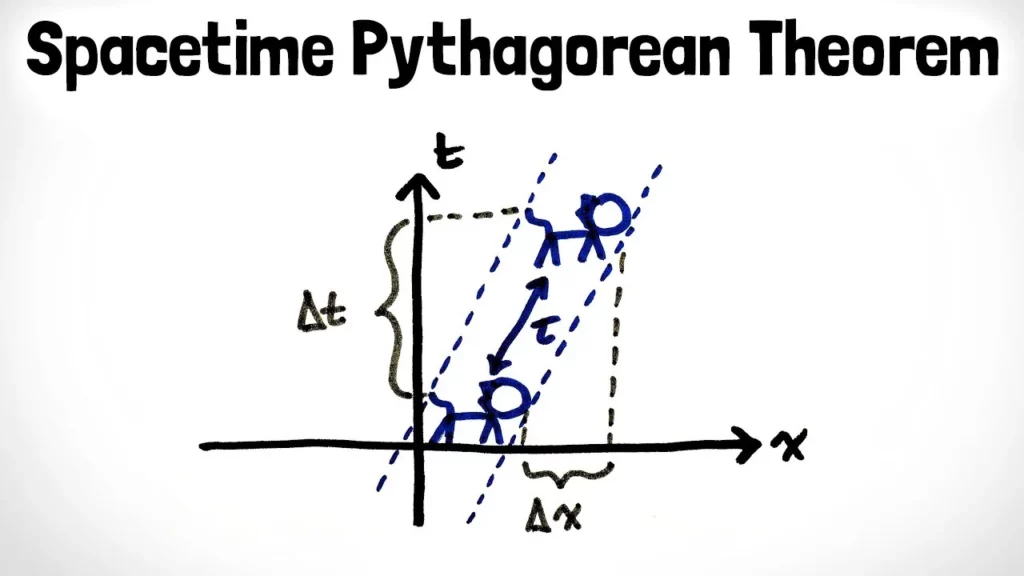
The lesson on “Understanding Relativity: A New Perspective on Space and Time” explores how relativity challenges traditional notions of length and time by demonstrating that these measurements are not absolute but depend on the observer’s perspective. It introduces the concept of proper length and proper time, which can be calculated using a spacetime version of the Pythagorean theorem, allowing for consistent measurements across different moving perspectives. The lesson emphasizes the importance of the speed of light as a constant and encourages further exploration of these concepts through practical applications.
Round Triangles!

The lesson explores the concept of roundness, emphasizing that it encompasses more than just circles and spheres. It introduces the idea of “sphericity,” which relates to how well a shape encloses volume, and discusses the importance of rolling, highlighting shapes of constant width like the Reuleaux rotor. The lesson concludes by illustrating the distinction between being “round” and “rounded,” using examples such as certain British coins to demonstrate the practical applications of these geometric principles.
Ye Olde Debunking

The lesson explores the origins of the quirky “Ye Olde” signs, revealing that the “Y” actually represents the Old English letter “thorn,” which was used to denote the “th” sound in words like “the.” As printing technology evolved, the thorn letter fell out of use, leading printers to substitute “Y” for “th” due to its visual similarity, resulting in the playful yet historically inaccurate spelling we see today. Ultimately, these signs reflect a fascinating blend of linguistic history and printing practices.
GPS, relativity, and nuclear detection
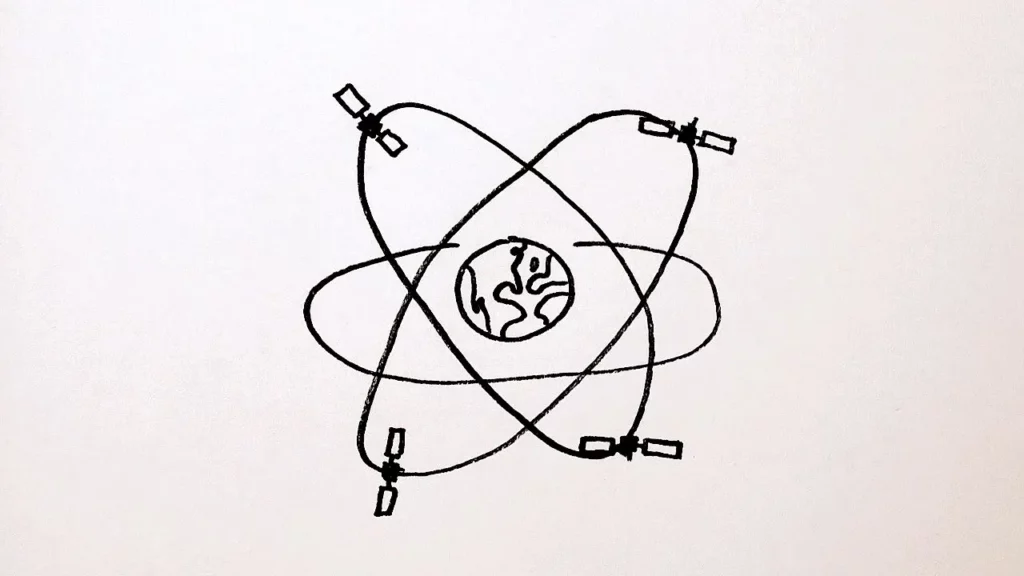
The lesson explores the intricacies of the Global Positioning System (GPS), highlighting its reliance on a network of satellites that function as precise clocks to determine location through time and space. It delves into the scientific principles, particularly Einstein’s theories of relativity, that ensure GPS accuracy and discusses its additional role in detecting nuclear detonations. Ultimately, the lesson emphasizes that GPS is not just a navigation tool but a remarkable integration of technology and physics that enhances our safety and connectivity.