
The Sound of Hydrogen
In this lesson, we explore the concept of “listening” to hydrogen, the most abundant element in the universe, by transforming its atomic spectrum into sound waves. While hydrogen itself does not produce sound, scientists can convert its specific frequencies into audible tones, allowing us to experience this fundamental element in a unique way. This innovative approach highlights the intersection of science and art, showcasing how we can deepen our understanding of the universe through creative methods.
How far is a second?

The lesson “Understanding Distance Through Time” explores the concept of measuring distances using time, illustrating how we often describe distances in terms of travel duration rather than traditional units like miles or kilometers. It highlights that this method is prevalent in everyday life, as we relate distances to the time it takes to travel them by various means, such as cars or planes. Additionally, the lesson emphasizes the reciprocal nature of this relationship, where time can also be measured in terms of distance, showcasing the practical and relatable ways we understand and communicate about distance.
Albert Einstein: Why Light is Quantum
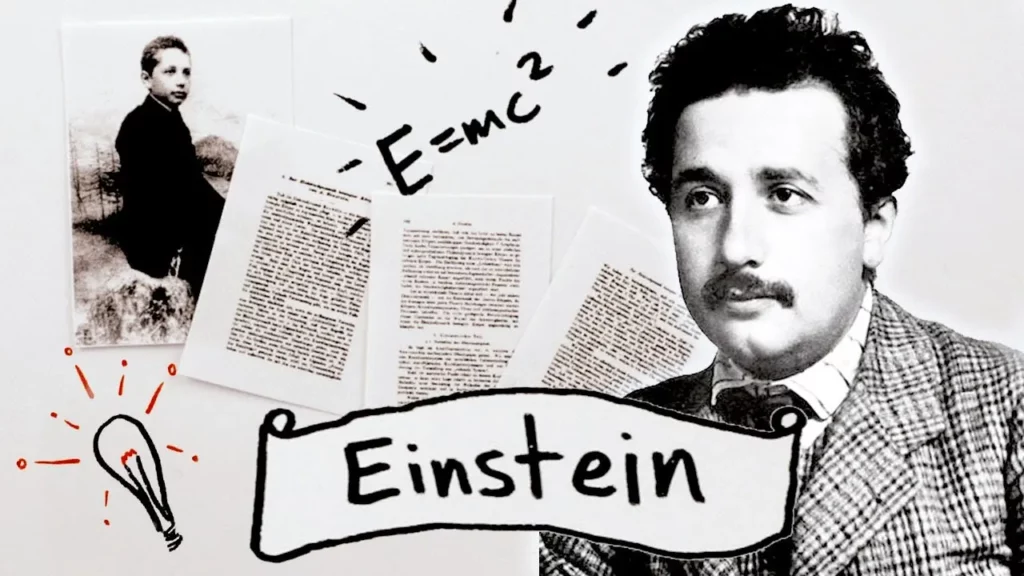
In 1905, Albert Einstein introduced the revolutionary idea that light is composed of particles, challenging the prevailing belief that it was a continuous wave. His observations regarding the energy distribution of light led him to propose the existence of “light-quanta,” which helped explain phenomena such as the photoelectric effect. This groundbreaking concept not only earned him a Nobel Prize but also laid the foundation for quantum mechanics, fundamentally altering our understanding of the universe.
Why The Full Moon is Better in Winter

The lesson highlights the unique beauty of winter, emphasizing the role of the Earth’s tilt in creating the season and the enchanting experience of full moons during this time. As the Earth tilts away from the sun, winter nights are illuminated by the full moon, which rises at sunset and sets at sunrise, creating a magical atmosphere perfect for winter activities. This combination of seasonal changes and lunar phases makes winter a special time to appreciate the natural world.
How Long Is A Day On The Sun?
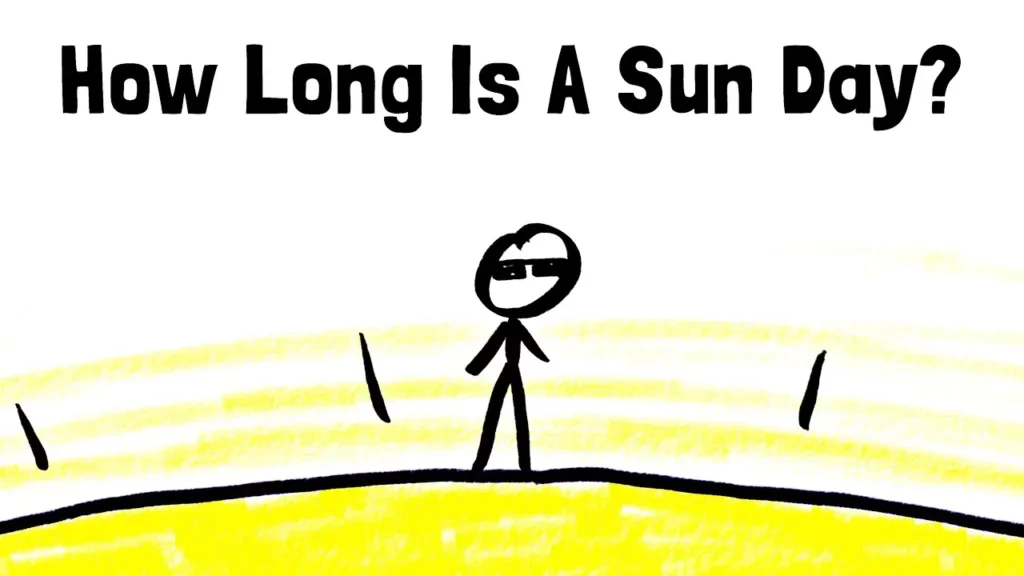
In this lesson, we explore the concept of a “day” on the Sun, highlighting that it can be defined in various ways. One definition considers the Sun’s rotation relative to distant stars, with different rotation speeds at the equator and poles, while another approach looks at the duration in seconds, influenced by gravitational time dilation. Ultimately, the lesson emphasizes that understanding a day on the Sun requires considering multiple perspectives, each revealing unique aspects of the Sun’s characteristics.
The Hairy Ball Theorem
The Hairy Ball Theorem illustrates that it’s impossible to comb the hair on a sphere flat without encountering at least one point where the hair sticks up, highlighting a fundamental limitation in three-dimensional spaces. This theorem has real-world implications, such as the understanding of wind velocity on Earth, where there will always be a location with no wind. Ultimately, the theorem serves as a playful yet profound reminder of the boundaries within mathematics and its applications in reality.
Why You Should Care About Nukes

In his discussion, physicist Max Tegmark highlights the ongoing threat of nuclear weapons, emphasizing that the most significant danger lies in the potential for a catastrophic nuclear winter rather than immediate destruction. He warns that even a limited number of nuclear explosions could lead to global climate disruption and widespread famine, threatening humanity’s survival. Tegmark advocates for reducing nuclear arsenals and encourages individuals to take action by divesting from companies involved in nuclear weapons production to help mitigate this pressing issue.
Footnote †: Double Pendulums Are Crazy

The lesson explores the concept of superposition in physics using the analogy of two pendulums connected by a spring. When one pendulum is pushed, it creates a superposition of states that initially cancels out the motion of the second pendulum, leading to a dynamic oscillation between the two. This behavior mirrors the oscillation and identity swapping of neutrinos in quantum mechanics, illustrating the interconnectedness of different physical phenomena and enhancing our understanding of particle physics.
Legitimate Cold Fusion Exists | Muon-Catalyzed Fusion
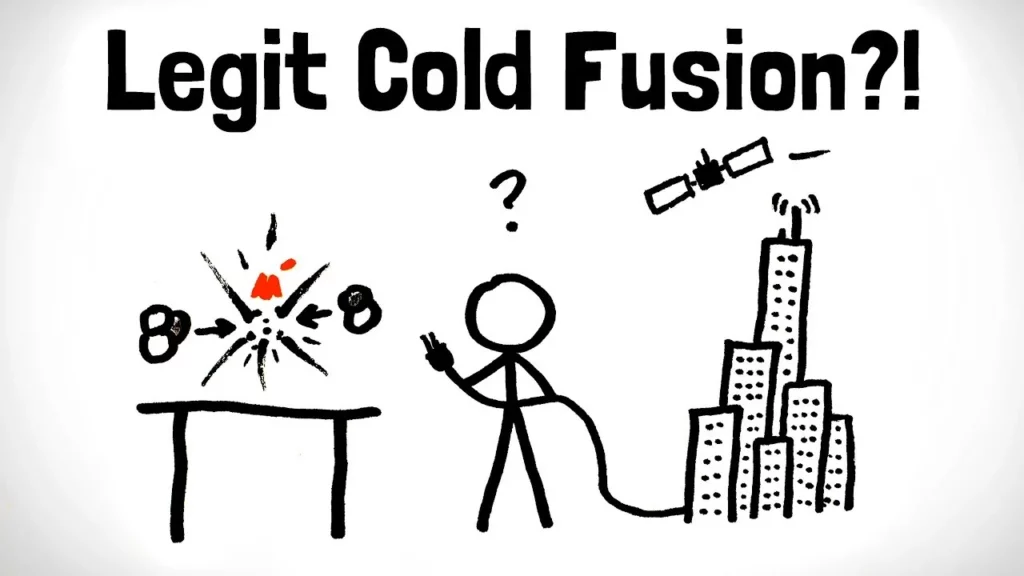
The lesson explores the concept of room-temperature nuclear fusion facilitated by muons, which are heavier cousins of electrons that can bring atomic nuclei closer together, increasing the likelihood of fusion at lower temperatures. Despite its intriguing potential, muon-facilitated fusion faces significant challenges, including the short lifespan of muons and the high energy costs associated with their production, making it currently impractical as a viable energy source. Future advancements are needed to improve muon production and efficiency for this process to become a feasible solution for energy generation.
MAGNETS: How Do They Work?
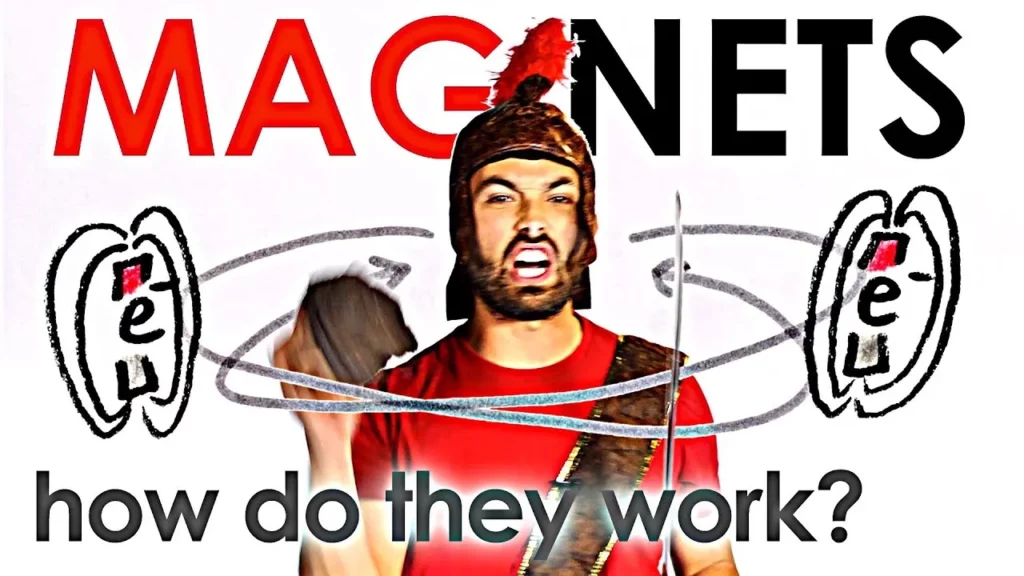
The lesson explores the intriguing phenomenon of magnetism, explaining how certain materials like iron can attract each other due to their ability to generate magnetic fields. It delves into the role of electrons and atomic structure in creating these fields, highlighting the importance of unpaired electrons and the alignment of magnetic domains in ferromagnetic materials. Ultimately, the lesson reveals the quantum nature of magnetism and its connection to electricity, providing a foundational understanding of why only specific materials exhibit magnetic properties.