
Why Do Compressed Air Cans Get Cold?
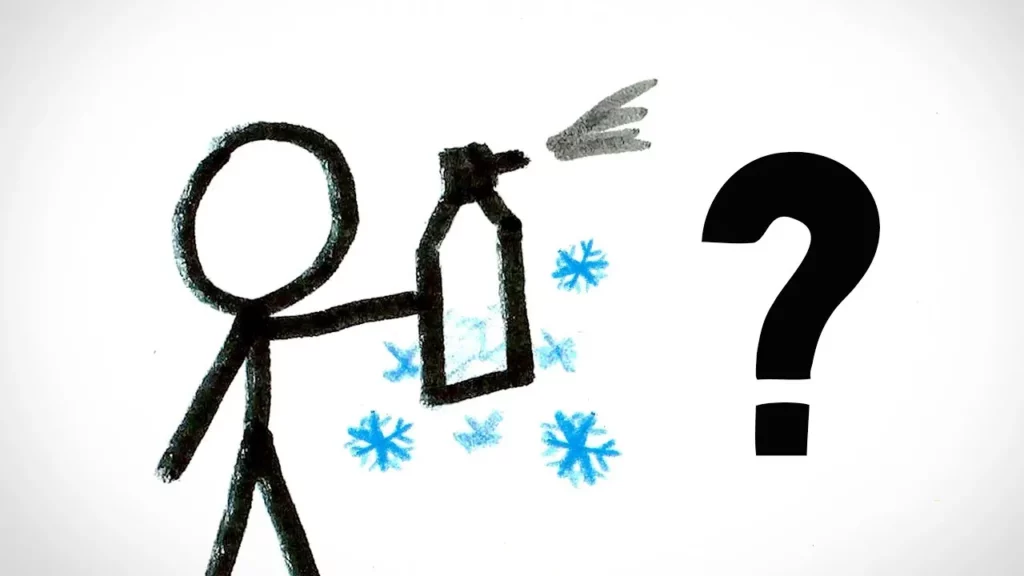
The lesson explains why cans of compressed air become cold when used, attributing this phenomenon to the properties of the liquid 1,1-difluoroethane inside the can. As the gas is released through a small valve, the pressure drops, causing more of the liquid to evaporate into gas, which cools the remaining liquid significantly, similar to the cooling effect of sweat evaporation. This process illustrates the principles of gas expansion and pressure changes in everyday physics.
Immovable Object vs. Unstoppable Force – Which Wins?

The lesson explores the paradox of the immovable object and the unstoppable force, revealing that both concepts are fundamentally flawed within the framework of physics. According to the theory of relativity, what appears immovable in one frame of reference can be moving in another, while an unstoppable force essentially equates to an un-acceleratable object, which cannot exist in reality due to the constraints of mass and energy. Ultimately, the discussion emphasizes the importance of understanding these concepts as theoretical explorations rather than definitive realities, highlighting the intriguing complexities of physics and the universe.
Our Ignorance About Gravity
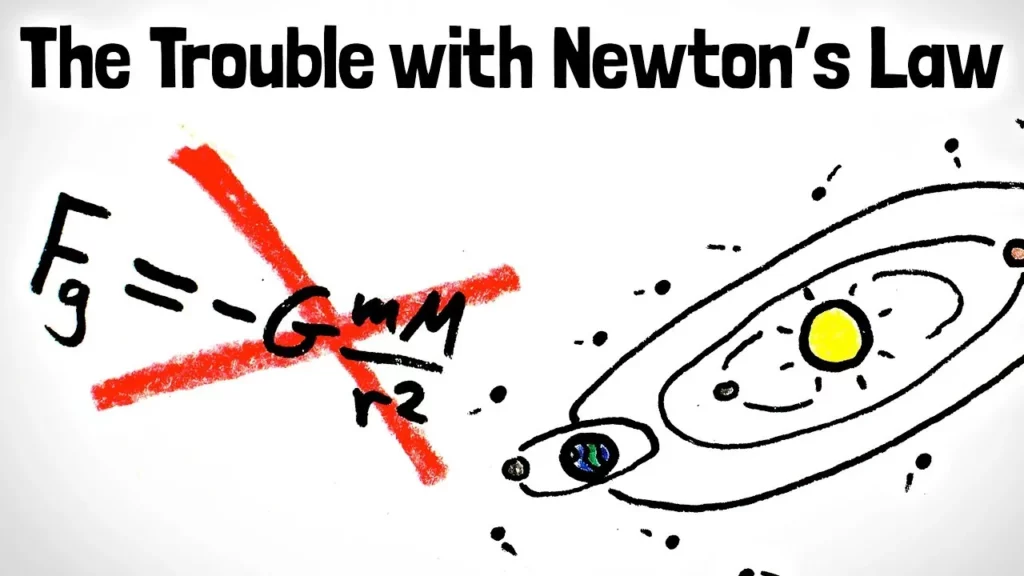
The lesson on gravity explores the foundational principles of Newton’s law of universal gravitation, highlighting its effectiveness in predicting celestial movements while acknowledging its limitations under extreme conditions and at small scales. It discusses the challenges of measuring weak gravitational forces and the potential for new theories, such as the existence of extra dimensions, to explain gravity’s behavior at microscopic levels. Ongoing research aims to refine our understanding of gravity, particularly in contexts where Newton’s law may not apply.
Tutorial: Rocket Science! (plus special announcement)
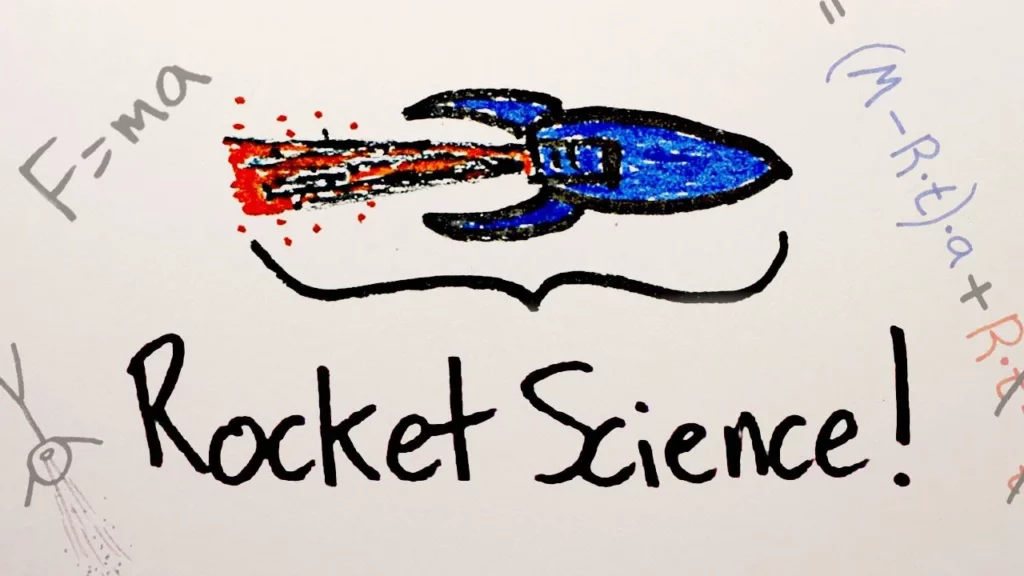
This lesson provides a simplified overview of basic rocket science, focusing on the dynamics of rocket propulsion and the role of fuel ejection. It explains key concepts such as the relationship between mass, force, and acceleration, and how rockets overcome gravity by expelling fuel to generate upward thrust. The lesson also includes practical applications, like calculating the volume of exhaust needed for hovering, making the topic engaging and accessible for Grade 12 learners.
Hardy’s Paradox | Quantum Double Double Slit Experiment
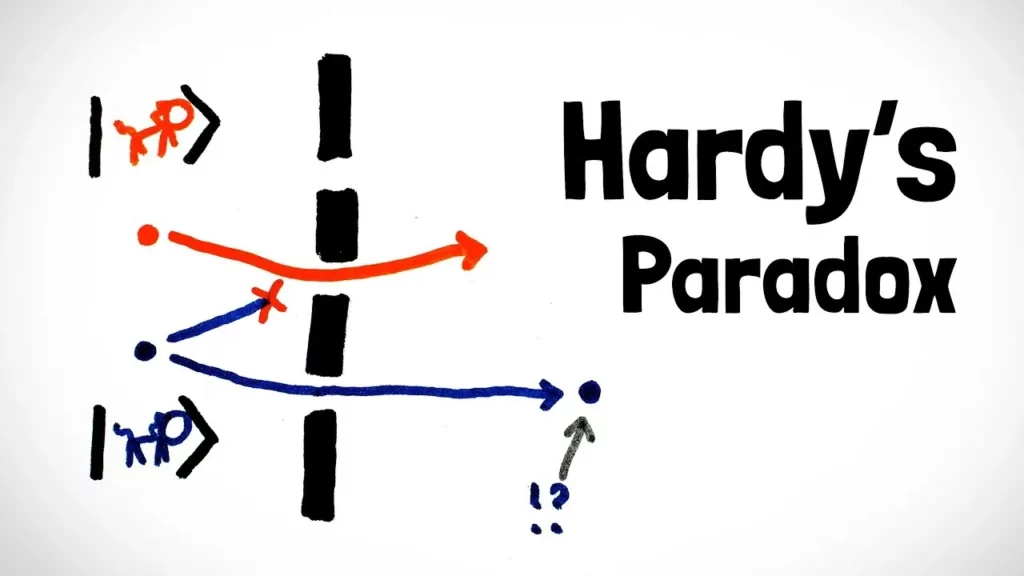
The lesson explores the double-slit experiment using a playful analogy involving cats to illustrate quantum behavior and interference patterns. By introducing a second cat and examining their interactions, it highlights the concept of quantum superposition and the paradoxes that arise when both cats attempt to pass through the slits simultaneously, challenging our understanding of local realism in quantum mechanics. Ultimately, the experiment underscores the strange yet fascinating principles of quantum physics, encouraging further exploration of these concepts.
Impossible Muons
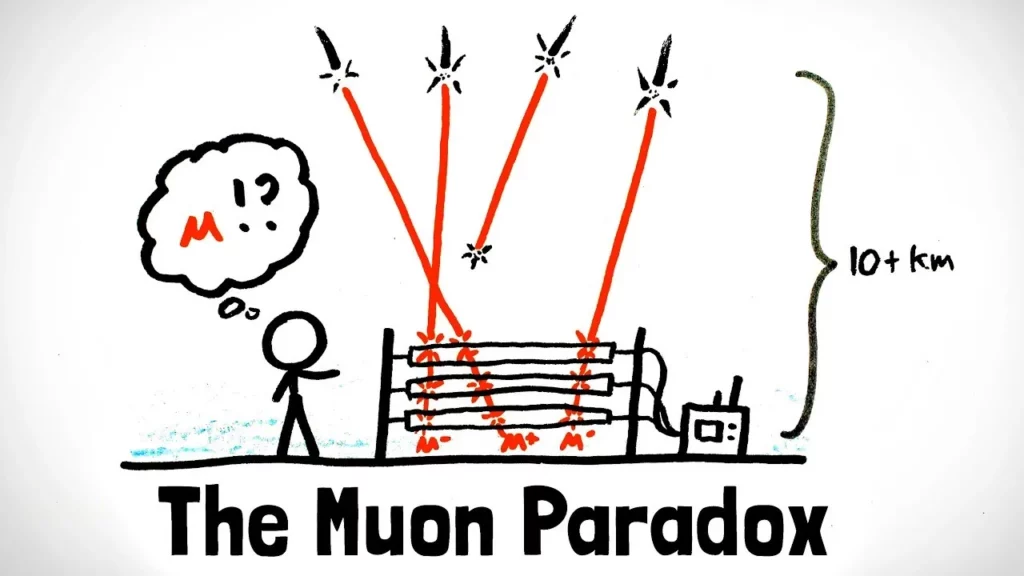
This lesson explores the phenomenon of cosmic rays and their interaction with the Earth’s atmosphere, particularly focusing on the creation and behavior of muons. It highlights how muons, despite their short half-life, can reach the Earth’s surface due to the effects of time dilation and relativistic length contraction as described by Einstein’s theory of special relativity. The detection of these muons serves as experimental evidence for these relativistic effects, illustrating the fascinating interplay between high-speed particles and the fundamental principles of physics.
The Black Hole Tipping Point

The lesson on black holes explores their formation, properties, and the concept of the Schwarzschild radius, which defines the boundary beyond which nothing can escape a black hole’s gravitational pull. It explains that black holes can form through the compression of matter or by accumulating mass until reaching a critical density, with neutron stars being a potential precursor to black holes. The lesson also includes a fun perspective on calculating the Schwarzschild radius for various objects, emphasizing the theoretical nature of these calculations and encouraging further exploration through interactive resources.
Another Portal Paradox
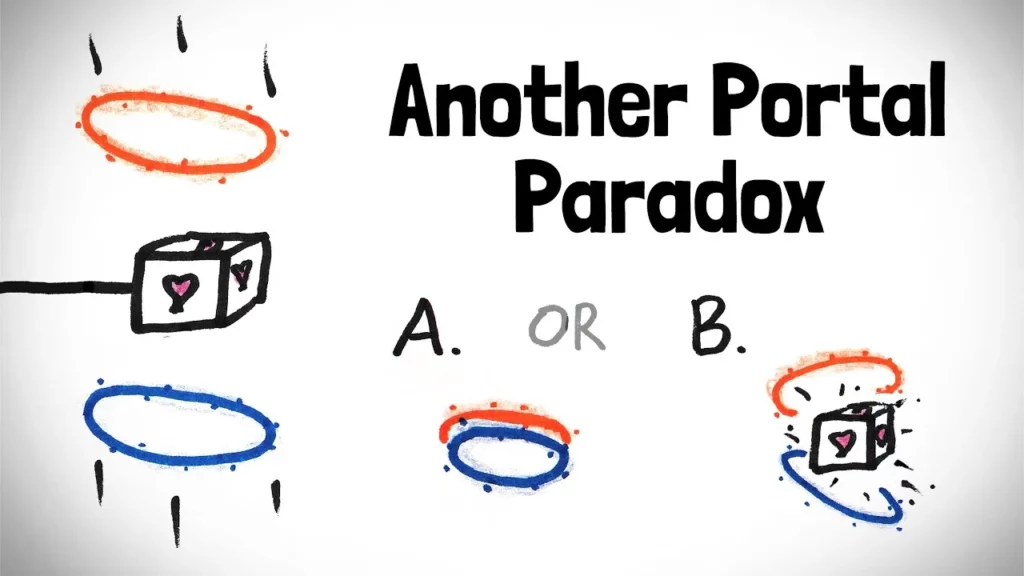
The lesson explores the intriguing paradoxes presented in the video game *Portal*, which utilizes a fictional device to create portals that connect different surfaces, leading to unique thought experiments about physics. Two notable paradoxes discussed are the “Portal Stopping Halfway,” which examines the effects on an object when a portal halts midway through it, and the “Sandwich Portal,” which considers the implications of placing an object between two portals. These scenarios challenge our understanding of motion and force while encouraging further exploration of scientific concepts.
Should You Walk or Run When It’s Cold?
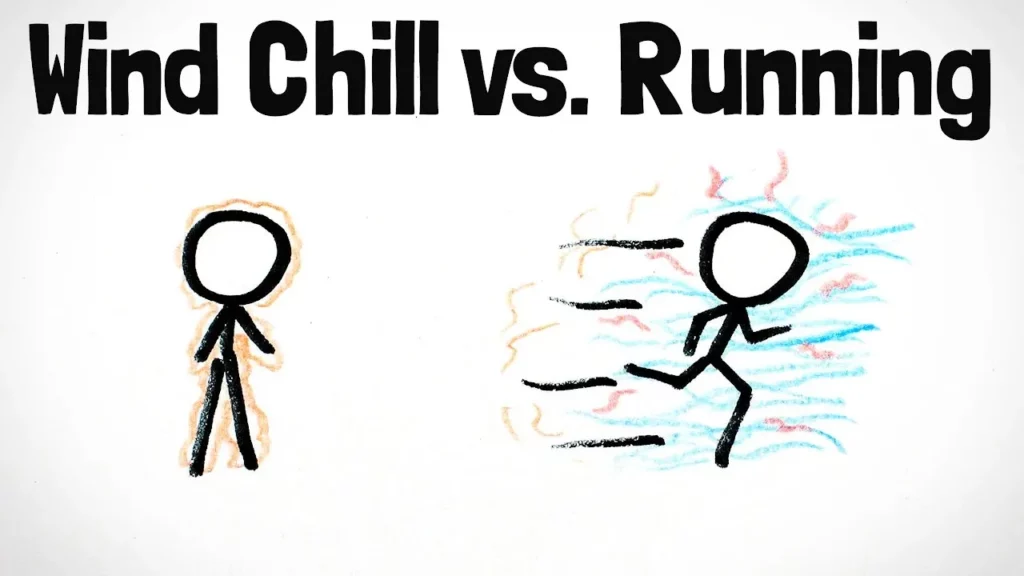
In this lesson, we explore the best strategies for staying warm in cold conditions, particularly when faced with the choice of running or remaining still. While standing still can help maintain a warm layer of air around the body, moving too slowly can lead to greater heat loss due to wind exposure. The ideal solution is to run at a speed that generates enough body heat to offset heat loss, but for most people, wearing adequate warm clothing and maintaining a brisk walking pace is a more practical approach to staying warm.
Simpson’s Paradox
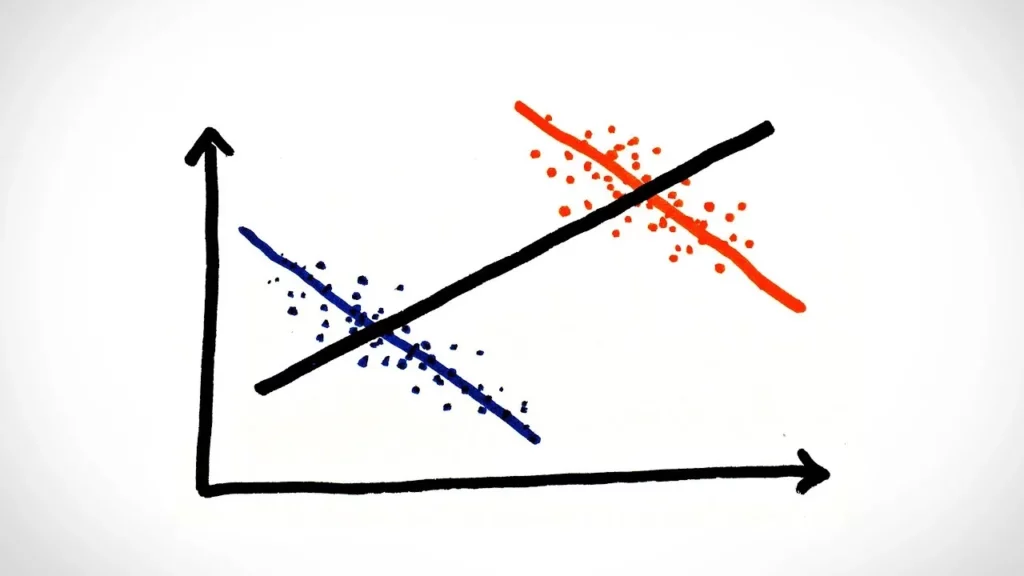
The lesson on Simpson’s Paradox illustrates how aggregated data can lead to misleading conclusions about the effectiveness of treatments or programs. By examining a scenario involving treated and untreated cats and humans, it reveals that while individual groups may show positive outcomes, the overall data can suggest the opposite, highlighting the importance of context and causality in statistical analysis. Understanding these complexities is crucial for accurate interpretation of statistics, emphasizing the need for critical thinking and awareness of potential biases in real-world scenarios.