
But What IS A Lens Flare?
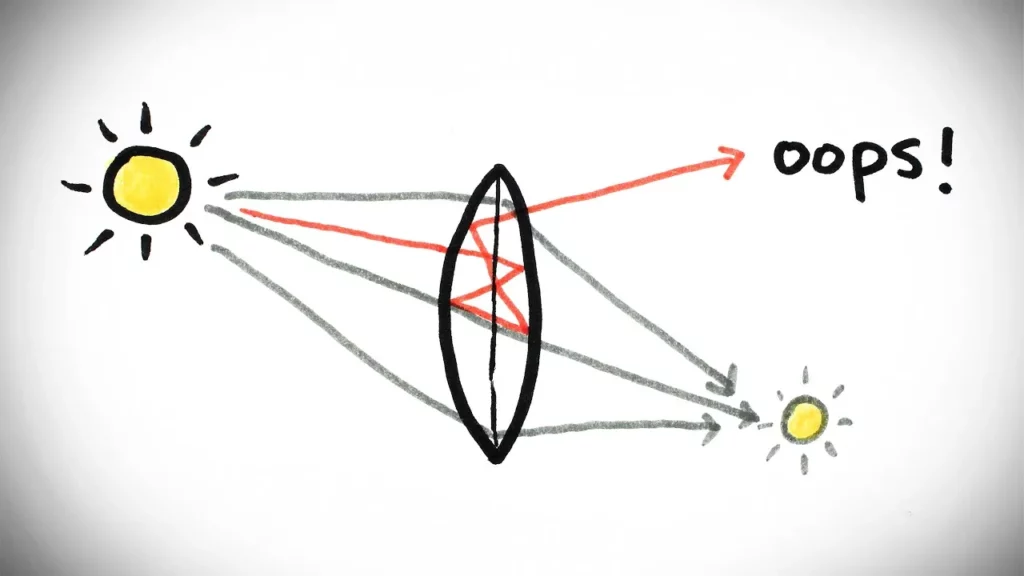
The lesson explains the phenomenon of lens flares, particularly in the context of solar eclipse photography. Lens flares occur due to optical defects in camera lenses, causing unexpected glows or streaks when capturing bright light sources like the sun. During a solar eclipse, these flares can create interesting images that may resemble the eclipsed sun, allowing photographers to capture the event without special filters, while also emphasizing the importance of proper eye protection when observing the sun.
A Better Way To Picture Atoms
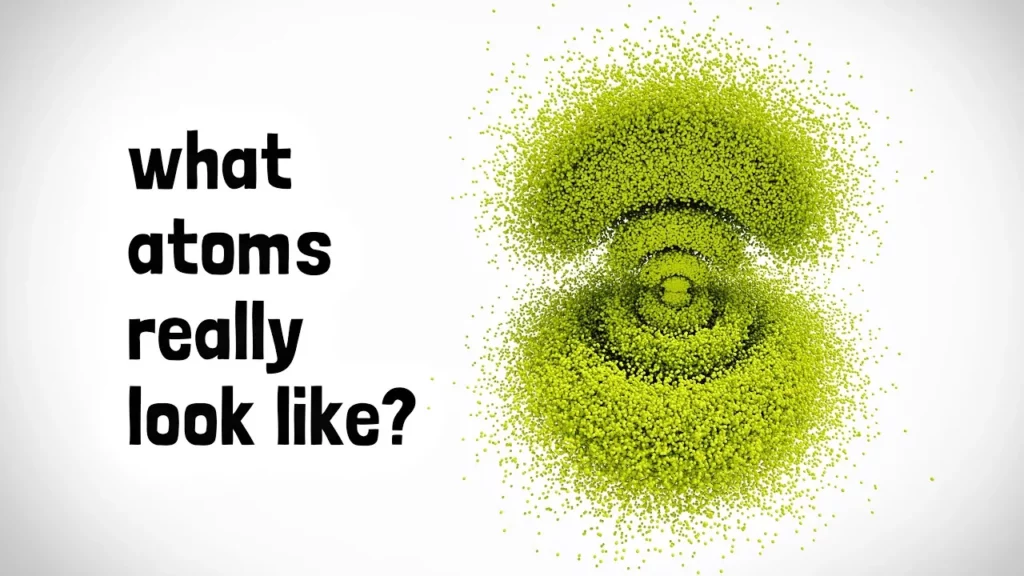
The lesson “Understanding Atomic Orbitals: A Visual Journey” explores the complexities of atomic orbitals, contrasting simplistic cartoon diagrams with more accurate yet abstract representations. It emphasizes the importance of visualizing atomic structures in a way that reflects their true nature, using concepts from quantum mechanics to illustrate the behavior of electrons as guided by wavefunctions. The lesson also highlights the aesthetic beauty of 3D orbital visuals while explaining the significance of features like density and color, which represent the probability of finding electrons and the phase of the wavefunction, respectively.
Geosynchronous Orbits are WEIRD
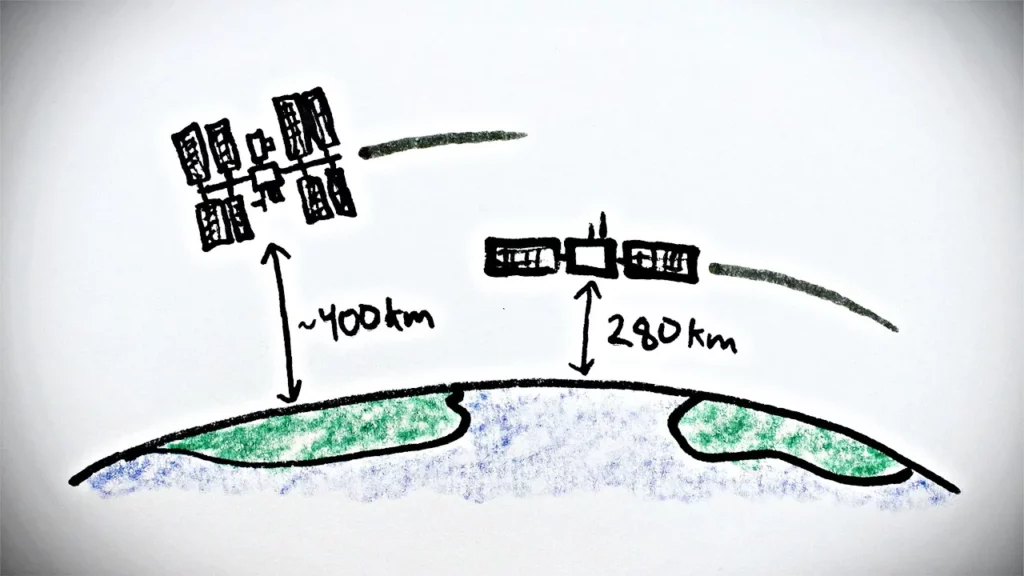
The lesson on geosynchronous orbits explains how satellites in these orbits appear to remain stationary relative to the Earth’s surface due to their synchronization with Earth’s rotation. It distinguishes between geosynchronous and geostationary orbits, emphasizing the practical benefits of these orbits for communication, while also addressing the challenges posed by varying planetary rotation speeds. Ultimately, the lesson illustrates the intricate relationship between physics and technology that allows for effective satellite communication.
The Portal Paradox
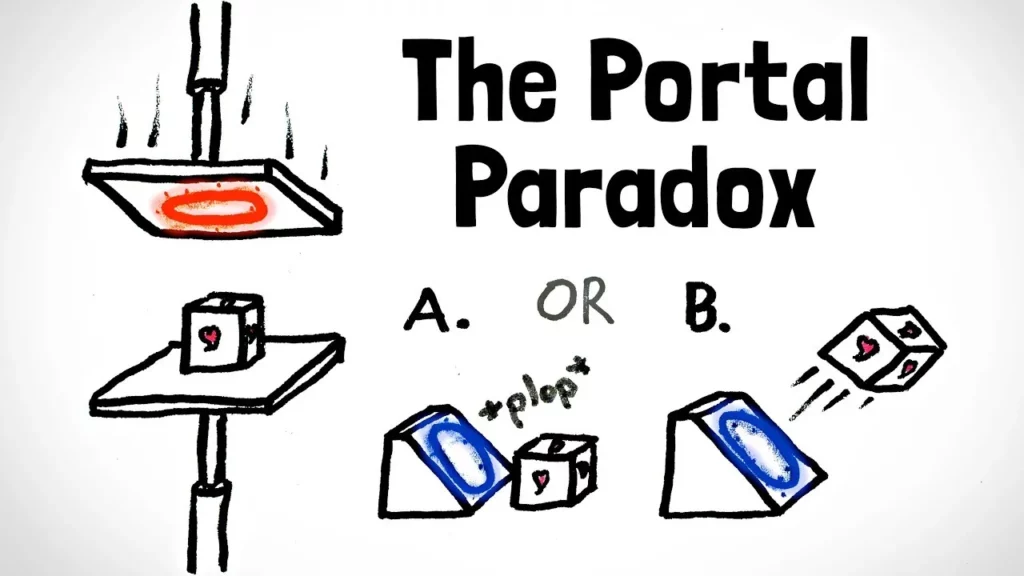
The lesson explores the intriguing physics behind the video game *Portal*, specifically the implications of moving portals on the speed of objects passing through them. It presents a thought-provoking puzzle regarding how speed is measured in relation to moving portals, discussing various perspectives on relative speed and the programming choices that influence gameplay. Ultimately, the lesson emphasizes that the resolution of the “portal paradox” is subjective, depending on whether one approaches it from a scientific or programming standpoint, while also encouraging creative thinking about motion and physics in fictional contexts.
Why It’s Impossible to Tune a Piano
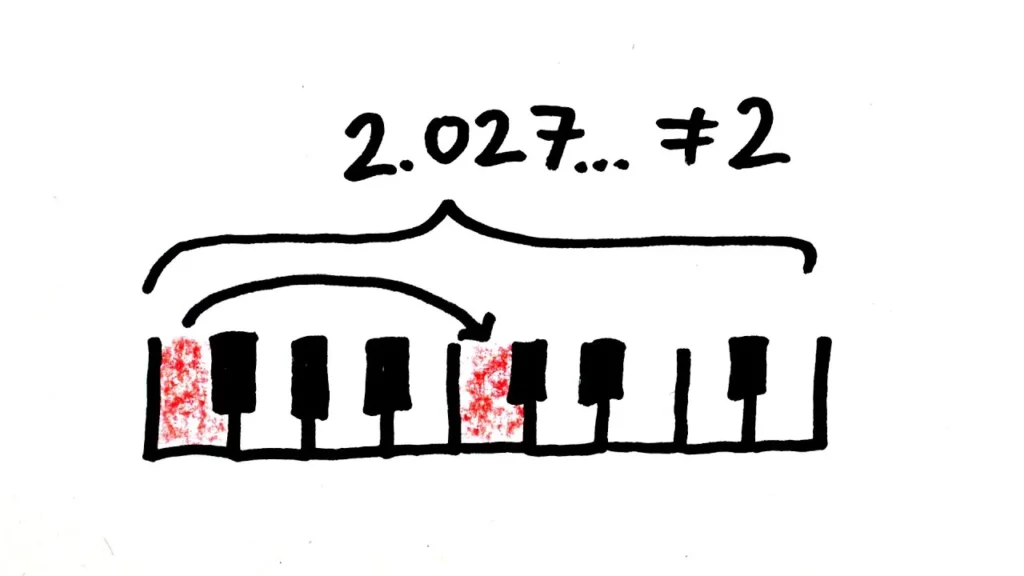
The lesson explores the science of musical harmony, focusing on the relationship between vibrations, harmonics, and tuning in musical instruments. It explains how the frequency of a string’s vibration correlates with pitch and introduces the concept of harmonics, which form the basis of musical scales and tuning methods. The lesson concludes by discussing equal tempered tuning as a modern solution to the challenges of achieving perfect harmony across all keys, highlighting its significance in contemporary music.
The Man Who Corrected Einstein
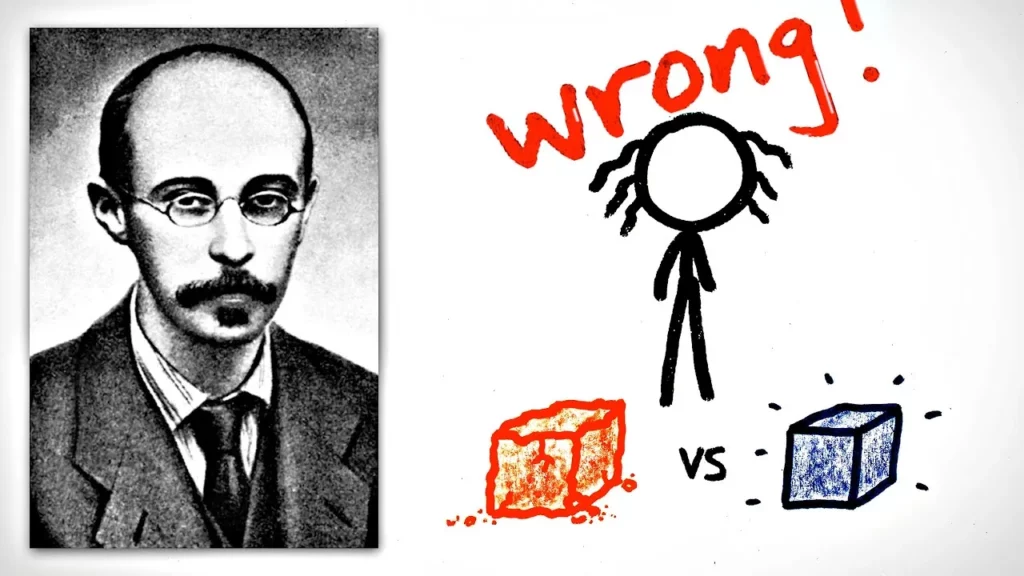
The lesson on “Einstein’s Quest for Understanding the Universe” explores Albert Einstein’s development of General Relativity and his groundbreaking predictions about gravity and the cosmos, including the bending of starlight and the existence of gravitational waves. It emphasizes the importance of acknowledging mistakes in scientific inquiry, as demonstrated by Einstein’s initial error regarding a static universe, which was later corrected by Alexander Friedmann. Ultimately, the lesson underscores the value of humility, curiosity, and an open-minded approach in the pursuit of knowledge.
Why Do Boats Make This Shape?

The lesson explores the intriguing physics behind water wakes, which are the complex patterns left by objects moving through water, such as ducks, kayaks, and ships. It explains that the consistent shape of these wakes is a result of the dispersion of water waves, where longer waves travel faster than shorter ones, leading to the formation of V-shaped wakes with varying widths depending on the speed of the object. Ultimately, the unique characteristics of water wakes arise from the combination of different wavelengths and their respective speeds, creating beautiful and intricate ripple patterns.
The Origin of Quantum Mechanics (feat. Neil Turok)
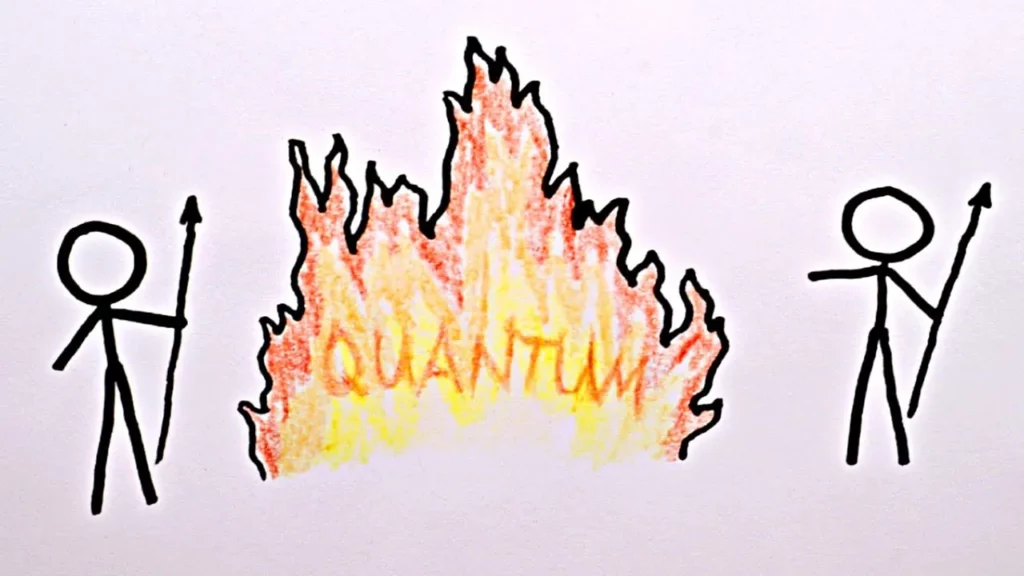
The lesson explores the origins of quantum theory, highlighting how Max Planck’s work on improving light bulb efficiency in the 1890s led to the revolutionary idea that light is emitted in discrete packets of energy, or “quanta.” By analyzing experimental data rather than relying solely on existing theories, Planck discovered that the energy carried by light waves is related to their frequency, fundamentally changing our understanding of light and laying the groundwork for modern quantum mechanics. This insight not only enhanced practical applications like light bulb design but also revealed deeper principles governing the behavior of energy and temperature.
Gravitational Waves Explained Using Stick Figures
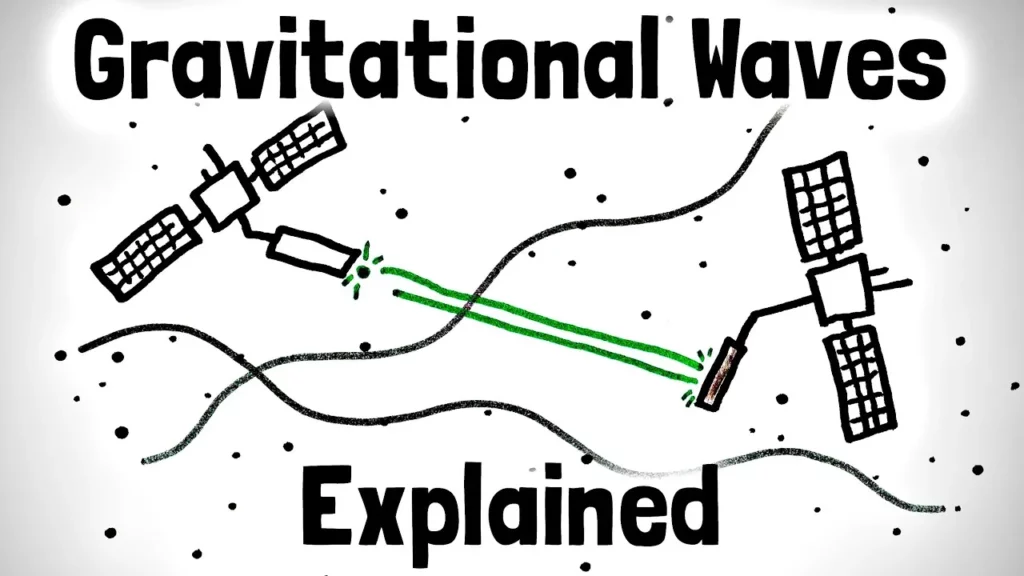
This lesson explores the concept of waves, highlighting their various forms, including water, sound, electromagnetic, and gravitational waves. It explains how gravitational waves are generated by changes in gravitational fields and discusses the challenges of detecting them due to their faintness, requiring advanced technology to observe their effects on nearby objects. Understanding these waves enhances our knowledge of the universe and the fundamental forces at play.
The Color Temperature Paradox
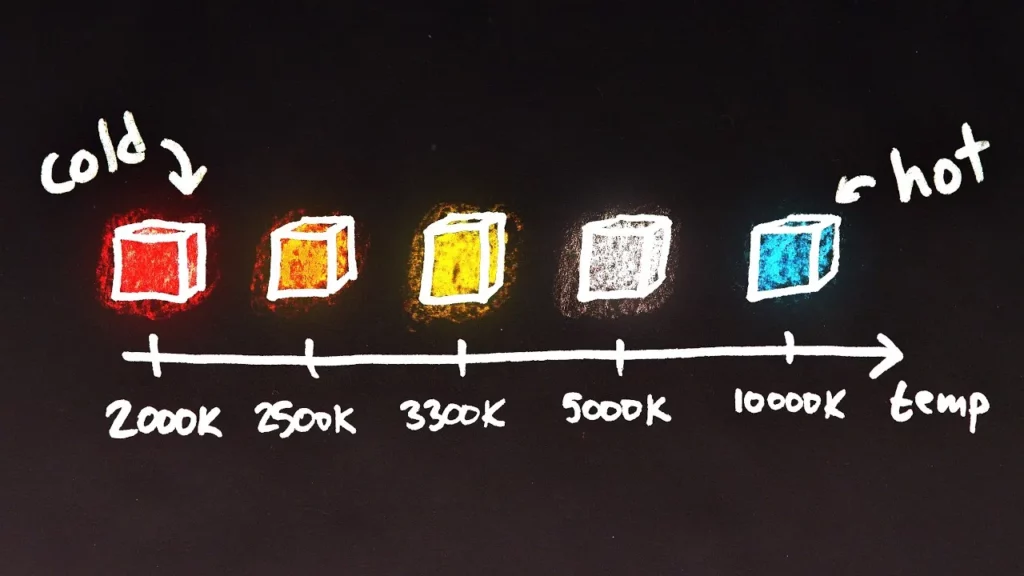
The lesson on “Understanding Color Temperature in Photography” explains how lighting conditions affect the perception of color in photography, emphasizing the importance of color balancing to ensure accurate representation of objects. It introduces the concept of color temperature measured in Kelvin, detailing how different light sources, from incandescent bulbs to daylight, have varying temperatures that influence their color appearance. The lesson also highlights the need for photographers to adjust camera settings to compensate for these variations, ultimately encouraging a rethinking of how color is described in photography beyond just temperature.