
The True Science of Parallel Universes
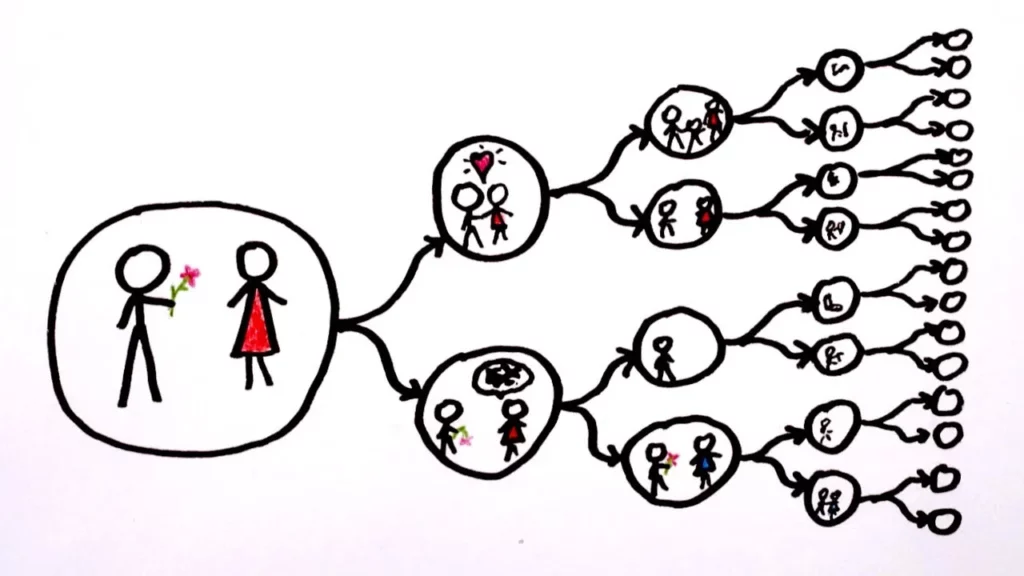
The lesson explores the concept of parallel universes, or the multiverse, which suggests that our universe may be just one of many, each with potentially different physical laws and realities. It discusses three main multiverse models: bubble universes, string theory branes, and the many-worlds interpretation of quantum mechanics, all of which remain speculative without experimental evidence. Ultimately, the lesson emphasizes the importance of scientific inquiry and the need for testable claims in understanding these fascinating yet unconfirmed theories.
The LAST Eclipse in History
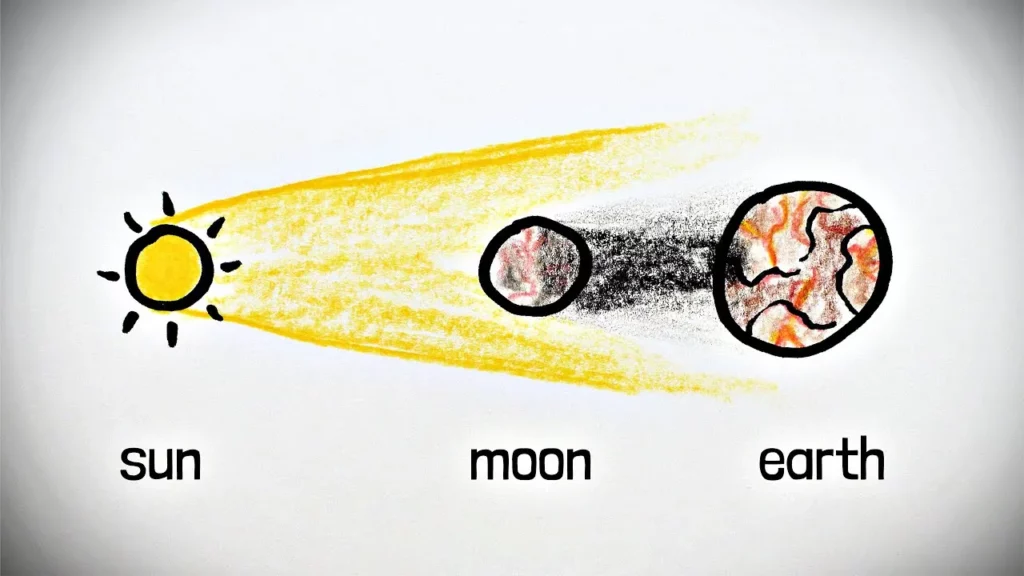
The lesson explores the significance of solar eclipses, highlighting that we are currently in a “golden age” of these celestial events, which are characterized by their rarity and breathtaking beauty. It explains the unique phenomena associated with solar eclipses, such as daytime darkness, the visibility of the sun’s corona, and the fleeting nature of totality, while also discussing the future decline of total eclipses due to the moon’s gradual distancing from Earth. The lesson encourages individuals to appreciate and witness upcoming eclipses, particularly the total solar eclipse on April 8, 2024, as a remarkable opportunity to connect with the universe.
What if you pointed the Hubble telescope at Earth? @xkcd_whatif

The lesson discusses the capabilities and limitations of the Hubble Space Telescope, particularly in relation to capturing images of Earth. It clarifies that the misconception about Earth’s brightness being a barrier is incorrect; instead, the primary challenge lies in Hubble’s inability to quickly track the fast-moving planet, as it was designed for observing distant celestial objects. Ultimately, while Hubble excels in astronomical observations, its design makes it unsuitable for detailed Earth imaging.
Computer Color is Broken
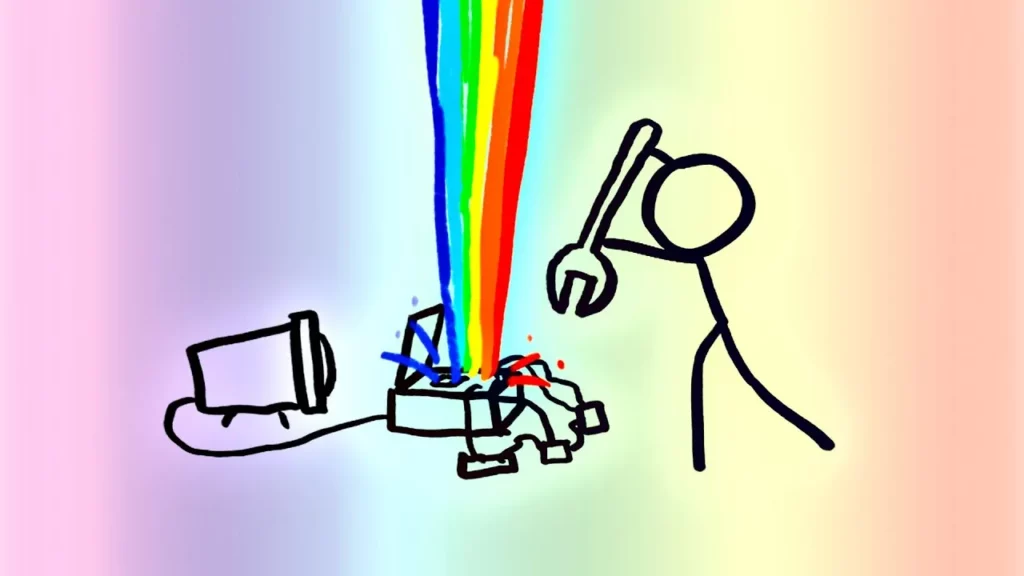
The lesson explores the color blending problem in digital images, highlighting how blurring can lead to undesirable dark boundaries between colors due to the differences in how human vision perceives brightness compared to digital imaging systems. It explains that digital cameras store brightness values using a square root method to mimic human sensitivity to darker scenes, which can cause inaccuracies when averaging colors during image processing. To achieve smoother color transitions, the correct approach involves reversing the square root process before averaging the brightness values, a method often overlooked by common software.
A Polarizing Discovery About the Big Bang!
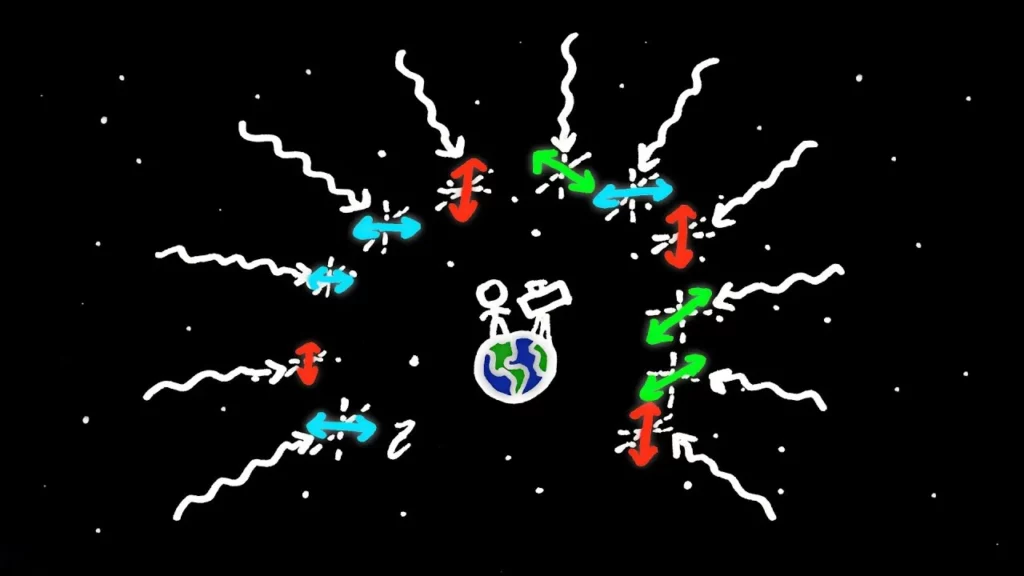
The lesson explores the nature of light and its polarization, highlighting its wave-like behavior and the impact of polarization on phenomena such as glare reduction through sunglasses. It discusses the journey of light in the early universe, where interactions with a hot plasma influenced its polarization, and how studying the polarization of cosmic background radiation can provide insights into the conditions following the Big Bang. The findings from the BICEP telescope reveal significant contributions from gravitational waves, suggesting a quantum mechanical nature of gravity and offering a deeper understanding of the universe’s origins.
Why Do Eclipses Travel WEST to EAST?

Solar eclipses move from west to east due to the relative speeds of the moon’s shadow and the Earth’s rotation. While both the Earth and the moon rotate counterclockwise, the moon’s shadow travels at over 2,000 miles per hour, outpacing the Earth’s surface movement of about 1,000 miles per hour at the equator. This difference in speed results in the observed west-to-east motion of solar eclipses, despite the sun, moon, and stars rising in the east.
How to Build a Lava Moat (with xkcd)

This lesson provides a whimsical yet informative guide on how to create a lava moat around your house, detailing the necessary steps and materials, such as melting rocks at extremely high temperatures and maintaining the lava’s glow with a heating system. It also discusses the significant costs associated with running a lava moat and explores various energy sources, including solar, coal, nuclear, and geothermal power, for maintaining the fiery feature. For those interested in more practical advice and entertaining insights, the lesson references the book “How To” by Randall Munroe.
Why is it Dark at Night?
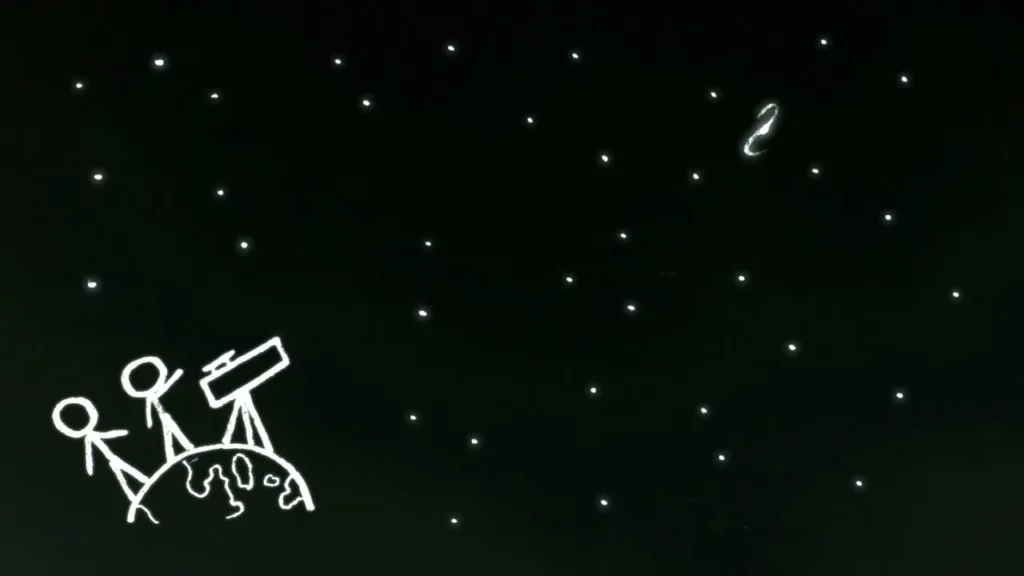
The lesson explores the reasons behind the darkness of the night sky, revealing that it is not simply due to the absence of sunlight but rather the result of the universe’s structure and expansion. While there are countless stars, their light can be too distant or redshifted to be visible, contributing to the dark appearance of space. Additionally, the cosmic background radiation from the Big Bang provides a faint glow, indicating that the night sky is not entirely devoid of light.
Passing A Portal Through Itself
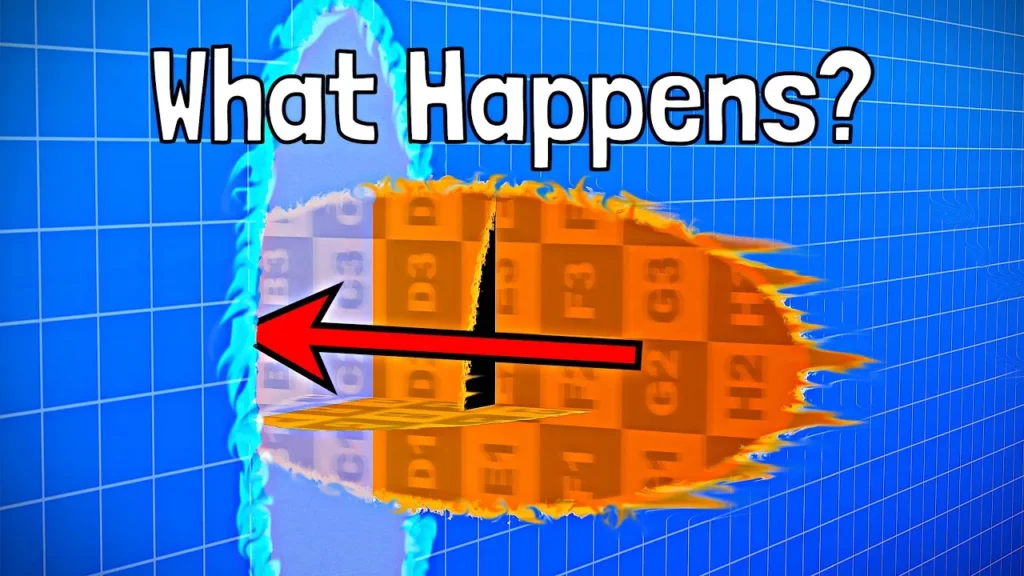
This lesson delves into the intriguing concept of portals, particularly focusing on how they behave when passing through themselves in both two-dimensional and three-dimensional spaces. It explains the logical outcomes of such interactions, emphasizing that despite the complexities and visual oddities, portals maintain their integrity and visibility. Additionally, the lesson highlights the importance of technology and coding in visualizing these concepts, encouraging further exploration of related skills and knowledge.
Distance and Special Relativity: How far away is tomorrow?
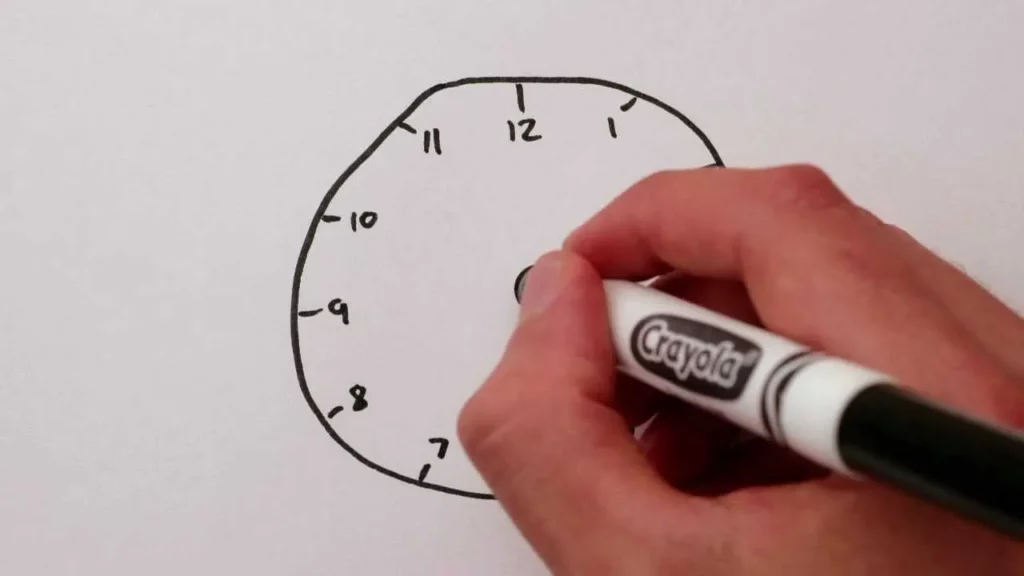
The lesson “Understanding Distance: More Than Just Space” explores the concept of distance as a multifaceted idea that encompasses not only physical space but also time. It illustrates how the difficulty of traveling between points influences our perception of distance, highlighting that traveling a mile in different time frames can alter our sense of proximity. Additionally, it delves into the complexities of special relativity, where the interplay of time and space can lead to counterintuitive conclusions, such as the notion that more time can equate to less distance.