
Relativity Isn’t Relative
The lesson on “Understanding Relativity: What’s Really Absolute?” explores the distinction between relative and absolute concepts in both everyday life and scientific contexts. While many aspects of our experiences, such as perspective and perception, are relative, the lesson emphasizes that there are fundamental truths—like historical events and scientific constants—that remain unchanged regardless of viewpoint. Through Einstein’s theories of special and general relativity, the lesson illustrates how science seeks to identify these absolutes, which form the foundation of our understanding of the universe.
What Is The Shape of Space? (ft. PhD Comics)
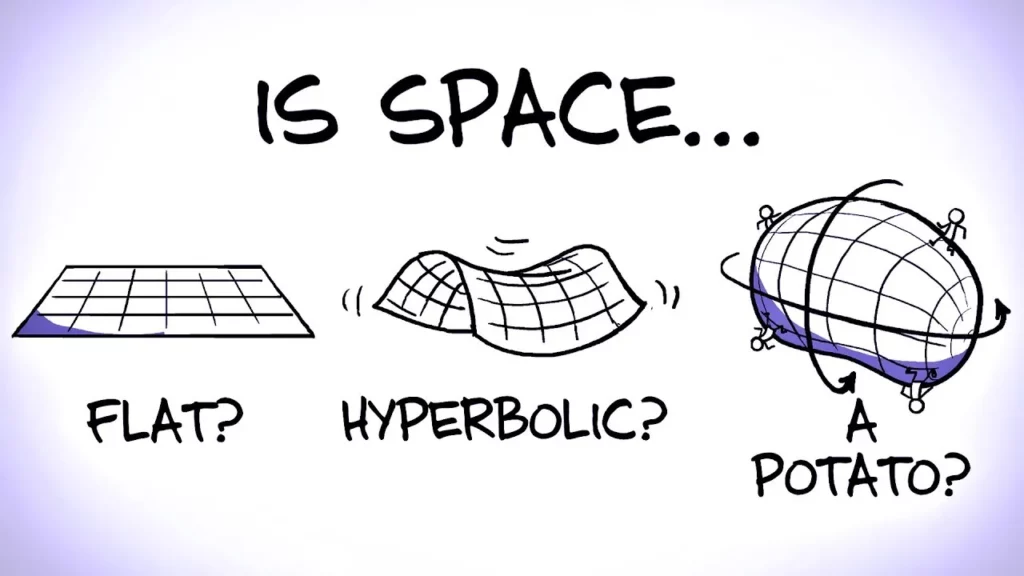
The lesson explores the dynamic nature of space as described by Einstein’s General Relativity, emphasizing that space is not merely an empty void but a physical entity that interacts with matter and energy, leading to curvature and gravitational waves. It discusses how the universe’s overall shape can be determined through methods such as measuring triangle angles and the density of matter, revealing that the universe is nearly flat, which raises intriguing questions about the precise balance of mass and energy that allows for this flatness. Ultimately, while significant progress has been made in understanding the curvature of space, the reasons behind the universe’s specific density remain an open mystery.
Can we Predict Everything?

The lesson on “Understanding Quantum Mechanics: A New Perspective” highlights the fundamental differences between classical physics and quantum mechanics, emphasizing that while our everyday experiences allow for predictable outcomes, quantum mechanics introduces inherent uncertainty and probabilities. Experiments have shown that no classical explanations can fully account for quantum phenomena, reinforcing the idea that the universe operates on principles that defy our traditional deterministic views. Ultimately, this lesson encourages acceptance of the probabilistic nature of reality at the quantum level.
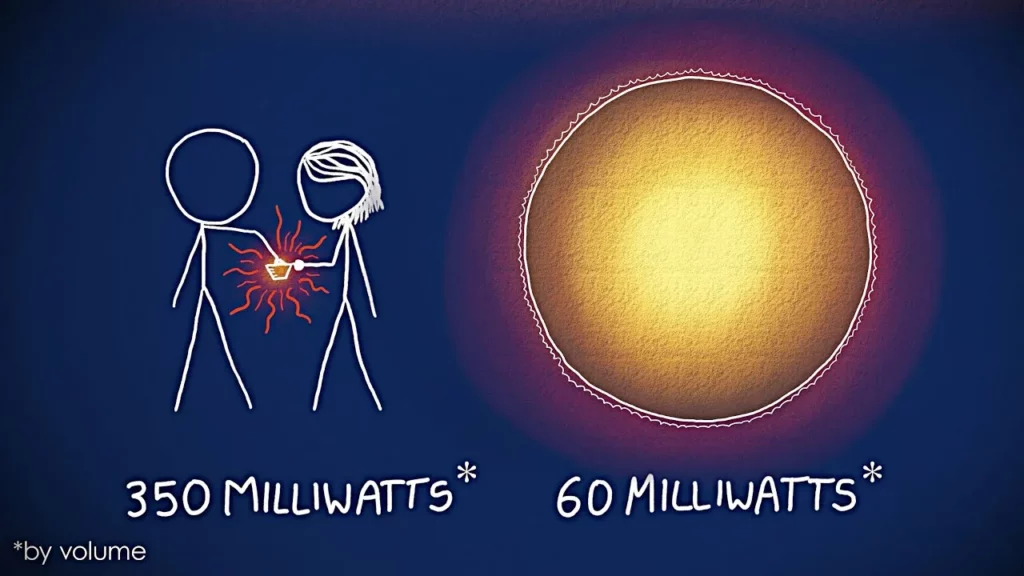
You’re Technically HOTTER Than The Sun (with XKCD!)
In this imaginative lesson, we explore the hypothetical scenario of planets being composed entirely of the elements they are named after, focusing on Mercury, Uranus, Neptune, Ceres, and Pluto. While Mercury and Ceres would become shiny metal spheres visible from Earth, Uranus, Neptune, and Pluto would be made of radioactive elements, leading to dangerous consequences, particularly for Neptune, which could explode and devastate Earth. The key takeaway is to choose stable isotopes over unstable ones to avoid catastrophic outcomes.
Why Do Mirrors Flip Left & Right (but not up & down)?
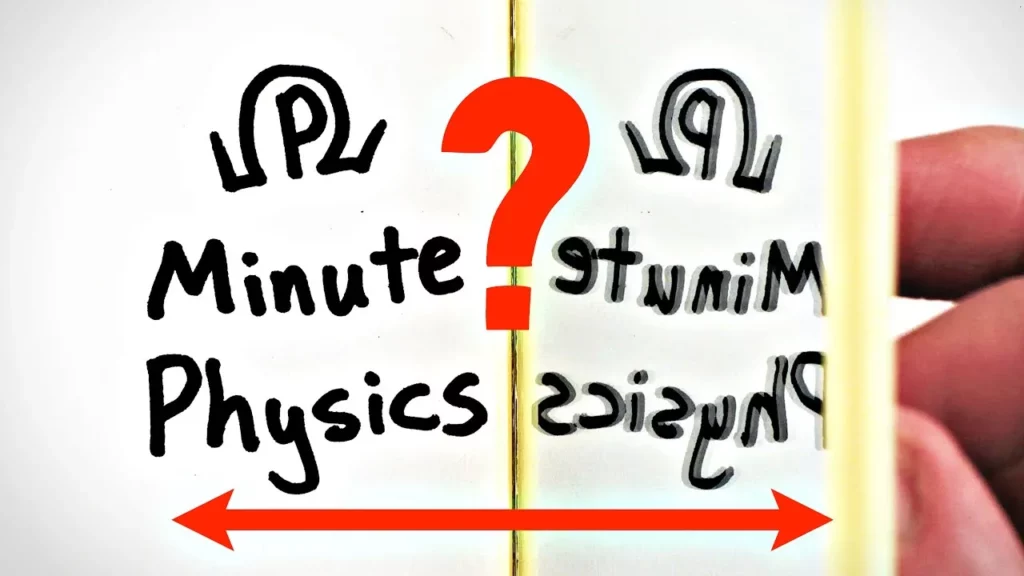
The lesson “The Magic of Mirrors: More Than Meets the Eye” explores the intriguing properties of mirrors, explaining that they do not actually flip images left to right or up and down, but rather invert the depth, creating an illusion of a parallel universe. It clarifies why words appear backward in mirrors, attributing this to our own flipping of objects before they are reflected, and discusses how multiple mirrors can create complex reflections that can alter the perception of direction.
Complete Solution To The Twins Paradox
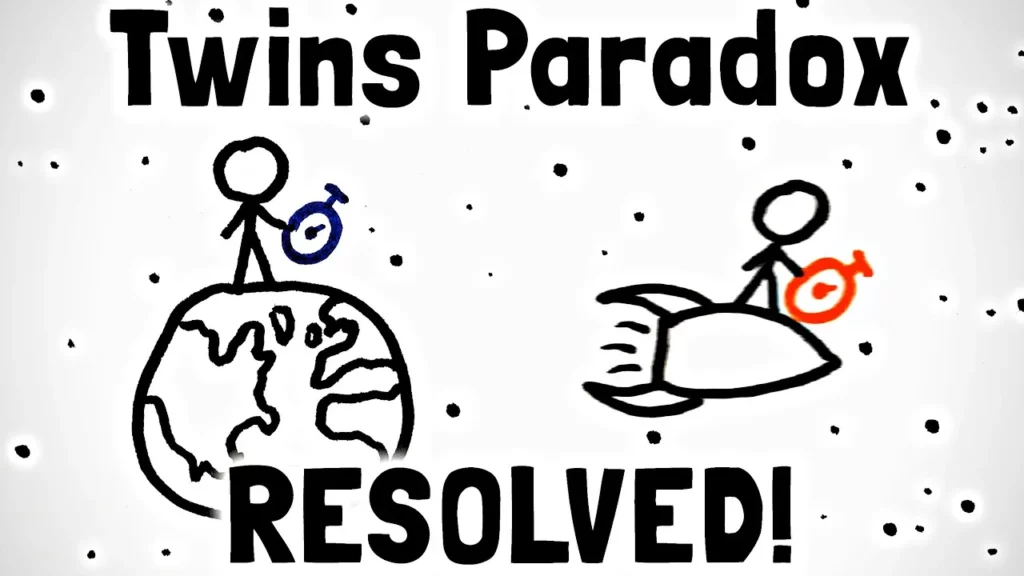
The lesson on “The Twins Paradox” explores the intriguing effects of time dilation as described by the principles of relativity. It presents a scenario where one twin travels in a rocket at high speed while the other remains on Earth, leading to a paradox about aging when they reunite. Ultimately, the resolution lies in understanding that the traveling twin experiences a change in velocity, which alters their perception of time and results in them being younger upon return, a phenomenon supported by real-world experiments with atomic clocks.
Why LESS Sensitive Tests Might Be Better
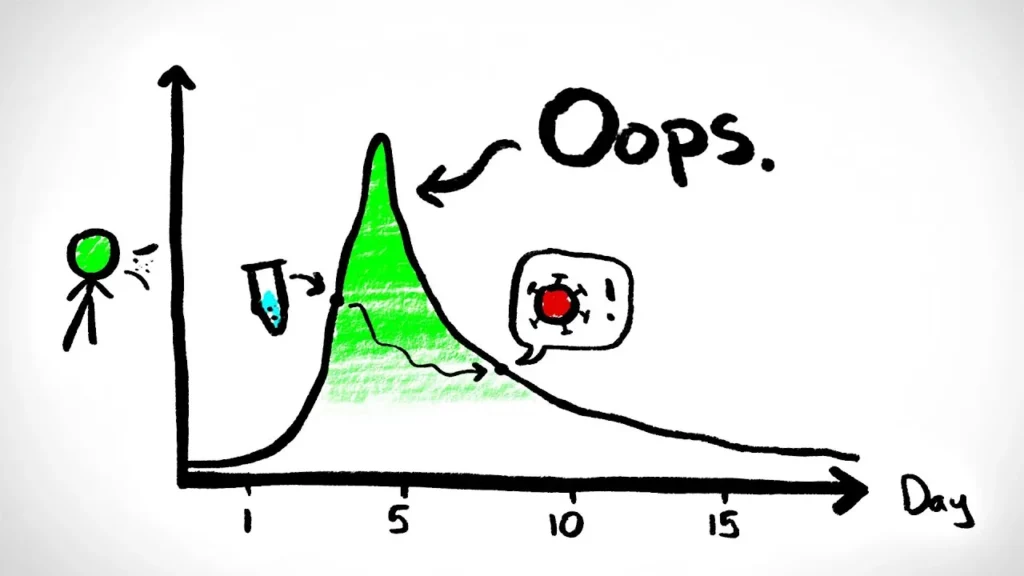
The lesson emphasizes the importance of balancing sensitivity, speed, and cost in COVID-19 testing. While PCR tests are highly sensitive and considered the gold standard for individual diagnosis, their high cost and slow turnaround time limit widespread testing, particularly for asymptomatic carriers. In contrast, rapid tests, though less sensitive, are faster and cheaper, making them more effective for large-scale community screening and essential for ongoing public health strategies alongside vaccination efforts.
Relativity of Simultaneity | Special Relativity Ch. 4
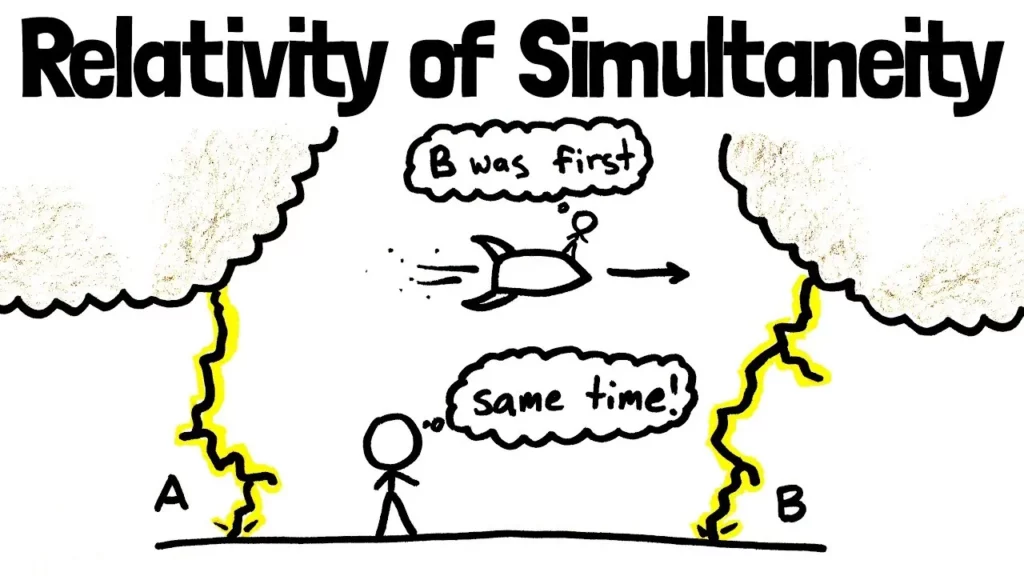
The lesson explains Lorentz transformations, which describe how the perception of time and simultaneity changes when switching between stationary and moving perspectives in spacetime. It highlights the relativity of simultaneity, illustrating that events perceived as simultaneous by one observer may not be so for another moving at a different speed, emphasizing the lack of an absolute notion of time in our universe. The lesson concludes by noting that these effects become significant only at high speeds or large distances, challenging our intuitive understanding of time and space.
What IS Angular Momentum?
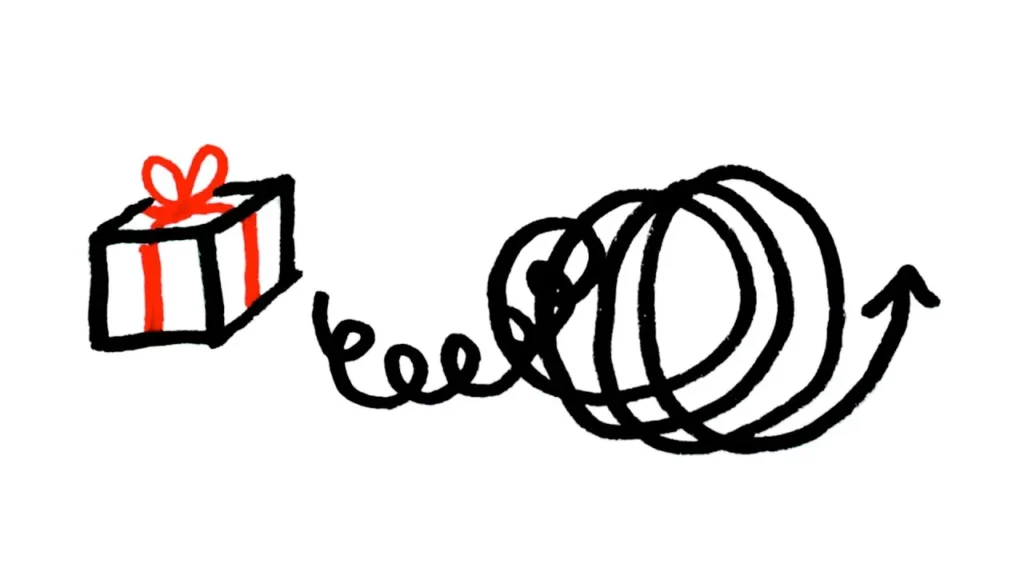
This lesson explores the concept of angular momentum, which describes the motion of objects that spin or move in circles, contrasting it with linear momentum. It explains how to calculate angular momentum by considering an object’s mass, speed, and the size of its circular path, and emphasizes the principle of conservation of angular momentum, which states that this quantity remains constant in the absence of external forces. Ultimately, the lesson highlights the beauty of physics in maintaining balance within the universe, as seen in the consistent motion of celestial bodies.
What is Sea Level?

The lesson “Understanding Sea Level: More Complex Than You Think” explores the intricate factors that influence sea level, highlighting that it is not merely the average height of oceans. It discusses how Earth’s irregular shape, gravitational variations, and the influence of landforms complicate sea level measurements, leading to the development of the Earth Gravitational Model, which allows for precise sea level calculations globally. This understanding is crucial for accurate geographical assessments and navigation.