
The Rocket & String Paradox

The lesson explores Bell’s Spaceship Paradox, which illustrates the effects of length contraction in relativity through the scenario of two spacecraft connected by a string. As both spacecraft accelerate, the string may snap due to independent contraction, raising questions about simultaneity and perspective in different frames of reference. Ultimately, the paradox emphasizes the complexities of relativity and the importance of understanding how motion affects the perception of physical events.
Why are Stars Star-Shaped?
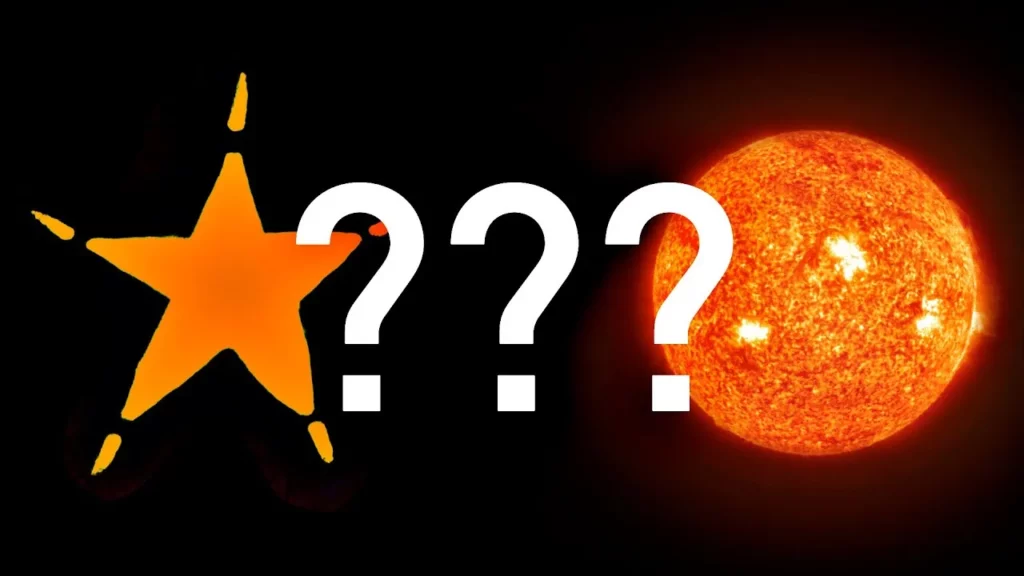
In this lesson, we explore why stars are commonly depicted with points despite being round celestial bodies. The pointy shapes we see are a result of how our eyes perceive light, which bends and spreads as it passes through imperfections in our lenses, creating star-like patterns. Additionally, the light from stars can form mini-rainbows due to varying wavelengths, allowing for scientifically accurate representations when drawing stars with colors.
Should You Wipe Off Your Sweat?
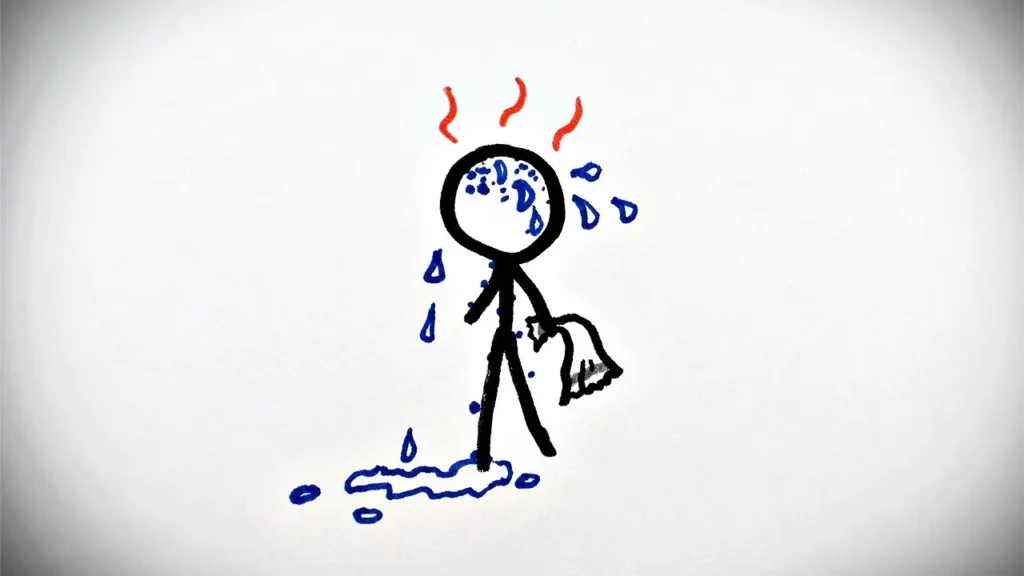
This lesson explains how sweat helps cool the body through two primary mechanisms: direct heat transfer and evaporative cooling. While drinking cold water can remove some heat, evaporating sweat is significantly more effective, allowing the body to lose 180-360 Calories per hour under optimal conditions. It emphasizes the importance of allowing sweat to evaporate for maximum cooling efficiency, rather than wiping it away.
Hitting the Sun is HARD
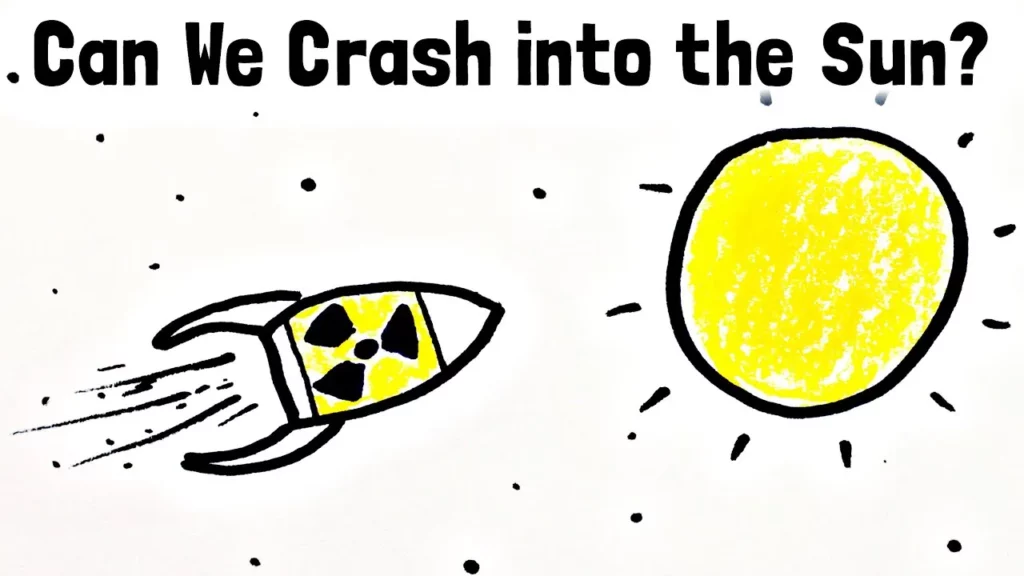
The lesson discusses the challenges and dangers associated with the idea of sending nuclear waste to the sun as a solution to its hazardous nature. It highlights the risks of rocket launches, the complexities of altering orbital speeds to successfully reach the sun, and the surprising fact that escaping the solar system is easier than crashing into the sun. Ultimately, the lesson concludes that the intricacies of space travel and safety concerns render this approach impractical.
Freezing water expands. What if you don’t let it?
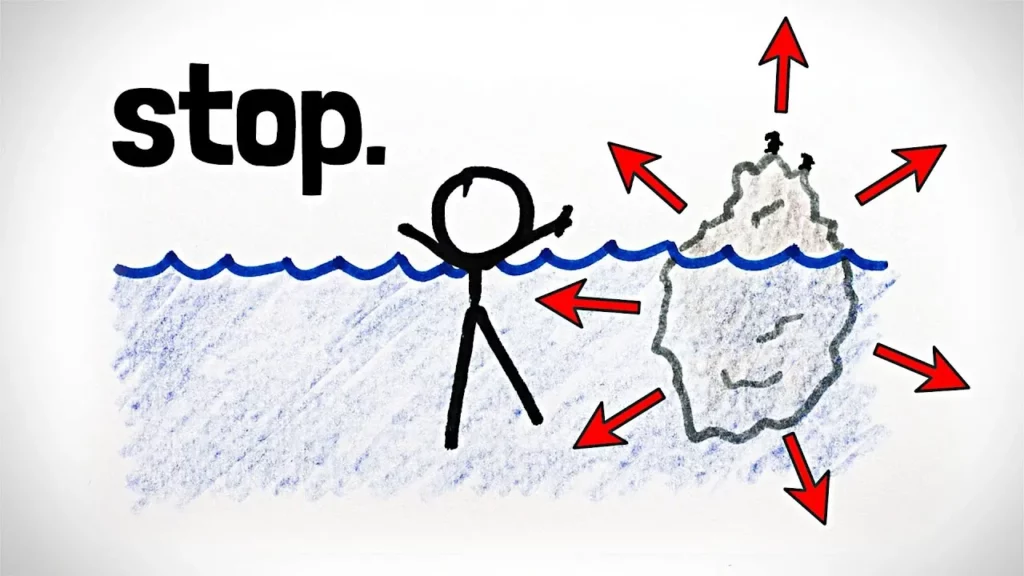
This lesson explores the unique behavior of water under pressure, highlighting how it expands when frozen and can melt when compressed. It delves into the paradox of freezing water under pressure, explained through phase diagrams, which illustrate that increased pressure can prevent water from freezing at lower temperatures and even lead to the formation of a denser phase of ice called ice III. Ultimately, the lesson reveals the complexity of water’s phases beyond just solid and liquid.
Why is the Solar System Flat?
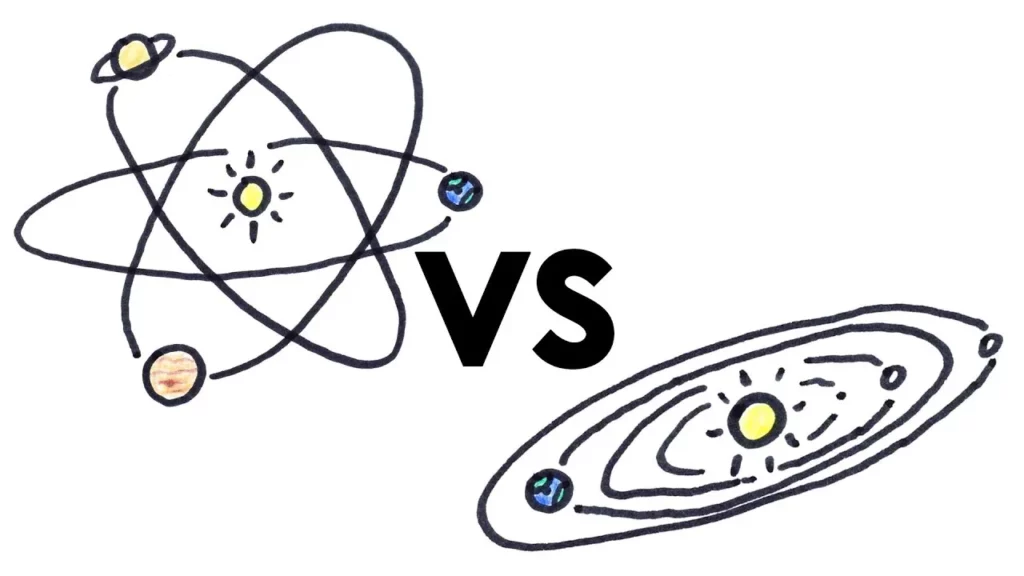
The lesson explores the formation of our solar system and the intriguing flatness of its structure, which emerged from a swirling nebula approximately 4.6 billion years ago. It explains that this flatness is a result of gravitational interactions and collisions among particles, which, over time, lead to a loss of vertical motion and the establishment of a spinning, two-dimensional disk. This phenomenon is not unique to our solar system, as similar flat structures are observed in various cosmic formations, highlighting the fundamental dynamics of three-dimensional space.
How Do Airplanes Fly?
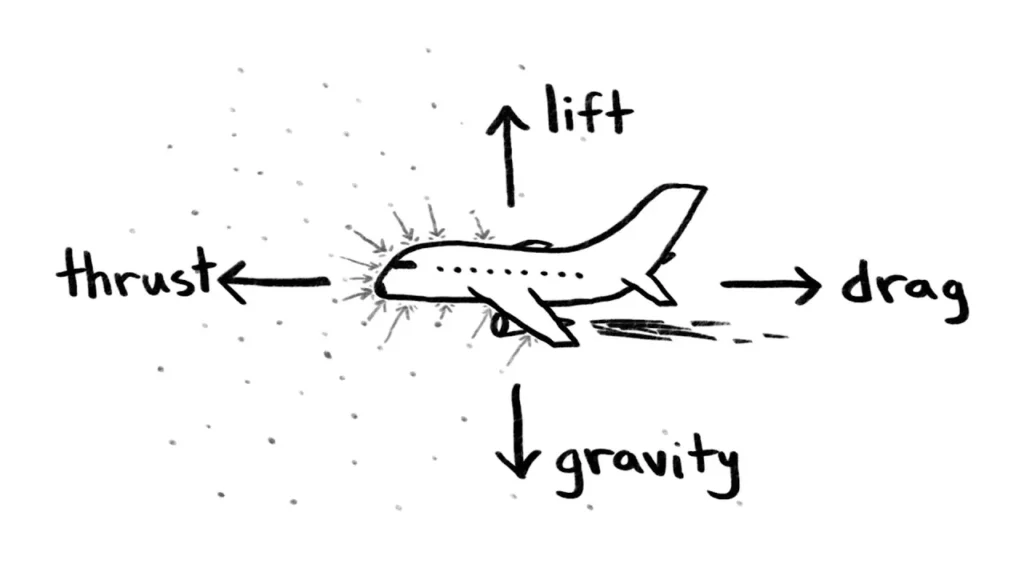
The lesson explains how airplanes stay in the air by balancing the forces of gravity and lift. Gravity pulls the plane down, while the wings create lift by manipulating air pressure—more air molecules push against the bottom of the wings than the top, allowing the plane to rise. Additionally, engines provide the necessary thrust to maintain forward motion, enabling the wings to generate lift and keep the airplane aloft.
TOP 10 REASONS Why We Know the Earth is Round

The lesson outlines the top 10 reasons supporting the conclusion that the Earth is round, emphasizing scientific observations and evidence. Key points include the round shapes of other celestial bodies, the effects of Earth’s rotation on time zones and weather patterns, and observable phenomena such as the curvature of the horizon and lunar eclipses. Ultimately, the lesson highlights the variety of ways, including photographic evidence from space, that confirm the Earth’s spherical shape.
Antimatter Explained
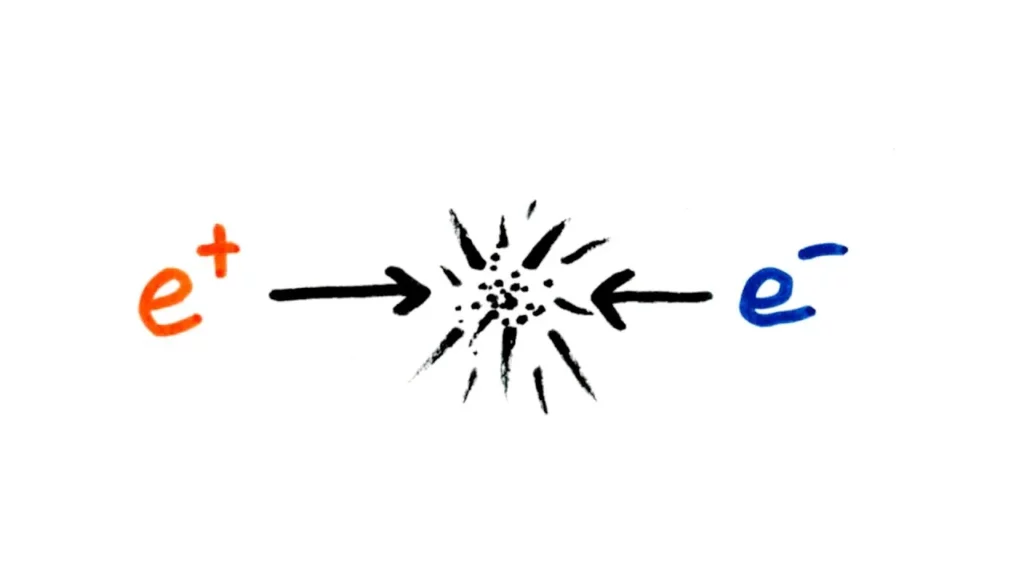
The lesson on antimatter explores its fundamental role as the “mirror” of matter in the universe, highlighting that for every particle, there exists a corresponding antiparticle with opposite charge. It discusses the challenges of creating and containing antimatter, exemplified by the short-lived positronium atom, and emphasizes the mathematical predictions that led to the understanding of antimatter’s existence. The lesson concludes by addressing the intriguing mystery of why the universe contains significantly more matter than antimatter, despite their theoretical equivalence.
Common Physics Misconceptions
The lesson “Unveiling the Truth: From Flat Earth to Relativity” explores how our understanding of scientific concepts can evolve from simplistic views to more complex realities. It highlights the nature of gravity, explaining that light, despite being massless, is influenced by gravity due to its energy and momentum, and discusses how special relativity challenges our intuitive notions of motion by demonstrating that velocities do not simply add up. Ultimately, the lesson emphasizes the importance of questioning our perceptions to gain a deeper understanding of the universe.