
3 Simple Ways to Time Travel (& 3 Complicated Ones)

The lesson on time travel explores various intriguing concepts that illustrate how we can experience time differently without physically moving through it. It highlights that simply existing and moving—whether by walking or standing—affects our perception of time due to the principles of spacetime and gravity. Additionally, it delves into theoretical ideas like spinning cylinders and wormholes, emphasizing the imaginative possibilities of time travel while acknowledging the current limitations of our understanding and technology.
How Big Is The Sun?
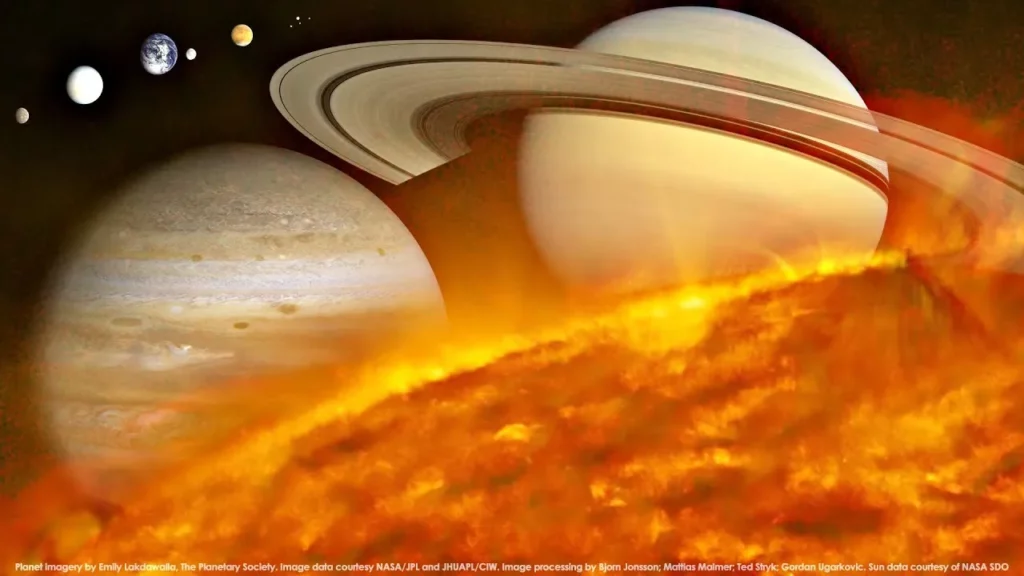
The lesson explores the intriguing coincidence that the Sun and the Moon appear to be the same size in the sky, despite the Sun being 400 times larger and farther away. This phenomenon is a result of their relative sizes and distances, leading to similar tidal effects on Earth, which are governed by the laws of geometry and physics. Additionally, the lesson highlights comparisons with other celestial bodies, such as Mars’ moons, and emphasizes the fascinating interplay between size, distance, and cosmic events.
How To Go To Space (with XKCD!)
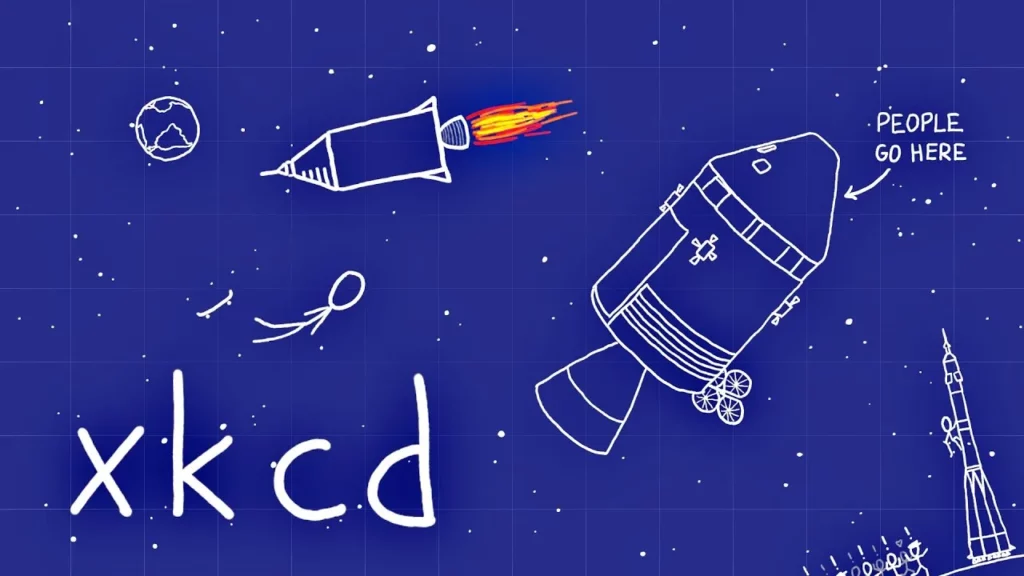
In this lesson, we explored the basics of how people travel to space, emphasizing the need to overcome Earth’s gravitational pull using a special vehicle called an “up-goer,” which propels itself with burning fuel. We also discussed the importance of safety measures for astronauts, including the need for a protective living space and parachutes for a safe return to Earth. Finally, we highlighted the rigorous training and qualifications required to become an astronaut, underscoring the blend of skill, health, and luck necessary for this exciting journey.
Is Racewalking a Sport?
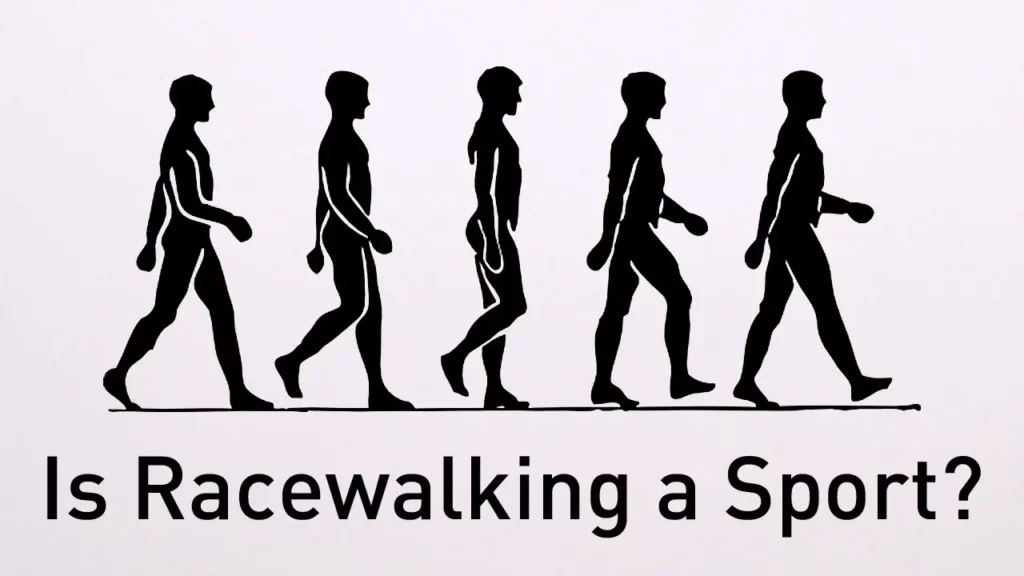
The lesson explores the unique and quirky world of racewalking, highlighting its distinct rules that require athletes to maintain one foot on the ground and keep their front leg straight while walking quickly. It discusses the unconventional judging system that relies solely on human observation, the frequent violations of the rules by athletes, and the reluctance to incorporate technology for judging, which raises questions about the nature and purpose of sports rules. Ultimately, the lesson emphasizes that despite its peculiarities, racewalking showcases the spirit of athleticism and the challenges inherent in all sports.
Parallel Universes: Many Worlds
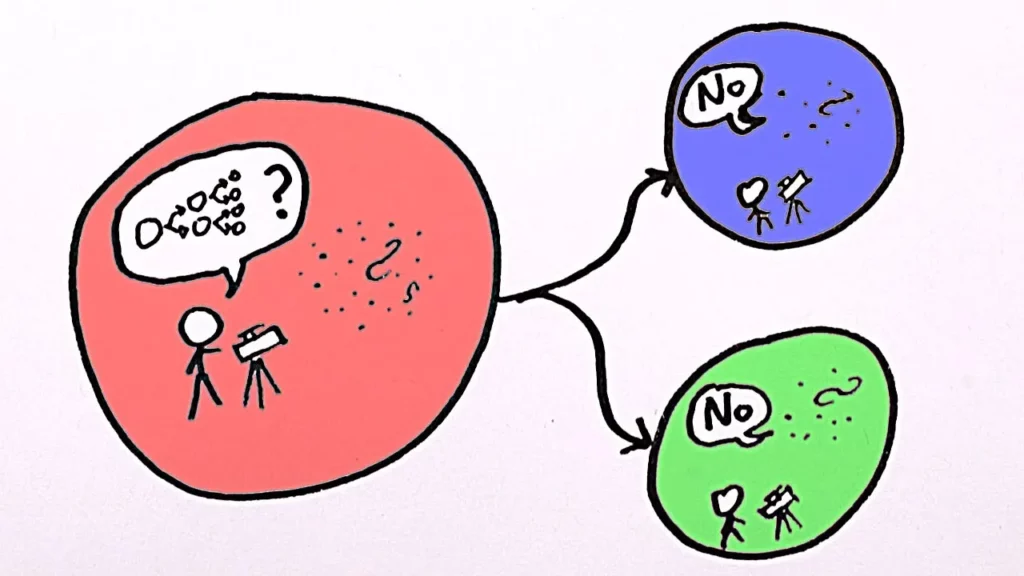
This lesson explores the perplexing realm of quantum mechanics, focusing on the famous thought experiment of Schrodinger’s Cat, which illustrates the concept of superposition—where a particle can exist in multiple states until observed. It introduces the many-worlds interpretation, suggesting that every quantum interaction leads to a branching of realities, allowing all possible outcomes to occur simultaneously in separate universes. While the many-worlds hypothesis remains untested, it highlights the ongoing quest in physics to understand the fundamental nature of reality.
Solution to the Grandfather Paradox
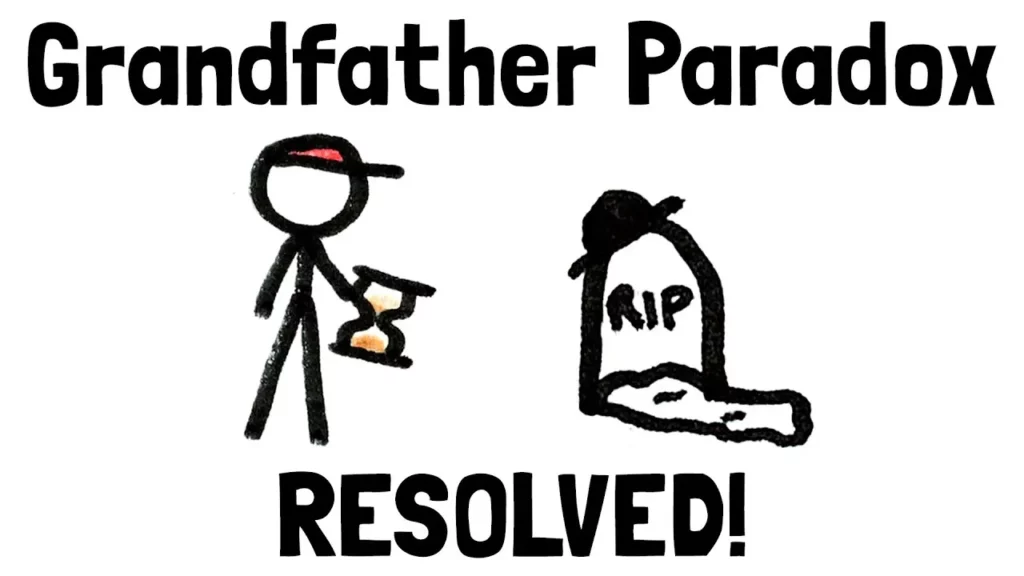
The lesson explores the grandfather paradox, a thought experiment in time travel that raises questions about causality and existence. It discusses potential resolutions, such as the concept of alternate timelines and quantum superposition, which allow for the coexistence of multiple outcomes without contradiction. Ultimately, the lesson emphasizes that these paradoxes challenge our understanding of time and encourage us to think beyond conventional limits, even if time travel remains a theoretical concept.
Why Aren’t There Eclipses Every Month?
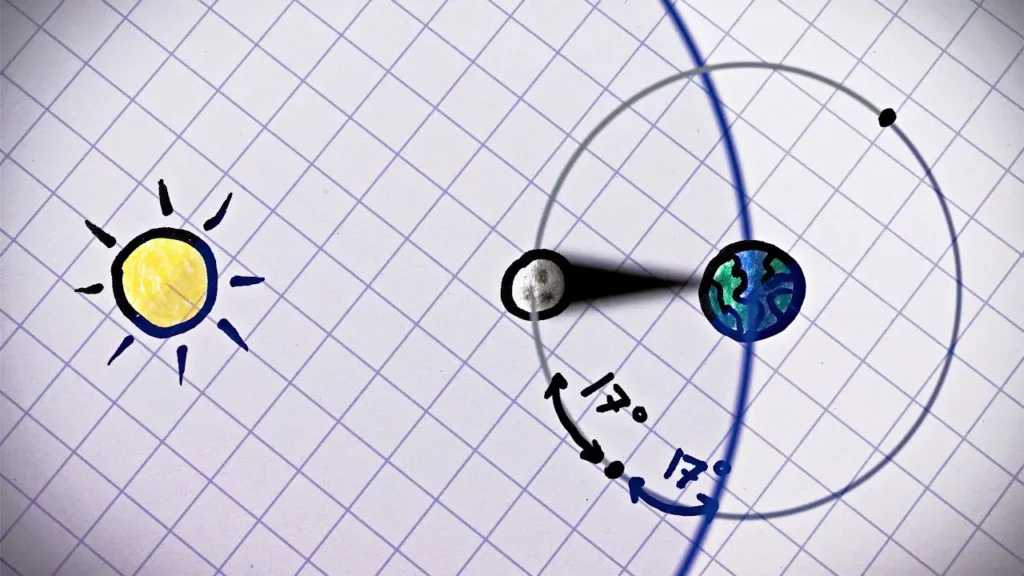
The lesson explains why solar eclipses do not occur every month, despite the moon’s monthly orbit around the Earth. It highlights that the moon’s orbit is tilted about 5 degrees relative to the Earth’s orbit, causing its shadow to often miss the Earth, and that eclipses can only happen when the moon is near specific points called nodes, which align with the Earth and Sun. As a result, eclipses are rare events that typically occur only twice a year.
How Modern Light Bulbs Work

This lesson explores the evolution and functioning of various types of light bulbs, highlighting their unique mechanisms for converting electrical energy into visible light. It covers incandescent and halogen bulbs, which use tungsten filaments; fluorescent bulbs, which utilize gas and a phosphorescent coating; vapor lamps for large area lighting; and LEDs, which operate on semiconductor technology. Understanding these differences enhances our appreciation for the science behind everyday lighting solutions.
Why Isn’t It Faster To Fly West?
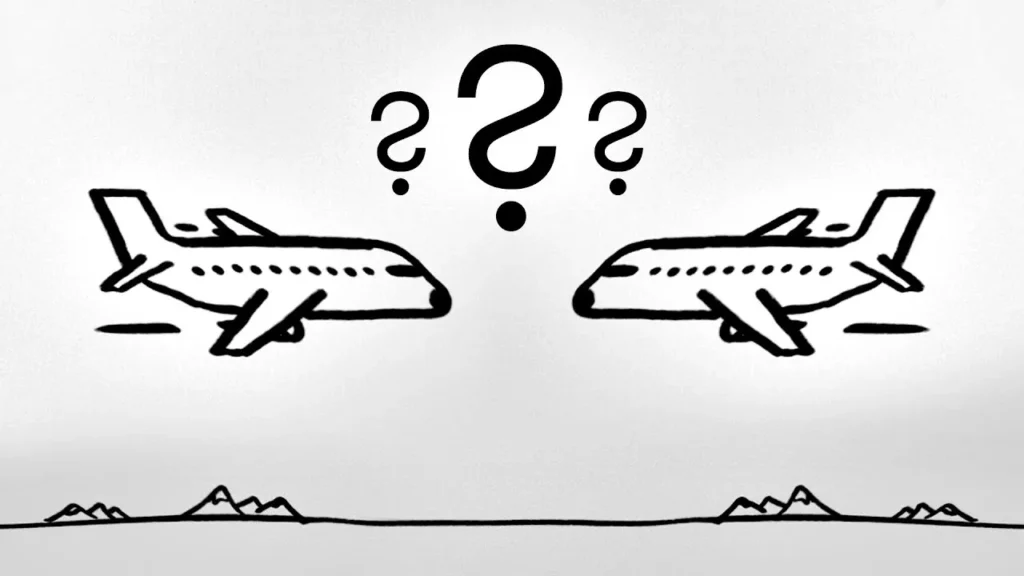
The lesson explains why airplanes don’t fly faster when traveling west, despite the Earth’s eastward spin. It highlights that both the airplane and the Earth’s surface are moving together, and when an airplane flies west, it is still moving eastward, just at a slower speed relative to the Earth’s rotation. Additionally, factors like upper atmospheric winds and the Coriolis effect significantly influence flight times, making the dynamics of air travel more complex than they appear.
E=mc² is Incomplete
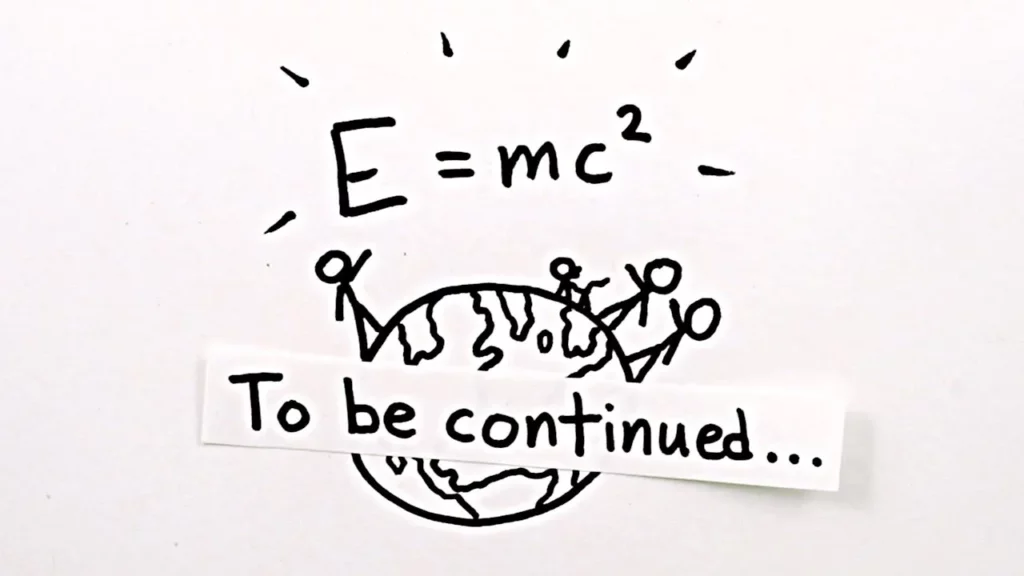
The lesson delves into the broader implications of Einstein’s equation E=mc², emphasizing that it is part of a more comprehensive equation: E² = (mc²)² + (pc)², where ‘p’ represents momentum. By visualizing this equation as a right triangle, the lesson illustrates how energy, mass, and momentum are interconnected, revealing that massless particles like photons relate energy to momentum through E = pc. Ultimately, the lesson highlights that while E=mc² is iconic, a deeper understanding of energy and momentum enhances our appreciation of Einstein’s contributions to physics.