
Where Was The Big Bang?
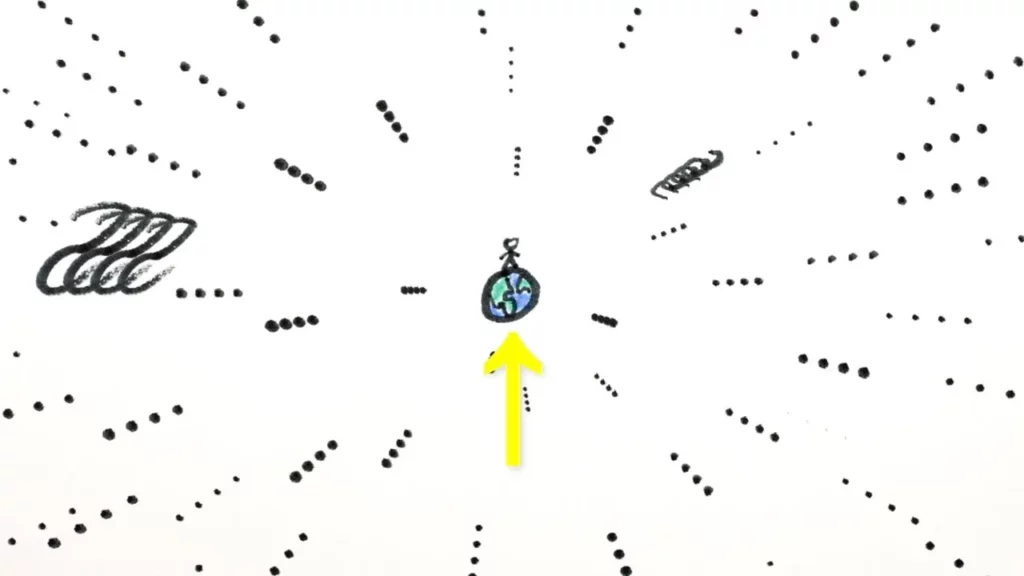
The lesson explores the concept of the expanding universe and addresses the question of whether there is a center to this expansion. It explains that, while it may appear that everything is moving away from a specific point, the universe expands uniformly from every location, meaning there is no true center. The key takeaway is to appreciate different perspectives, as each observer in the universe can perceive themselves as being at the center of expansion.
Schrödinger’s Cat
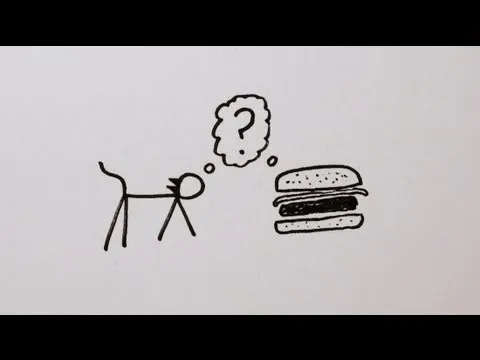
In this lesson, we explore Schrödinger’s Cat, a thought experiment that illustrates the paradoxes of quantum mechanics. The experiment posits that until observed, a cat in a bunker with a 50% chance of survival exists in a state of superposition, being both dead and alive simultaneously. This raises profound questions about the nature of reality and observation, suggesting that our curiosity may influence the outcome of quantum events and prompting us to consider the implications of multiple realities in the universe.
Footnote †: Unstable Equilibrium
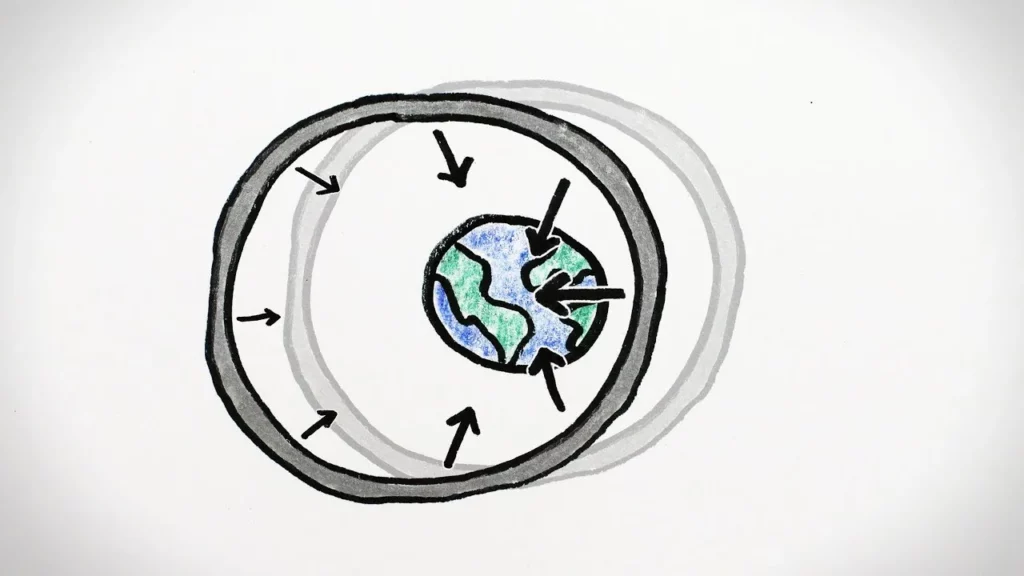
The lesson on “Understanding Gravitational Equilibrium: The Case of a Spherical Ring” explores the concept of unstable gravitational equilibrium, illustrated by a ring surrounding a spherically symmetric object. It explains that while the ring can remain in a balanced position, any slight disturbance will cause it to move away due to varying gravitational forces acting on different parts of the ring. This highlights the delicate nature of equilibrium in gravitational systems and the significant impact of minor perturbations, which is crucial for fields like astrophysics and engineering.
The Counterintuitive Physics of Turning a Bike

The lesson explains the science behind turning a bike, emphasizing the concept of counter-steering. To turn right, a rider must first turn the handlebars left, causing the bike to lean and ultimately steer right, highlighting the unique mechanics of bike riding that involve balance and body positioning. Understanding this technique can enhance a rider’s control and experience on a bike.
Is it Better to Walk or Run in the Rain?
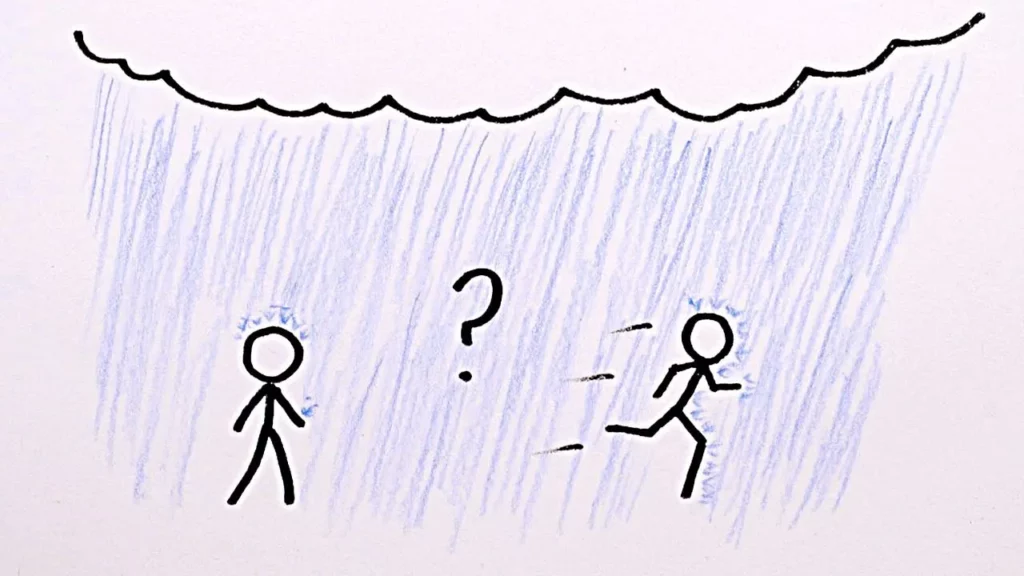
The lesson discusses the best approach to staying dry in the rain, emphasizing that the amount of rain hitting you from above remains constant regardless of your speed. While running increases exposure to raindrops from the side, the key takeaway is that minimizing the time spent in the rain is crucial; therefore, running to your destination is the most effective strategy to stay as dry as possible.
How to Count Infinity
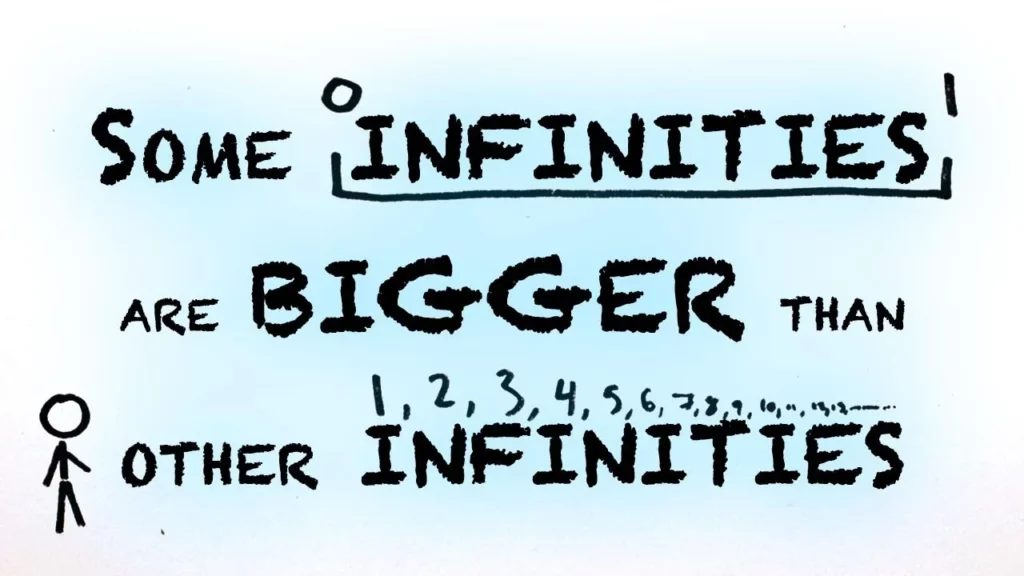
In today’s lesson, we explored the intriguing concept of infinity, particularly how it relates to counting and comparing different sets of numbers. We discovered that while it may seem intuitive that there are more numbers between 0 and 2 than between 0 and 1, in fact, both sets can be paired in a way that reveals a surprising truth: there are more real numbers between 0 and 1 than there are integers. This lesson highlights the fascinating idea that some infinities are indeed larger than others, challenging our understanding of counting and numerical relationships.
Transporters and Quantum Teleportation
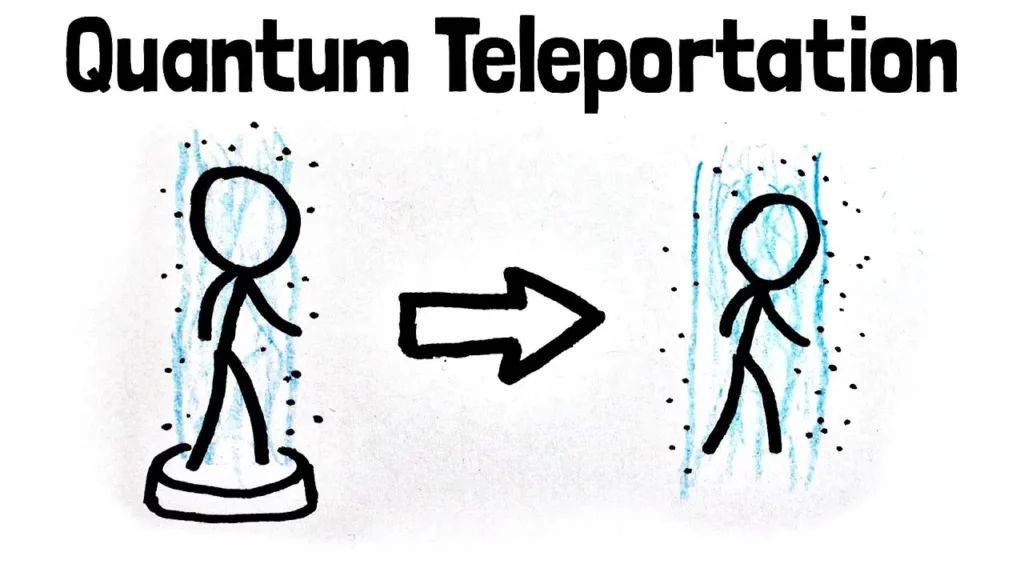
The lesson explores the concept of teleportation from both a philosophical and quantum mechanical perspective, highlighting the identity dilemma that arises when considering whether teleportation results in the death of the original person and the creation of a copy. It explains quantum teleportation, which involves transferring the quantum state of particles rather than moving them, and emphasizes the “no cloning” theorem, which asserts that the original must be destroyed to recreate its state elsewhere. Ultimately, the discussion raises profound questions about consciousness and identity, challenging our understanding of existence in the context of both science fiction and real-world physics.
Minute Physics: What is Gravity?
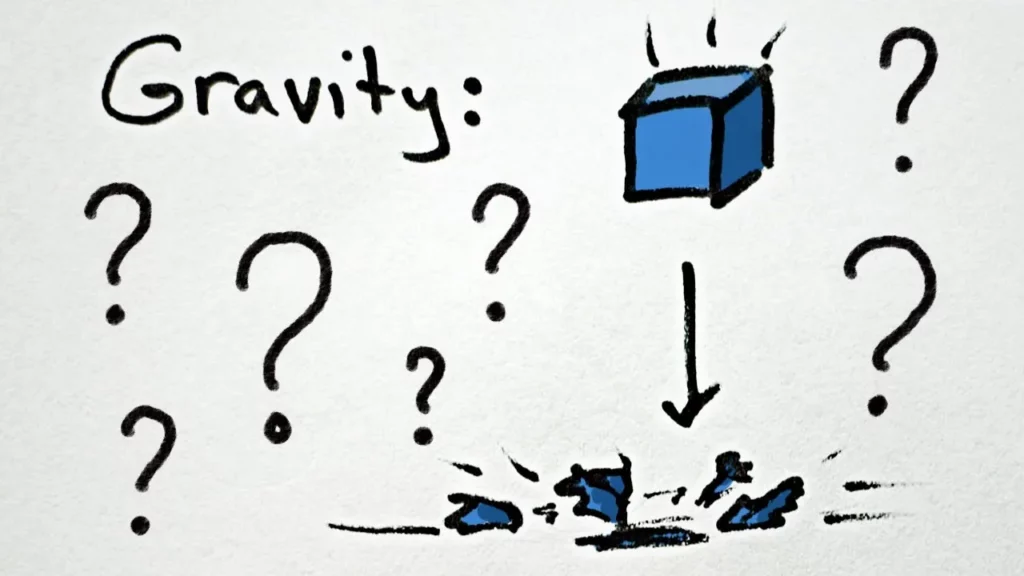
The lesson on gravity highlights its significance beyond merely causing objects to fall; it is a universal force that attracts all masses, influencing everything from our daily lives to the movement of celestial bodies. Isaac Newton’s discoveries revealed that gravitational strength diminishes with distance and is proportional to mass, explaining why we feel Earth’s pull more than that of the Moon. Additionally, gravity affects energy, demonstrating its role in the behavior of light and the structure of the universe, making it a fundamental force that connects all matter and energy in the cosmos.
How lasers work (in theory)
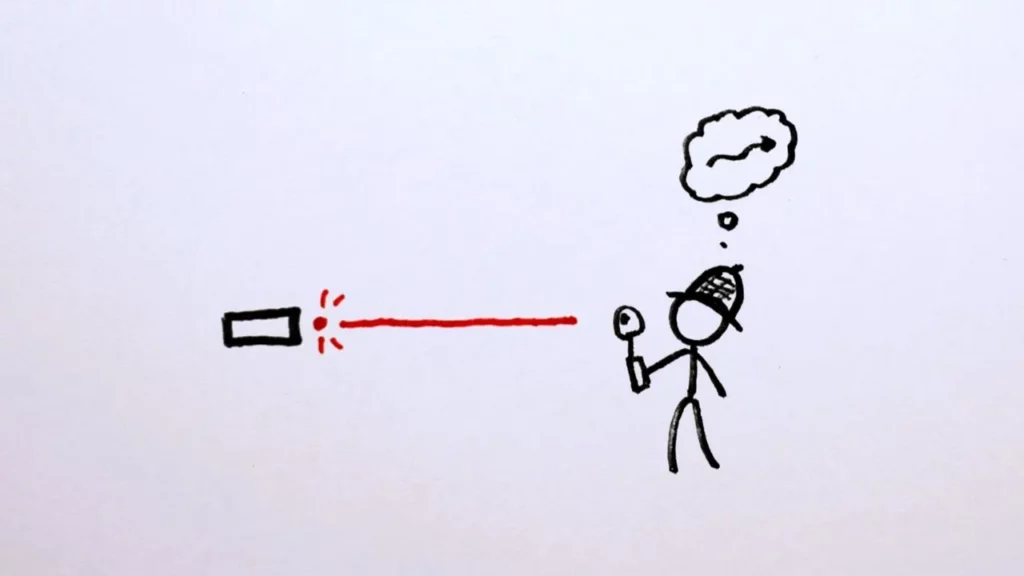
In this lesson, students learn about the fascinating process behind how lasers work, starting with the excitation of atoms that release light when energized. The light is then trapped between mirrors, creating a chain reaction of photon emissions, which ultimately leads to the formation of a coherent laser beam. This engaging exploration highlights the interplay between excited atoms and photons, showcasing the wonders of science.
What is the Wave/Particle Duality? Part 1
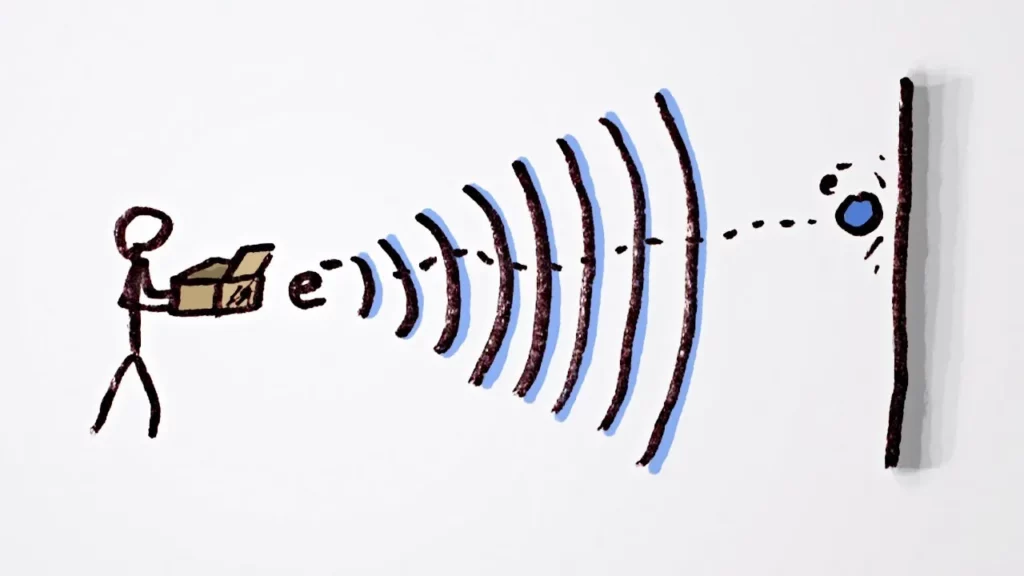
The lesson on wave-particle duality explores how tiny particles, such as electrons and protons, can exhibit both particle-like and wave-like behaviors, depending on the situation. Through relatable examples from everyday life, it illustrates how this duality challenges our understanding of physics and highlights the complexity of the universe at a microscopic level. Ultimately, it emphasizes the intriguing nature of scientific exploration and the continuous learning it inspires.