
Minute Physics: What is Dark Matter?

The lesson explores the concept of Dark Matter, an invisible substance that makes up a significant portion of the universe and plays a crucial role in maintaining the structure of galaxies. By using the analogy of a merry-go-round and the principles of gravity, it illustrates how Dark Matter’s gravitational influence prevents stars from flying off into space. Additionally, the lesson explains how scientists utilize the Doppler effect to measure the speeds of stars, allowing them to infer the presence of Dark Matter despite its invisibility.
What is Quantum Tunneling?
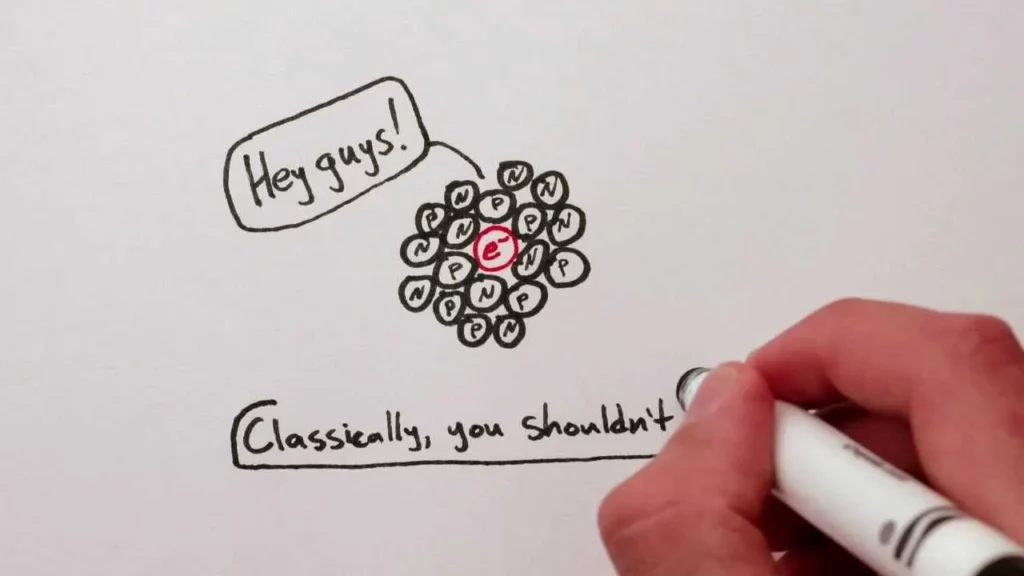
The lesson on quantum tunneling explores how particles can bypass energy barriers in ways that classical physics cannot explain. While classical physics dictates that a ball cannot roll over a hill without sufficient energy, quantum mechanics introduces the concept of probabilities, allowing particles to “tunnel” through barriers and appear in unexpected locations. This phenomenon has significant implications in various fields, including nuclear fusion and semiconductor technology, highlighting the intriguing complexities of the quantum world.
There is no pink light
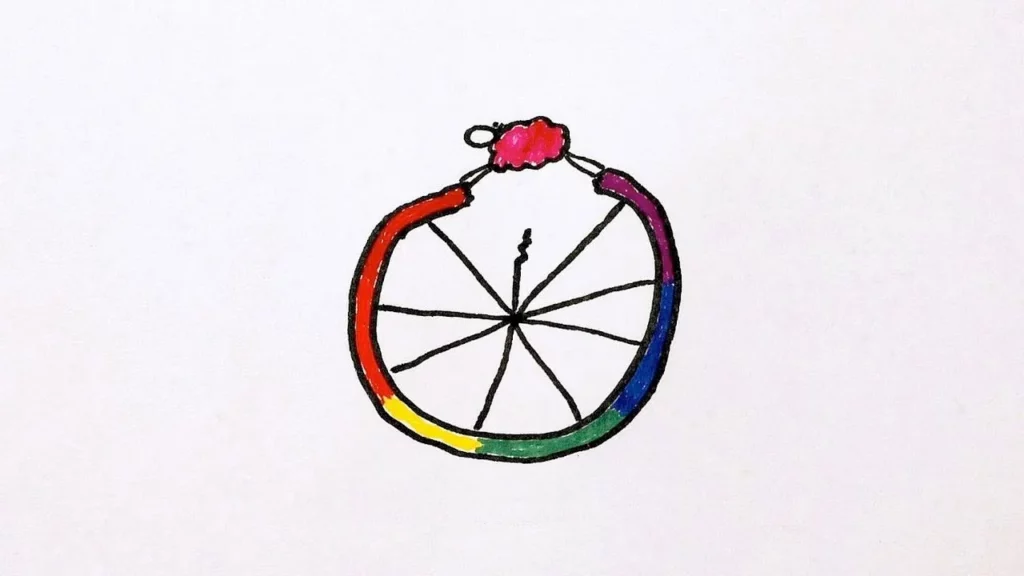
The lesson explores the origin of the color pink, explaining that it does not exist in the visible spectrum of light like the colors of the rainbow. Instead, pink is perceived by our brains as a combination of red and blue light, filling the gap between these colors on a color wheel. Additionally, pink can be understood as “minus-green,” representing what remains when green is removed from white light.
What is the Uncertainty Principle?
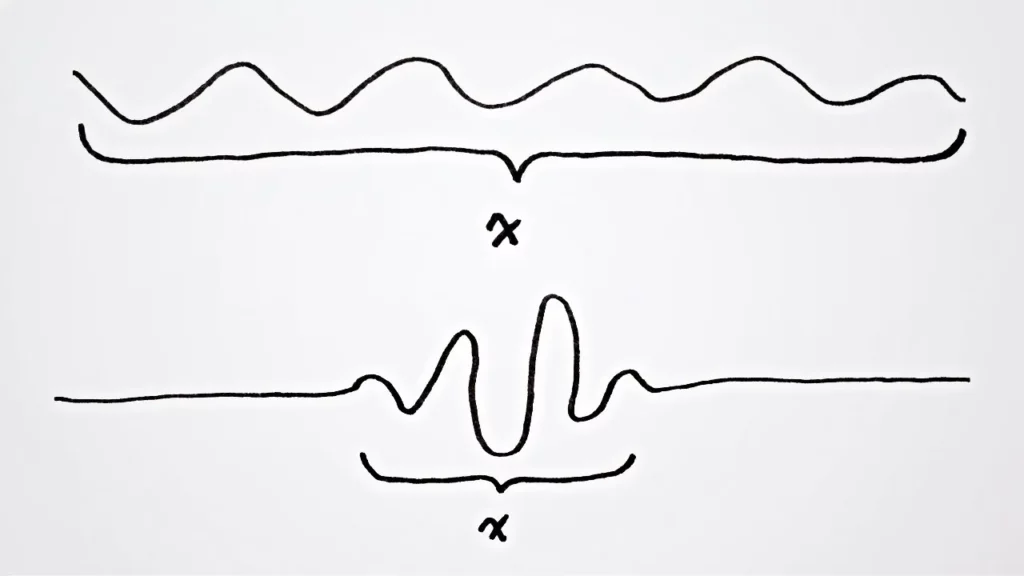
The lesson explores the uncertainty principle, a fundamental concept in quantum mechanics, and its connection to wave behavior in general. It explains that the more accurately we determine a wave’s position, the less accurately we can know its frequency, and vice versa, illustrating that this principle is a common characteristic of waves encountered in everyday life. Ultimately, the lesson emphasizes that the uncertainty principle reflects inherent limitations in our understanding of both quantum particles and wave phenomena.
What is a Neutrino?
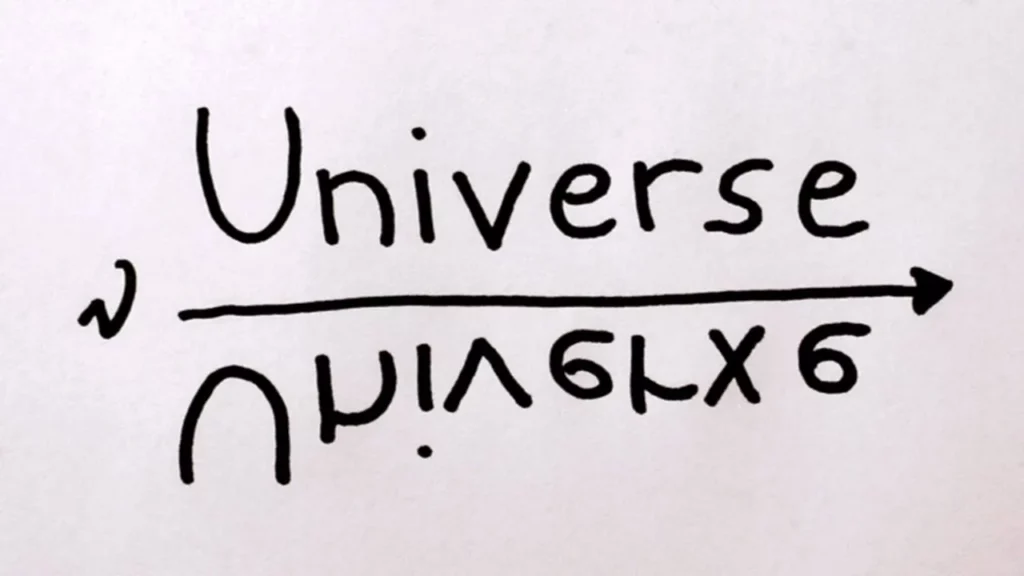
Neutrinos are elusive, nearly weightless particles that interact very weakly with matter, making them incredibly difficult to detect. Scientists often use large water tanks to identify neutrinos through the faint light emitted when they collide with electrons, a phenomenon known as Cherenkov Radiation. These particles also provide unique insights into the universe, particularly due to their left-handedness, which sets them apart from other forces in physics.
How the Sun works: Fusion and Quantum Tunneling
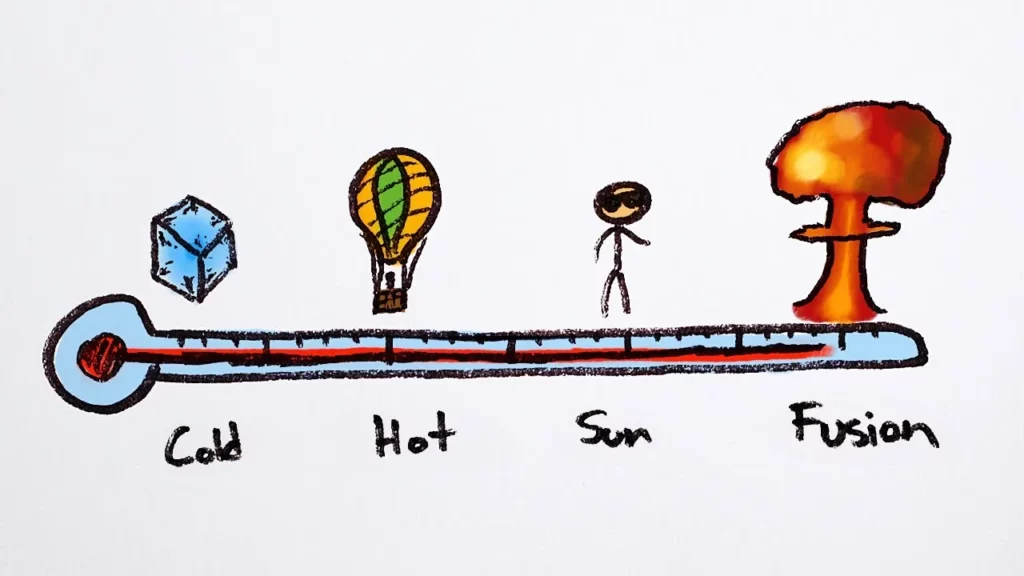
The lesson explains how the sun functions as a massive nuclear reactor, generating energy through the process of nuclear fusion, where hydrogen atoms fuse to form helium, releasing vast amounts of energy in the form of sunlight. It highlights the role of quantum tunneling, which allows fusion to occur even at lower temperatures than those required on Earth, enabling the sun to sustain its brightness for billions of years. Ultimately, the lesson emphasizes the importance of quantum mechanics in understanding the sun’s enduring energy source.
Hippo | Amazing Animals
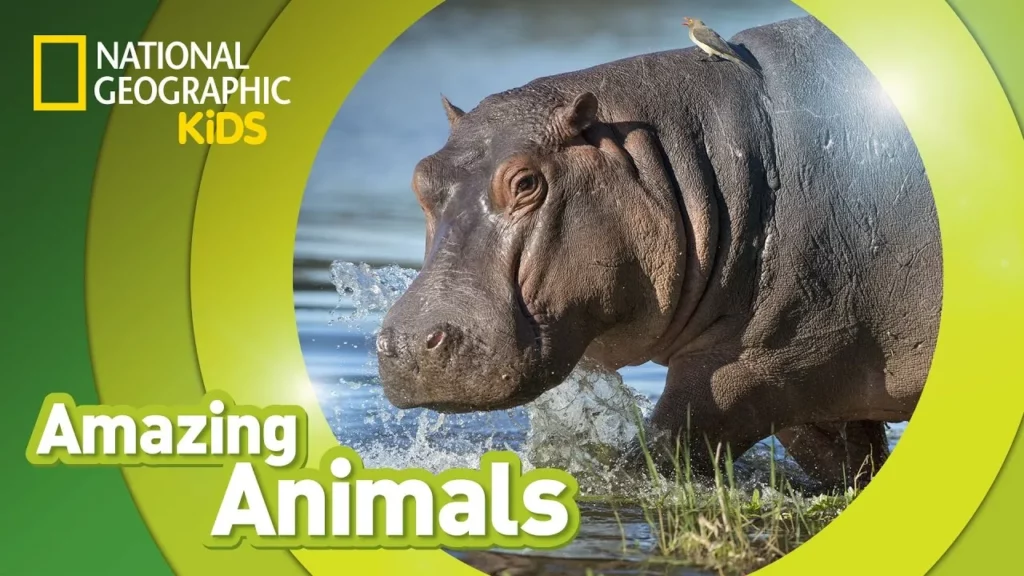
The lesson introduces hippos, highlighting their unique characteristics and behaviors. Despite their name meaning “river horse,” hippos are more similar to whales, spending most of their time in water and emerging at night to graze on grass. The lesson emphasizes their surprising speed, strength, and protective nature, ultimately celebrating the fascinating qualities that make hippos remarkable animals.
Walrus | Amazing Animals

The lesson introduces the fascinating walrus, highlighting its unique characteristics such as large tusks and a thick layer of blubber that help it thrive in the Arctic environment. It describes the walrus’s summer behavior, including socializing on beaches and the nurturing role of female walruses in teaching their pups to swim. Overall, the lesson emphasizes the walrus’s adaptability and social nature, showcasing why these creatures are considered amazing.
Black Caiman | Amazing Animals
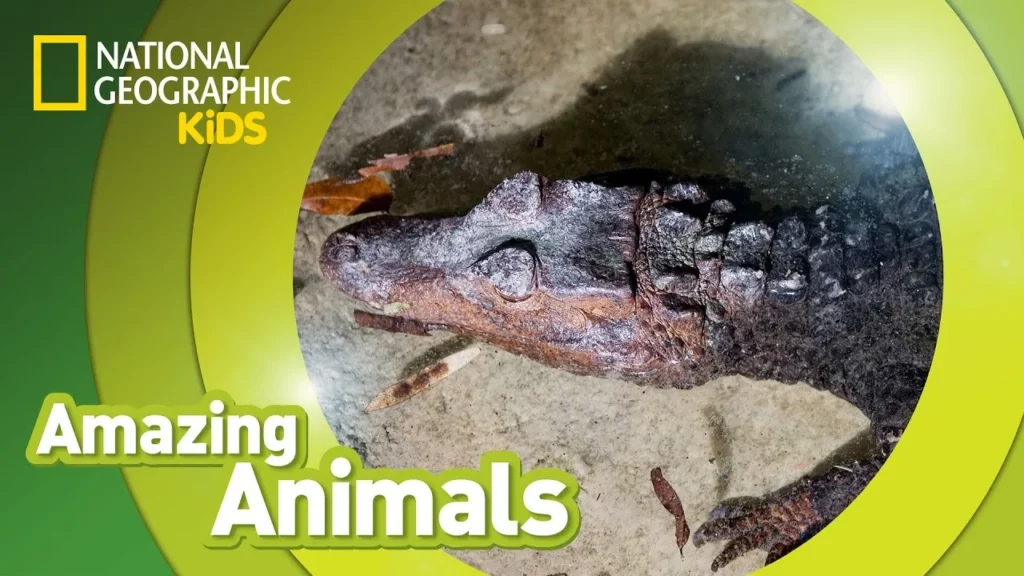
The lesson introduces the black caiman, a large and powerful reptile from South America, closely related to alligators. With its impressive size, sharp teeth, and nearly black body for camouflage, the black caiman is a formidable predator with no natural enemies, though it faces threats from human hunting. The lesson emphasizes the importance of protecting this remarkable species to ensure its survival.
Tree Kangaroo | Amazing Animals

The lesson introduces tree kangaroos, unique marsupials that thrive in the rainforests of Northern Australia and Papua New Guinea, primarily living in trees. Unlike their ground-dwelling relatives, they possess exceptional climbing abilities, sharp claws, and long tails that aid in their agility. The lesson emphasizes the importance of protecting their habitats, as deforestation poses a significant threat to their survival.