
Giant Pacific Octopus ???? | Amazing Animals
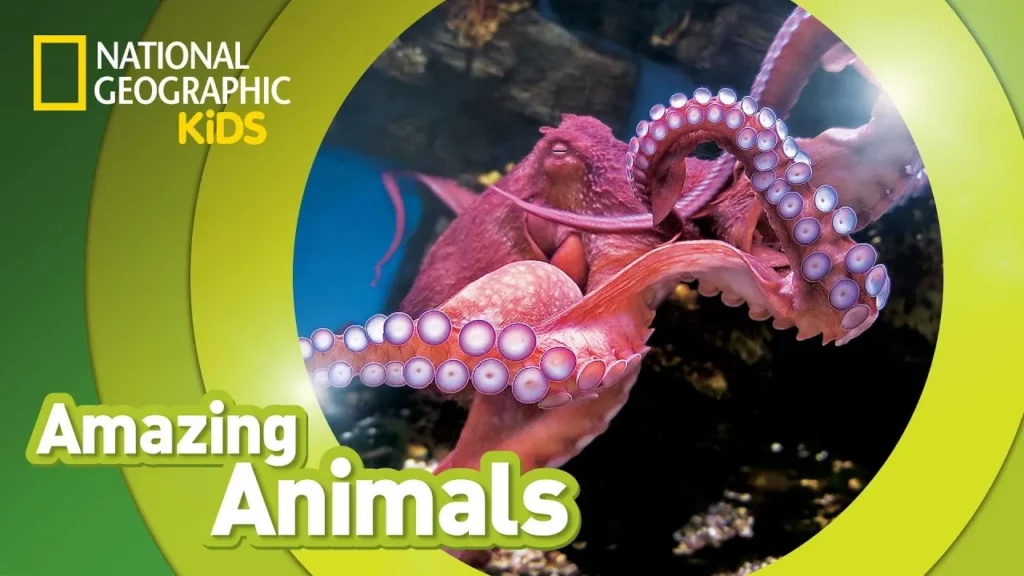
In this lesson, students explore the fascinating Giant Pacific Octopus, the largest octopus species in the world, which resides in the Pacific Ocean and thrives in areas rich in food. They learn about its diet, which includes crabs and birds, its remarkable ability to camouflage, and its intelligence, as it can solve puzzles and adapt to new challenges. Fun facts highlight its unique biology, including blue blood and three hearts, emphasizing the octopus’s extraordinary nature.
Tarantula ????️ | Amazing Animals
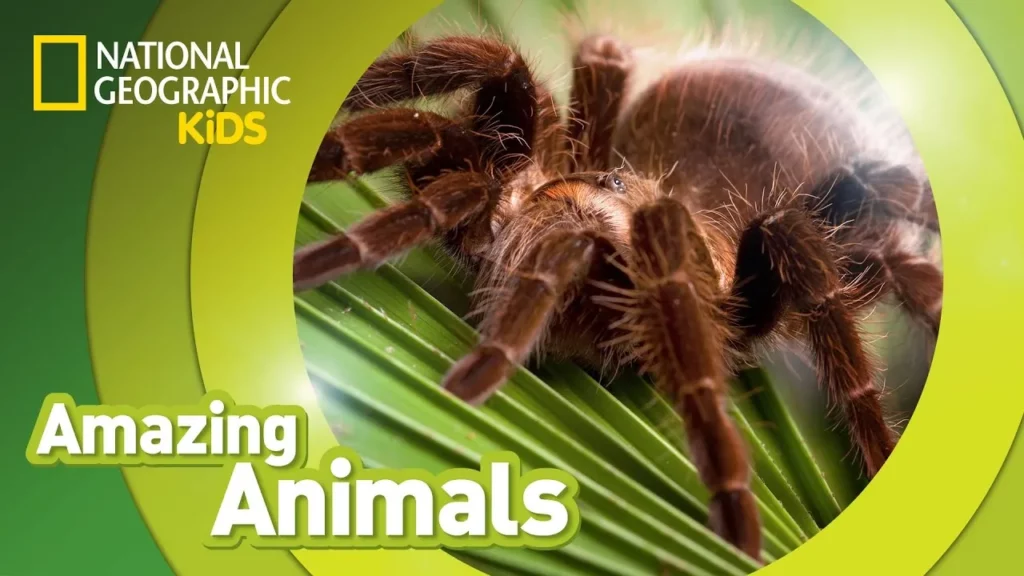
The lesson introduces students to tarantulas, large and hairy spiders that belong to the arachnid family. It covers their habitats around the world, their unique hunting methods that do not involve webs, and reassures that while they can bite, they are generally harmless to humans. Additionally, it highlights interesting facts about their longevity and multiple eyes, emphasizing the fascinating nature of these creatures.
Red-Bellied Piranhas ???? | Amazing Animals
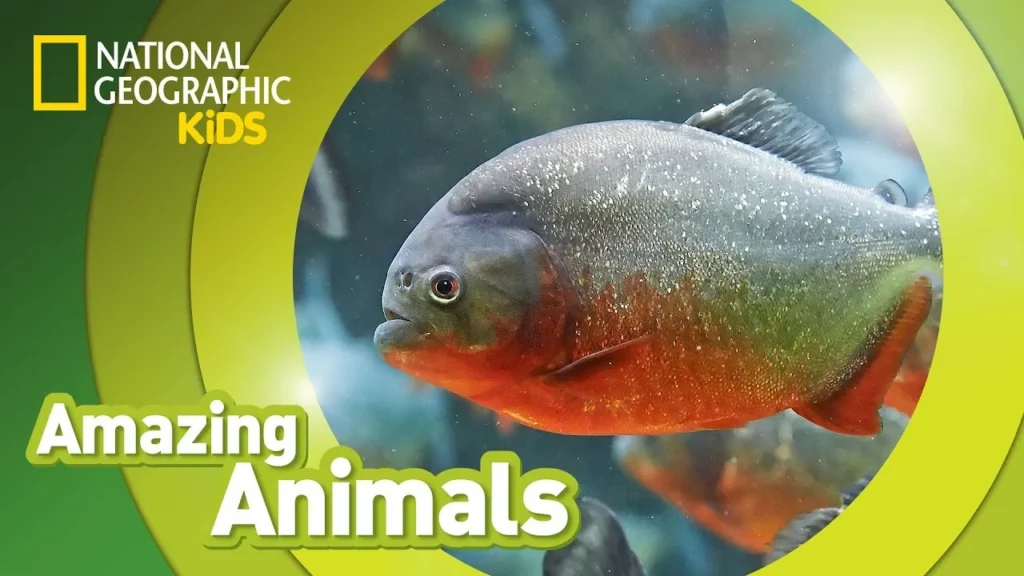
The lesson explores the fascinating characteristics of the red-bellied piranha, a fish native to the Amazon River and known for its strong appetite and razor-sharp teeth. Despite their fearsome reputation, these fish exhibit remarkable social behavior by hunting in schools and potentially communicating with one another, highlighting their unique and interesting nature.
How Lava Lamps Work | How Things Work with Kamri Noel
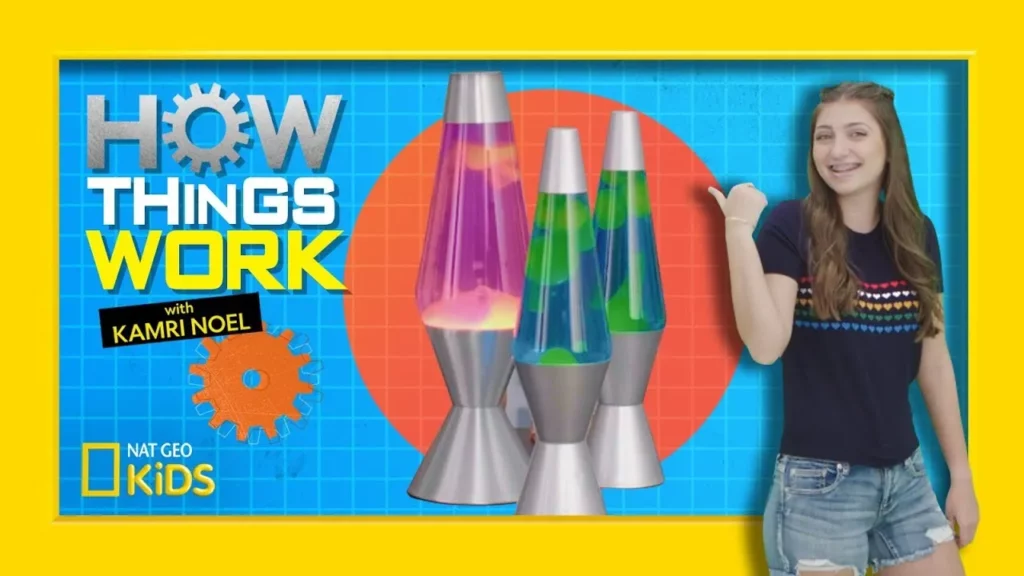
In this lesson, we explored the fascinating science behind lava lamps, which feature colorful blobs that float due to the interaction of two substances with different densities—typically a water-based liquid and a waxy compound. When heated by the lamp’s light bulb, the wax becomes less dense and rises, then cools and sinks again, creating a mesmerizing cycle of movement. This demonstration of heat, density, and immiscibility highlights the intriguing blend of science and creativity in everyday objects.
How Gecko Feet Work | How Things Work with Kamri Noel
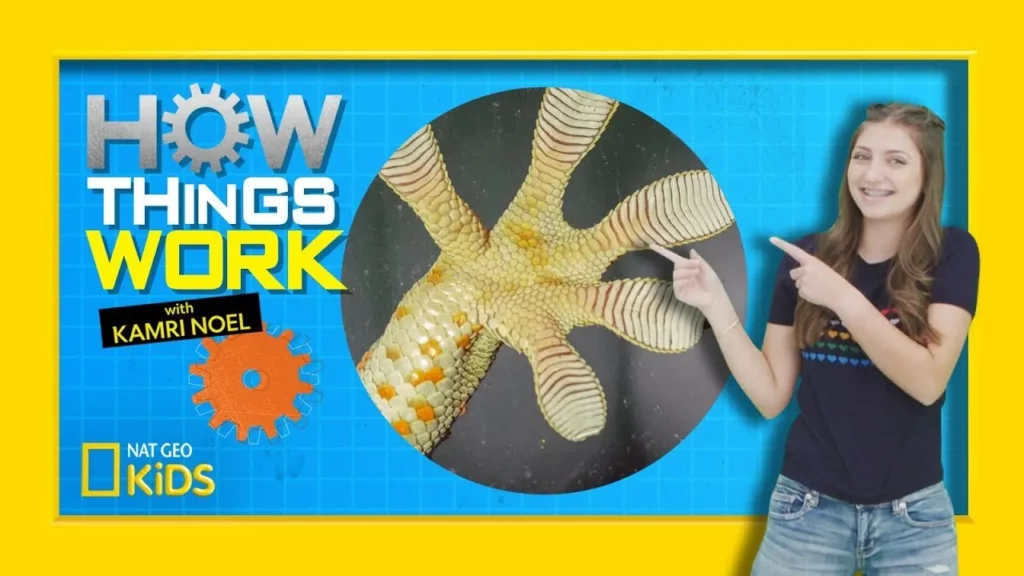
In this lesson, we explore how geckos, like Kamri’s pet Apollo, are able to climb walls without claws or sticky substances. The secret lies in their feet, which are covered in millions of tiny hair-like structures called setae that create a strong grip on surfaces through their split ends. This unique adaptation allows geckos to move effortlessly and explore their environment.
How Submarines Work | How Things Work with Kamri Noel
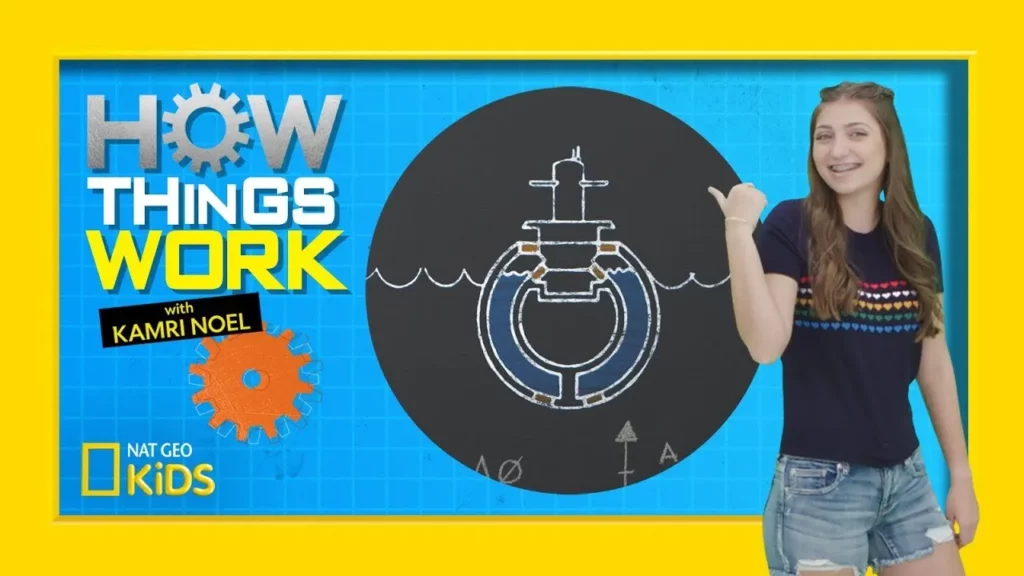
In this lesson, Kamri explains how submarines operate, highlighting their unique design with two layers and ballast tanks that allow them to dive and rise in water. By filling the ballast tanks with water, submarines become denser and sink, while pumping air into the tanks makes them buoyant, allowing them to float back to the surface. Additionally, submarines use SONAR technology to navigate underwater by sending out sound waves and interpreting the echoes to detect objects around them.
Sloth Bear ???? | Amazing Animals
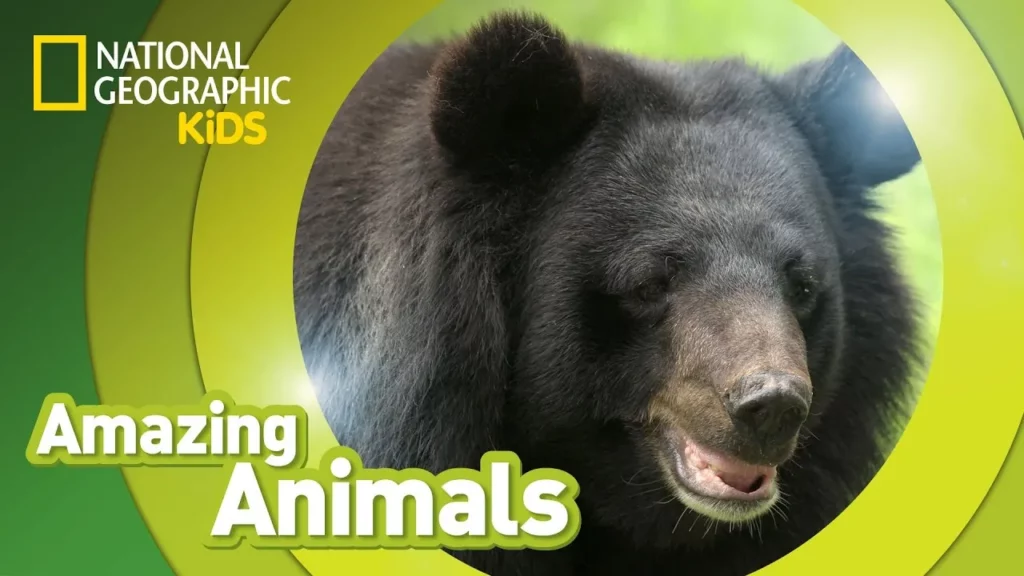
The lesson introduces the fascinating sloth bear, an omnivorous animal known for its unique eating habits, such as using its long claws to extract insects from their nests. Found in the forests of the Indian subcontinent, sloth bears are distinct from their brown bear relatives and have interesting interactions with humans, including a history of being kept as pets. Overall, sloth bears are remarkable creatures with special traits that make them worth learning about.
How Popcorn Works | How Things Work with Kamri Noel
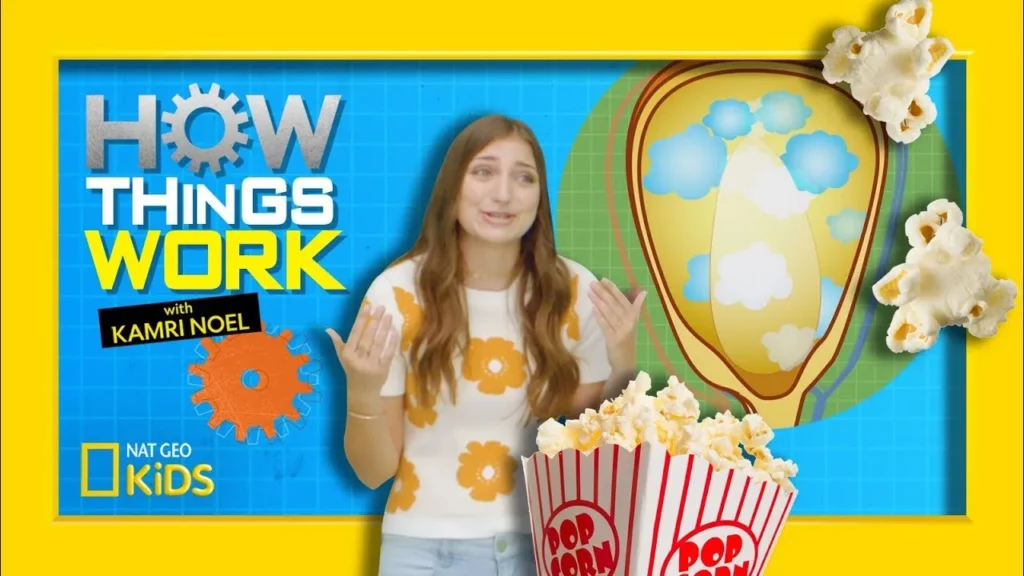
In this lesson, Kamri explains the science behind how popcorn pops, with insights from National Geographic Explorer Asher Jay. Popcorn kernels, which are a special type of corn with a strong hull, trap steam when heated, causing pressure to build until the kernel bursts open, transforming the starch inside into the fluffy popcorn we enjoy. The lesson highlights the unique structure of popcorn and encourages further exploration of scientific concepts.
How 3D Printers Work | How Things Work with Kamri Noel
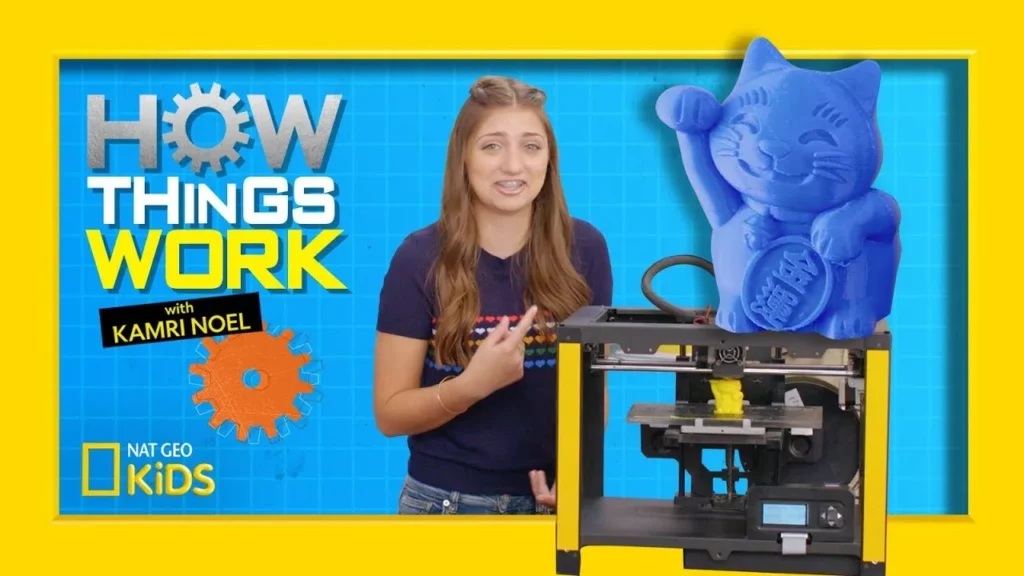
In the lesson “Discovering the Magic of 3D Printing,” Kamri shares her exciting experience with 3D printers at her school, initially printing small models and later seeking help from expert Cody Goldhahn. Cody explains the additive process of 3D printing, comparing it to icing a cake, and highlights the versatility of materials that can be used, from plastics to biological tissues. The lesson emphasizes the creative potential of 3D printing, allowing individuals to design and produce a wide range of objects from digital blueprints.
African Elephant ???? | Amazing Animals
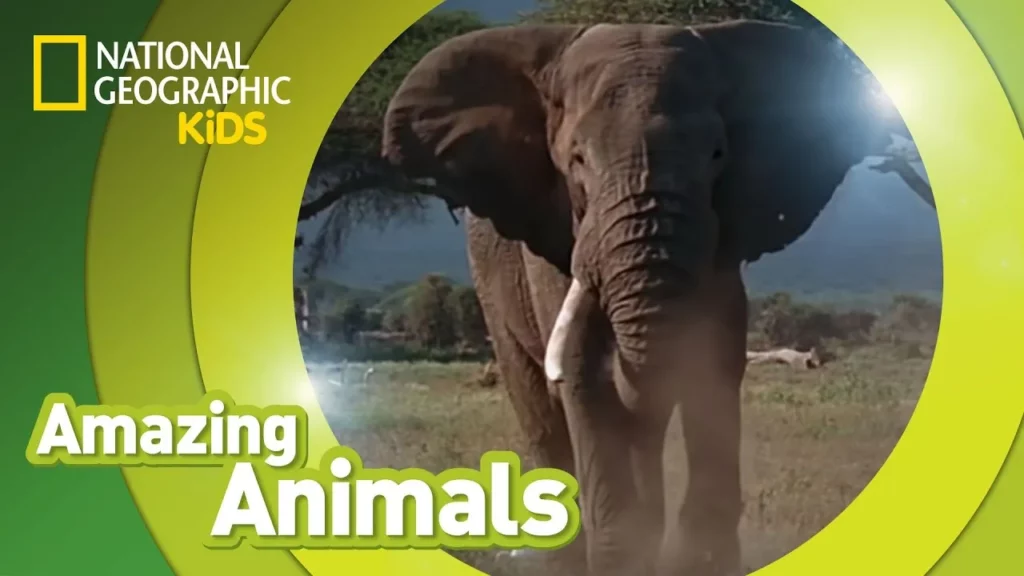
The lesson introduces the African elephant, highlighting its distinctive features such as large ears that help regulate body temperature and a versatile trunk that functions like a fifth arm. It emphasizes the elephant’s habitat across various regions of Africa and its status as the largest land animal, requiring a substantial daily diet of plants. Overall, the African elephant is portrayed as a remarkable and fascinating creature.