
Cobra ???? | Amazing Animals
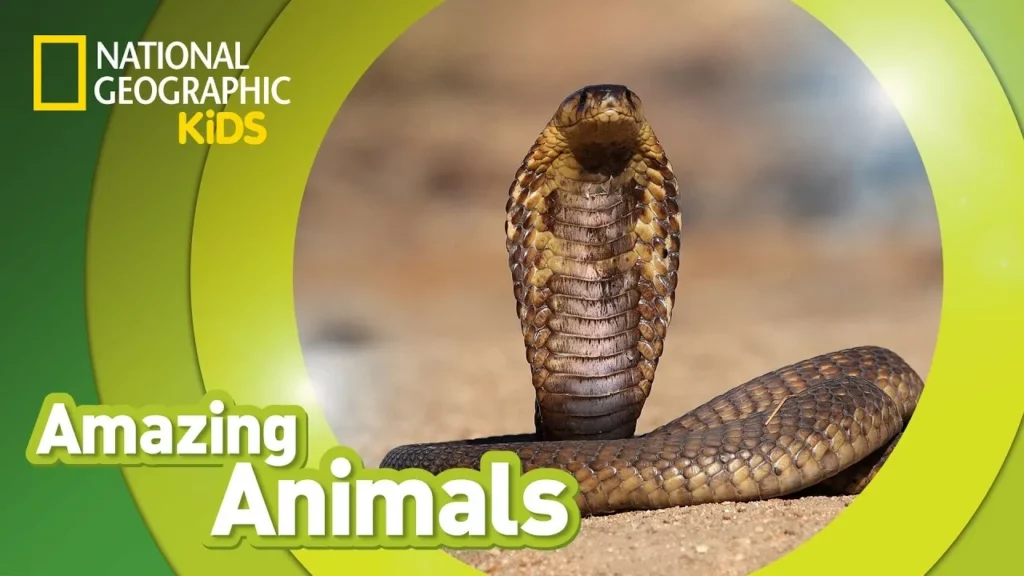
In this lesson, we explored the fascinating world of the King Cobra, a venomous snake native to parts of Asia, particularly the Western Ghats in India. We learned about their unique characteristics, such as their continuous growth and skin shedding, impressive swimming abilities, powerful venom, and diet, which primarily consists of other snakes. Overall, the King Cobra is celebrated for its remarkable adaptations and skills, making it a truly amazing animal.
Army Ant ???? | Amazing Animals
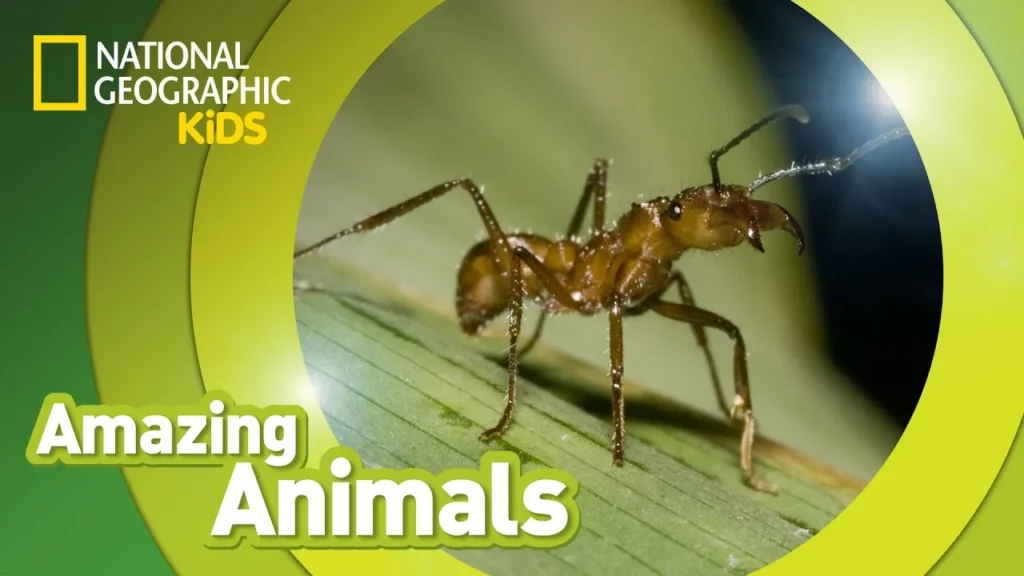
In this lesson, we explore the fascinating world of army ants, known for their coordinated movements and essential role in tropical rainforest ecosystems. Each ant in the colony has a specific job, from soldier ants that protect the group to forager ants that gather food, while communication is achieved through chemical trails. Additionally, army ants demonstrate remarkable building skills by creating temporary nests for their queen before relocating, showcasing their unique behaviors and contributions to their environment.
Gila Monster | Amazing Animals
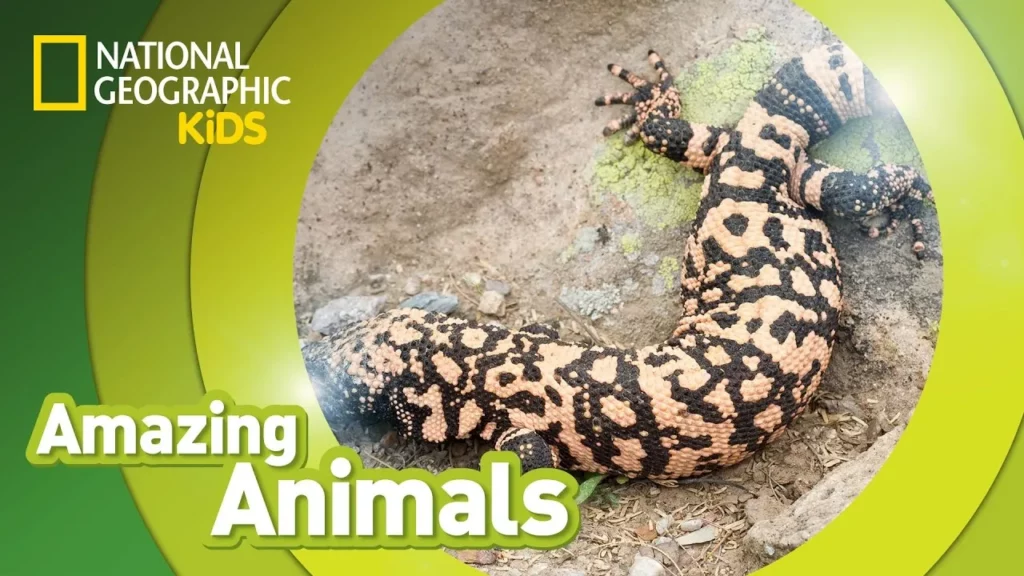
In this lesson, students explore the fascinating Gila Monster, the largest lizard in North America, found in the deserts of the Southwest United States and Northwestern Mexico. They learn about its carnivorous diet, unique venomous defense mechanism, and interesting behaviors, such as male wrestling during the breeding season, highlighting the Gila Monster’s remarkable adaptations and characteristics.
Banded Mongoose | Amazing Animals
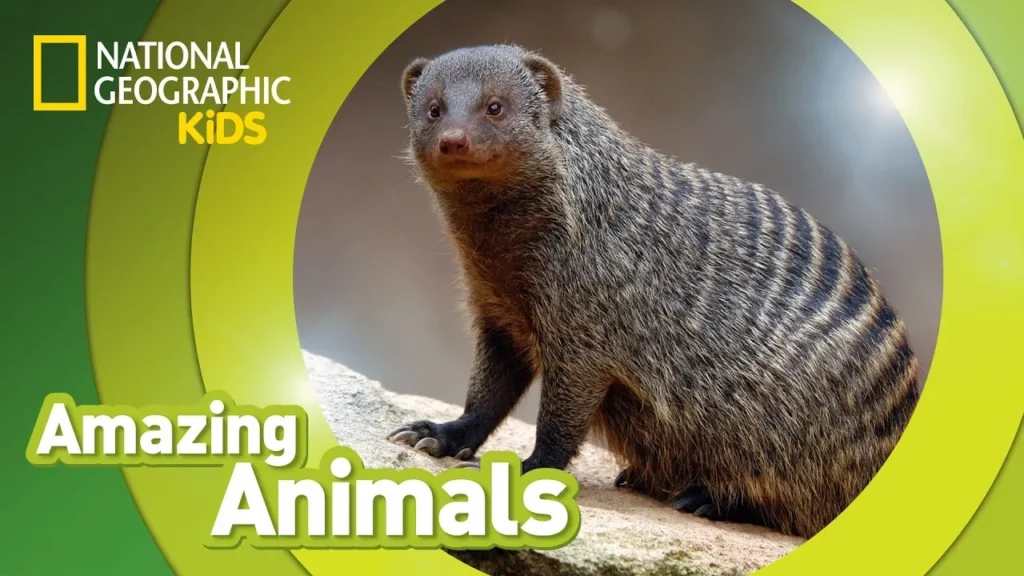
The lesson introduces the banded mongoose, a fascinating animal native to sub-Saharan Africa, known for its diverse diet and social behavior. These mongooses live in groups for safety, help each other care for their young, and even form symbiotic relationships with other animals like warthogs. Overall, the banded mongoose exemplifies teamwork and adaptability in the wild.
Tiger ???? | Amazing Animals
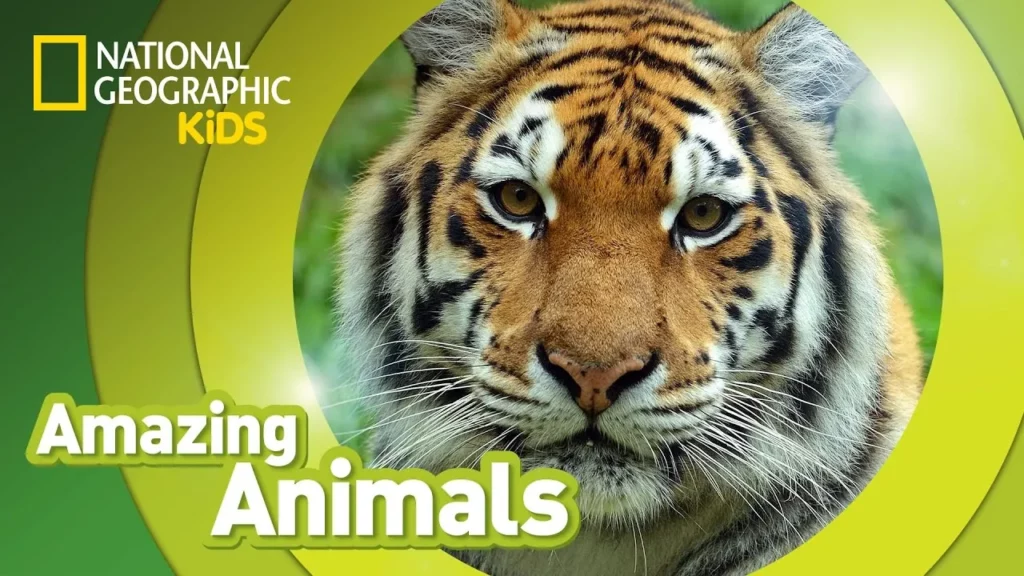
In this lesson, we explored the fascinating world of tigers, the largest cats on Earth, found primarily in regions like India and Southeast Asia. We learned about their unique physical characteristics, such as their distinctive stripes, and their remarkable hunting abilities, as well as the importance of conserving these magnificent creatures, given their dwindling populations in the wild.
African Lion ???? | Amazing Animals
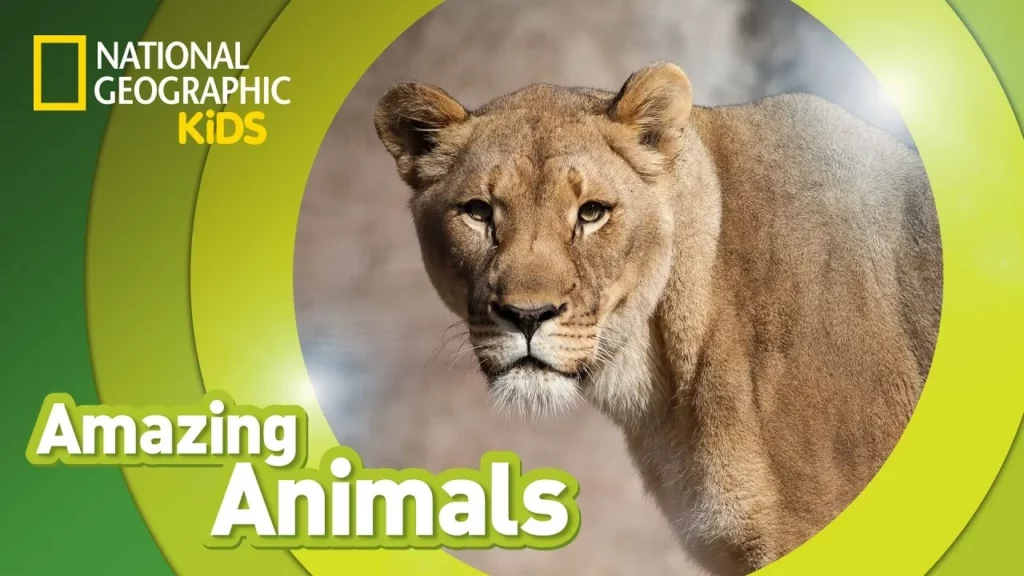
In this lesson, we explored the fascinating world of the African Lion, often referred to as the “King of the Jungle,” despite their actual habitat being primarily in Africa and parts of India. We learned about their unique social structure, where they live in family groups called prides, with lionesses taking on the role of hunters and caregivers, while male lions protect the pride with their impressive roars. Overall, the African lion is celebrated for its strength, family dynamics, and hunting prowess.
Gorilla | Amazing Animals
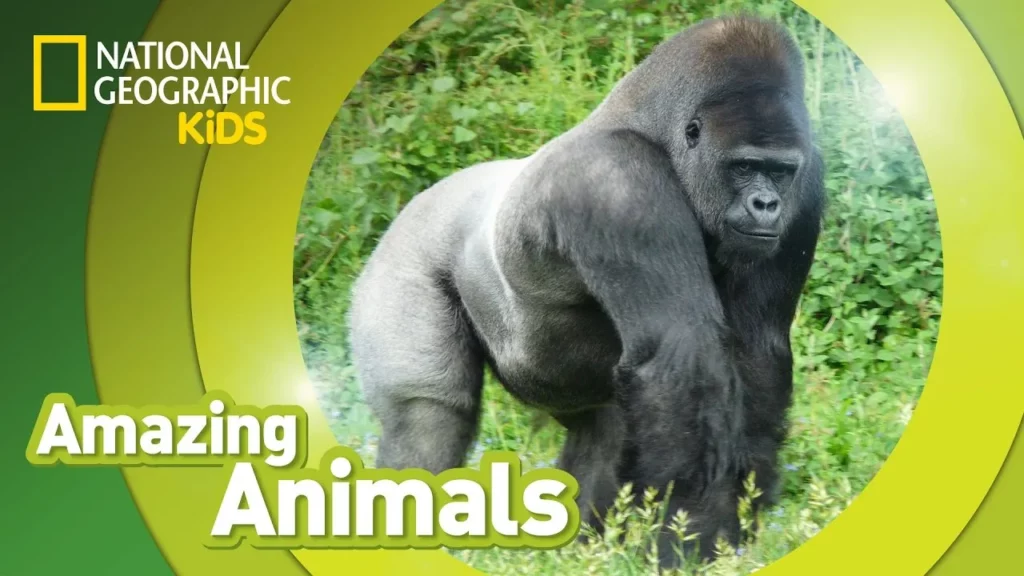
In this lesson, we explored the fascinating world of the Western Lowland Gorilla, highlighting their natural habitat in the forests of Western Africa and their diet, which includes various plants. We learned about their social structure, with troops led by a Silverback male, and the importance of play for baby gorillas as they develop social skills and bond with their mothers and troop members. Overall, the lesson emphasized the intelligence and uniqueness of these remarkable animals.
How Trebuchets Work | How Things Work with Kamri Noel

In this lesson, Kamri explores the fascinating mechanics of trebuchets, medieval machines that function like advanced catapults, capable of launching various projectiles over castle walls. With the help of expert Tom, she learns about the mechanics behind trebuchets, including the lever and sling system, the role of kinetic and potential energy, and how the weight of objects affects their flight distance. This engaging overview not only prepares her for her exam but also sparks curiosity about historical engineering marvels.
Beetle ???? | Amazing Animals
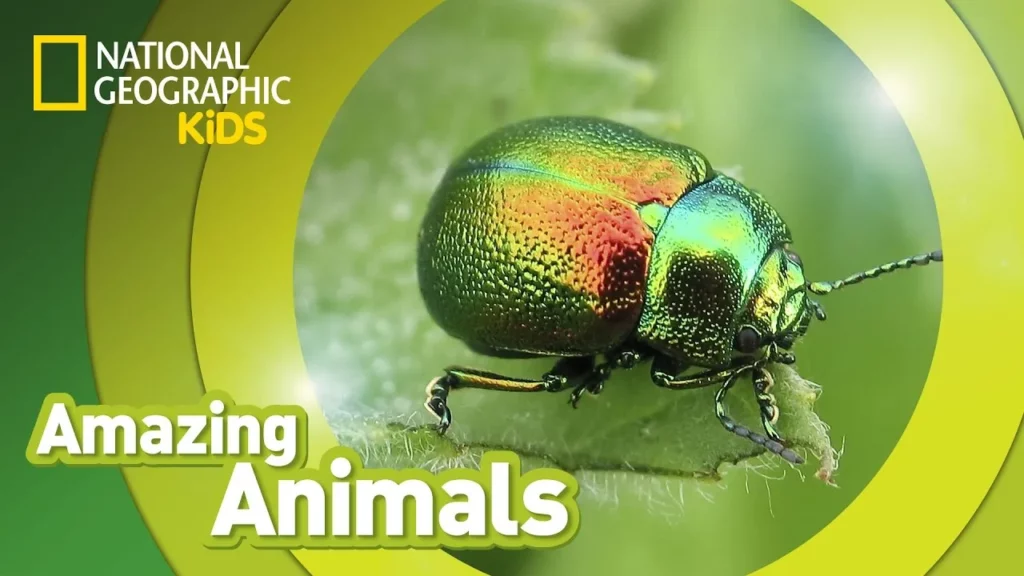
In this lesson, we explored the fascinating roughened darkling beetle, an insect known for its remarkable winter survival skills, including the ability to produce antifreeze-like substances to endure freezing temperatures. Found primarily in the northern United States and Canada, these beetles thrive on both fresh and decaying plants, while also being cautious of predators like sun spiders and birds. Overall, the lesson highlights the unique adaptations and resilience of this incredible beetle species.
Christmas Crab ???? | Amazing Animals
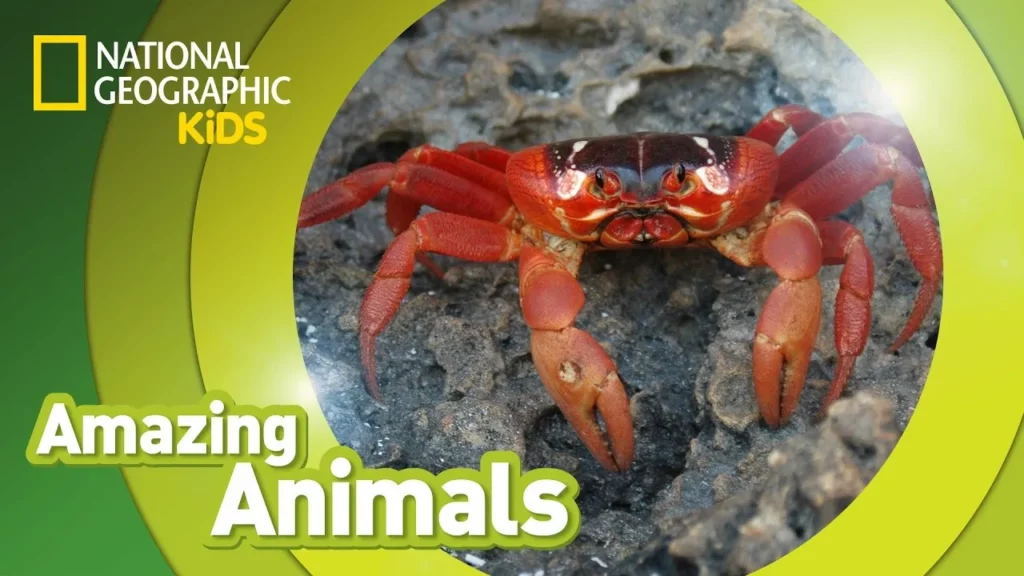
The lesson introduces the Christmas Crab, a remarkable species native to Christmas Island in Australia, known for its annual migration of over 50 million crabs to the sea to lay eggs. This journey, which spans about five miles and can take a month, highlights the crabs’ unique behaviors and challenges, including avoiding predators like yellow crazy ants. The lesson emphasizes the fascinating aspects of these crabs, from their diet as omnivores to the lifecycle of their offspring, showcasing the wonders of nature.