
Cheetah | Amazing Animals
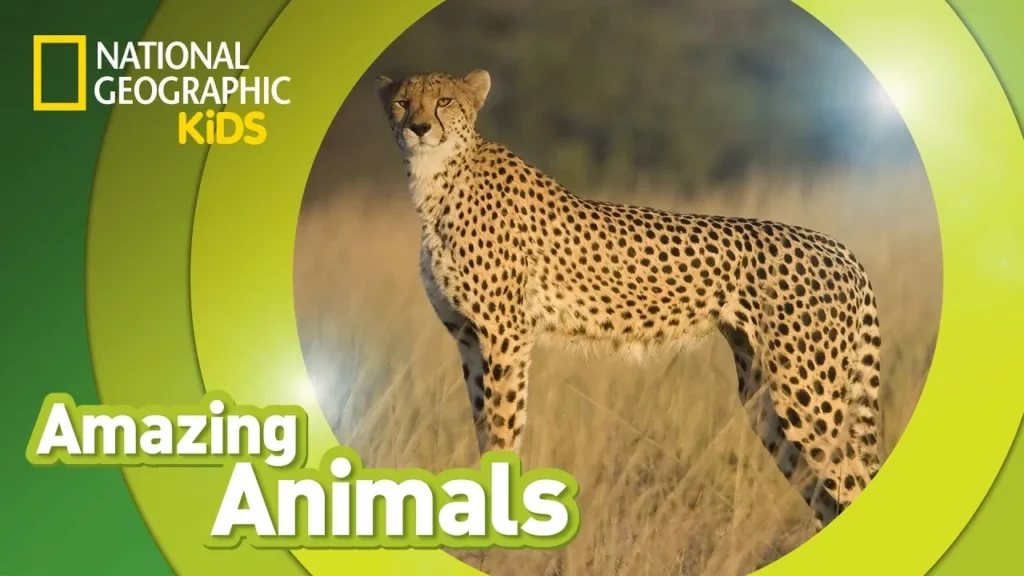
In this lesson about cheetahs, we learn that they are the fastest land mammals, capable of incredible speeds but only for short bursts. Cheetah cubs rely on their mothers for guidance and learn essential hunting skills through play and practice, while their exceptional eyesight aids them in spotting prey during daytime hunts. Despite their remarkable abilities, cheetahs face challenges in the wild, including competition with lions and declining populations.
Blue Whale ???? | Amazing Animals
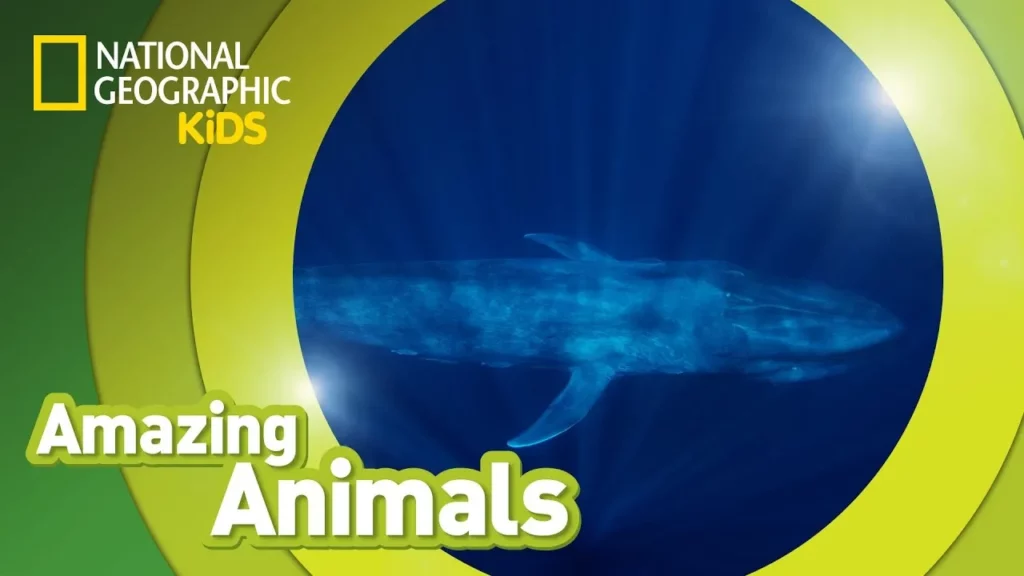
The lesson introduces the blue whale, the largest mammal on Earth, highlighting its impressive size, habitat, and diet. Students learn that blue whales can grow up to 98 feet long and weigh as much as 180 tons, primarily feeding on krill. The lesson also emphasizes the blue whale’s endangered status, underscoring the importance of conservation efforts to protect these magnificent creatures.
Bottlenose Dolphin ???? | Amazing Animals
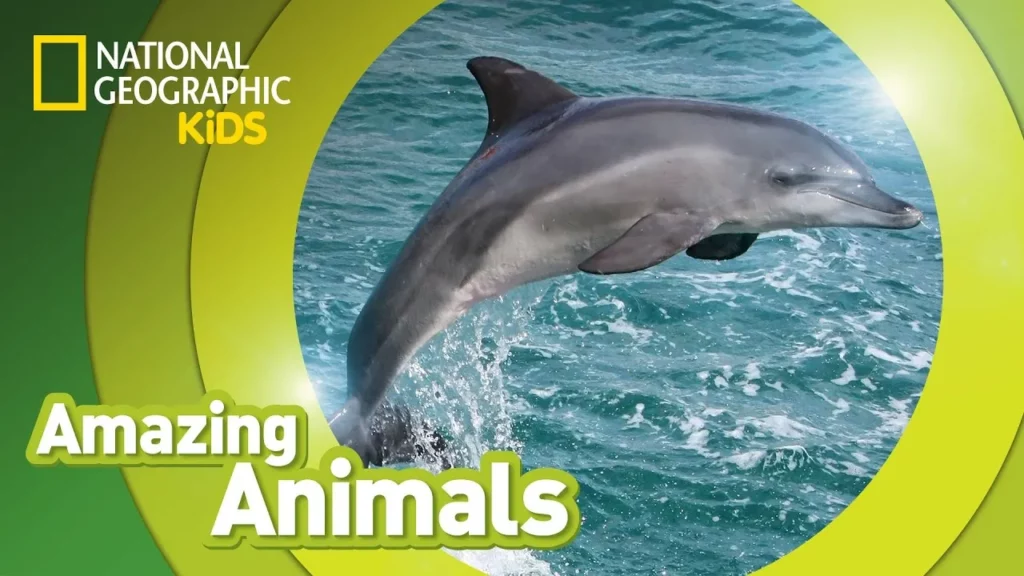
The lesson introduces the bottlenose dolphin, highlighting its intelligence, social behavior, and communication skills. These dolphins live in groups called pods, use sounds to communicate and locate food, and are known for their impressive swimming speed and friendly interactions with humans. Overall, bottlenose dolphins are celebrated for their remarkable abilities and their role in the ocean ecosystem.
Gentoo Penguin ???? | Amazing Animals
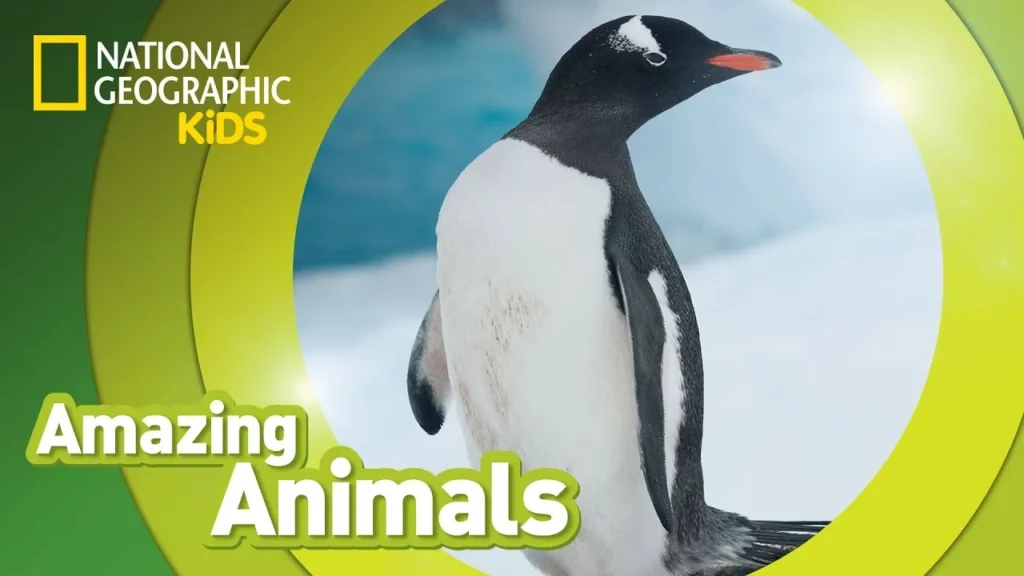
In this lesson about Gentoo Penguins, we explore their unique behaviors and characteristics, including their social nature, nest-building rituals, and impressive swimming abilities. These penguins, found near Antarctica, work together as a team to care for their chicks, showcasing their dedication and cleverness. Overall, Gentoo Penguins are fascinating creatures that highlight the wonders of the animal kingdom.
Red-eyed Tree Frog ???? | Amazing Animals
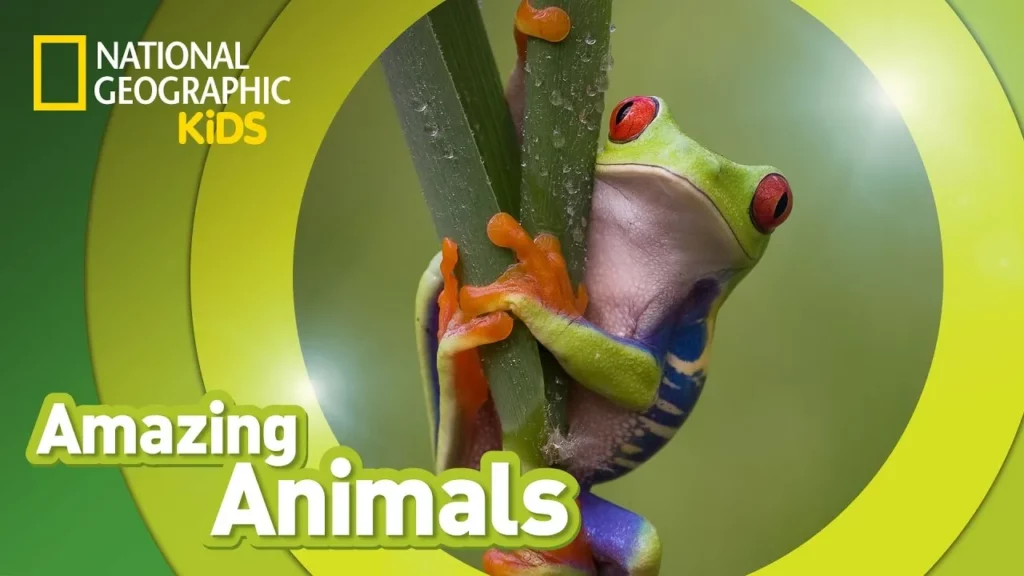
The lesson introduces the red-eyed tree frog, an intriguing amphibian found in Central America, known for its unique features such as three eyelids and sticky toe pads that aid in climbing trees. Active at night, these frogs hunt for insects while using their vibrant colors and clever camouflage during the day to evade predators. The lesson highlights the frog’s remarkable adaptations and behaviors, emphasizing its special place in the animal kingdom.
Monarch Butterfly | Amazing Animals
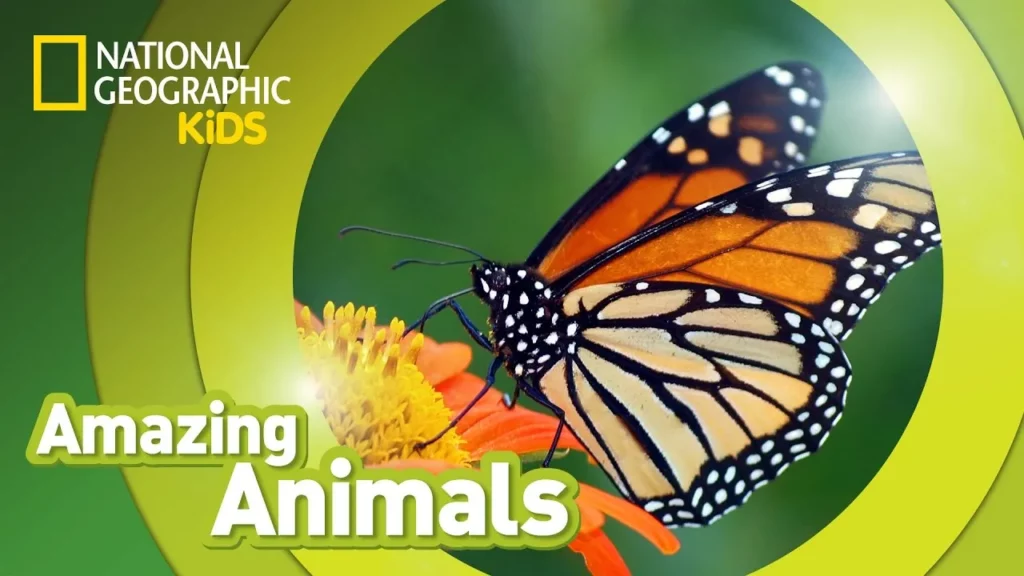
In this lesson, we explored the fascinating life cycle of the monarch butterfly, which begins as an egg on a milkweed plant and undergoes a remarkable transformation into a butterfly. We learned about their incredible ability to travel long distances, sometimes even thousands of miles, with some generations returning to the same resting spots as their ancestors. The monarch butterfly’s journey and metamorphosis highlight the wonders of nature and the resilience of this beautiful creature.
Wolf Eel | Amazing Animals
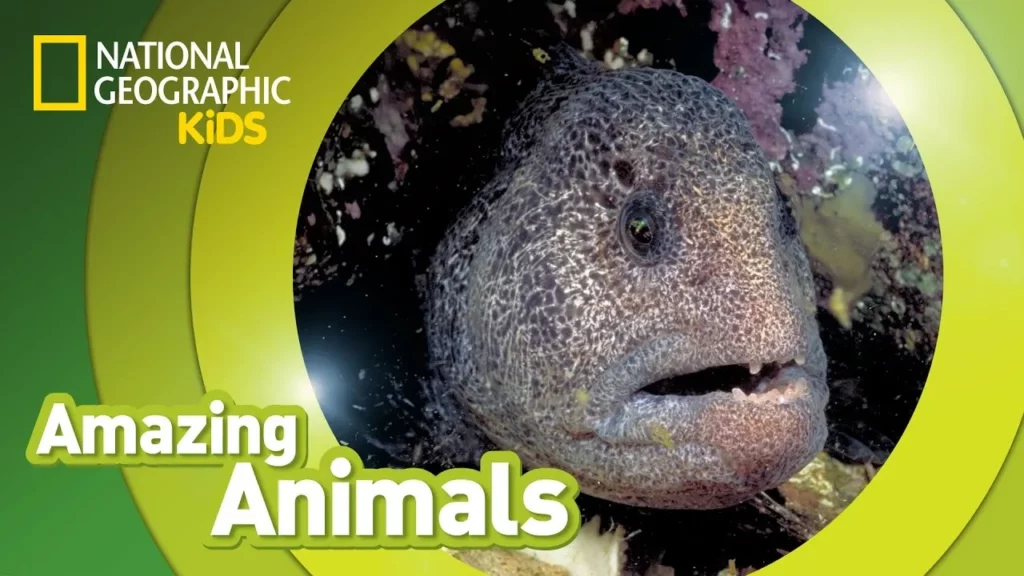
The lesson introduces the wolf eel, a fascinating creature that, despite its name, is actually a long fish found in the northern Pacific Ocean. These gentle giants play a crucial role in their ecosystem by controlling sea urchin populations, and they are known for their strong pair bonds, showcasing both their hunting skills and romantic nature. Overall, wolf eels are remarkable animals that contribute to ocean health while demonstrating loyalty in their relationships.
How Digital Cameras Work | How Things Work with Kamri Noel

In this lesson, we explore how digital cameras function, starting from the moment the shutter button is pressed, allowing light to enter through the lens and reach the sensor. The sensor converts this light into electrical signals, which form pixels that determine the photo’s resolution and detail. By adjusting settings like shutter speed, you can capture clearer images, even of moving subjects, and the lesson encourages hands-on experimentation with photography.
Eastern Gray Kangaroo | Amazing Animals
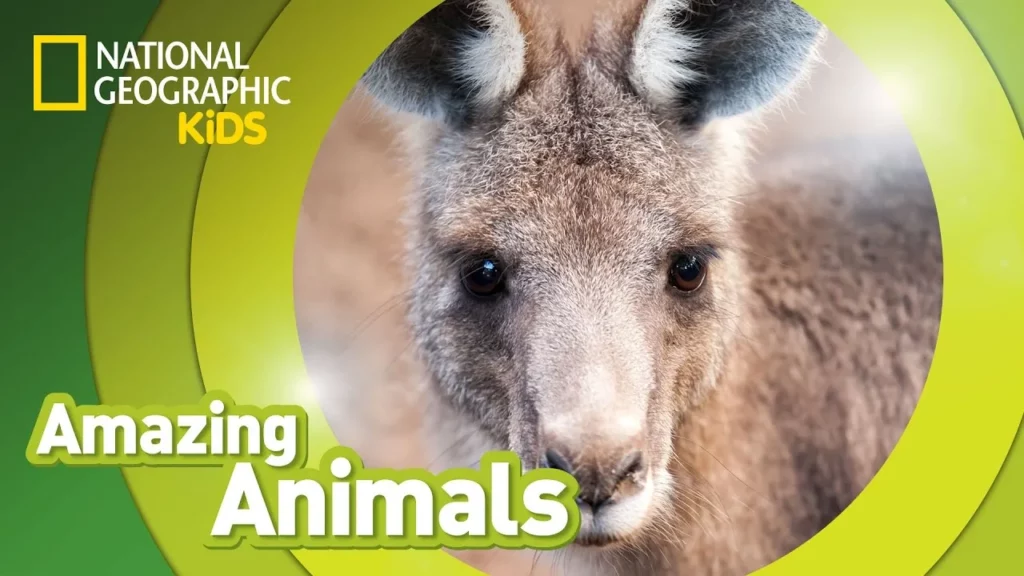
In this lesson, we explored the fascinating Eastern Gray Kangaroo, scientifically known as *Macropus giganteus*, which is known for its large feet and impressive size. These kangaroos inhabit eastern Australia, living in groups called “mobs” and are adept at thriving in various environments. We also learned about their unique reproductive habits, including the care of their young, or “joeys,” in a special pouch, highlighting their significance as iconic Australian animals.
Black Rhino | Amazing Animals
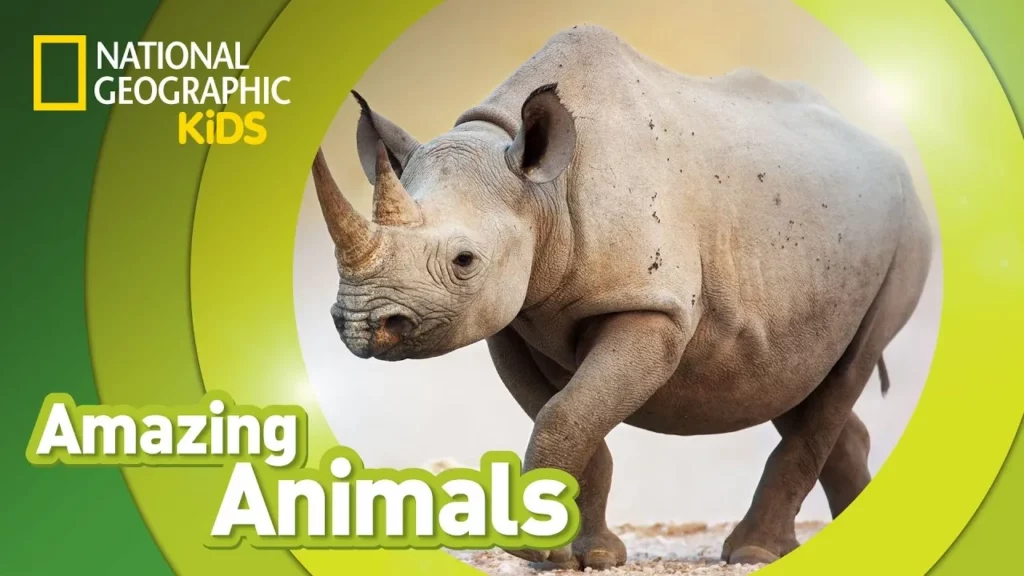
In this lesson, we explored the fascinating world of black rhinos, which inhabit eastern and southern Africa and have existed for nearly 12 million years. We learned about their remarkable senses, particularly their keen hearing and smell, as well as their strong and sometimes aggressive nature. Additionally, we discovered the nurturing behavior of mother rhinos towards their calves and the importance of conservation to ensure these incredible animals continue to thrive.