
Secretary Bird | Amazing Animals
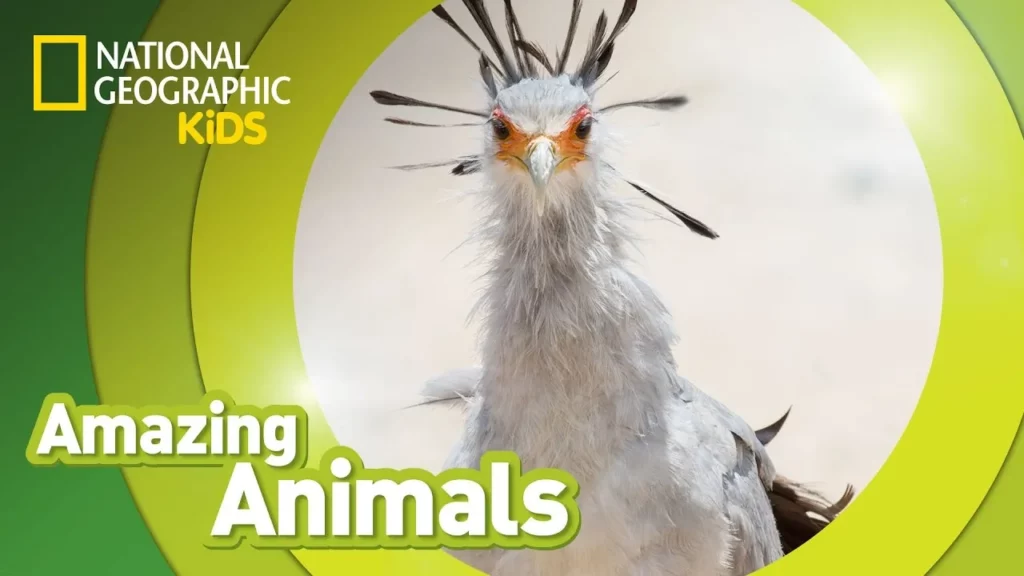
The lesson introduces the fascinating Secretary Bird, a unique bird native to sub-Saharan Africa known for its impressive long legs and exceptional hunting skills. With a distinctive appearance and clever techniques for capturing prey, such as using its head feathers to distract and powerful stomping to catch food, the Secretary Bird also demonstrates strong parental care by building high nests and feeding its chicks. Overall, this bird’s remarkable traits make it a standout species in the animal kingdom.
Spotted Owl | Amazing Animals
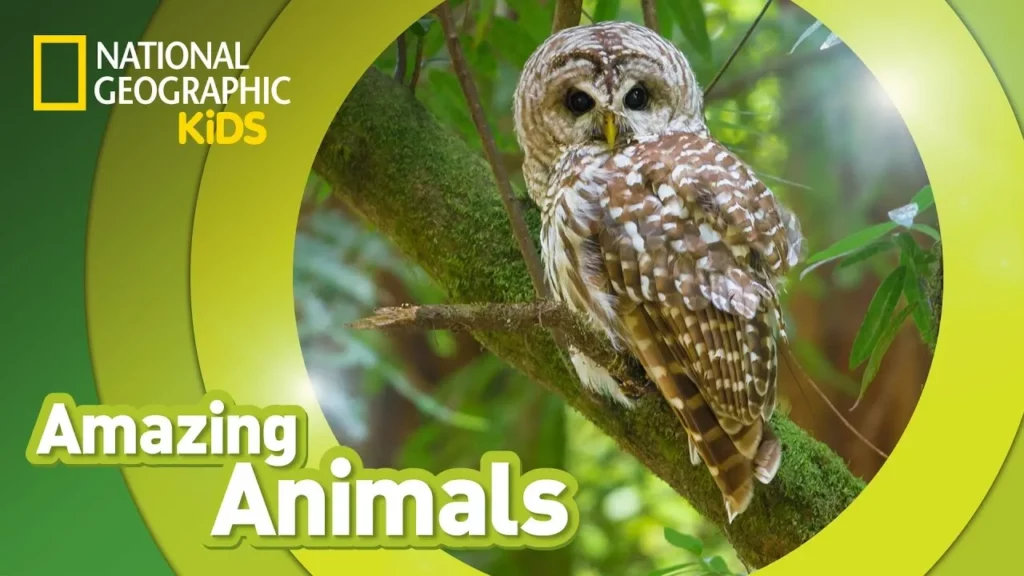
In this lesson about the Spotted Owl, students learn about the habitat, diet, and unique characteristics of this remarkable bird found along the West Coast of North America. The Spotted Owl thrives in old forests, primarily hunts small animals like mice, and possesses exceptional night vision and silent flight, making it an effective predator. Overall, the lesson highlights the Spotted Owl’s adaptations that contribute to its status as one of America’s most fascinating owls.
Frogfish | Amazing Animals
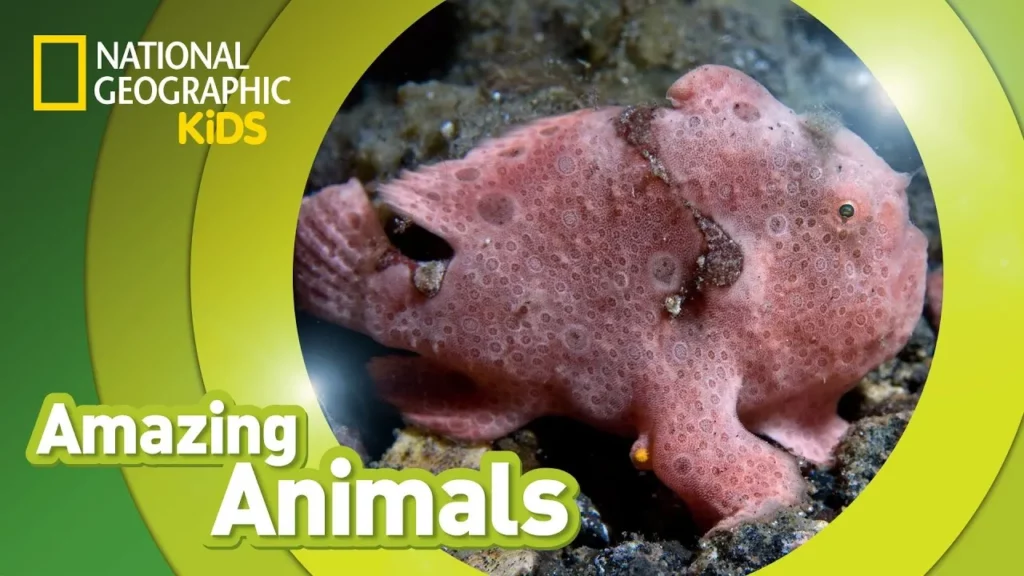
The lesson introduces the fascinating frogfish, a unique type of fish that resembles a frog and thrives in warm, tropical oceans. It highlights their remarkable hunting technique, using a specialized fin to lure prey, and their energy-efficient lifestyle of remaining still to catch food. Overall, frogfish are celebrated for their clever adaptations and ability to blend into their colorful surroundings.
Harpy Eagle | Amazing Animals
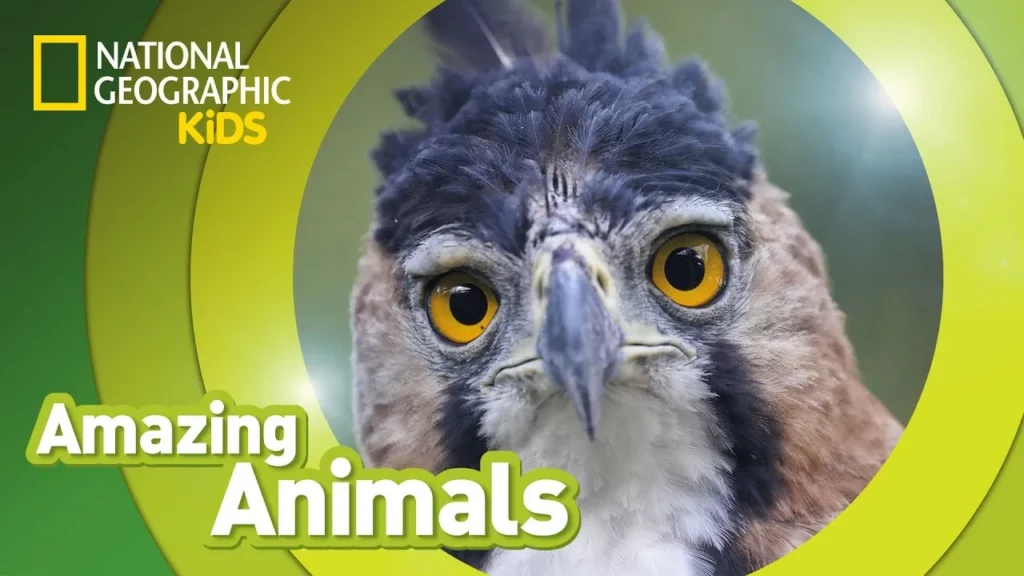
In this lesson, students are introduced to the Harpy Eagle, a powerful and majestic bird often referred to as the “ruler of the rainforest” due to its impressive size and strength. With a wingspan of about 6.5 feet and talons as large as a grizzly bear’s, the Harpy Eagle is an exceptional predator that primarily hunts in the rainforests of Central and South America. Its striking feathers not only enhance its beauty but also help it blend into its natural habitat, making it a fascinating subject of study.
Scorpion | Amazing Animals
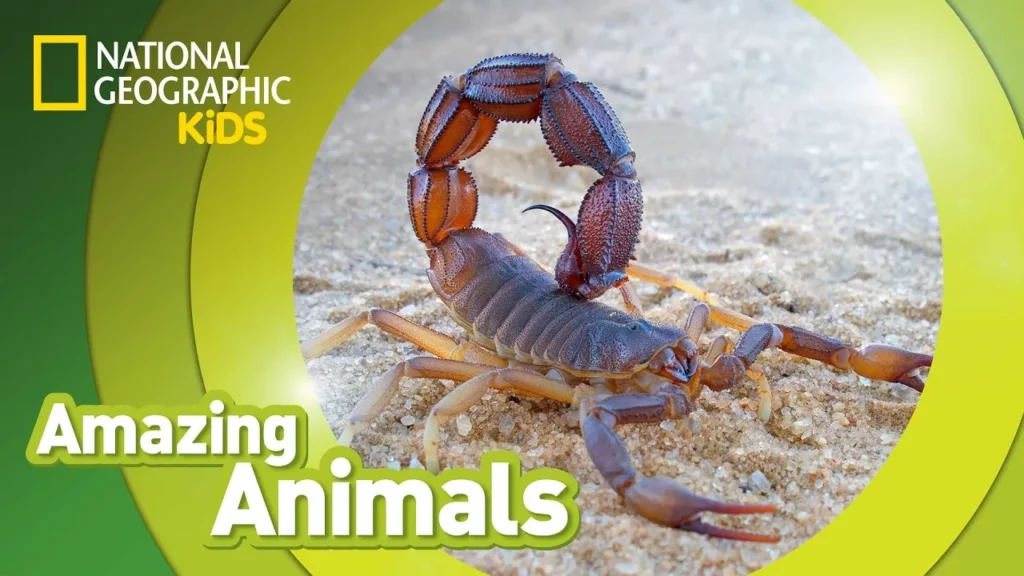
In this lesson, students explore the fascinating world of scorpions, learning about their diverse species, habitats, and unique characteristics. Scorpions, part of the arachnid family, possess special features such as venom, glowing abilities under UV light, and a unique feeding method. Despite their tough exterior, they have natural enemies and play an important role in their ecosystems, highlighting their remarkable adaptability and resilience.
Wildebeest | Amazing Animals
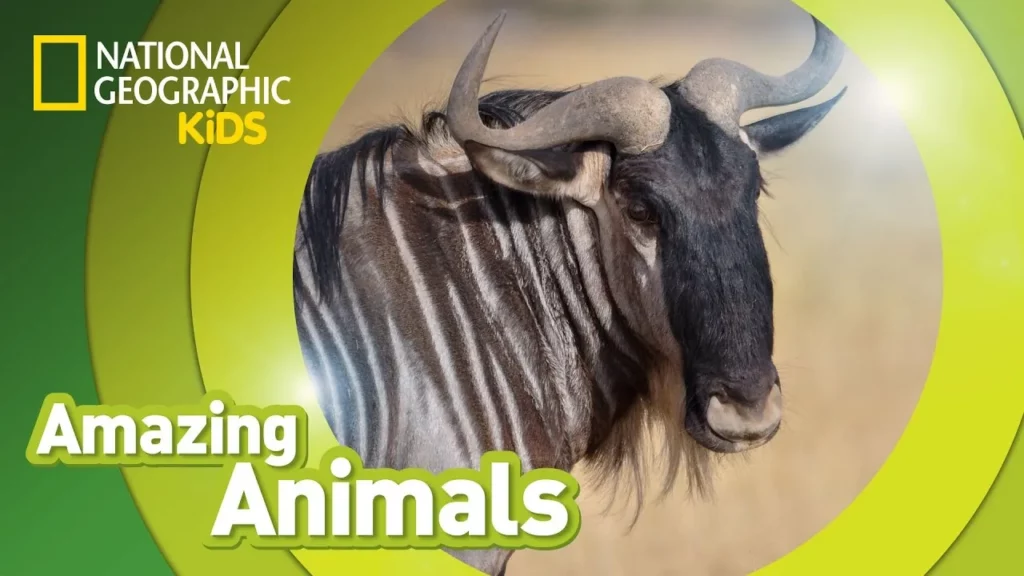
In this lesson, students learn about the fascinating wildebeest, also known as the gnu, and their remarkable annual migration across the grasslands of Kenya and Tanzania. This journey, the largest land animal migration in the world, involves about a million wildebeests traveling 300 miles in search of fresh grass while facing dangers like hungry predators and treacherous river crossings. The lesson highlights the resilience and bravery of these animals, especially the challenges faced by newborn wildebeests who must learn to walk quickly to survive.
Polar Bear | Amazing Animals
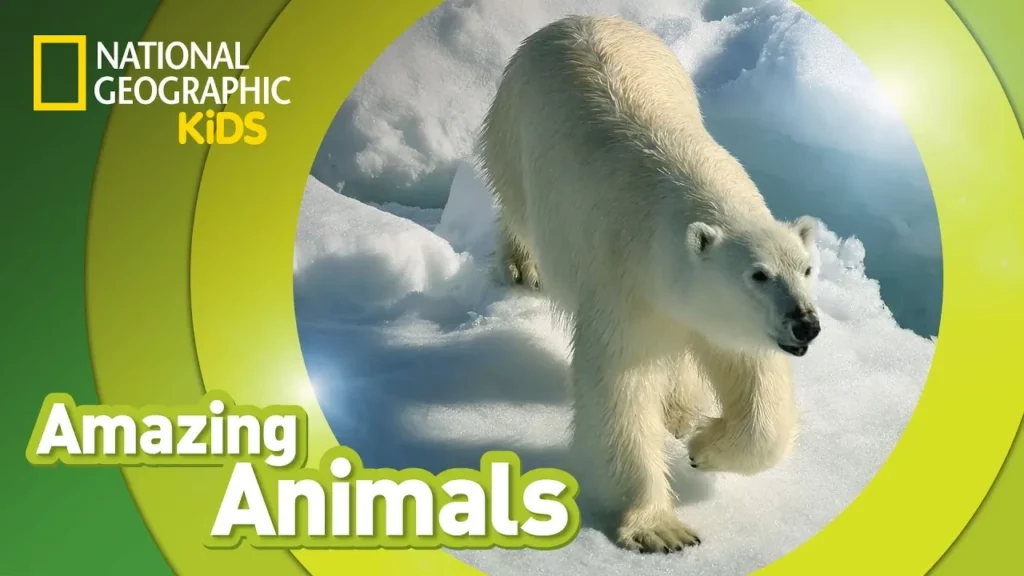
In this lesson, we explored the fascinating world of polar bears, known scientifically as *Ursus maritimus*, which means “maritime bear.” These magnificent animals primarily inhabit the Arctic, where they face challenges such as climate change and habitat loss, with only about 25,000 remaining in the wild. Despite their size and strength, polar bears are generally not a threat to humans, and it’s important to raise awareness about their conservation to ensure their survival.
Seahorse | Amazing Animals
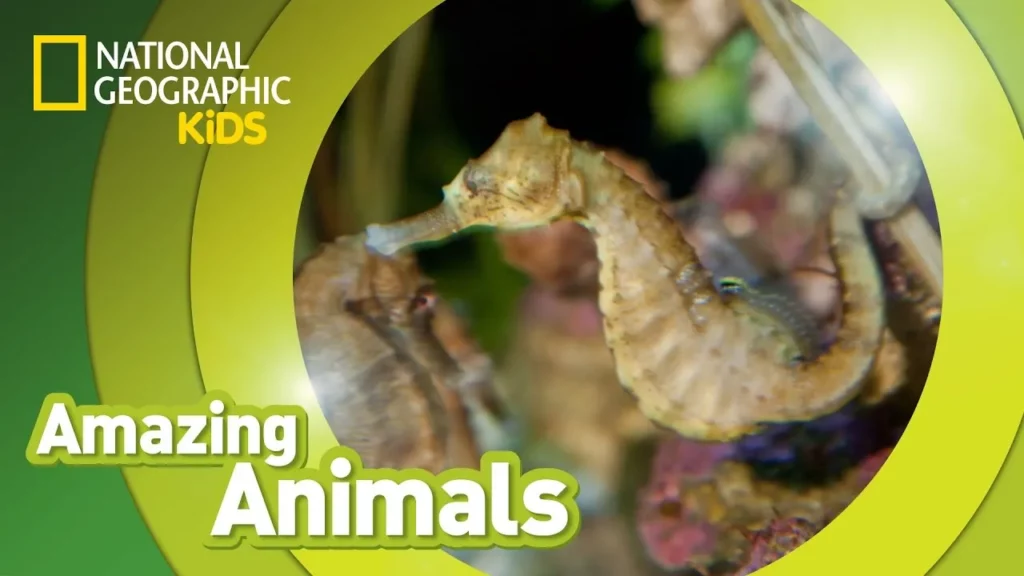
In this lesson, we explored the fascinating world of seahorses, unique creatures known for their slow swimming speed and beautiful appearance. We learned about their habitat in warm seawater and the origin of their name, as well as the remarkable fact that male seahorses are the ones that give birth, sometimes having up to 1,500 babies at once. Overall, seahorses are special animals that captivate our imagination despite their leisurely pace.
Raccoon | Amazing Animals
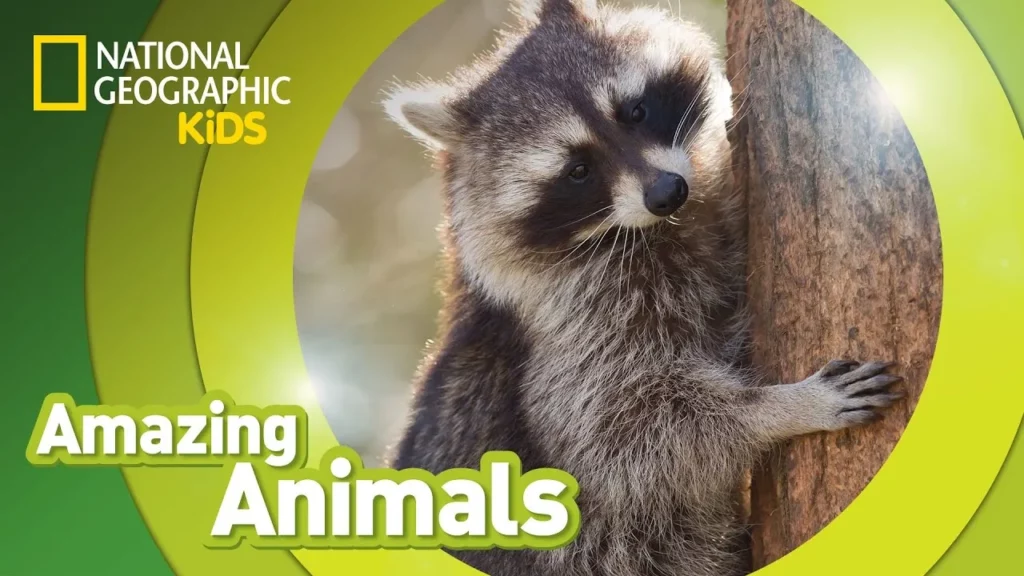
The lesson introduces the amazing raccoon, highlighting its adaptability to both urban and wild environments across North and Central America. It covers various aspects of raccoon life, including their nurturing of young in dens, their agile skills and omnivorous diet, unique communication methods, and preparations for winter. Despite their reputation as “backyard bandits,” raccoons are celebrated for their intelligence and resourcefulness.
Name That Poop!
In this lesson, students learn about animal scat, or poop, and its significance in understanding wildlife. By examining different types of scat, they can identify various animals, learn about their diets, habitats, and health, and engage in a fun game to reinforce their knowledge. The lesson emphasizes the importance of observing scat in nature as a way to connect with and learn about local wildlife.