
Let’s Make Slime!
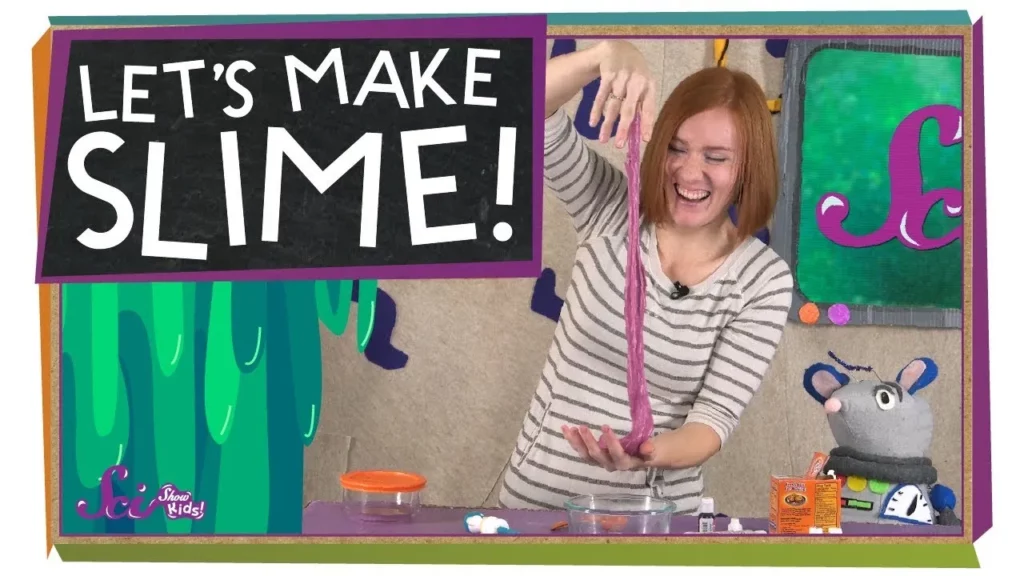
In this lesson, you will learn how to make fun and squishy slime at home using simple ingredients like school glue, baking soda, food coloring, and contact solution. The process involves mixing these ingredients in a bowl, observing the transformation of the mixture into slime, and understanding the science behind its unique properties as it behaves like both a solid and a liquid. Enjoy experimenting with your slime and remember to store it properly to keep it from drying out!
Frog or Toad?
In this lesson, students embark on an exciting backyard adventure to discover frogs and toads, learning to distinguish between the two. Key differences include skin texture, presence of paratoid glands, mouth structure, movement styles, leg length, habitat preferences, and egg-laying methods. By the end, students are encouraged to apply their newfound knowledge in a fun guessing game and explore their local environment for these fascinating creatures.
Why is blood red?
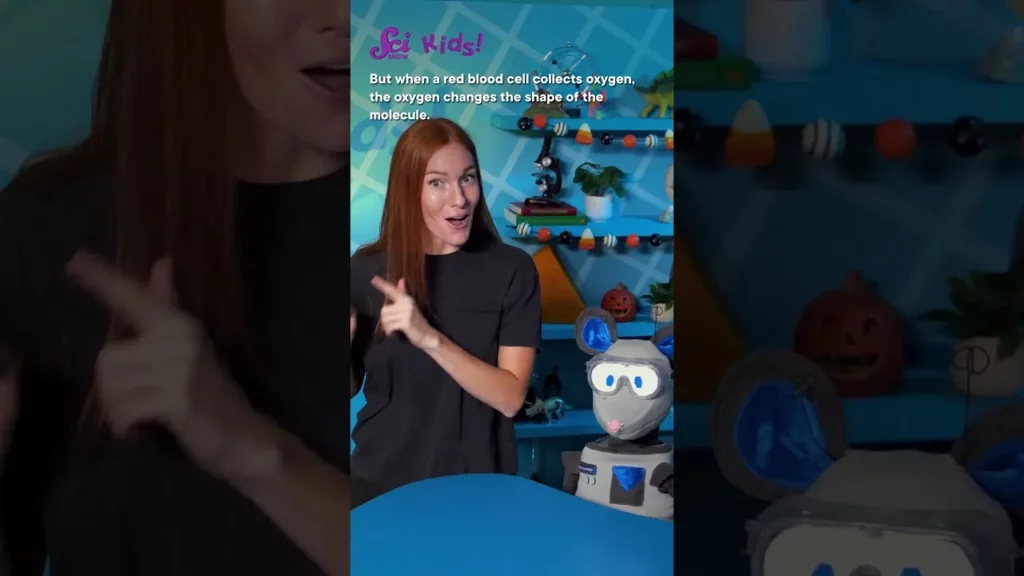
The lesson explains that blood is red primarily due to the presence of red blood cells, which contain iron. When these cells pick up oxygen from the lungs, the interaction changes the color of the blood from a dark red to a bright red, and as they deliver oxygen throughout the body, the blood returns to a duller shade. This fascinating process highlights the important role of red blood cells in transporting oxygen.
How do they make Play-Doh? #playdoh #toys #craft #diy #education
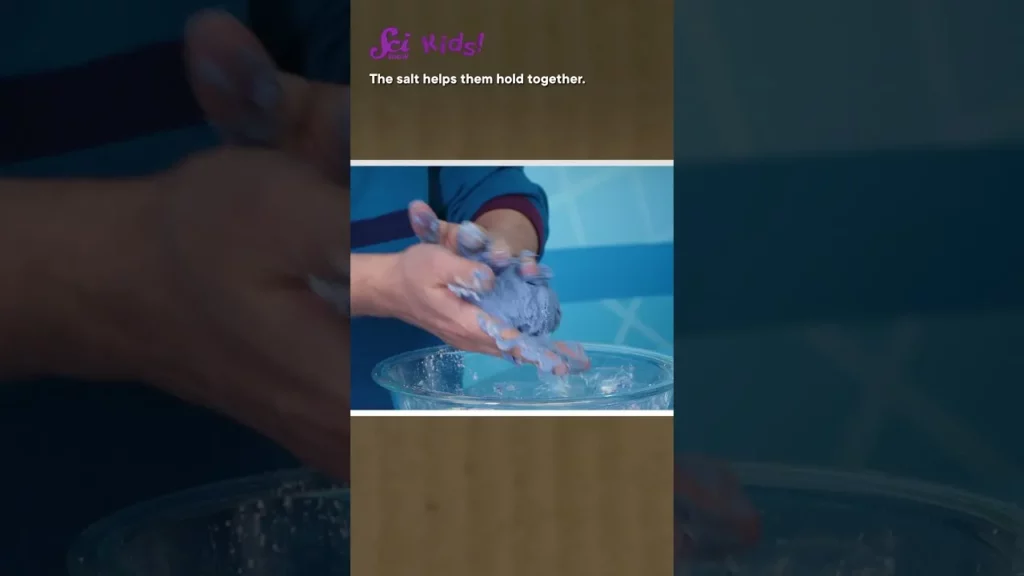
In this lesson, students learn how to make their own Play-Doh at home using simple ingredients like flour, salt, boiling water, and food coloring. By following a few easy steps, they discover the transformation of these ingredients into a fun, moldable dough, while also understanding the science behind the mixing process. This activity not only provides a creative outlet but also serves as an engaging way to explore basic chemistry concepts.
Our Favorites
In today’s lesson, we explored the fascinating world of cats and colors, learning that domestic cats share a lineage with big cats like lions and tigers, and possess remarkable abilities such as exceptional hearing. We also discovered how humans perceive colors through the retina’s rods and cones, and how different animals, including dogs and bees, see the world in unique ways. Additionally, we touched on the connection between birds and dinosaurs, and even conducted a fun experiment with eggs to illustrate scientific concepts.
Dung Beetles and Their Big Balls of Poop!
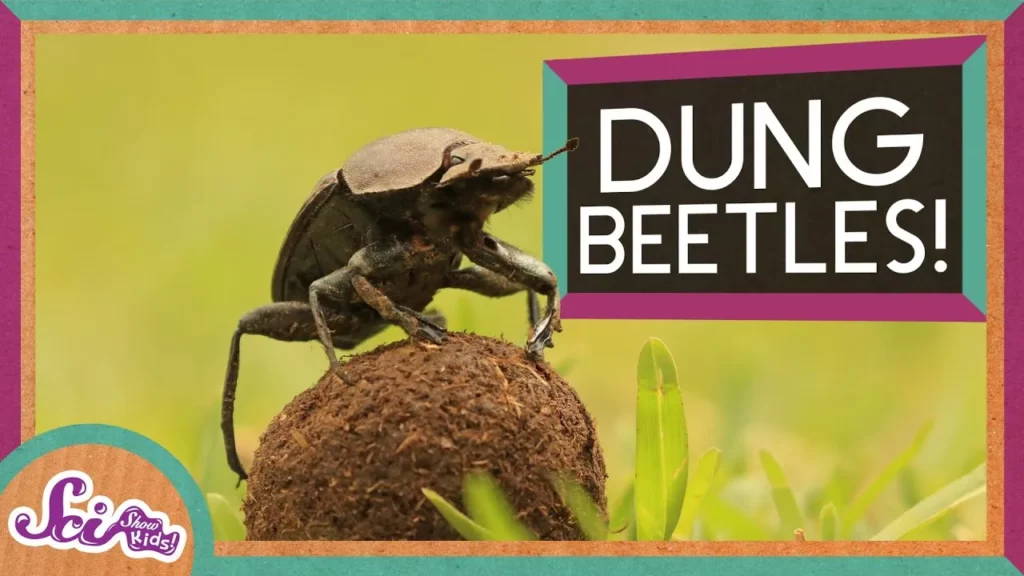
In this lesson, we explored the fascinating world of dung beetles, unique insects that play a crucial role in the ecosystem by recycling nutrients. We learned about their physical characteristics, habitats, and diet, which primarily consists of animal dung, providing essential nutrients for their health and the growth of their larvae. Dung beetles not only contribute to nutrient recycling but also demonstrate remarkable adaptations that highlight their importance in nature.
Why Do Mosquito Bites Itch?
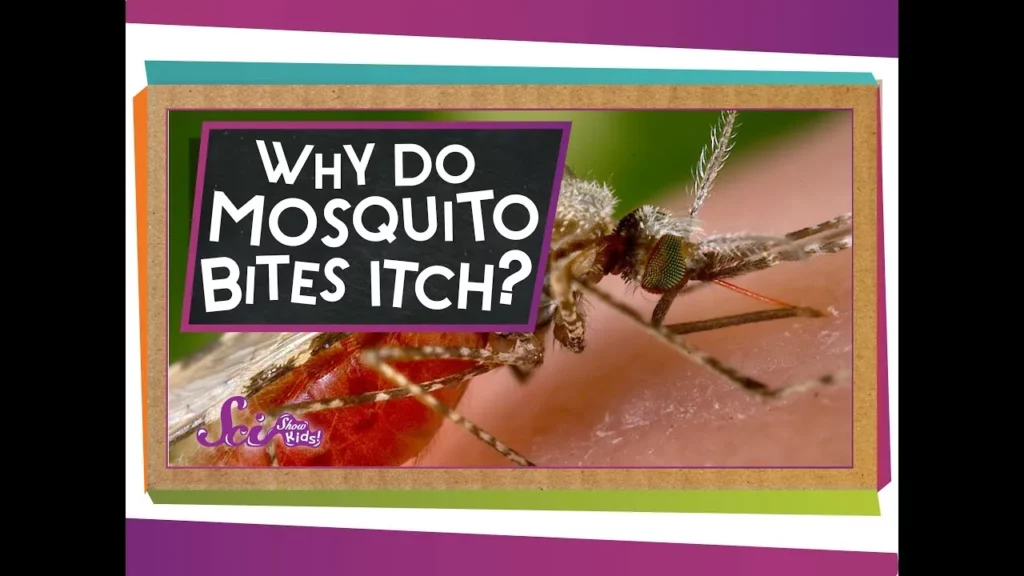
In this lesson, we learned that only female mosquitoes bite, using a specialized mouthpart called a proboscis to extract blood. When they bite, they inject chemicals that trigger an immune response in our bodies, leading to swelling and the characteristic itchiness of mosquito bites. To alleviate the itch, it’s best to avoid scratching and instead use remedies like ice or a baking soda paste.
Why Do We Have Belly Buttons?
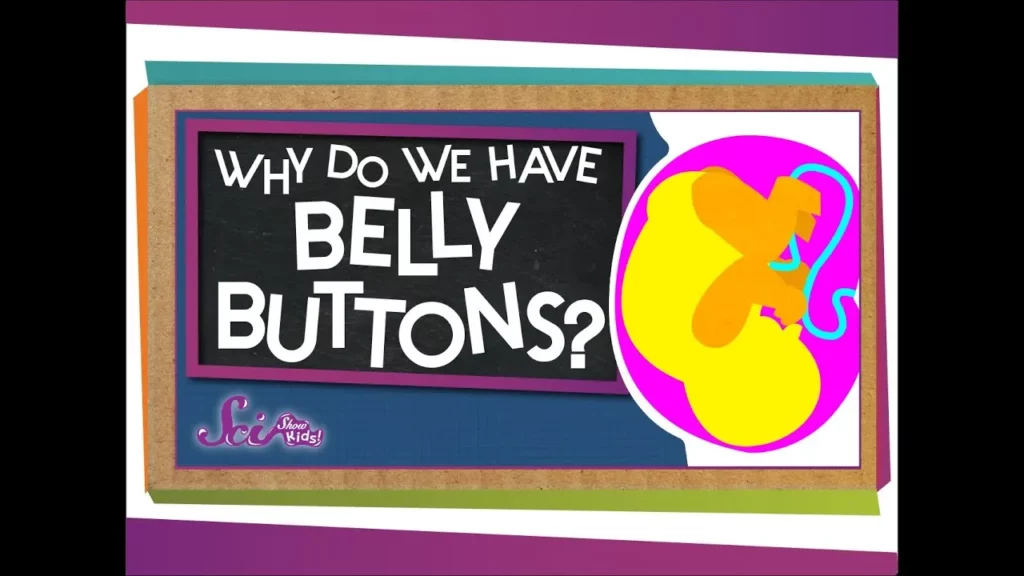
The lesson explains that belly buttons, or navels, are scars left from the umbilical cord that connects a developing baby to its mother, providing essential nutrients and oxygen. While all mammals have belly buttons, animals that lay eggs do not, as they are not connected to their mothers in the same way. Ultimately, belly buttons serve as a reminder of the vital role they played in our early development.
How to Say Goodbye
In today’s lesson, Squeaks and the narrator embark on an exciting science trip to Cahokia, an ancient city that was once the largest in what is now the United States. They discuss the mixed emotions of sadness from leaving the Fort and excitement for new adventures, emphasizing the importance of acknowledging and understanding feelings. The lesson encourages continued exploration and learning, inviting viewers to engage with past projects and share their own discoveries while Squeaks and the narrator are away.
Viewer Mail! – How Do Bugs Hang Upside-Down?
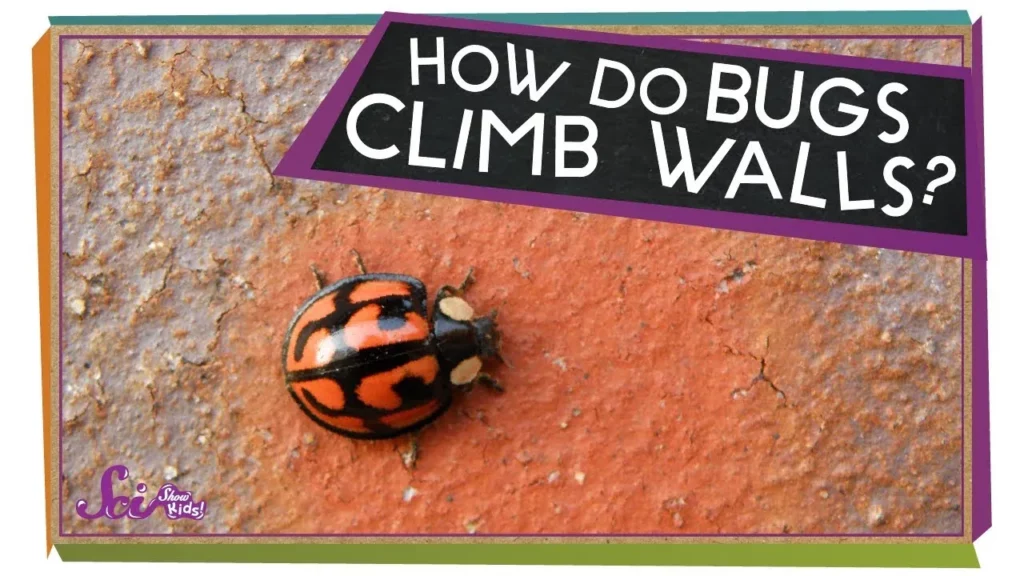
This lesson explains the impact of gravity on running and how it affects our perception of difficulty when running uphill versus downhill. Uphill running requires more effort as we work against gravity, making it feel harder, while downhill running is easier because gravity assists our movement. Additionally, it discusses how insects can defy gravity through specialized adaptations, such as tiny claws and sticky substances, allowing them to climb walls and hang upside down.