
How does the James Webb Space Telescope send pictures from outer space?
The lesson explains how the James Webb Space Telescope transmits stunning images of space back to Earth using radio waves. These electromagnetic waves carry information by altering their properties, which is then processed by computers to create the vivid pictures we see. Ultimately, the lesson highlights the importance of radio technology not only in communication but also in space exploration.
Play the Cloud Memory Game! #sciencegoals
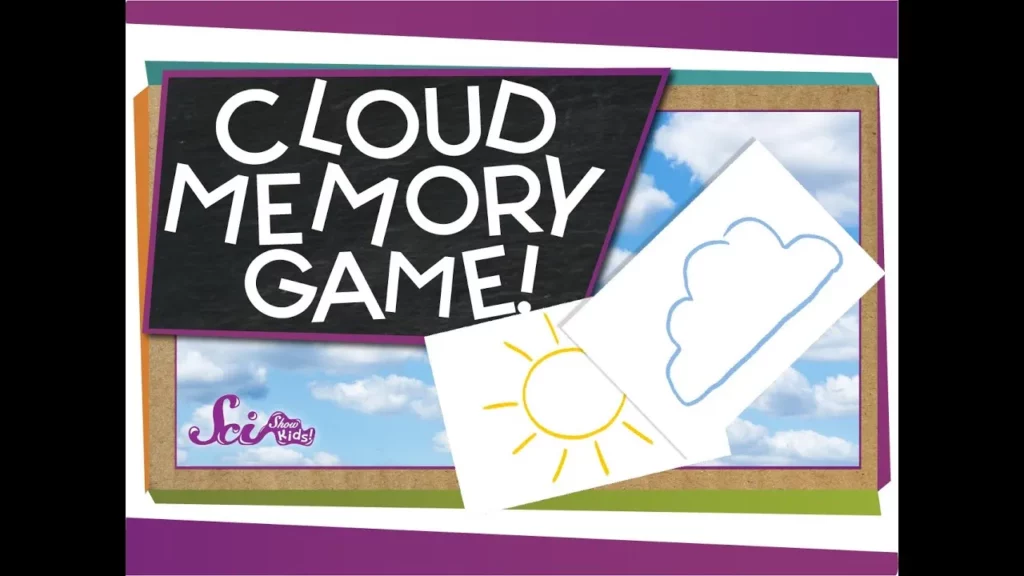
In this lesson, students learn about the three main types of clouds—stratus, cumulus, and cirrus—and the weather conditions they typically indicate. To reinforce their understanding, they create a fun memory game that pairs cloud types with corresponding weather symbols, enhancing their knowledge through an engaging activity. This interactive approach not only makes learning about clouds enjoyable but also encourages further exploration of weather phenomena.
Save the Snowman!
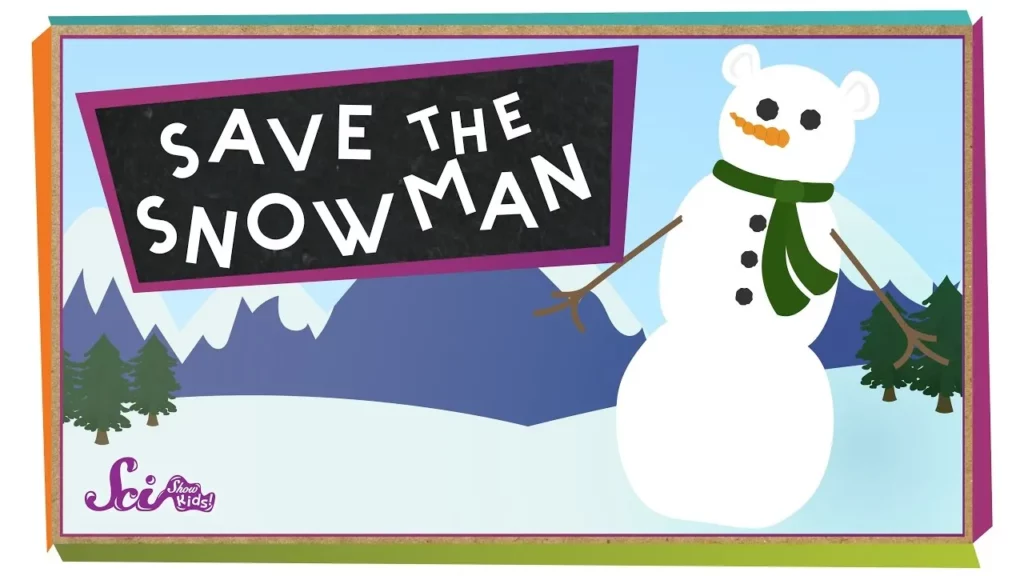
In this lesson, we learn how to keep a snowman from melting by understanding the effects of temperature and color on heat absorption. By comparing two patches of ground—one light-colored and one dark-colored—we discover that the light patch reflects more sunlight and stays cooler, making it the ideal spot for the snowman. This knowledge not only helps preserve the snowman but also teaches us that wearing light-colored clothing can keep us cooler on hot days.
Make Your Own Compass!

In this lesson, you learned how to create your own compass using simple materials like a sewing needle, aluminum foil, water, and a magnet. By magnetizing the needle and floating it on the water, you can observe how it aligns itself to point north, demonstrating the Earth’s magnetic properties. This hands-on activity not only teaches you about navigation but also the science behind how compasses work.
Fun in the Sun
In the lesson “Fun in the Sun with Squeaks and Friends,” learners are introduced to the sun, its significance in our solar system, and its properties, such as its immense size and heat. The lesson includes engaging activities like creating rainbows, building a solar updraft tower, making a solar oven, and crafting sun prints, all designed to explore the sun’s energy and its effects in a fun and interactive way. Students are encouraged to enjoy these experiments while practicing safety under the sun.
Learn About the Oceans!
In this lesson, Jessie and Squeaks introduce students to the five main oceans of the world: the Pacific, Atlantic, Indian, Arctic, and Southern Oceans, highlighting their unique characteristics. They also share a curated playlist of engaging ocean-related videos from YouTube Kids to enhance learning and encourage exploration of oceanic wonders. The lesson invites students to participate by suggesting topics they would like to learn more about.
Why Does Springtime Make Me Sneeze?

In this lesson from SciShow Kids, we explore the concept of allergies, particularly why many people experience sneezing and sniffles during spring. Allergies occur when the immune system mistakenly identifies harmless substances, like pollen, as threats, leading to symptoms such as sneezing and itchy eyes. The lesson emphasizes that while allergies can be bothersome, they are not contagious and can often be managed through avoidance or medication.
Life Under The Ice with Ariel Waldman!
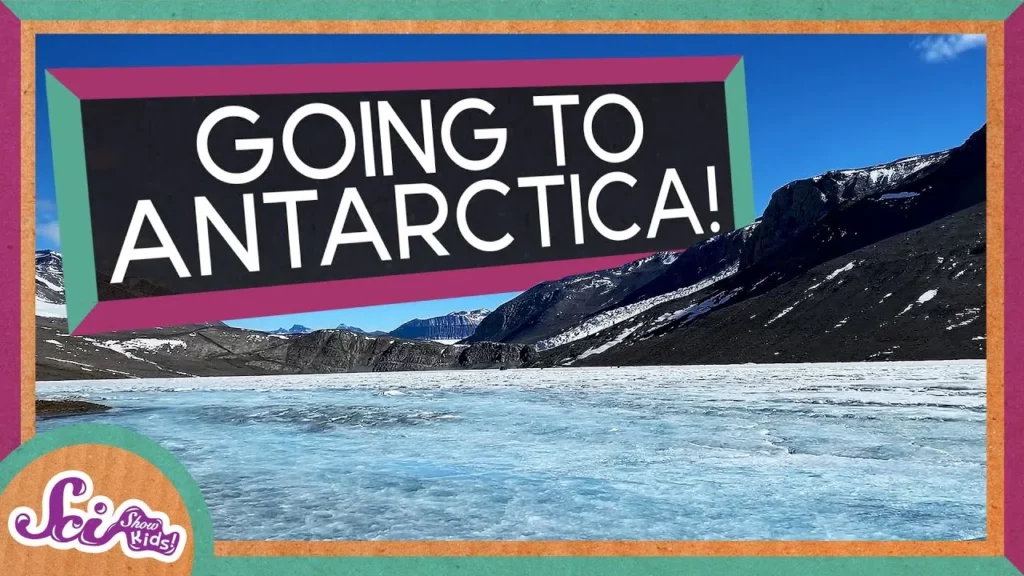
In this lesson, we explored Antarctica, the coldest, driest, and highest continent on Earth, known for its extreme conditions and unique life forms. Ariel Waldman shared her experiences from her trip, highlighting the fascinating extremophiles she discovered, such as tardigrades and diatoms, which thrive in the harsh environment. Inspired by her adventure, students are encouraged to seek out and learn about extremophiles in their own surroundings.
Do You Want to Build a Snowman?
In this lesson, students learn how to build a snowman while exploring the principles of balance, similar to what engineers consider when constructing buildings. By creating three snowballs of varying sizes and experimenting with their arrangement, students discover the importance of proper stacking for stability. Finally, they can personalize their snowman with fun details and share their snow creations with others.
Teeth: Not Just for Smiles!
In today’s lesson, we explored the importance of teeth in our ability to eat a variety of foods. We learned about the different types of teeth—incisors for biting, canines for tearing, and premolars and molars for grinding—and how each type plays a crucial role in breaking down food into manageable pieces. Additionally, we compared human teeth to those of animals, highlighting how their dental structures reflect their dietary needs.