
Make a Moon Puzzle! #sciencegoals
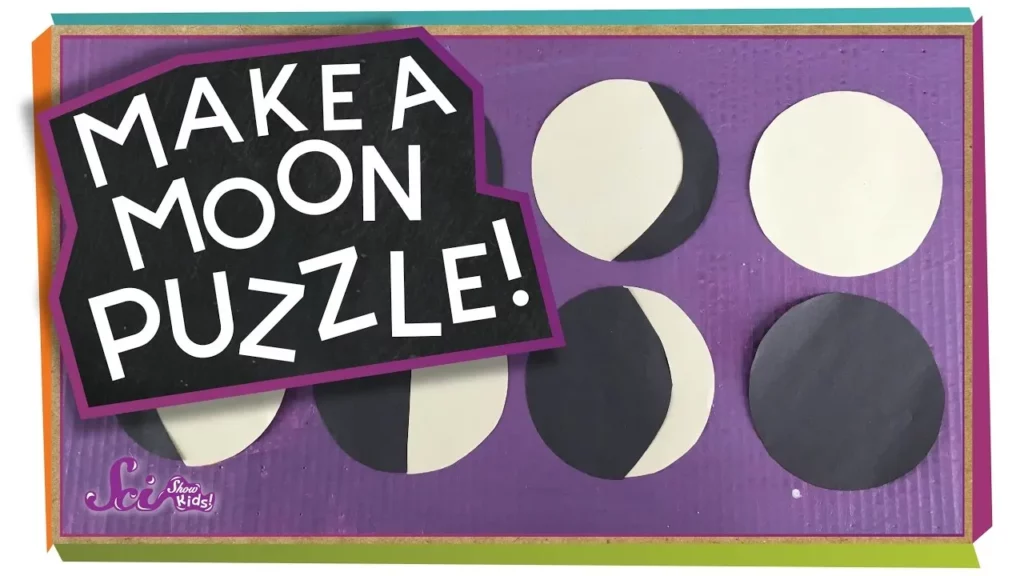
In this lesson, students learn about the moon’s phases and how they change throughout the month, from new moon to full moon and back. By creating a fun puzzle game using construction paper, they can visually represent and memorize the eight distinct phases of the moon. This hands-on activity not only reinforces their understanding of lunar cycles but also encourages creativity and engagement with the topic.
Winter Activities!
In this lesson, students learn how to create paper snowflakes and build a snowman, both of which are enjoyable winter activities. The process of making snowflakes involves folding and cutting paper to create unique designs, while building a snowman requires stacking snowballs in a stable manner and adding fun decorations. Additionally, tips for keeping the snowman from melting and ideas for a winter scavenger hunt are provided to enhance the winter experience.
Happy Birthday, Sir Isaac Newton!
In today’s lesson, we celebrated Sir Isaac Newton’s birthday, highlighting his significant contributions as a scientist and mathematician, particularly his discoveries related to gravity and the invention of calculus. We explored the famous story of the falling apple that inspired his theory of gravity, explaining how this force pulls objects toward the Earth and governs the movements of celestial bodies. To honor Newton, we suggested making an apple pie, playfully referencing the apple’s role in his groundbreaking ideas.
Dissect a Pumpkin!
In the lesson “Discovering Pumpkins: A Fun Fall Adventure,” students learn about pumpkins as a type of fruit that is ready for harvest in the fall. The lesson explores the pumpkin’s exterior, including its stem and rind, as well as its interior, which contains seeds and pulp. Additionally, it highlights the process of planting seeds and the joy of carving pumpkins into jack-o-lanterns, encouraging students to explore other fruits with the help of a grown-up.
Long necks, tall necks | SciShow Kids
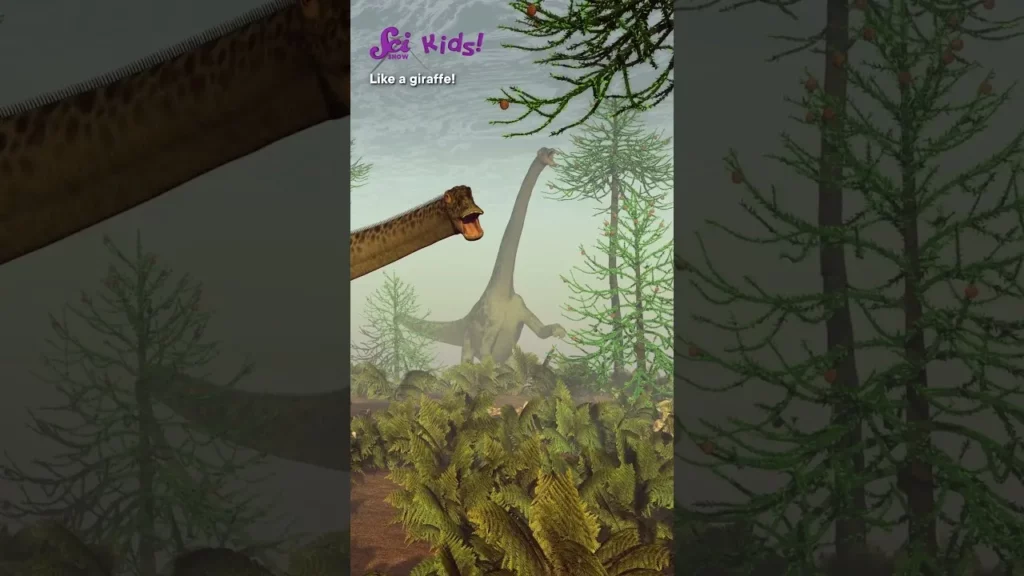
The lesson explores the fascinating characteristics of long-necked dinosaurs, particularly focusing on the species *Dioicus*. It discusses theories about why these dinosaurs evolved long necks, such as reaching high leaves and grabbing food from a distance, while highlighting the challenges scientists face in understanding their behavior through fossil evidence. Ultimately, it emphasizes the ongoing mystery and excitement surrounding the study of dinosaurs.
Let's Build Paper Rockets! | Let's Explore Mars! | SciShow Kids
In this lesson, students learn about rocket science by building their own model rockets, specifically straw rockets and stomp rockets. They explore the principles of flight, such as how rockets lift off by expelling air or gases, and experiment with design improvements to enhance their rockets’ performance. The lesson encourages hands-on learning and creativity, inviting students to innovate and test their rocket designs.
Make Your Own Mountains! – #sciencegoals
In this lesson, students learn about the formation of fold mountains and how to create their own mini versions at home using towels. By simulating the movement of tectonic plates, they can observe how mountains form through the bending and folding of layers, while also experimenting with different pushing techniques to see the effects on their mini mountains. This hands-on activity not only reinforces the concept of mountain formation but also encourages curiosity and exploration of geological processes.
Guess That Tree! | Science for Kids
In this lesson, students learned about evergreen trees, specifically pine, fir, and spruce, which retain their green leaves year-round. They discovered how to identify each type by examining the characteristics of their needles: pine trees have long needles in bunches, fir trees have flat needles, and spruce trees have square-shaped needles that can be rolled between fingers. The lesson concluded with an interactive game to reinforce their identification skills and encouraged students to observe and draw these trees during their nature walks.
Why Does Spicy Food Taste Hot?
This lesson explains why spicy food creates a burning sensation in our mouths, despite not being physically hot. It highlights that while our taste buds detect flavors like sweet and salty, spicy foods activate heat and pain receptors, tricking our brains into perceiving heat. Additionally, the lesson discusses how familiarity with spicy foods can influence individual preferences, with some people growing to enjoy the sensation over time.
Craft an Insect! | Project for Kids
In today’s lesson, Squeaks and I explored the fascinating world of insects and created our own insect art inspired by the colorful creatures we observed outside. We learned that insects have three main body parts—head, thorax, and abdomen—along with six legs and an exoskeleton, and then we used construction paper and other materials to craft our unique insect creations. Finally, we encouraged everyone to share their artwork with us, fostering creativity and engagement in the learning process.