
Going to the Doctor's Office with Dr. Aaron Carroll
In this lesson, we discussed what to expect during a visit to the doctor, aiming to ease any nervousness children may have about their appointments. Key steps include waiting in the waiting room, having vital signs checked by a nurse, undergoing a physical exam by the doctor, and possibly receiving important vaccinations. The lesson emphasizes that doctors are there to help and ensure children’s health and well-being.
Nails: Your Human Claws
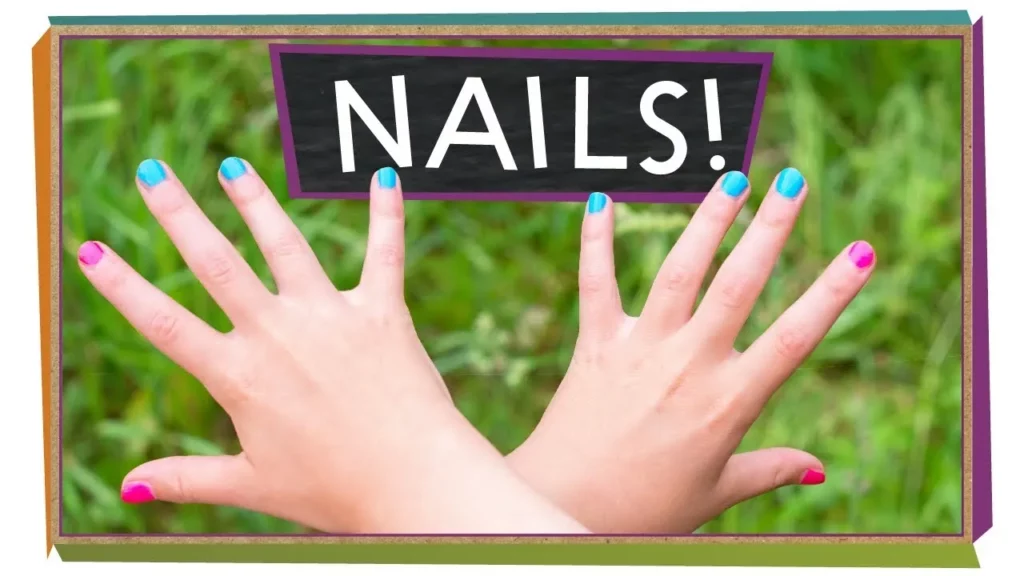
In this lesson, we learned about the importance of trimming our nails to keep them at a manageable length, as they continuously grow from the base under the cuticle. Nails, made of keratin, serve various functions, such as protecting our fingers and aiding in tasks like peeling stickers or climbing. Additionally, maintaining healthy nails can reflect our overall health, as changes in their appearance may indicate underlying issues.
Happy Earth Day! | SciShow Kids Compilation
The lesson on “Celebrate Earth Day: Protecting Our Planet” emphasizes the importance of protecting the environment and the various ways individuals can contribute to this cause. It highlights the impact of human activities on endangered species and their habitats, and encourages actions such as recycling, reusing, and composting to promote a cleaner and healthier planet. By taking small steps, everyone can make a significant difference in preserving the Earth for future generations.
The Science of Spring! | SciShow Kids Compilation
In this lesson, we celebrate the arrival of spring and explore its many wonders, including the joyful songs of birds like the northern cardinal, the fascinating water cycle, and the growth of plants from seeds. We also embark on a bug safari to discover the various insects that emerge during this season and emphasize the importance of spring cleaning to make the most of our outdoor adventures. Overall, the lesson highlights the beauty of nature and encourages curiosity about the world around us.
Happy Birthday, Charles Darwin! | Science for Kids
In today’s lesson, we celebrated the birthday of Charles Darwin, a renowned naturalist who studied plants and animals in their natural habitats. Through his observations during a five-year voyage on the HMS Beagle, particularly in the Galapagos Islands, Darwin developed the idea of natural selection, explaining how certain traits help species survive and evolve over time. His groundbreaking work continues to influence our understanding of biology and the diversity of life on Earth.
Why Do We Get Sick?
In this lesson, we explored the causes and effects of colds and the flu, which are triggered by tiny viruses that invade our bodies. We learned how our immune system fights back through mechanisms like mucus production, sneezing, and fever, as well as the importance of rest and hydration for recovery. Additionally, we discussed preventive measures, such as frequent handwashing and proper etiquette when coughing or sneezing, to help avoid spreading germs and staying healthy.
Why Don't Haircuts Hurt?
The lesson explains why getting a haircut is painless: hair does not contain nerves, which are responsible for transmitting sensations like touch and pain to the brain. Since hair, like nails, lacks these nerve endings, cutting it does not cause any discomfort. Understanding this can make the experience of getting a haircut more enjoyable and intriguing.
2015's Solar Eclipse
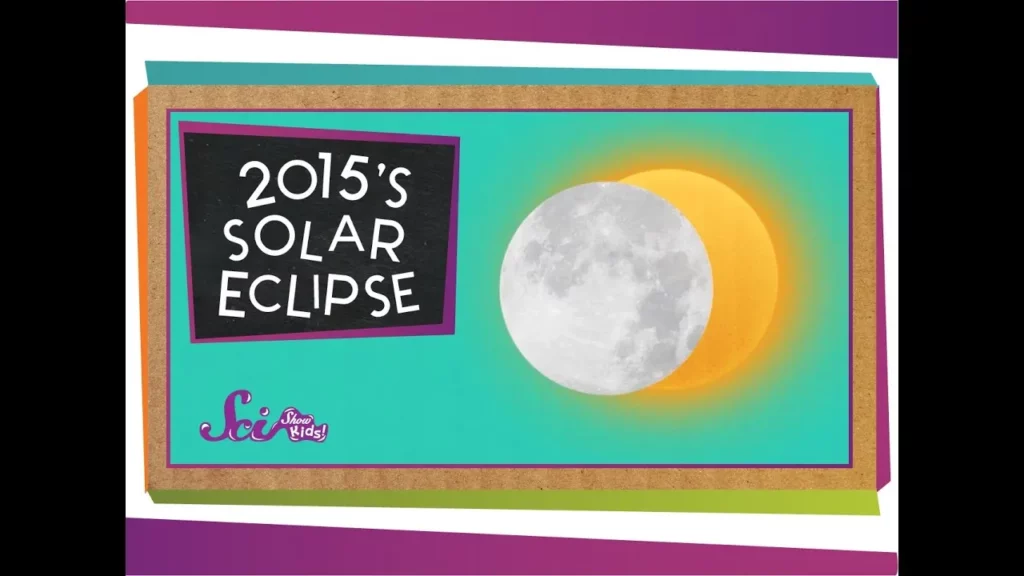
In this lesson, students learn about the sun and moon’s visibility during the day, including the phenomenon of solar eclipses, which occur when the moon passes between the sun and Earth. The lesson explains the different types of solar eclipses—total and partial—and highlights the importance of safety when viewing them. Additionally, it provides information on when and where to see upcoming solar eclipses, emphasizing that not everyone will have the opportunity to witness them.
How to Build a Pillow Fort!
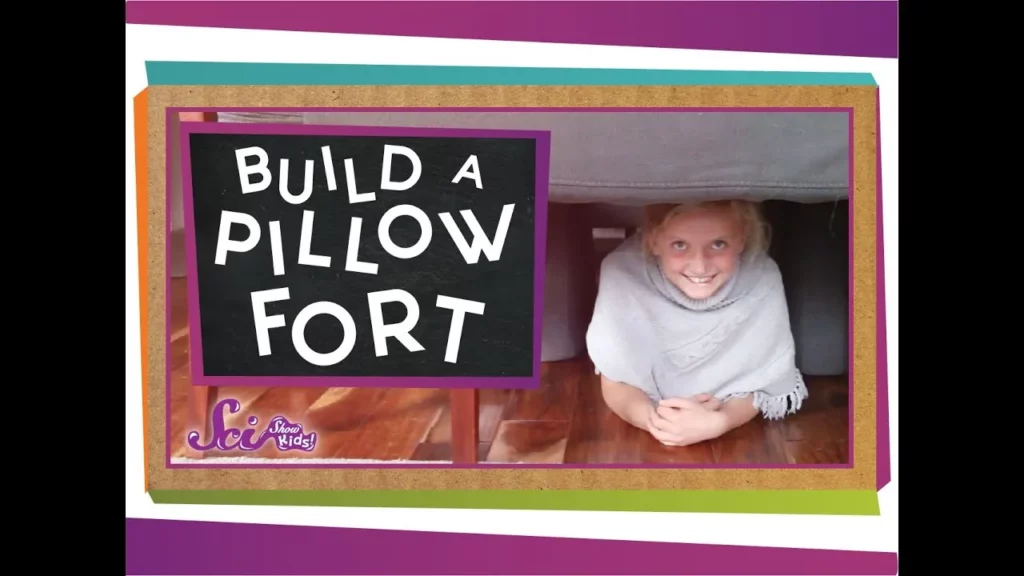
In this lesson, we explored the concepts of tension and compression as forces used in building forts. While tension involves pulling materials tight, compression occurs when materials are pushed together, as seen when sitting on a chair or squeezing a spring. We learned how to construct a fort using compression by strategically placing cushions and chairs to create sturdy walls and roofs, ensuring that the materials can withstand the pressure for a fun and safe play space.
Fun With Blubber! – #sciencegoals
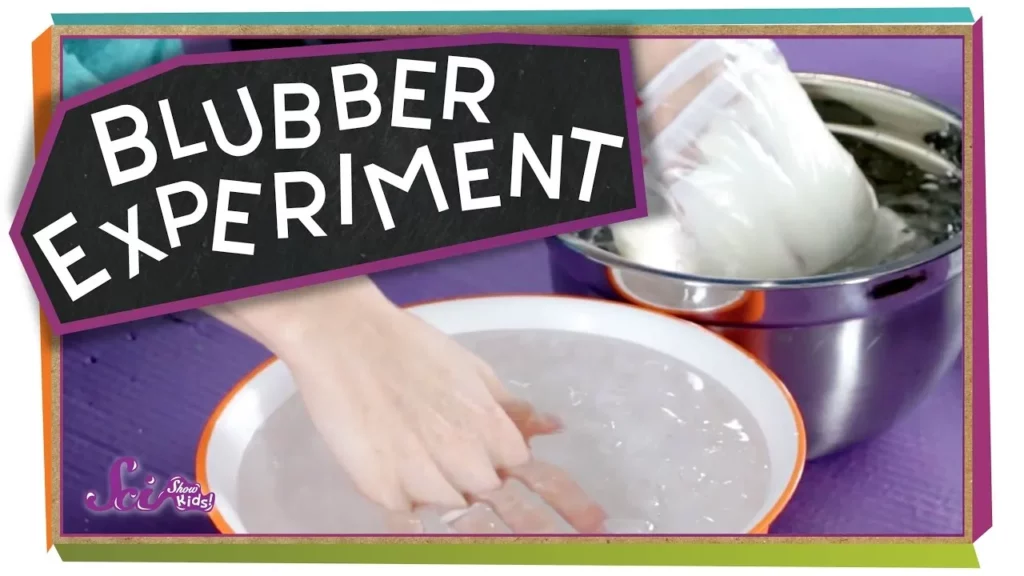
In this lesson, we explored how animals like seals, whales, and walruses stay warm in icy waters using a thick layer of fat called blubber, which acts as a natural insulator. A fun experiment demonstrated the effectiveness of blubber by comparing the temperature of a hand protected by shortening (simulating blubber) to a bare hand in icy water, illustrating how blubber helps these animals retain body heat. The lesson encourages further exploration of cold-weather animals and their unique adaptations.