
Why Do We Laugh?
The lesson explores the fascinating topic of laughter, highlighting its role as a form of communication that strengthens relationships and fosters connection among individuals. It delves into the physiological aspects of laughter, what triggers it, and its contagious nature, while also touching on its historical significance and benefits for health. Ultimately, the lesson encourages embracing laughter as a joyful and healthy part of life.
Stargazing: The Galilean Moons | SciShow Kids
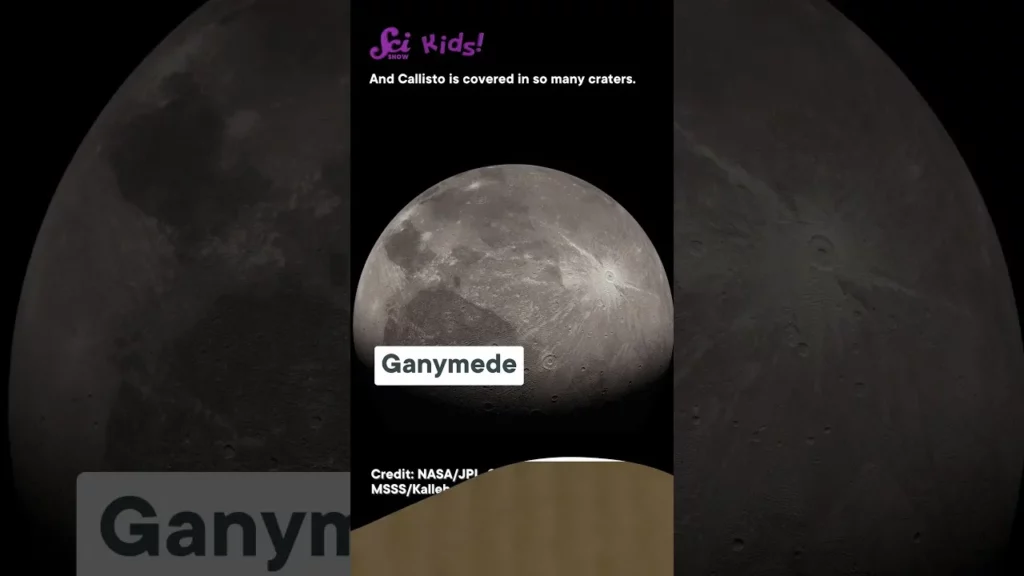
In this lesson, we explore Jupiter’s remarkable moons, focusing on the four largest known as the Galilean moons: Io, Europa, Ganymede, and Callisto. Each moon has unique characteristics, such as Io’s volcanic activity, Europa’s potential subsurface ocean, Ganymede’s status as the largest moon, and Callisto’s heavily cratered surface. The lesson encourages students to observe these fascinating moons using a telescope or binoculars, particularly on November 2nd when Jupiter is closest to Earth.
Getting Ready for the Eclipse!
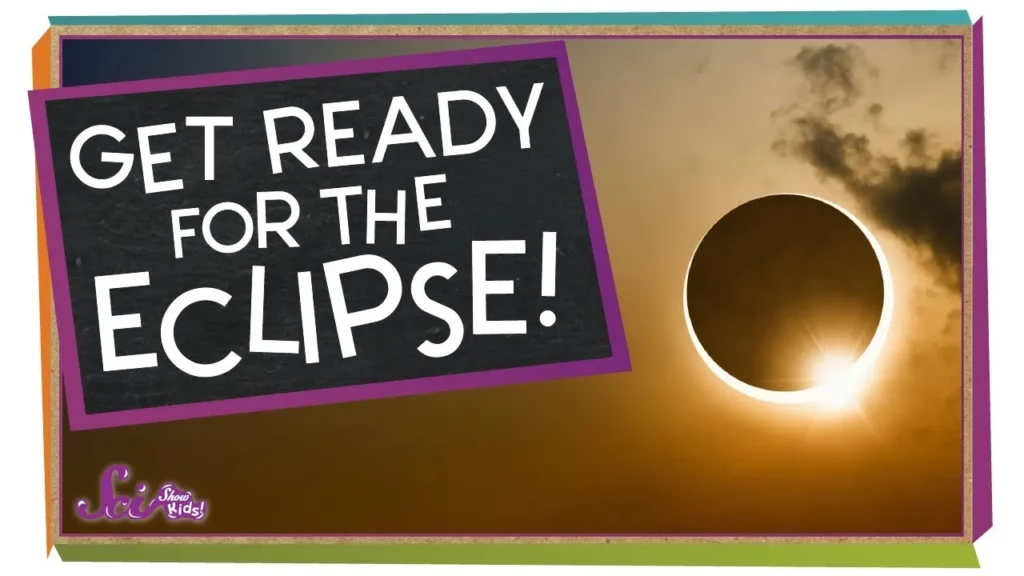
In this lesson, students learn about solar eclipses, which occur when the moon passes between the Earth and the sun, temporarily blocking sunlight and casting a shadow on Earth. The lesson also covers the different types of solar eclipses, safety precautions for viewing them, and introduces lunar eclipses, explaining the phases of the moon and encouraging students to observe the moon’s changes in the sky.
Where do cold symptoms come from? | SciShow Kids
The lesson on understanding the common cold explains that colds are caused by viruses that enter the body through the mouth, nose, or eyes, leading to symptoms like a runny nose and sneezing. These symptoms indicate that the body is actively fighting the infection, with mechanisms like fever helping to combat the virus. Ultimately, while feeling sick is uncomfortable, it is a sign that the body is working to restore health.
Float a Boat! – #sciencegoals
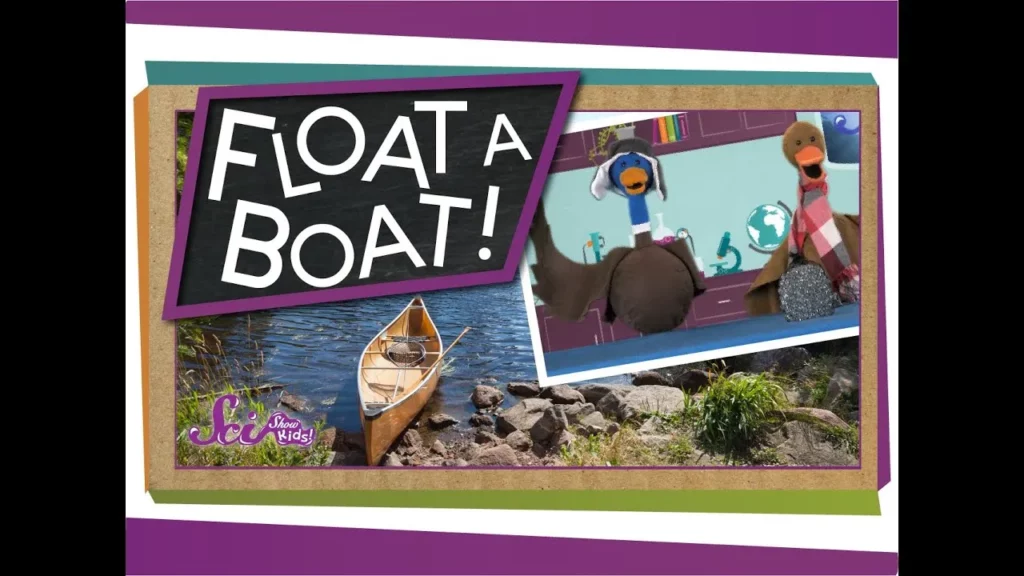
In this lesson from SciShow Kids, Bill and Webb guide viewers through the process of making a floating canoe using aluminum foil, while explaining the scientific principle of displacement that allows boats to float. They demonstrate how to construct the canoe and test its buoyancy by adding marbles to see how much weight it can hold before sinking, emphasizing that a boat floats as long as the weight of the water it displaces is equal to its own weight. The lesson encourages kids to experiment with different boat designs and share their results.
Make Your Own Watercolors! #sciencegoals
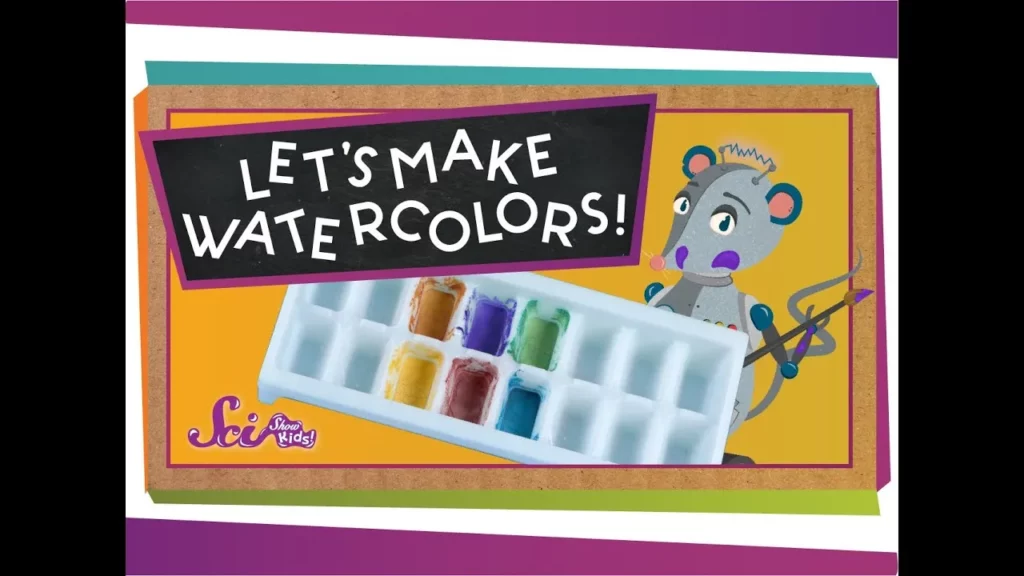
In this lesson, participants learn how to create their own watercolors using simple kitchen ingredients like baking soda, vinegar, and food coloring. The process involves mixing the ingredients, adding colors, and allowing the mixture to dry in an ice cube tray before using it for painting. This fun and creative project encourages artistic expression while teaching basic mixing and color theory.
Can You Guess the Emotions? | Squeaks and Jessi Play a Guessing Game! | SciShow Kids Compilation
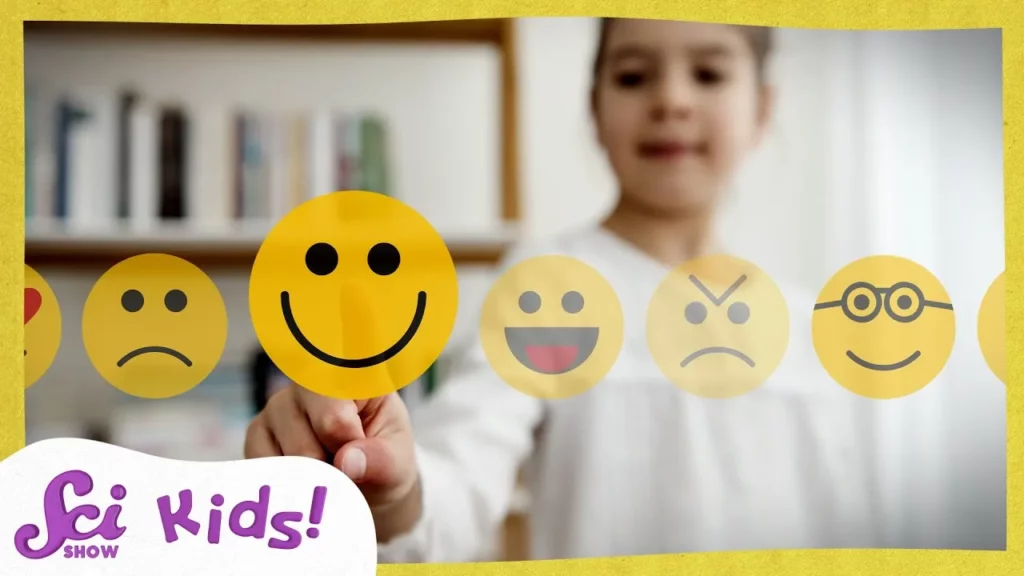
In the lesson “Guess That Emotion,” participants engage in a fun game where they act out various emotions for others to guess, promoting an understanding of feelings and their expressions. The lesson covers key emotions such as anger, sadness, fear, and happiness, emphasizing the importance of recognizing and managing these feelings in healthy ways. By playing the game, individuals can enhance their emotional awareness and strengthen connections with others.
The Power of Sunlight! | Science Project for Kids
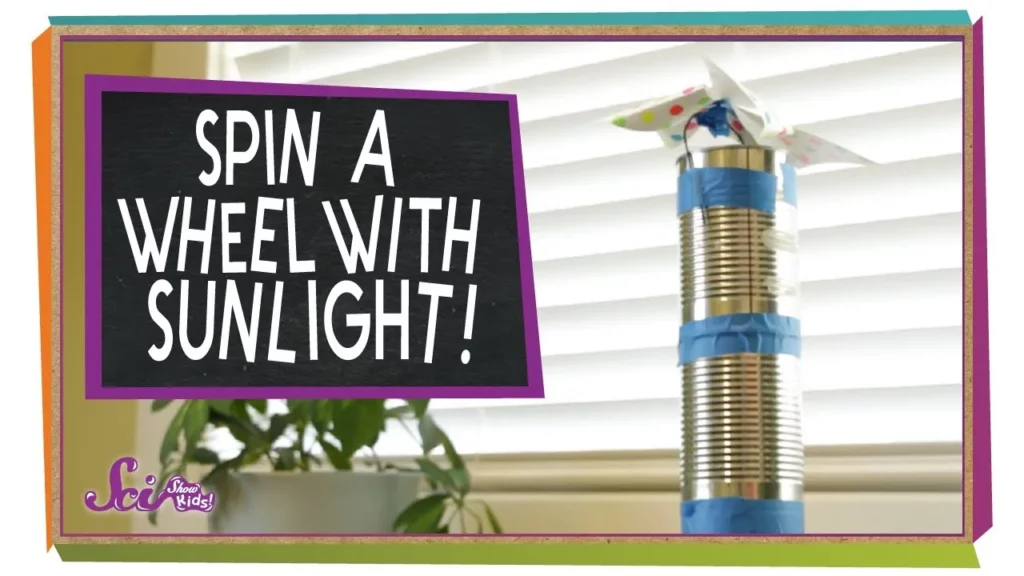
In this lesson, students learn about solar power, the energy harnessed from the sun, and how it can be used in practical applications like heating and electricity generation. Through a hands-on project, they build a solar updraft tower that demonstrates how sunlight can create airflow to spin a pinwheel, illustrating the principles of heat rising and energy conversion. This engaging activity not only teaches scientific concepts but also encourages creativity and exploration of renewable energy sources.
Valentine's Day at The Fort! | SciShow Kids Compilation
In the lesson “Valentine’s Day Fun with Squeaks and Friends,” Squeaks and the narrator explore the significance of Valentine’s Day by creating homemade gifts for their friends, emphasizing the importance of love and friendship. They learn about the heart’s function in the body, the journey of blood, and the process of making candy and flowers, while also engaging in fun activities like creating homemade watercolor paints for their cards. The lesson combines creativity with educational insights about the heart and nature, making it a joyful celebration of the holiday.
Why Do I Feel Sick in the Car?
In this lesson, Squeaks and the narrator prepare for a road trip to the Grand Canyon while addressing Squeaks’ concern about getting carsick. The lesson explains motion sickness, its causes, and offers tips for prevention, such as eating a light meal and looking out the window to help align visual and sensory signals. The narrator emphasizes the excitement of the adventure while providing helpful strategies to ensure a more enjoyable journey.