
The Science of the String Phone! – #sciencegoals
In this lesson, students learn about how sound travels through vibrations and how to create their own string phone to demonstrate this concept. By making a simple device using cups and string, they can explore how sound can be transmitted through solid materials rather than just air, and understand the importance of tension in the string for effective sound transmission. The activity encourages hands-on experimentation and reinforces the scientific principles behind sound waves.
How To Build a Sheet Fort
In today’s lesson, we explored the fun of building a blanket fort while learning about the scientific concept of forces, particularly tension. Tension, a pulling force that helps keep structures stable, is essential for creating strong and well-shaped forts using items like sheets, chairs, and books. By applying these principles, we can design forts that are not only enjoyable spaces for activities but also demonstrate engineering concepts in action.
Be Prepared for Anything! | Emergency Kit for Kids
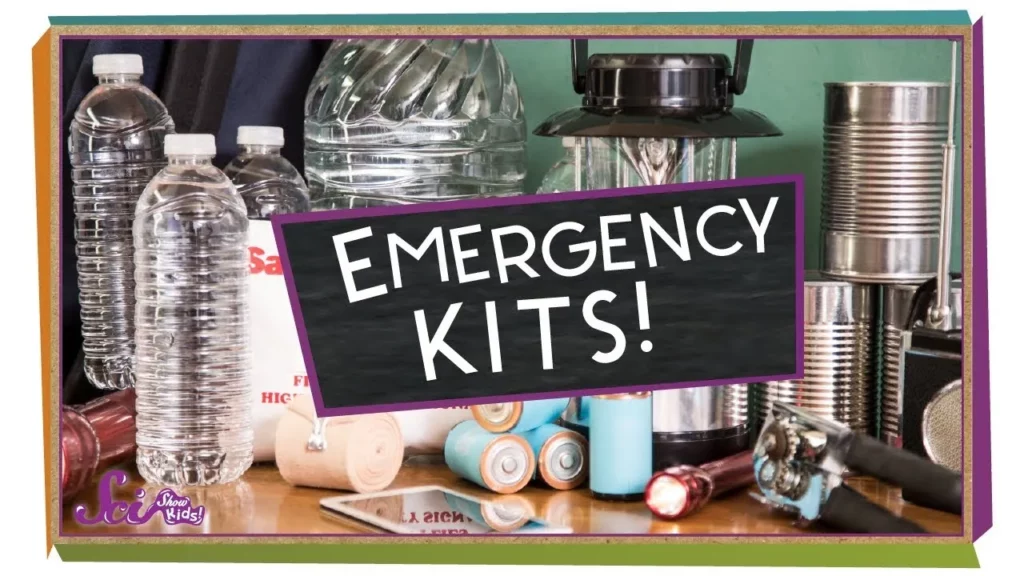
In this lesson, we learned how to prepare an emergency kit, which is essential for handling unexpected situations like storms or power outages. The kit should include items such as first aid supplies, water, non-perishable food, hygiene products, and entertainment options, ensuring that we are ready for any emergency while also having fun in the process. Being prepared not only provides peace of mind but also makes it easier to manage unforeseen events.
Visiting the Dentist! | Health for Kids | SciShow Kids
In this lesson, we learned the importance of maintaining dental health through regular visits to the dentist, even if we brush our teeth twice a day. During a dental checkup, a hygienist cleans our teeth, removes plaque, and the dentist checks for cavities using X-rays. Regular checkups every six months are essential for keeping our teeth healthy and our smiles bright.
Oh Rats!
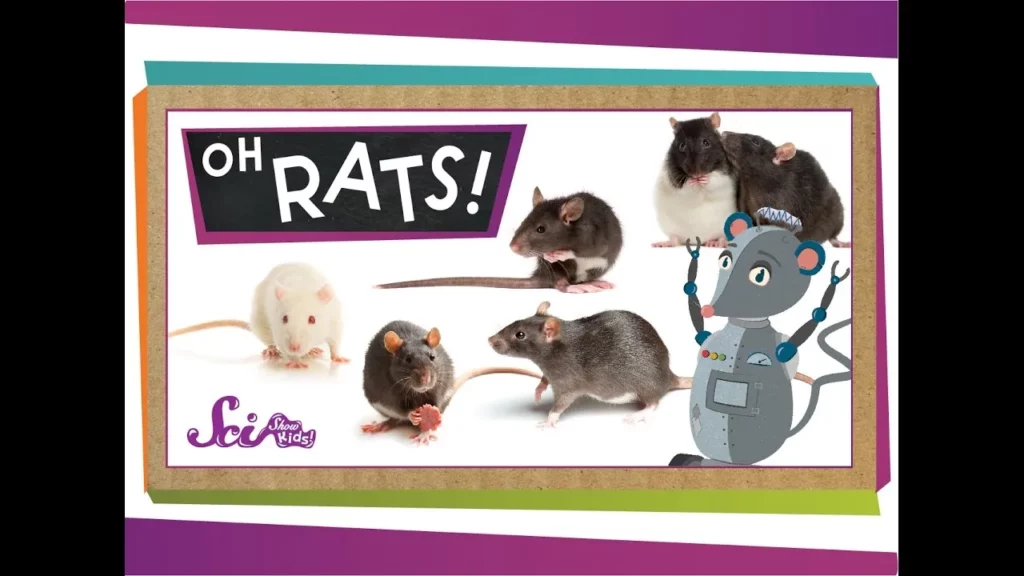
In today’s lesson, we explored the fascinating world of rats, debunking common misconceptions about them being dirty animals and highlighting their impressive abilities, such as swimming and problem-solving. We learned that rats are clean creatures with strong senses, remarkable intelligence, and powerful teeth that allow them to chew through tough materials. Overall, this lesson aimed to foster a greater appreciation for these often-misunderstood animals.
Recycling Old Crayons! | An Earth Day Activity | SciShow Kids
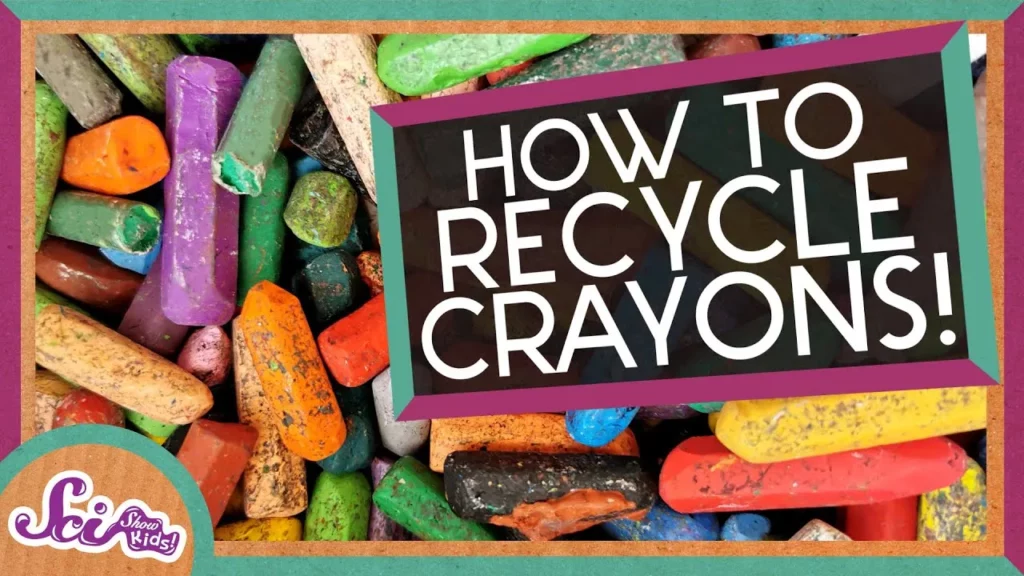
In this lesson, we explored the importance of recycling, specifically focusing on how to turn old crayons into new ones as a fun and eco-friendly activity. By recycling crayons, we not only reduce waste that would otherwise end up in landfills but also engage in a simple science experiment that demonstrates the melting and solidifying process. This hands-on approach encourages creativity while promoting environmental awareness.
How Do Helicopters Fly? | Let's Explore Mars! | SciShow Kids
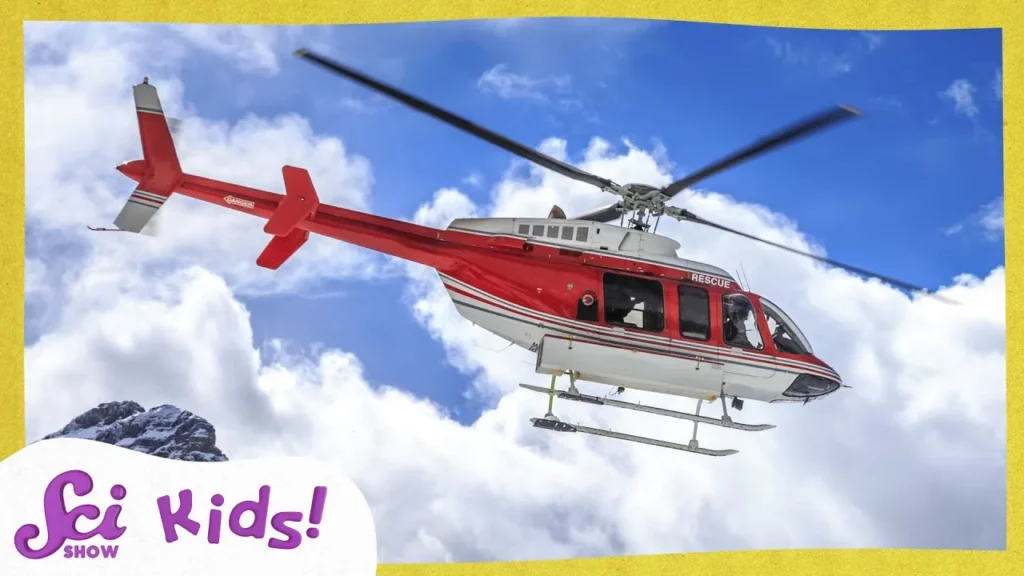
In this lesson, students learn about NASA’s Ingenuity, the first helicopter to fly on Mars, which provides a unique perspective on the planet’s surface. The lesson includes a hands-on activity where students can build their own model helicopters, experimenting with different designs to understand the principles of flight in a low-atmosphere environment. This engaging exploration encourages creativity and scientific inquiry, mirroring the work of real space engineers.
How Can I Save Water? | SciShow Kids
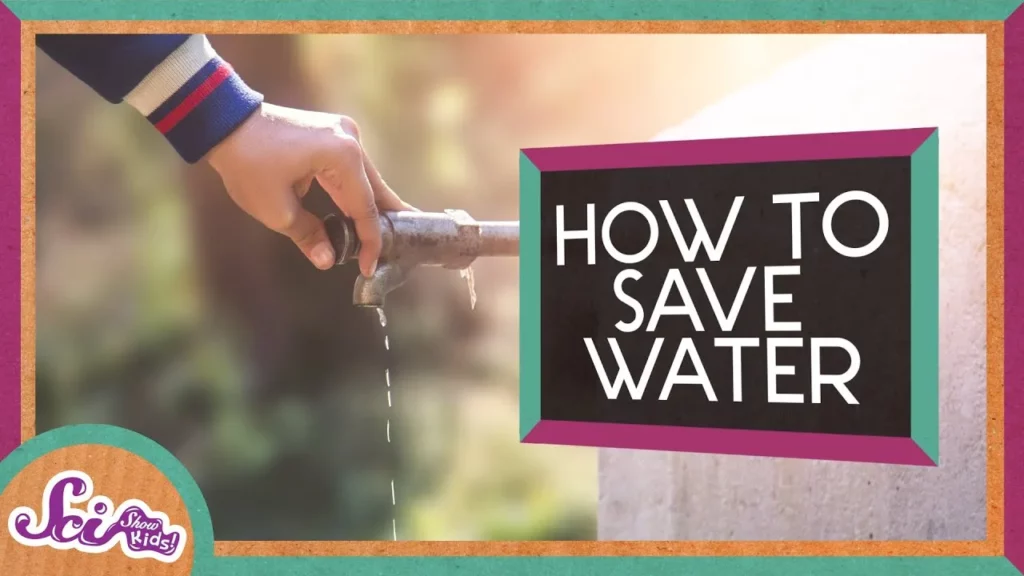
In this lesson, we explored the importance of water conservation and the distinction between freshwater and saltwater. While the Earth has abundant water, only a small fraction is freshwater, which is essential for drinking and agriculture. To help preserve this vital resource, we discussed practical ways to save water, such as turning off faucets when not in use and taking shorter showers.
Amazing Scientist Story Time! | SciShow Kids Compilation
In this lesson, we explored the inspiring stories of four remarkable scientists: Dr. Cecilia Payne-Gaposchkin, who discovered the composition of the sun; George Washington Carver, who promoted sustainable farming practices; Charles Darwin, who developed the theory of evolution through his studies of plants and animals; and Ariel Waldman, who researched extremophiles in Antarctica. These stories highlight the importance of perseverance, curiosity, and the impact of scientific discovery, encouraging us to believe in ourselves and continue learning.
What Happened to Our Plants? | Science Project for Kids
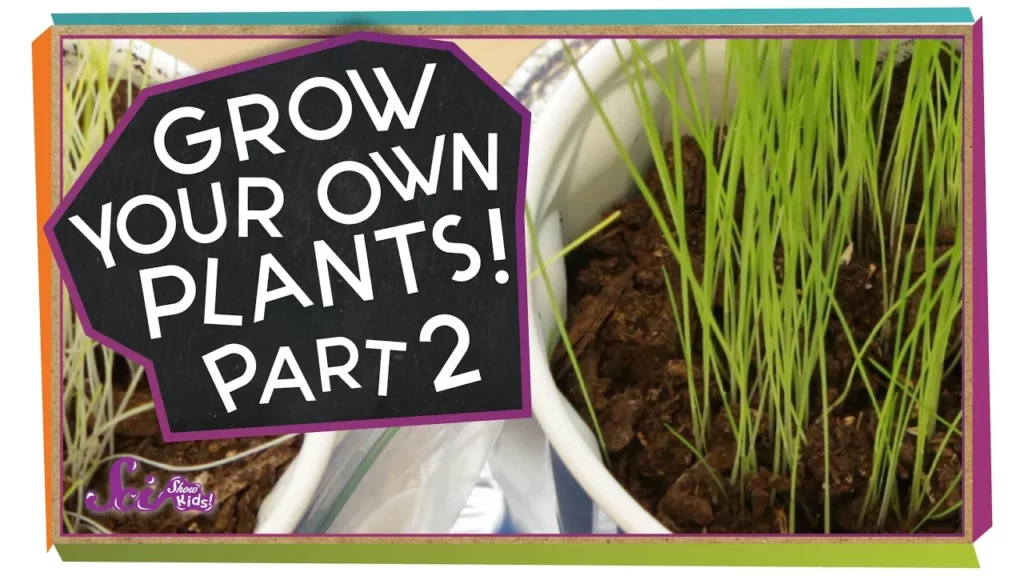
In the lesson “Our Fun Plant Experiment,” Squeaks and the narrator conducted an experiment to understand what plants need to grow by planting seeds in four different conditions. They discovered that while sunlight, water, and soil are essential for healthy growth, seeds without sunlight can initially grow tall but ultimately die due to the inability to produce food. This experiment highlighted the importance of sunlight for plants and encouraged further exploration of plant growth through additional experiments.