
Meet the monkey with a spectacular snout! | SciShow Kids

The lesson introduces the proboscis monkey, highlighting its distinctive long nose, which can grow up to 18 centimeters. It explains the differences in nose size between male and female monkeys, emphasizing that the males’ larger noses enhance their vocalizations, helping to scare off threats and attract mates. Overall, the unique nose serves important functions for communication and survival in their natural habitat.
What's Inside a Bean? – #sciencegoals
In this lesson, students explore the fascinating world of seeds, focusing on beans as a special type of seed. They learn that beans contain everything needed for a plant to grow, including the embryo and cotyledon, which provide energy for the plant’s initial growth. The lesson encourages hands-on exploration by soaking and opening a bean to observe its parts, while also highlighting the nutritional value of beans for humans.
Who Knew? Amazing Owl Facts!
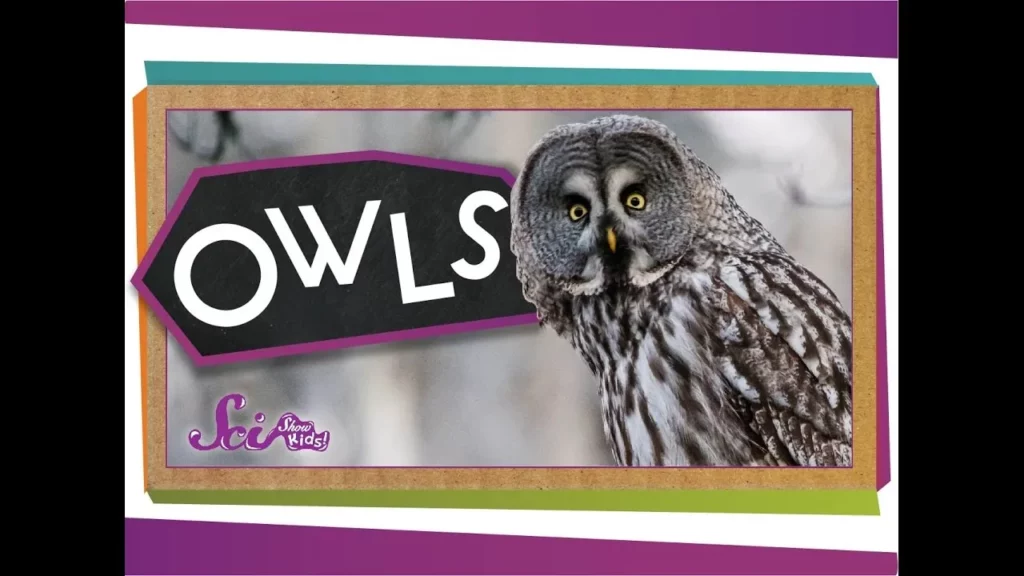
In this lesson, students explore the fascinating world of owls, learning about their diverse species, unique hunting adaptations, and remarkable physical features. Key highlights include owls’ large, forward-facing eyes that enhance their night vision, their exceptional hearing abilities aided by facial feathers, and their ability to rotate their heads to locate prey. The lesson encourages students to share their favorite birds and engage in further discussions about wildlife.
Make a Balloon Rocket

In today’s lesson, we explored the fun and science behind balloons, learning how air fills them and causes them to change shape. We conducted an experiment by creating a balloon rocket, demonstrating the concept of forces as the air rushing out propelled the balloon forward. Students were encouraged to experiment further with balloon-powered creations to discover more about the principles of motion and force.
Why Do Some Flowers Regrow Every Year? | Daffodils | Spring is Here! | SciShow Kids
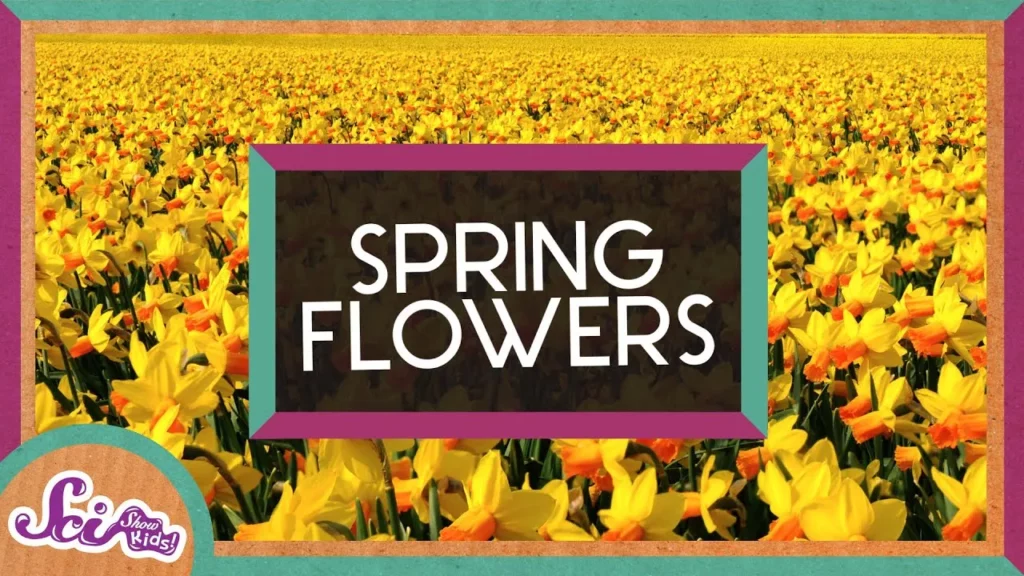
In this lesson, we explore the arrival of spring through the blooming of daffodils, which grow from bulbs that store energy to survive winter. Daffodils are perennials, meaning they return each year without needing to be replanted, and their growth cycle involves a dormant phase during the colder months. The lesson also highlights the importance of water and sunlight for plant growth and introduces other bulb flowers like tulips and lilies.
Fun Summer Science! | A SciShow Kids Compilation

The lesson “Summer Science Fun: Bubbles, Kites, and More!” encourages students to explore science through engaging outdoor activities during summer break. It covers the science behind blowing bubbles, the principles of kite flying, creating a solar updraft tower, and making ice cream using a scientific method, highlighting the fun and educational aspects of each experiment. Students are invited to try these activities and share their experiences, fostering a love for learning in a playful environment.
Amazing Animal Groups | Science for Kids
In this lesson, we explore the fun and fascinating world of animal group names, highlighting how different species come together in unique ways, such as herds for horses and cattle, flocks for birds, and schools for fish. We also engage in a guessing game to reinforce learning, encouraging kids to discover and share the names of their favorite animal groups. Overall, the lesson emphasizes the joy of learning about animals and their social structures.
Where Does Frost Come From? | Winter Science | SciShow Kids

In this lesson, Squeaks and the narrator explore the phenomenon of frost, discovering that it is a thin layer of ice that forms on surfaces when temperatures drop below freezing. The lesson explains how frost forms through the process of condensation and highlights its significance for farmers and gardeners. Students are encouraged to observe weather conditions and track frost occurrences, fostering curiosity and scientific inquiry.
Inventing with Plants!
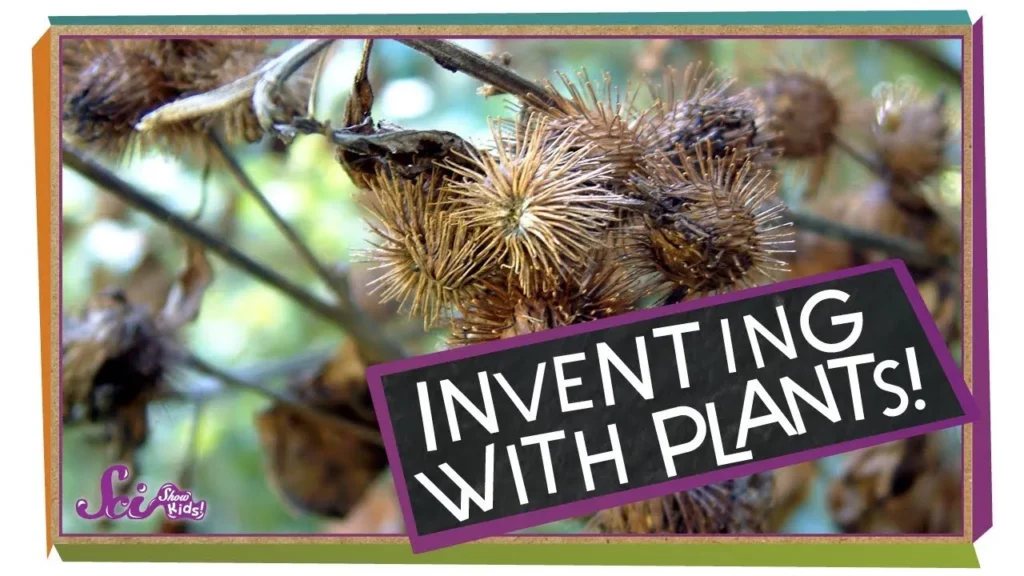
In this lesson, students learn about Velcro, an innovative invention inspired by nature, specifically the burrs that stick to clothing and animal fur. The story of George de Mestral, who created Velcro by mimicking the tiny hooks and loops of burrs, illustrates the concept of biomimicry—using nature as a model for solving human problems. The lesson emphasizes the clever ways plants spread their seeds and encourages curiosity about the natural world.
Why do leaves change color? | SciShow Kids

Leaves change color in the fall primarily due to the fading of chlorophyll, the green pigment responsible for photosynthesis. As days shorten and temperatures drop, plants produce less chlorophyll, allowing other pigments—such as yellow, orange, and red—to become visible. This transformation reveals the vibrant colors that were always present but masked by the dominant green.