
Why Does Tickling Make Me Laugh?

The lesson explores the phenomenon of ticklishness, explaining that it involves the body’s sense of touch and how the brain responds to being tickled. While scientists are still investigating the reasons behind ticklishness, it is suggested that laughter may serve as a protective response, signaling to the tickler to stop. Additionally, the lesson highlights that individuals cannot tickle themselves effectively because their brain anticipates the sensation.
4 Amazing Science Experiments for a Day Inside | Compilation | SciShow Kids
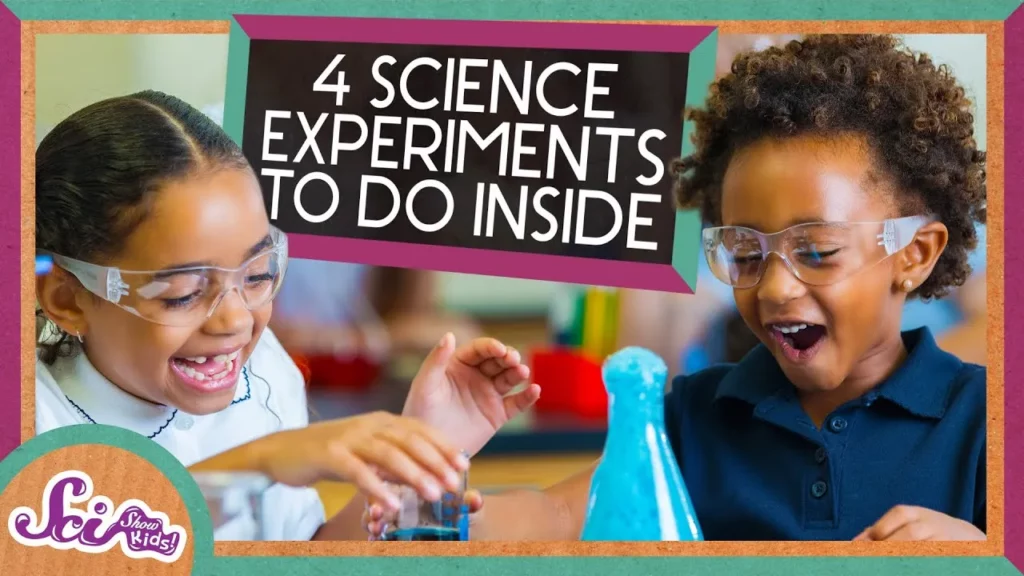
This lesson introduces a variety of fun and educational science experiments that can be easily conducted at home, perfect for keeping boredom at bay. Activities include the Blubber Experiment to understand insulation, Balloon Rockets to explore propulsion, Invisible Ink for secret messaging, and creating a Zoetrope to animate drawings. Each experiment encourages hands-on learning and discovery, making science engaging and accessible for everyone.
How to Make a Paper Airplane
In this lesson, we learned how to make a simple paper airplane by following a step-by-step folding guide. We also explored the basic principles of flight, including thrust and lift, explaining how these forces allow the airplane to glide through the air. Finally, we encouraged experimentation with different designs to improve flight performance and invited participants to share their creations.
Biologists! Scientists Who Love Life!
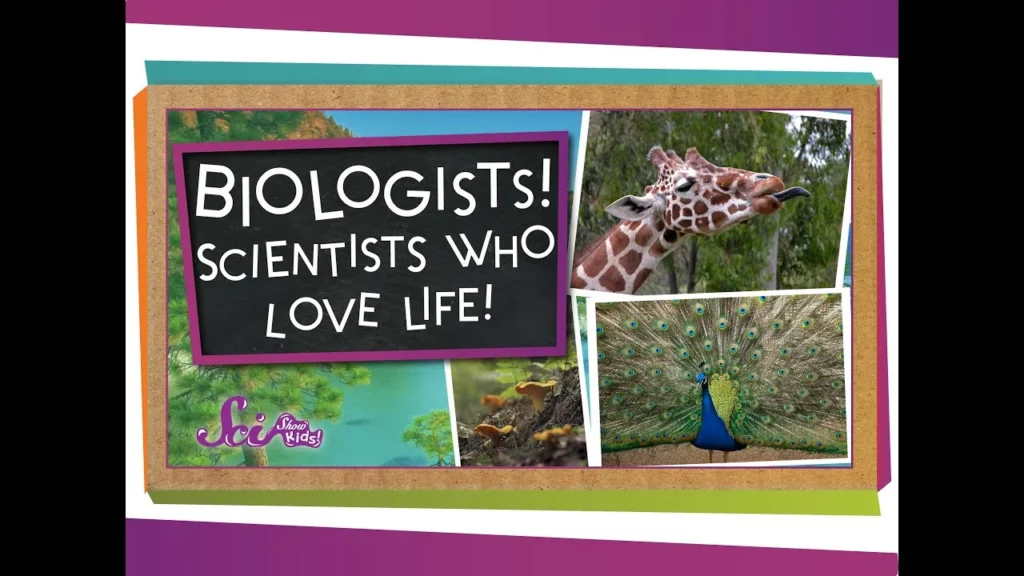
The lesson “Life is Everywhere!” explores the vast diversity of living organisms on Earth, from visible plants and animals to microscopic bacteria. It introduces biology as the study of life and highlights the roles of biologists, who investigate various species and their environments, often using tools like microscopes to enhance their understanding. Curiosity is emphasized as a crucial trait for aspiring biologists, who not only conduct research but also share their findings with others.
Diamond, the Super Crystal!

In this lesson, Squeaks and the narrator explore the strength of diamonds, highlighting that diamonds are actually crystals made of carbon arranged in a unique pattern, making them the hardest known material. They explain how diamonds form deep underground under extreme heat and pressure, and how volcanic eruptions bring them to the Earth’s surface, where they can be found and used in jewelry and tools. The lesson encourages curiosity about local strong rocks and invites viewers to share their ideas for testing rock strength.
How Do Squirrels Find the Food they Hide?
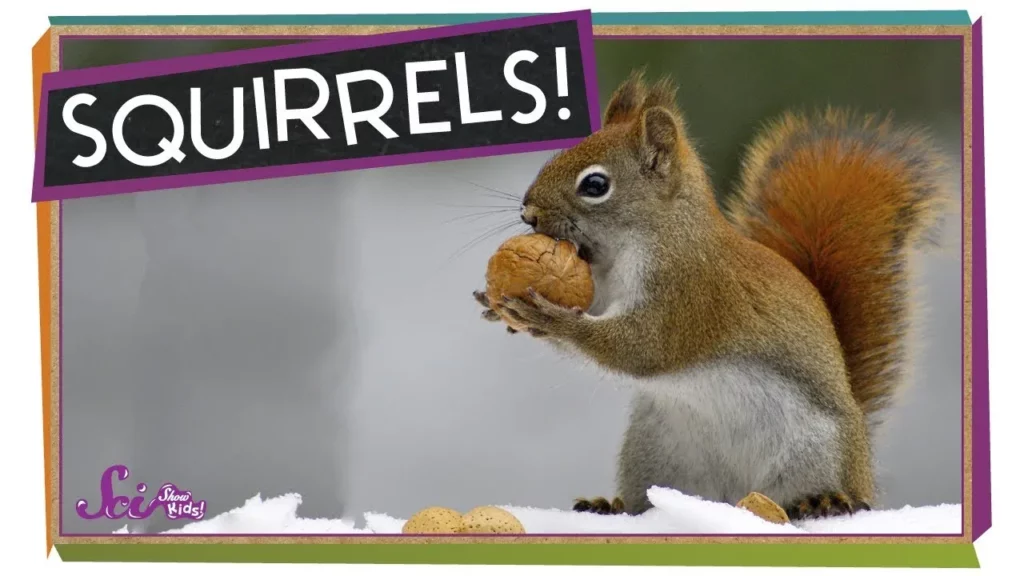
In today’s lesson, we explored the secret life of squirrels, particularly focusing on their winter behaviors. We learned that squirrels, like Ruffles the eastern gray squirrel, spend much of the cold months sleeping to conserve energy due to the scarcity of food, and they prepare for winter by storing food in the ground. As spring approaches, squirrels will become more active and find plenty of food again, allowing them to wake up and enjoy the warmer weather.
Blow Up A Balloon With Science!
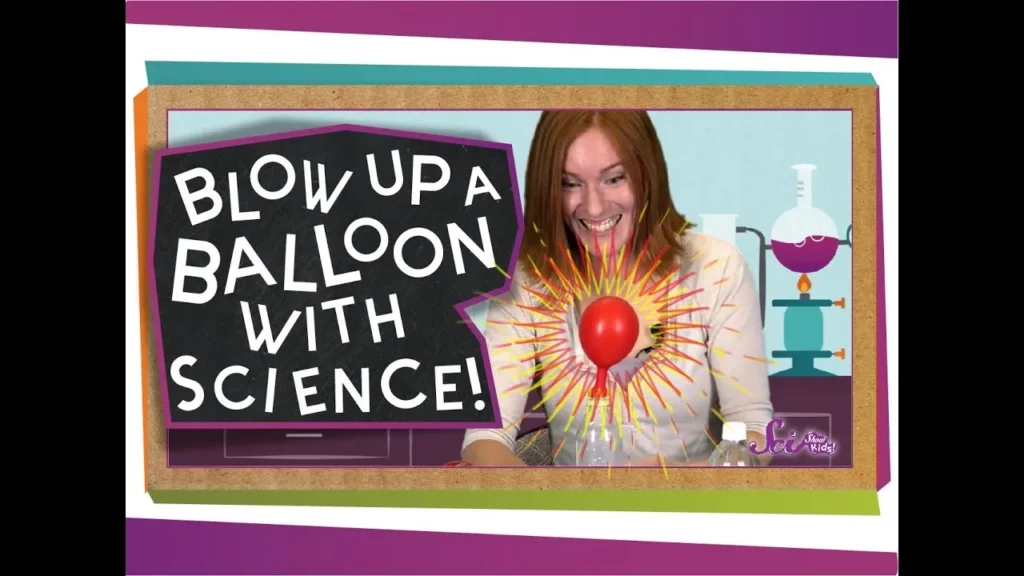
In this lesson, students learn how to inflate a balloon using a chemical reaction between baking soda and vinegar instead of their breath. By mixing these two ingredients, they create a gas that fills the balloon, demonstrating the concept of reactants and products in a fun and engaging way. The lesson encourages further experimentation by prompting students to explore the effects of varying the amounts of baking soda and vinegar.
The Coolest Machine Ever!
In this lesson, Squeaks and the narrator introduce a fun and inventive cheese-serving machine that utilizes simple machines like levers and pulleys to create a chain reaction. They explain how each component works together to serve cheese and orange juice, while also highlighting the whimsical nature of Rube Goldberg machines, which perform simple tasks in complex ways. The lesson encourages creativity by inviting participants to design their own Rube Goldberg machines for everyday tasks.
Why Is My Leg Asleep?
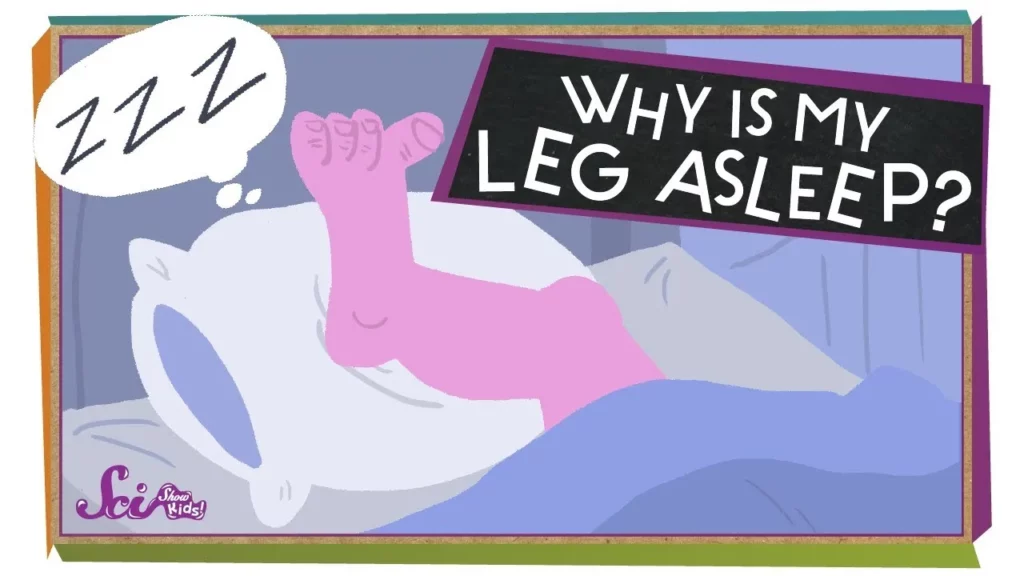
The lesson explains why our arms and legs sometimes feel numb and tingly, a phenomenon commonly referred to as “pins and needles.” This occurs when pressure on blood vessels restricts blood flow, causing nerves to malfunction temporarily. To prevent this sensation, it’s advised to avoid staying in one position for too long and to move around to restore proper blood circulation.
The Wonderful World of Plants!
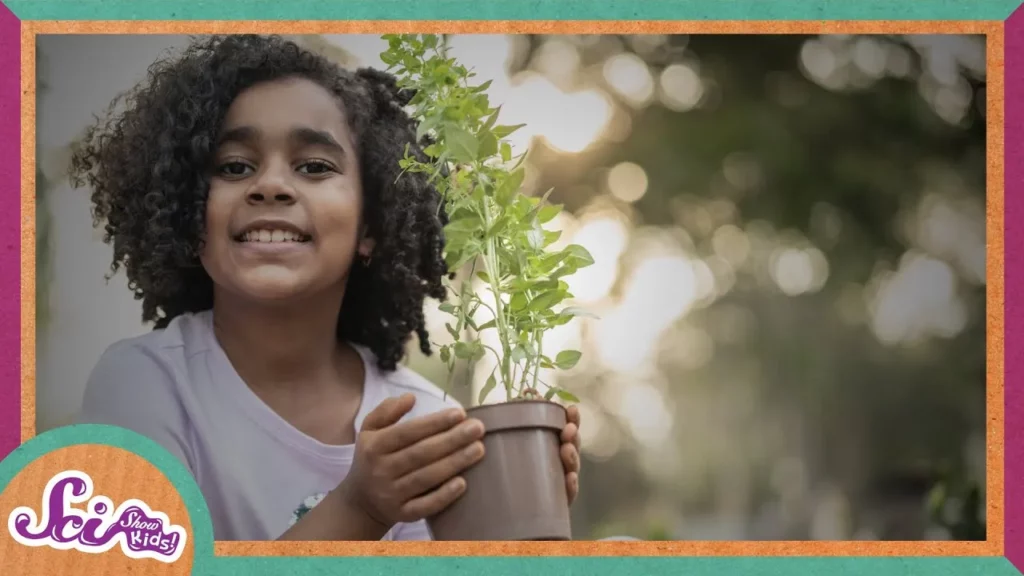
In this lesson, students are introduced to the fascinating world of plants, focusing on how seeds grow into plants, the role of flowers in pollination, and the unique characteristics of carnivorous plants. The lesson highlights the essential conditions for germination, the importance of flowers in attracting pollinators, and features intriguing examples like the Venus flytrap and the corpse flower. Overall, it encourages exploration and appreciation of the diverse and remarkable aspects of plant life.