
Growing Plants Without Soil!
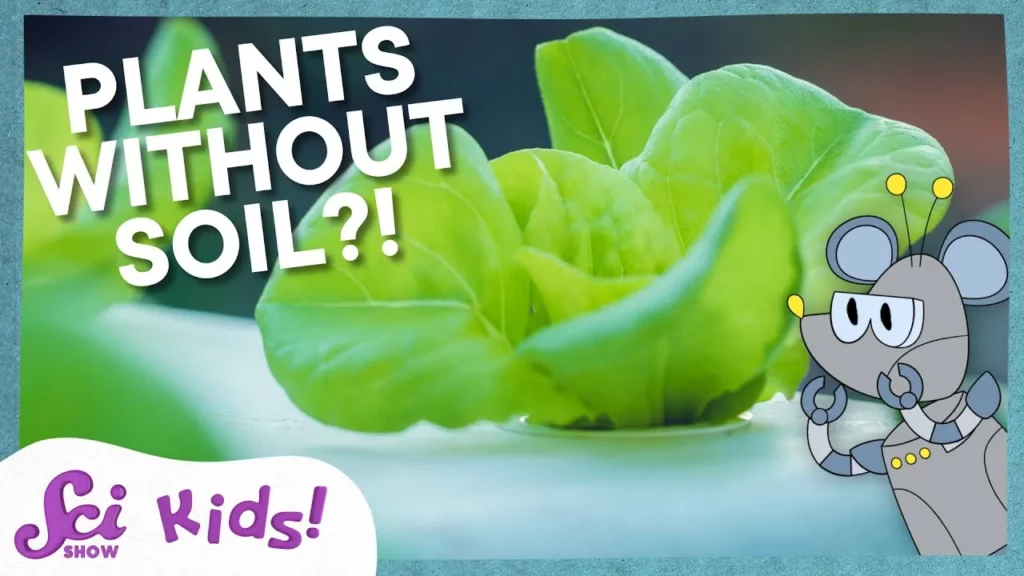
In this lesson, we explored how plants can grow without soil, highlighting the essential roles of water and nutrients in their development. Through a simple experiment using lettuce seeds, we demonstrated that plants can thrive in alternative environments, such as using a plastic bottle and an aquarium pump to provide necessary resources. This method is not only useful for urban gardening but also vital for growing food in space, showcasing the adaptability of plants in various conditions.
Use Your Brain!
In the lesson “Discovering the Amazing Brain,” students learn about the brain’s size, structure, and vital functions as the body’s command center. The brain processes sensory information, facilitates learning, and communicates messages throughout the body, all while being protected by the skull. To maintain brain health, it’s important to engage in safe practices, eat well, exercise, and get enough sleep.
Make Your Own Cartoon!
In this lesson, students learn about the fascinating process of animation and how their brains perceive movement through a series of still images. They are introduced to the concept of a zoetrope, a simple device that creates the illusion of motion, and are guided through a step-by-step process to make their own zoetrope using basic materials. By the end, students can spin their creation and enjoy the magic of their own animated drawings.
More Animal Valentines!

In today’s lesson, we explored the incredible adaptations and unique characteristics of various animals, including wood frogs, tardigrades, flamingos, and dung beetles. We learned how wood frogs survive freezing temperatures, the vital role tardigrades play in soil health, the dietary influence on flamingo coloration, and the fascinating life cycle of dung beetles. Each of these creatures highlights the diversity and wonders of nature, encouraging us to appreciate the remarkable ways in which they thrive in their environments.
Solar-Powered Slugs
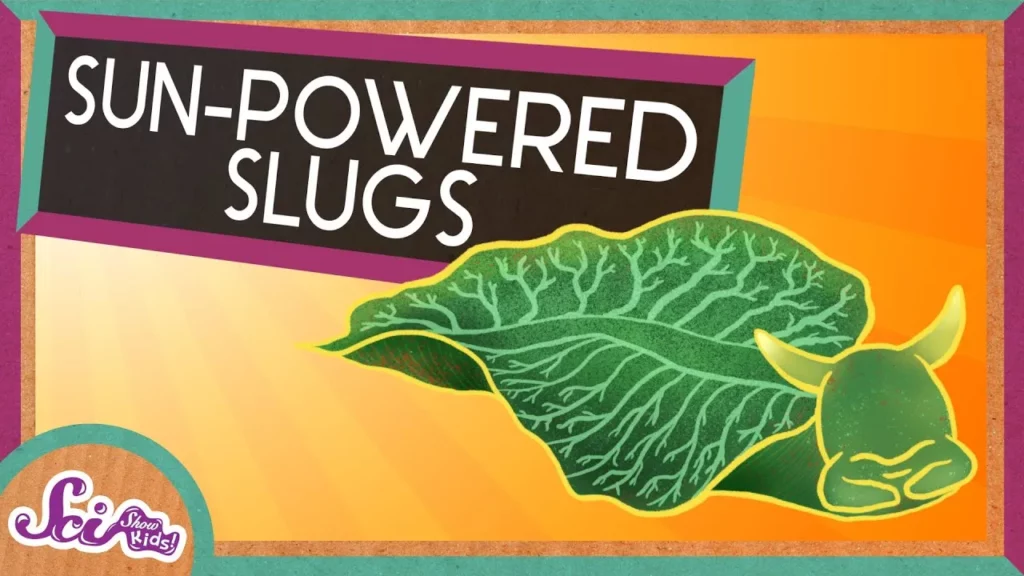
In this lesson, we explore how plants and the unique emerald elysia slug both harness sunlight to create their own food. While plants use their green leaves and chloroplasts for photosynthesis, the emerald elysia slug gains this ability by consuming algae and retaining their chloroplasts, allowing it to survive for a year without eating. This fascinating adaptation highlights the differences between how plants and certain animals can produce energy from sunlight.
The Great Elephant Toothpaste Experiment!
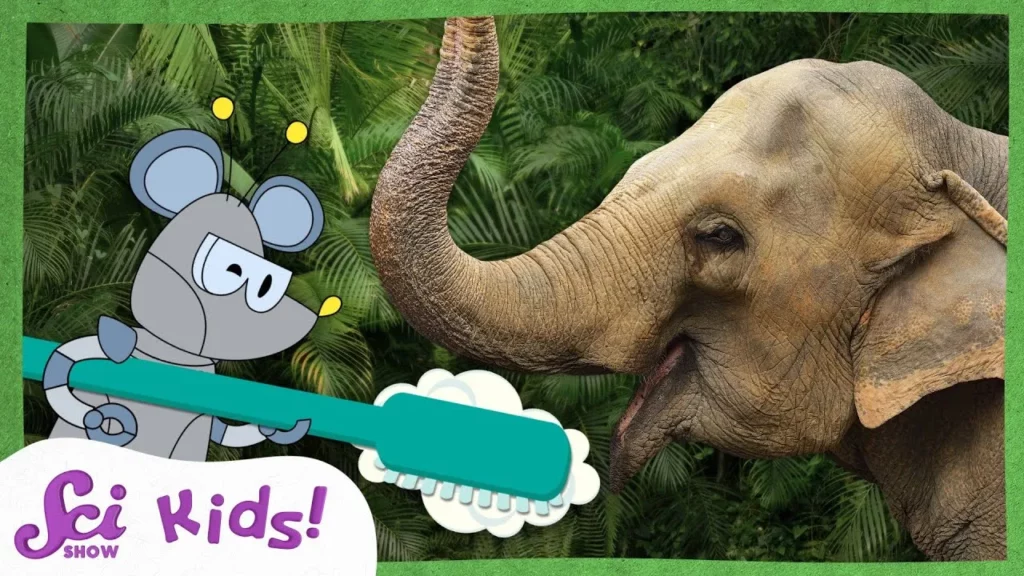
In today’s lesson, we explored the fun of making fruit salad while learning about chemical changes. We discovered that mixing fruits keeps them recognizable, but certain combinations can lead to irreversible transformations, as demonstrated by the “Elephant Toothpaste” experiment, which showcased a chemical reaction that produced foam. Ultimately, we enjoyed the deliciousness of fruit salad while understanding the difference between physical and chemical changes.
Do I Need Glasses?

The lesson emphasizes the importance of annual eye checkups for children to ensure healthy vision and clear sight. It explains how eye tests, like the “E chart” test, help detect vision problems that may go unnoticed, and discusses the role of glasses and contact lenses in correcting vision. Regular checkups are crucial, as they help identify any issues early on, ensuring that kids can see clearly and take care of their eye health.
Why Do We Get Mad?

In the lesson “Understanding Anger: A Fun Exploration,” Squeaks and the narrator discuss the physical and emotional signs of anger, highlighting how both humans and animals express this strong emotion. They explain how anger triggers bodily reactions, such as clenched jaws and increased heart rates, and emphasize the importance of managing these feelings through techniques like deep breathing and counting to ten. The lesson encourages children to explore their own feelings and find effective strategies for handling anger in everyday situations.
5 Reasons Why Dolphins Are Awesome
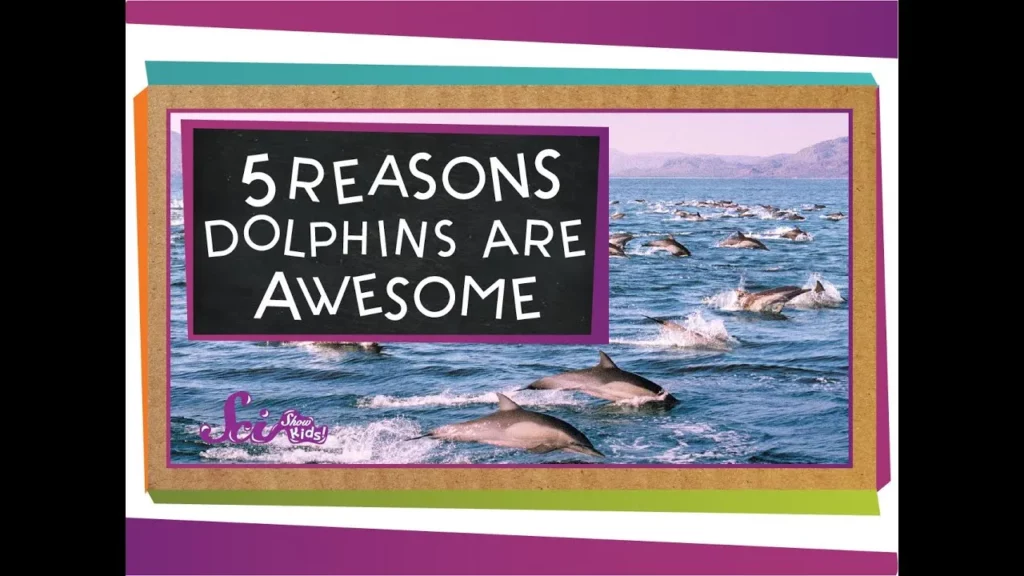
In the lesson “Discovering Dolphins: The Ocean’s Smart and Playful Creatures,” students learn about the fascinating characteristics of dolphins, highlighting their intelligence and playful nature. Key points include their unique sleeping habits that allow them to stay alert, their impressive swimming speed and jumping ability, their social behavior in pods, and their advanced communication skills through echolocation. Overall, the lesson emphasizes why dolphins are not only fun to observe but also remarkable creatures of the ocean.
Super Sharks!
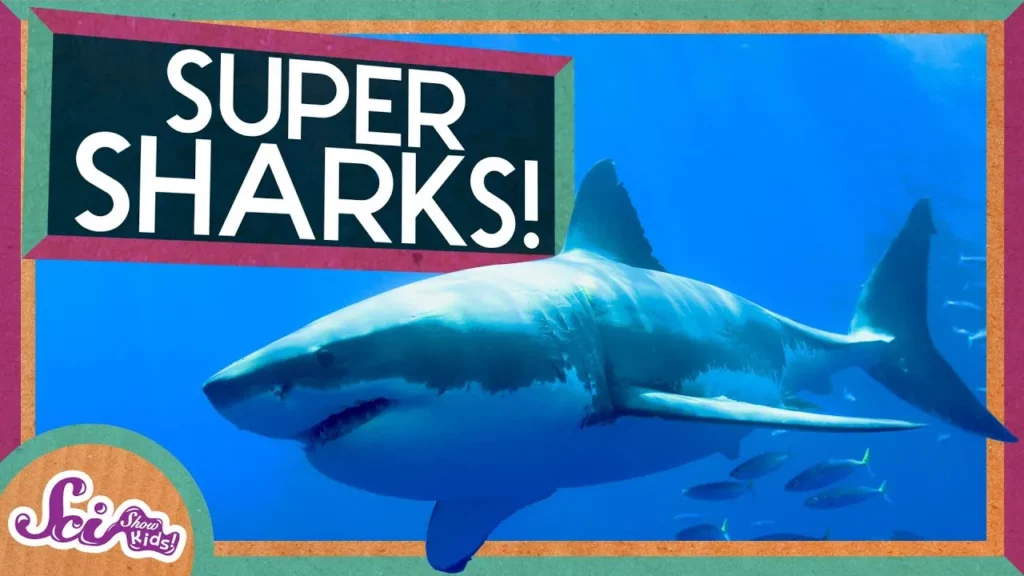
The lesson “Discovering the Amazing World of Sharks” introduces students to the unique characteristics that distinguish sharks from other fish, such as their cartilage skeletons, multiple rows of teeth, and specialized skin. It also highlights the diversity among shark species, from the enormous whale shark to the tiny dwarf lanternshark, and encourages curiosity about the ocean’s mysteries and the ongoing discoveries in marine biology.