
Build Earth from the Inside Out!
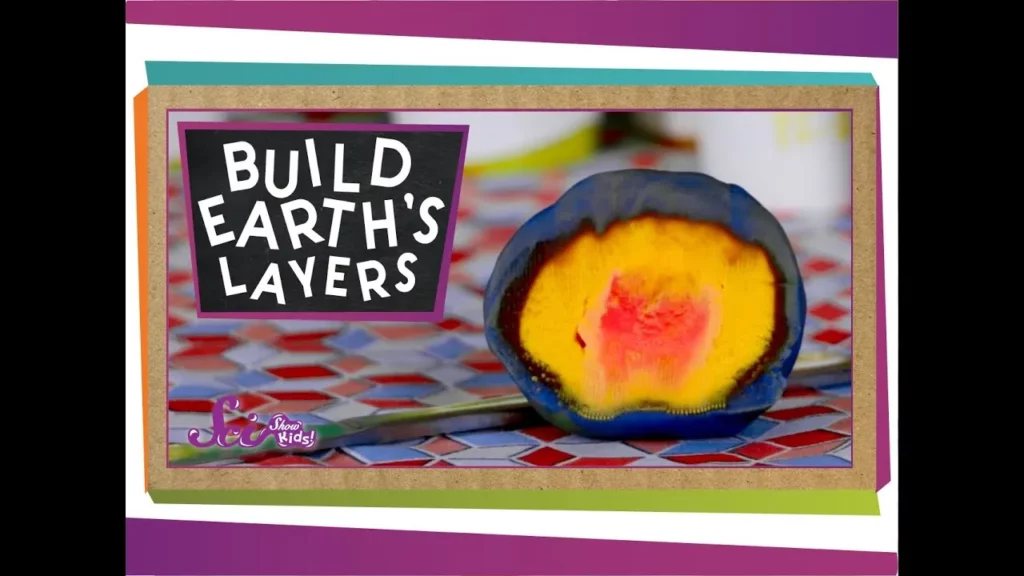
In this lesson, students explore the Earth’s layers, learning about the crust, mantle, outer core, and inner core, while discovering the challenges of digging deep into the Earth. They engage in a hands-on activity by creating a colorful model of the Earth using clay, which helps them visualize and understand the different layers. The lesson encourages creativity and curiosity about our planet’s structure and mysteries.
Why Do We Have Earwax?
This lesson explains the significance of earwax, or cerumen, which is produced in the ear canal and plays a crucial role in protecting the ears. Earwax moisturizes the ear, removes dead skin, prevents infections by keeping germs out, and protects the eardrums from dust and dirt. It emphasizes that regular bathing is sufficient for ear hygiene, and cautions against inserting objects into the ears.
Meet Your Tonsils!
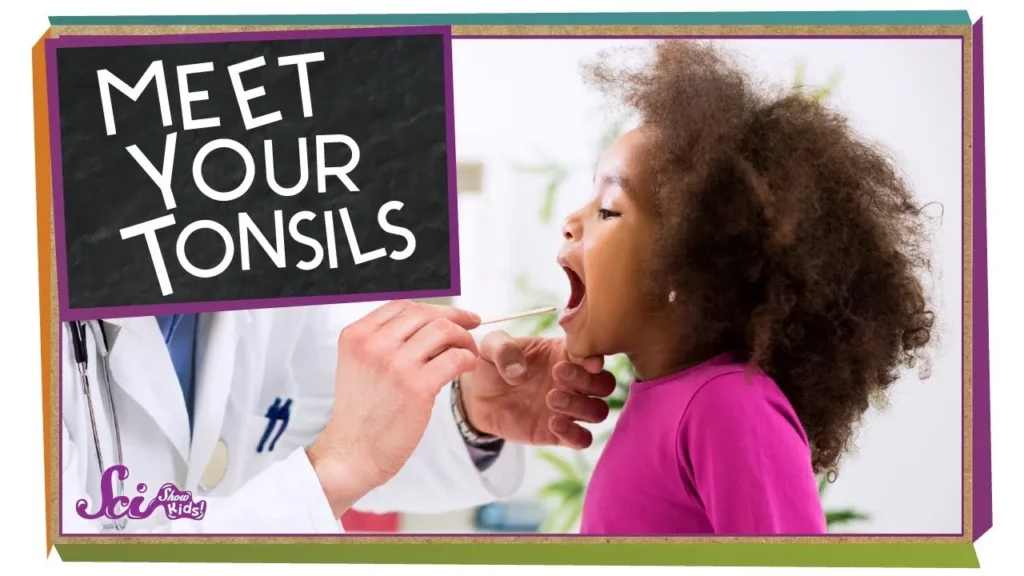
In this lesson, we learned about tonsils, small lumps in the throat that help protect the body from germs by trapping and destroying them. We also discussed tonsillitis, a condition where tonsils swell due to trapping too many germs, and the possibility of tonsil removal if someone experiences frequent tonsillitis. Additionally, as we grow older, our tonsils shrink and become less active in fighting germs, highlighting the body’s evolving defense mechanisms.
Whizpops! Dolphin Disco Music Video
In this lesson, we explore the captivating world of cetaceans, including dolphins and whales, highlighting their graceful swimming abilities and social structures, such as pods and super pods. We learn about their unique communication methods, including echolocation, which aids in hunting and finding food. Ultimately, the lesson emphasizes the importance of preserving their natural habitat and celebrating the incredible lives of these ocean creatures.
How Does Food Get to Our Stomachs and More Answers to Your Questions!
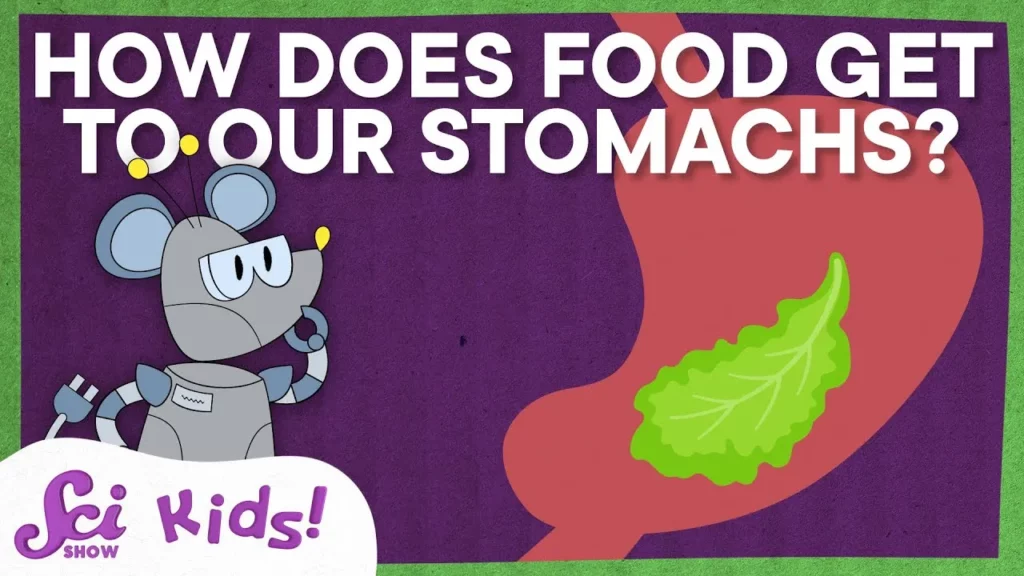
In today’s lesson, we explored how years and days are defined by Earth’s movements: a year is the time it takes for Earth to orbit the Sun, resulting in four seasons, while a day is the duration it takes for Earth to complete one full rotation, creating cycles of day and night. We also discussed how food travels through our body, the importance of the esophagus, and the role of the diaphragm in coughing and hiccups, as well as why some people experience discomfort after consuming milk due to lactose intolerance.
Make Your Own Recycled Bird Feeders
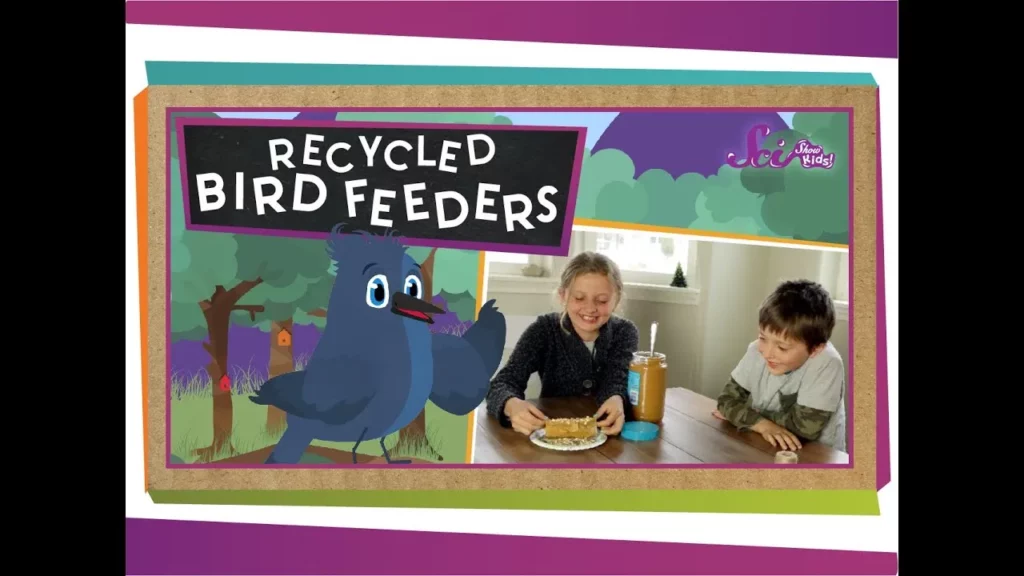
In this lesson, Dino teaches kids about the importance of recycling and how it can be used to create bird feeders, which help feed local birds. He shares what birds like to eat, including safe human foods, and provides step-by-step instructions for making three different types of bird feeders using common recyclable materials. By engaging in this fun activity, children learn to care for the environment while enjoying the company of birds.
Make the Ocean in a Jar!
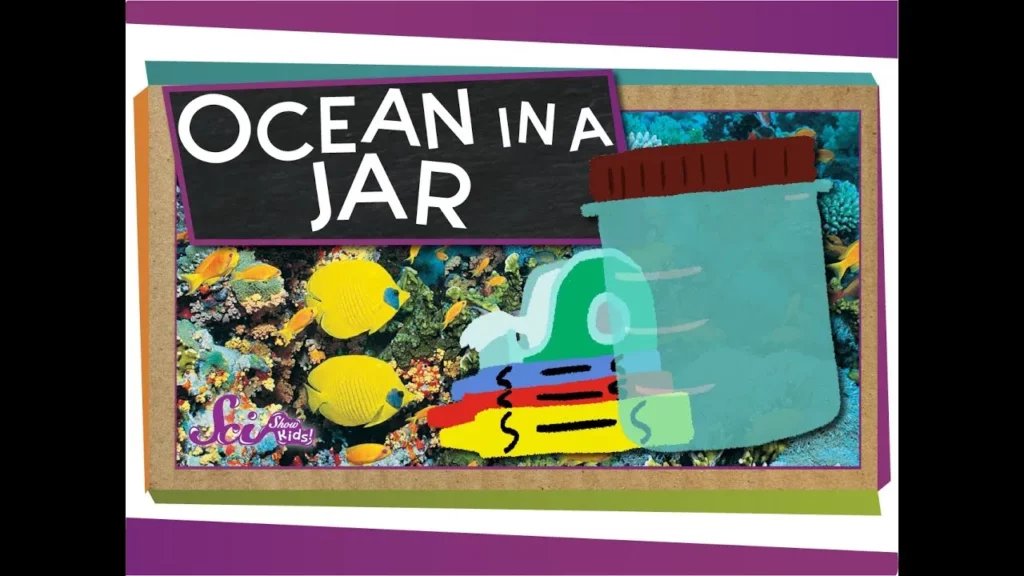
In this lesson, students explore the different layers of the ocean—Sunlight Zone, Twilight Zone, and Midnight Zone—along with the unique animals that inhabit each zone. They engage in a hands-on project called “Ocean in a Jar,” where they create a visual representation of these zones using colored paper and drawings of marine life. This activity not only enhances their understanding of ocean ecosystems but also encourages creativity and sharing their work with others.
Why Do Animals Have Tails?
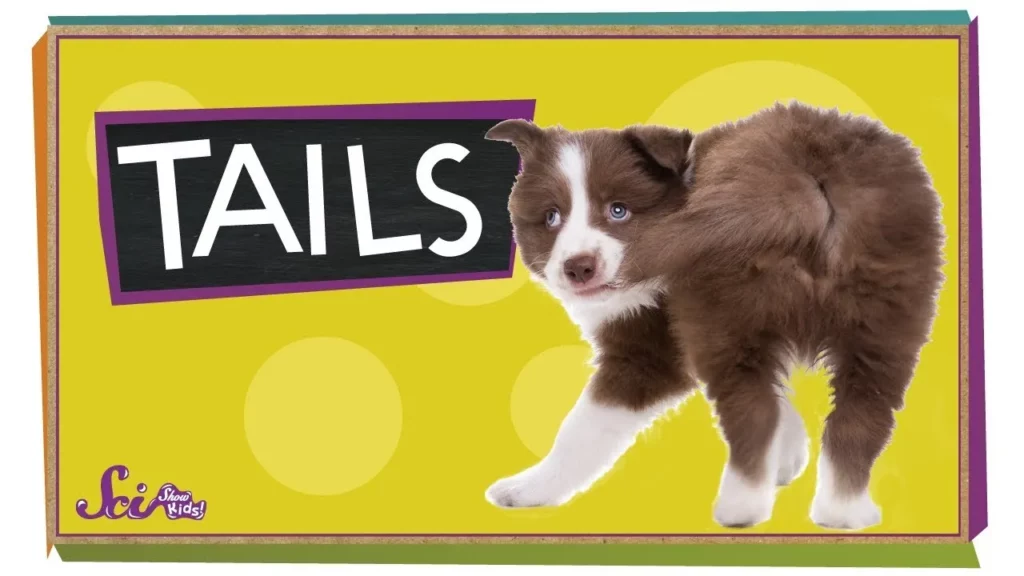
In this lesson, we explore the various functions of tails in animals, highlighting their roles in communication, pest control, balance, and even as an extra appendage for some species like monkeys. While animals like dogs and horses use their tails to express emotions and keep bugs away, others like rats and cats rely on them for balance. Humans, on the other hand, do not have tails because our communication and physical capabilities make them unnecessary.
From Seasons to Salmon: All About Cycles!
In this lesson, we explored various natural cycles, including the changing seasons, the phases of the moon, the water cycle, and the life cycle of salmon. Each cycle demonstrates a repeating pattern that contributes to the balance of our environment, such as how Earth’s tilt affects seasonal changes and how water continuously moves through different states. Understanding these cycles helps us appreciate the interconnectedness of nature and the processes that sustain life on our planet.
Why Do Onions Make Me Cry?
In this lesson, we explored why chopping onions causes our eyes to tear up, which is a protective response to irritants released by the onion juice. We also discussed various methods to minimize this effect, such as refrigerating the onions or wearing goggles, and encouraged a hands-on approach to cooking as a fun way to learn about science in the kitchen.