
The Layers of the Redwood Forest
In this lesson, we explored the unique characteristics of redwood forests, which are cooler, foggy rainforests located on the west coast of North America. We learned about the different layers of the forest, from the shaded forest floor that supports mosses and ferns to the canopy where animals like Humboldt’s Flying Squirrels glide, and the upper canopy where peregrine falcons hunt. The lesson highlights the diversity of life in these forests and encourages curiosity about other layered ecosystems.
Make Your Own Erosion!
In this lesson, students learn about erosion through a hands-on experiment that they can conduct at home. By creating a mini landscape with dirt and water, they observe how water movement can transport soil, demonstrating the erosion process in real-time. The activity encourages experimentation with different landscape features and water flow to deepen understanding of how erosion shapes natural landscapes.
Why Does Ice Cream Hurt My Head?
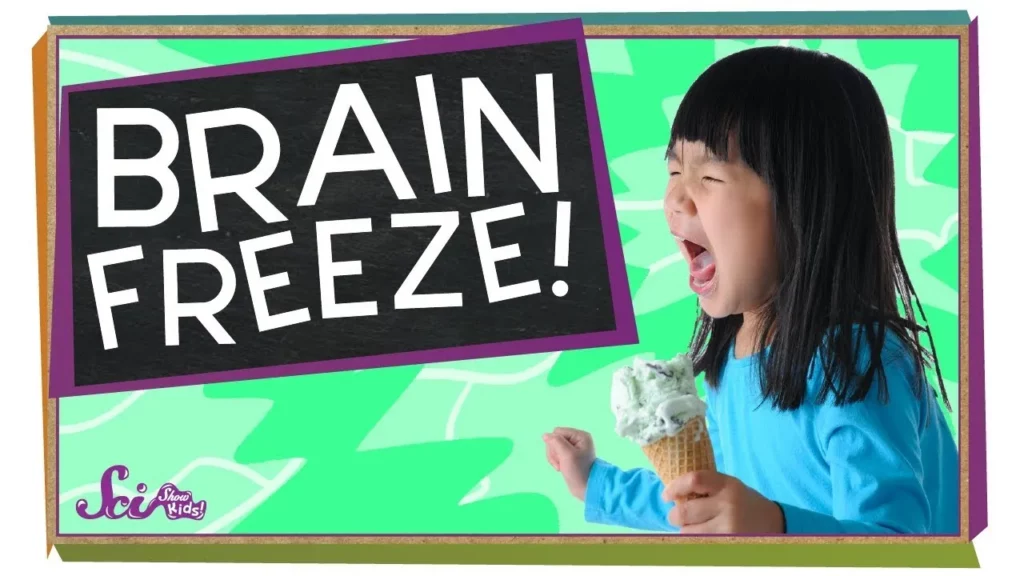
The lesson explains the phenomenon of brain freeze, or ice cream headache, which occurs when consuming cold foods or drinks. It describes how the rapid cooling of blood vessels in the mouth and throat triggers a reaction that sends extra blood to the brain, causing temporary pain. To alleviate brain freeze, one can press their tongue against the roof of their mouth to warm the blood vessels, and it’s advised to eat cold treats more slowly to prevent the discomfort.
How to Feel Your Heart Beat
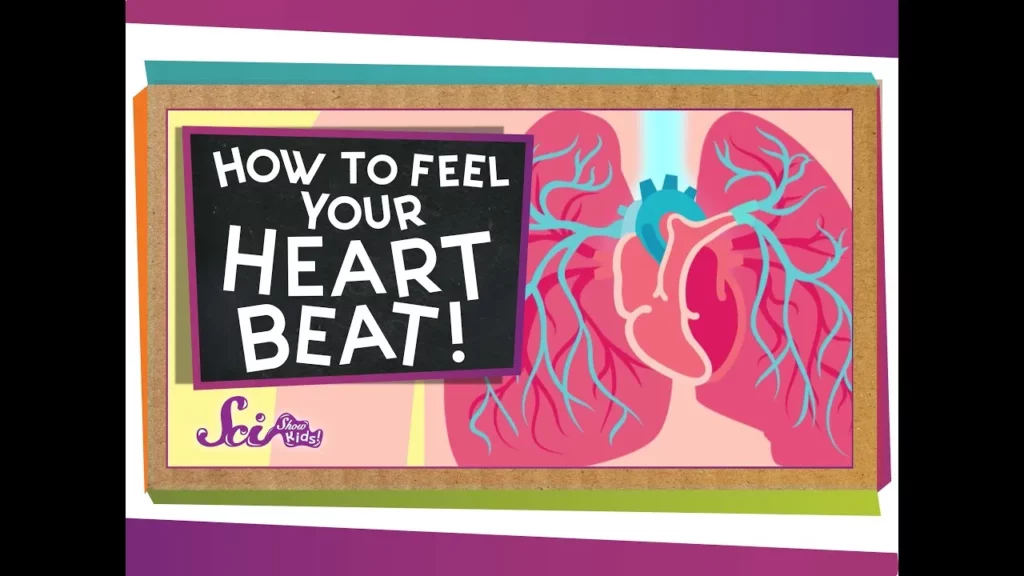
In the lesson “Discovering Your Heart: The Amazing Muscle Inside You,” students learn about the heart’s vital role as the hardest working muscle in the body, constantly pumping blood to deliver oxygen and remove waste. The lesson emphasizes the heart’s continuous function, the importance of blood circulation, and how physical activity increases heart rate to meet the body’s oxygen demands. Engaging activities, like feeling one’s pulse and exercising, help reinforce the heart’s significance in maintaining overall health.
4 Reasons Cows are Awesome!
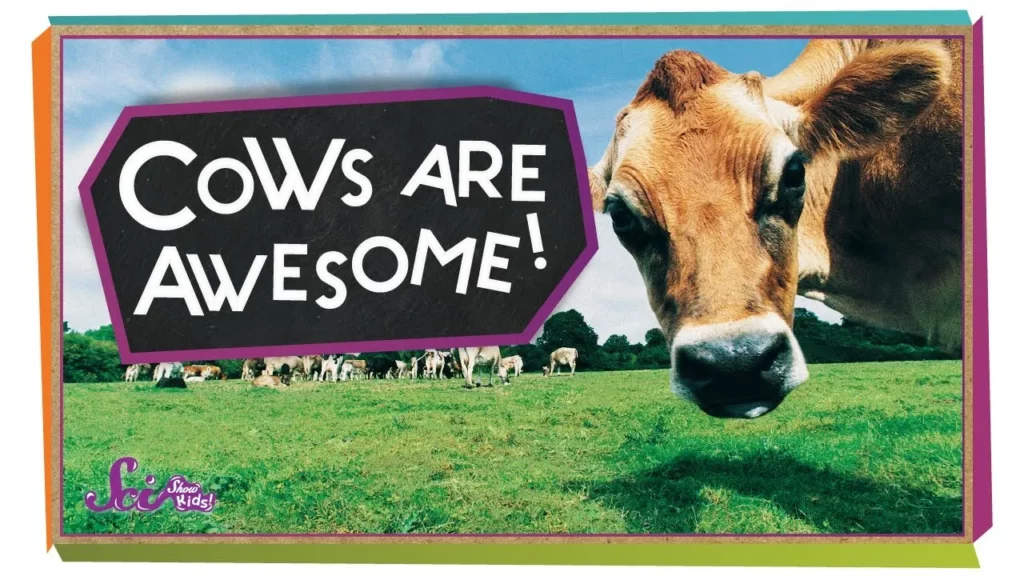
In this lesson, students learn about cattle, including the different names for male (bulls or steers), female (cows), and young (calves) animals, collectively referred to as cattle. The lesson highlights the various breeds of cattle, their importance in agriculture for providing food products like milk and meat, and the role of farmers in caring for these animals using scientific methods. Overall, it emphasizes the unique characteristics of cattle and their significance on farms.
Let’s Engineer a Gingerbread Fort

In this lesson, students engage in a hands-on science project by building a gingerbread house, which combines engineering principles with culinary skills. They learn to plan their construction by selecting the right materials based on their properties, such as strength and texture, and understand the importance of using the right icing to hold the structure together while managing stress during decoration. This fun activity emphasizes the scientific concepts of material properties, baking transformations, and structural integrity in a creative and enjoyable way.
Meet the dinosaur tank
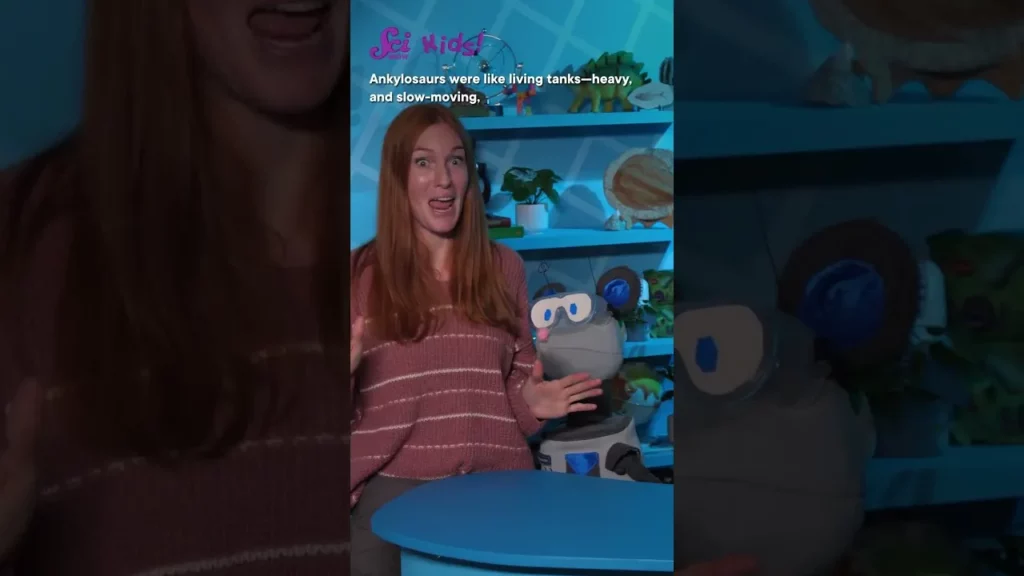
The lesson introduces the Ankylosaurus, a plant-eating dinosaur that lived around 70 million years ago, highlighting a recently discovered, exceptionally well-preserved fossil that reveals details about its skin. Known for its armored body and powerful tail club, the Ankylosaurus was well-equipped to defend itself against predators, showcasing the fascinating adaptations of ancient creatures.
The Color-Changing Celery Experiment!
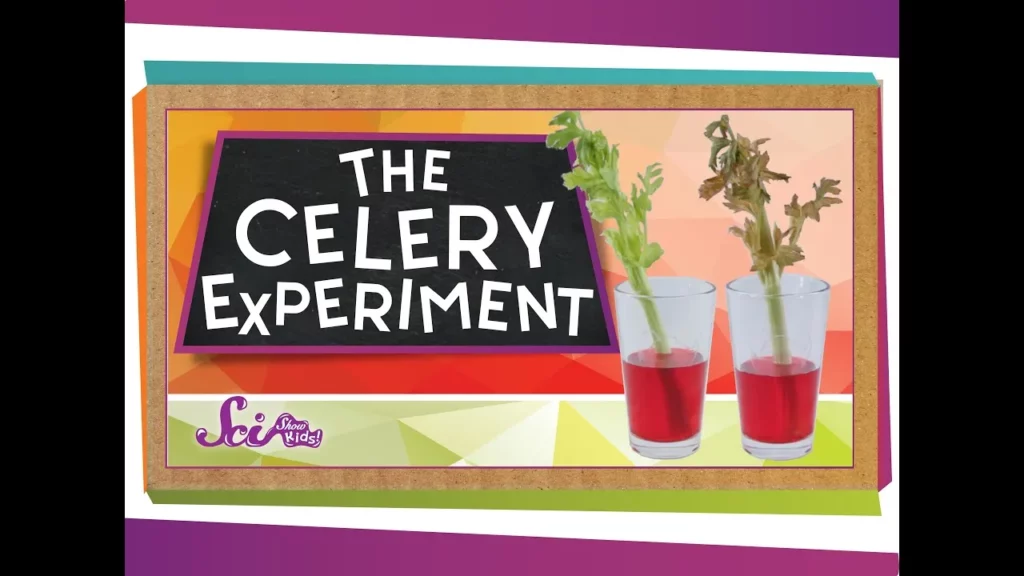
In this lesson, students learn how plants absorb water through a hands-on experiment using celery and food coloring. By observing the changes in the celery after placing it in colored water, students discover that water travels through the plant’s xylem, demonstrating the process of water movement from the roots to the leaves. The lesson encourages curiosity and further experimentation with different plants and variables.
Parachute Adventure!
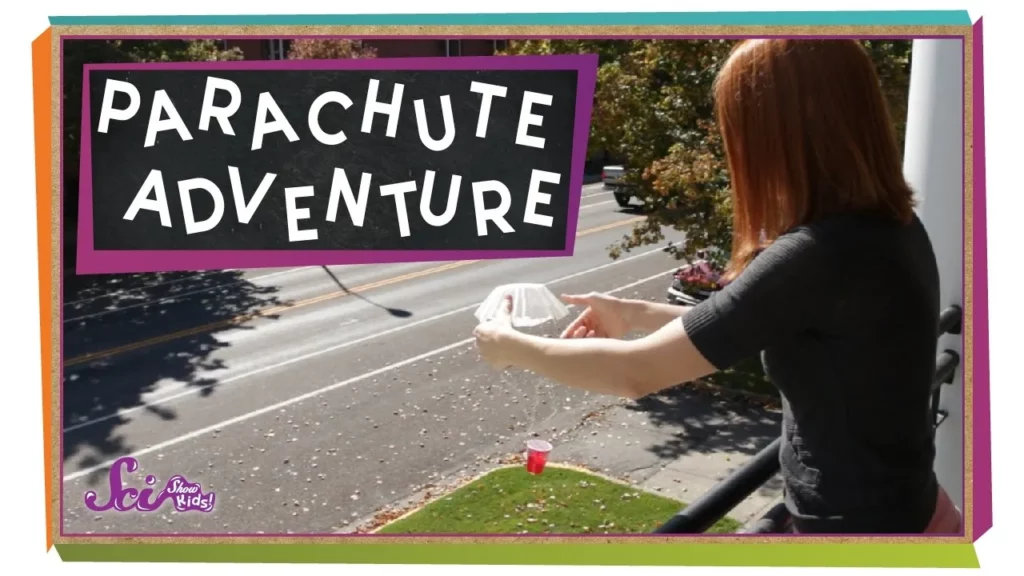
In this lesson, students learn about the science of drag and how it applies to parachutes. By creating their own parachutes using simple materials like coffee filters and cups, they can observe firsthand how increased drag slows down falling objects, enhancing their understanding of the principles of physics through hands-on experimentation. The lesson encourages creativity and further experimentation with parachute design.
How Plastic Hurts the World
The lesson emphasizes the importance of recycling, particularly plastic, to help keep our planet clean and reduce pollution. It explains that plastic takes hundreds to thousands of years to decompose, leading to significant environmental issues, especially in oceans where it harms marine life. By using less plastic and recycling more, individuals can contribute to a healthier planet and mitigate the negative impacts of plastic waste.