
Meet the American Bison!
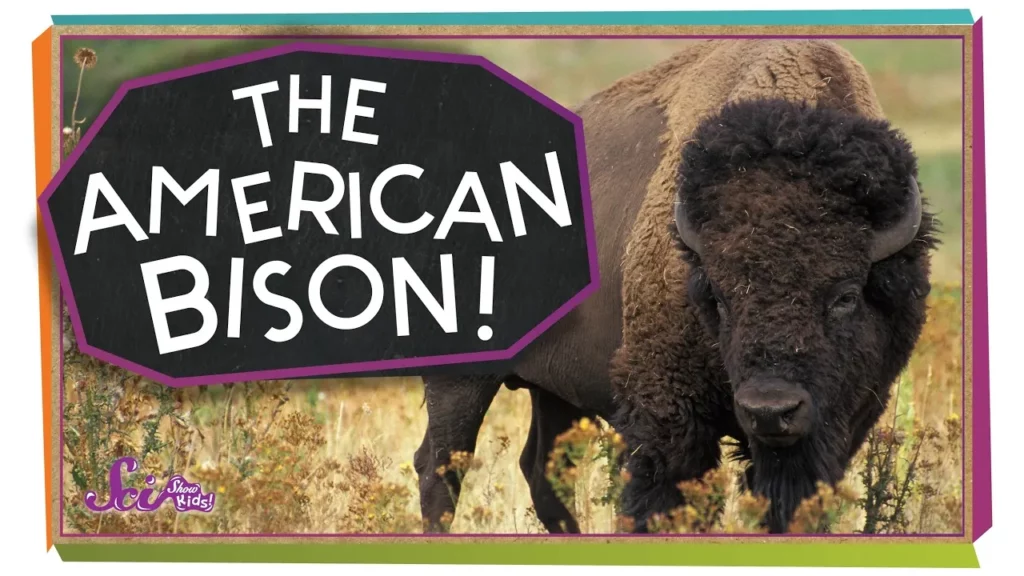
The lesson introduces the American Bison, the national mammal of the United States, highlighting its unique characteristics, such as its size, speed, and diet. It also discusses the life cycle of bison calves, their methods for dealing with insects, and the historical decline and conservation efforts that have helped increase their population. Overall, the lesson emphasizes the importance of bison in American wildlife and their role in the ecosystem.
Why Are Flamingos Pink?
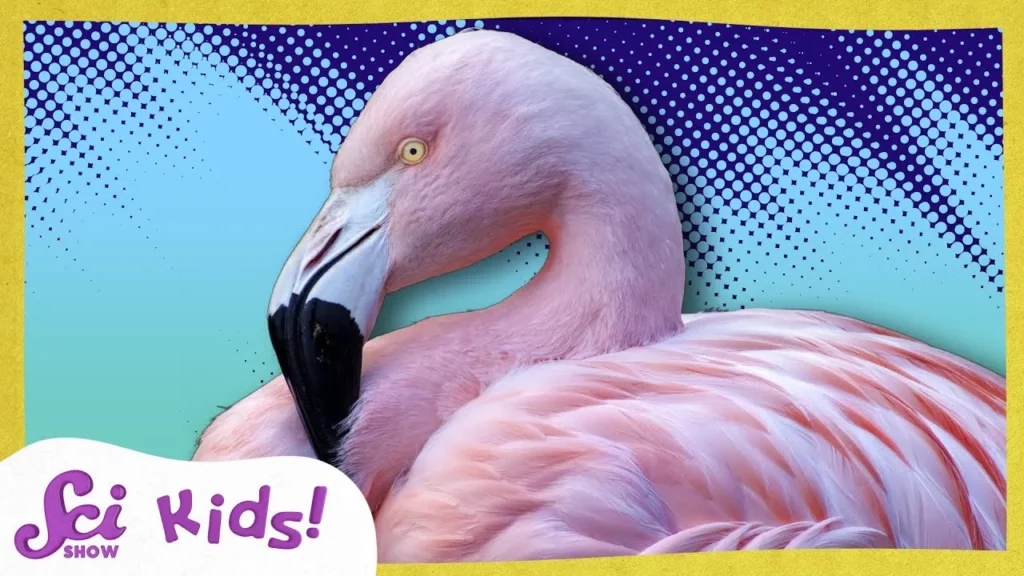
In today’s lesson, we explored the vibrant world of birds, discovering various species like cardinals, goldfinches, and blue jays, each showcasing unique colors. We learned that the bright colors of some birds, such as flamingos, are influenced by their diet, specifically the pigments found in the shrimp and larvae they consume. This lesson emphasized the fascinating relationship between a bird’s appearance and its environment, while also reassuring us that humans won’t turn orange from eating colorful foods like carrots.
Make Your Own Secret Ink!
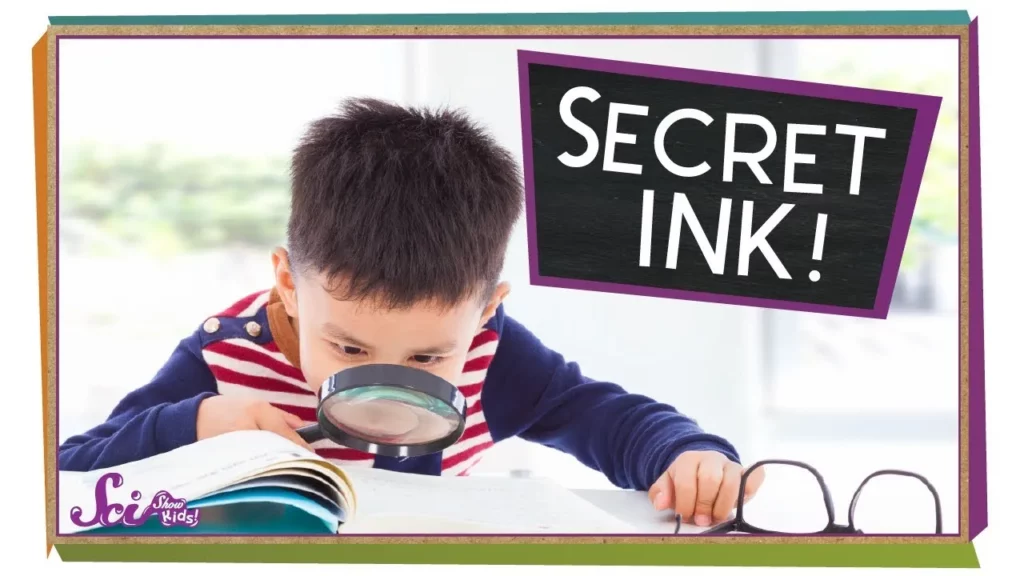
In this lesson, students celebrate National Coloring Day by creating invisible ink using a mixture of baking soda and water, which they can use to write secret messages on paper. After the ink dries, they reveal the hidden messages by painting over them with grape juice, demonstrating a fun chemical reaction that changes color. This activity not only provides a creative outlet but also introduces basic scientific principles related to chemical reactions.
The Story of George Washington Carver
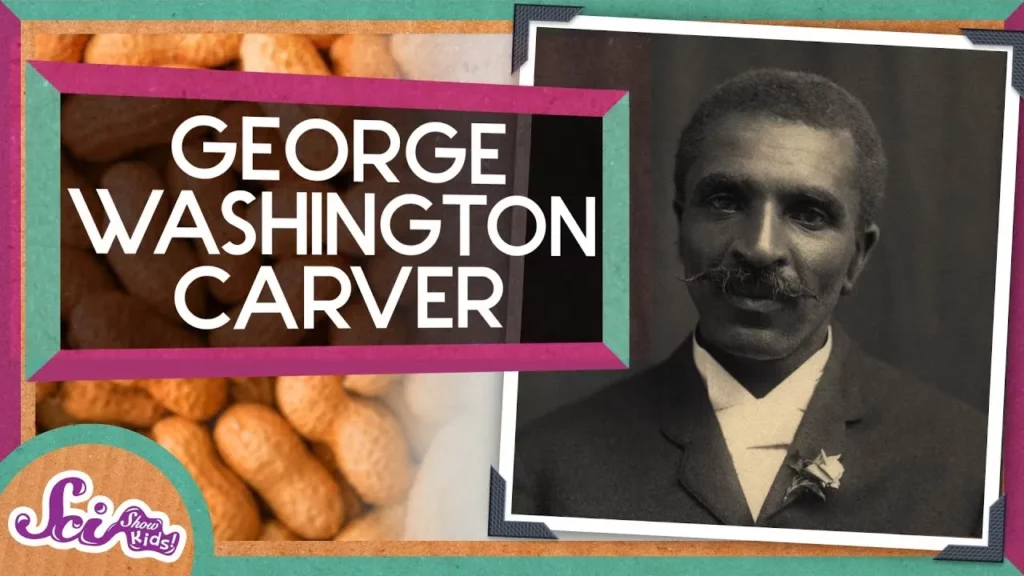
In today’s lesson, we explored the life and contributions of George Washington Carver, a pioneering scientist who emphasized the importance of soil health for successful farming. Through his innovative idea of rotating crops, particularly using peanuts to restore nitrogen levels in the soil, Carver provided valuable insights that can help gardeners like Squeaks improve their plant growth. This story highlights the significance of learning from historical figures to solve modern agricultural challenges.
Let’s Explore Space!
In today’s lesson, we celebrated the opening of the Fort’s new observatory, which allows us to explore and learn more about space. We discussed what stars are, their different types, and the significance of our sun, while also taking a tour of our solar system and its planets. Additionally, we inspired dreams of becoming astronauts, encouraging curiosity and exploration in the field of space science.
Where Do Lice Come From?
This lesson introduces head lice, tiny insects that live in hair and cause itching but do not make people sick. It explains how lice are transmitted through shared items, their life cycle, and how to identify and treat an infestation using special shampoos and cleaning methods. The key takeaway is that while having lice can be uncomfortable, it is manageable and not a cause for alarm.
The Biggest Flower in the World!
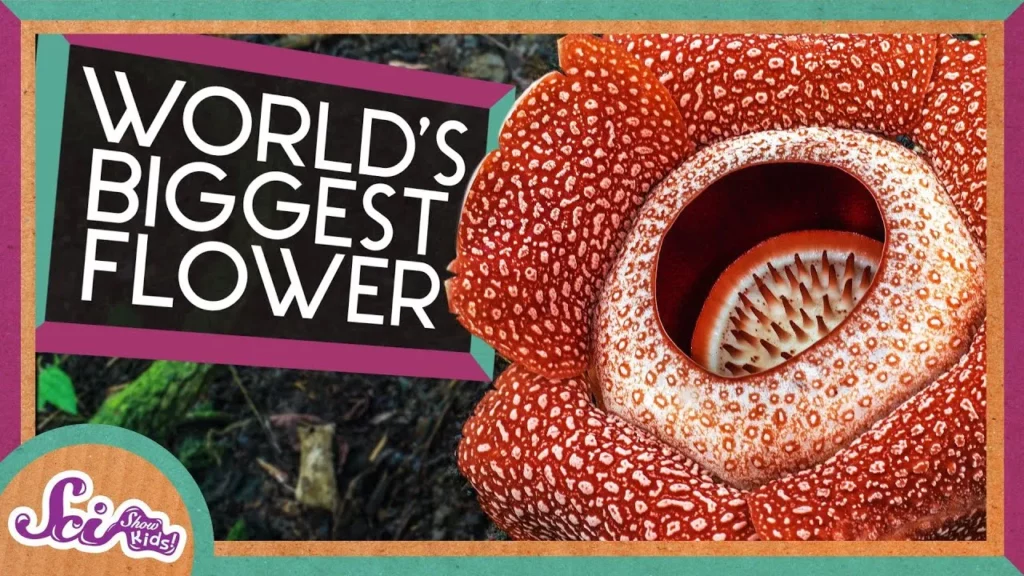
In this lesson, we explored the fascinating world of the Rafflesia arnoldii, the largest flower on Earth, known for its enormous size and strong odor reminiscent of rotting meat. Unlike typical flowers, it lacks leaves, roots, and stems, functioning as a parasite that derives nutrients from its host plant. Through this unique flower, we learn about the diverse survival strategies of plants and are encouraged to observe and document the flora in our own environments.
Microscopic Life in a Drop of Water!
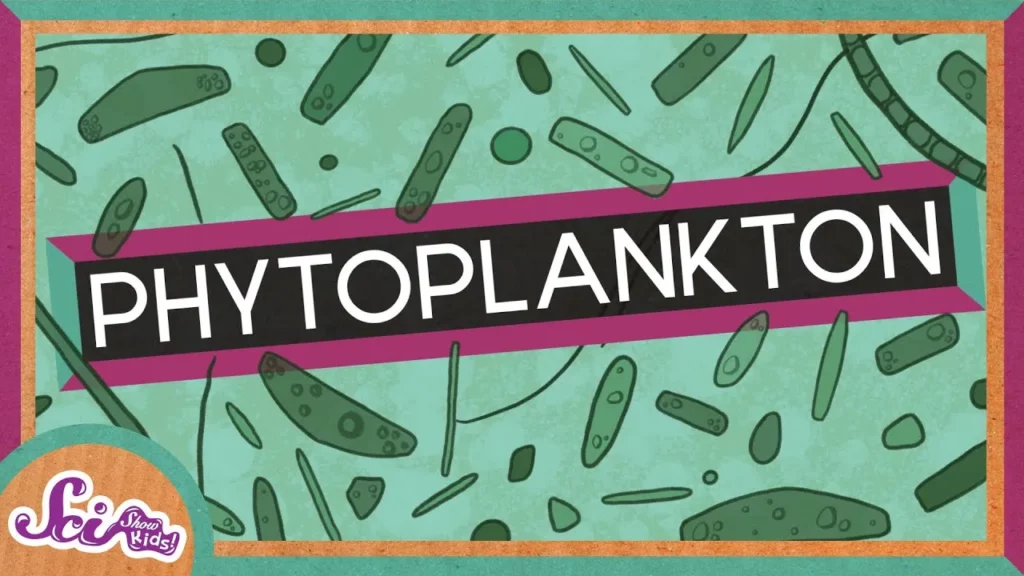
In this lesson, students explored the fascinating world of phytoplankton, tiny organisms found in water that play a crucial role in our ecosystem. Using a microscope, they observed these creatures and learned about their ability to perform photosynthesis, which not only produces more than half of the world’s oxygen but also serves as a vital food source for aquatic life. The lesson emphasized the significant impact phytoplankton have on both the environment and the food chain in aquatic ecosystems.
Jessi and Squeaks Build a Better Back-Scratcher!
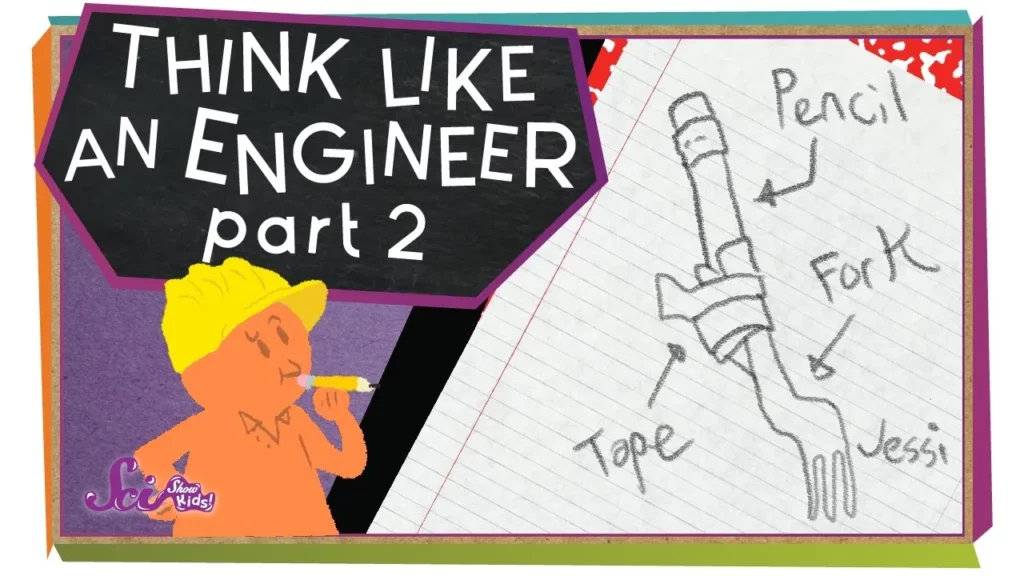
In this lesson, students learn to solve problems like engineers by following a structured process: asking questions, imagining solutions, creating prototypes, testing them, and improving designs. Through a fun activity, they tackle the problem of an itchy back by designing and building back scratchers using various materials, ultimately refining their creations based on testing results. The lesson emphasizes creativity, persistence, and the iterative nature of engineering problem-solving.
How do bats see in the dark?
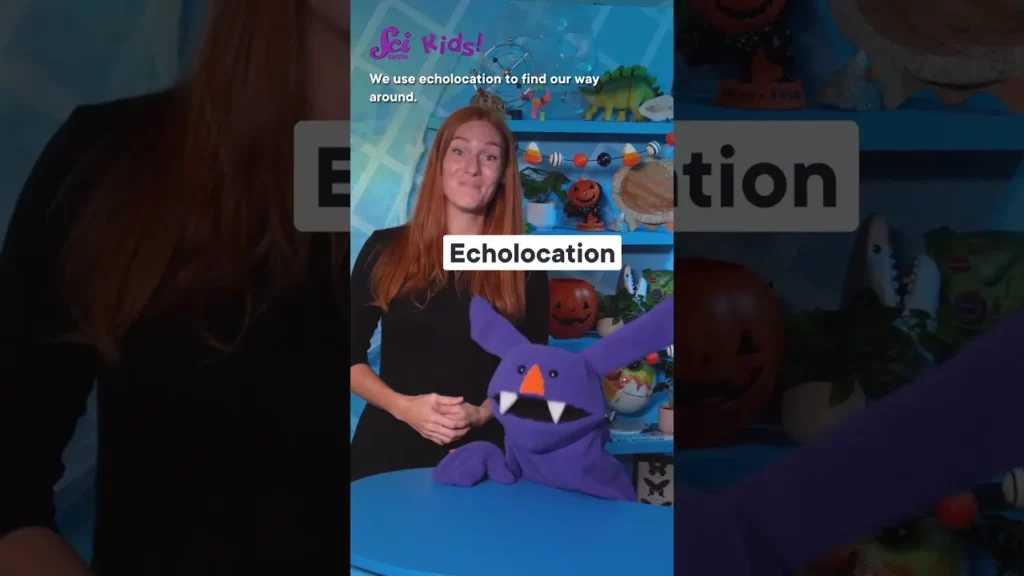
The lesson “Discovering the World of Bats” explores the unique abilities of bats, particularly their use of echolocation to navigate and find food in dark environments. While bats are often perceived as spooky due to their habitats, the lesson highlights their fascinating skills, emphasizing that their echolocation allows them to thrive in darkness, making them remarkable creatures rather than frightening ones.