
All About Sneezes!
In this lesson, we explored the reasons behind sneezing, which can be triggered by irritants like dust, pollen, or illness. We learned how sneezing works as a reflex to expel these irritants from our noses, and discussed the importance of sneezing for maintaining health by clearing out harmful particles and germs. Additionally, the lesson emphasized the importance of sneezing safely to prevent the spread of germs.
Winter Fun!
In the lesson “Winter Adventures and Science Fun!”, students join Squeaks to explore winter activities while learning about the science behind ice and pressure. They discover why ice is slippery, how to maintain balance on it, and the effects of peppermint on our senses. Additionally, they engage in a hands-on activity by building a gingerbread fort, applying engineering principles to ensure its stability and decoration.
Real Life Giants!

In today’s lesson, we explored the fascinating world of nature’s giants, including the enormous Rafflesia arnoldii flower, the towering Hyperion redwood tree, and the colossal blue whale. We also learned about Ice Age giants like mastodons and giant beavers, as well as remarkable insects such as the Titan beetle and giant Weta. This journey highlights the incredible diversity and scale of life on Earth, encouraging further exploration and appreciation of these magnificent creatures.
The Amazing Elephant Seal
The lesson introduces elephant seals, highlighting their impressive size and unique features, particularly their large noses, which aid in communication and help them stay moist when on land. It also emphasizes their remarkable adaptations for life in the ocean, including their ability to dive deep and hold their breath for extended periods. Overall, the lesson showcases the fascinating abilities of elephant seals both in water and on land.
Life in the Redwoods
In this lesson, students embark on an adventure to explore the remarkable redwood forests of North America, using computer and art skills to create a model of a redwood tree. They learn about the unique features of redwoods, the layered ecosystem of the forest, and the diverse animals that inhabit it, such as the Humboldt squirrel, fisher, wandering salamander, and marbled murrelet. Through this engaging activity, students deepen their understanding of these giant trees and their environment while fostering a love for learning about nature.
Why Is Fire Hot?
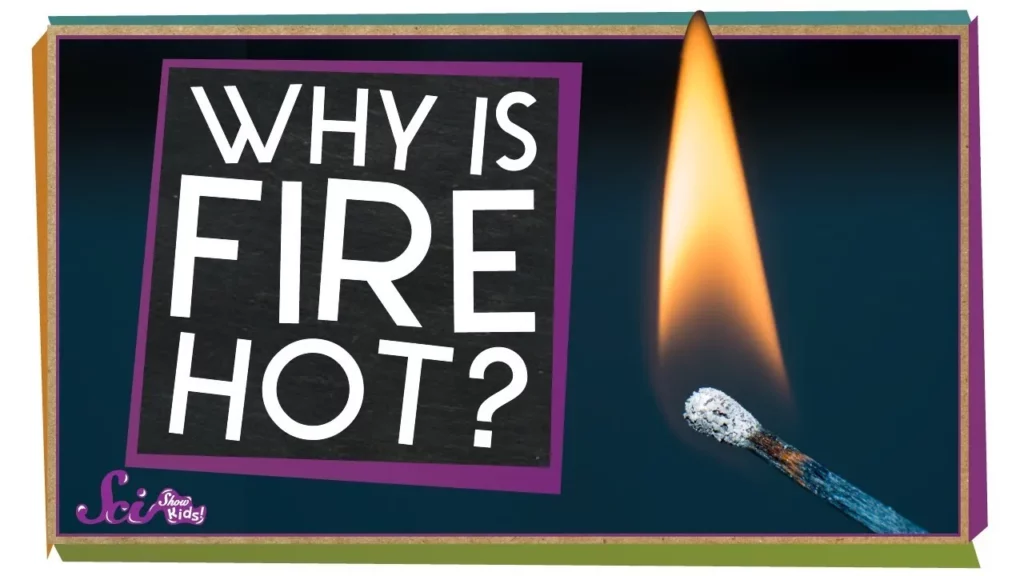
In this lesson, students learn about the nature of fire, including why it is hot and the essential elements needed for it to burn: fuel, oxygen, and heat. The lesson emphasizes fire safety rules to ensure that students understand the importance of staying safe around fire while also explaining the process of combustion, where materials like wood change and release energy in the form of heat. Overall, the lesson combines scientific concepts with practical safety advice, making it both informative and engaging.
Make a Calendar of Seeds!
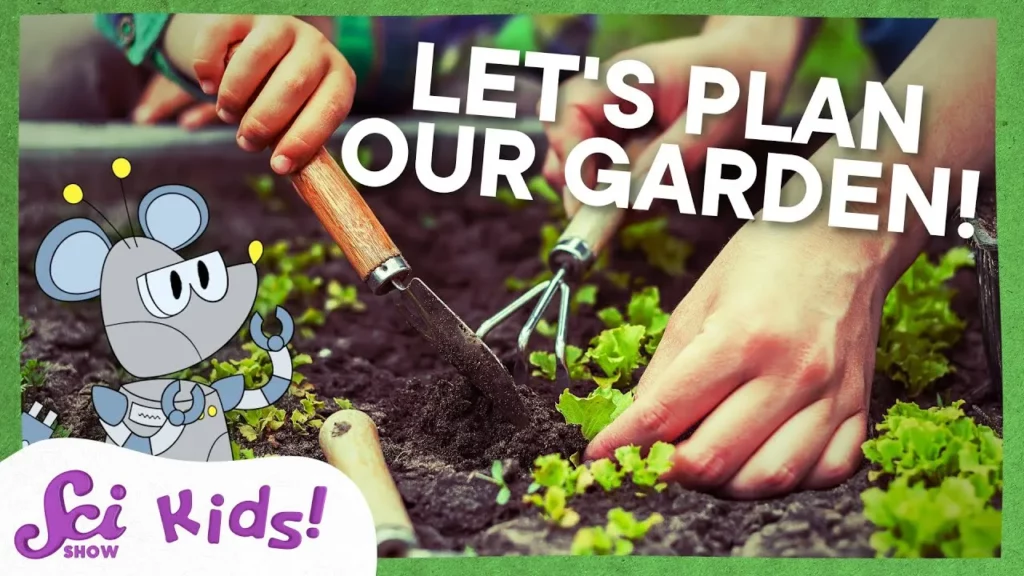
In this lesson, we embark on an exciting garden adventure, exploring the different types of seeds and their unique characteristics, as well as the importance of understanding plant habitats. We learn about the distinction between perennial and annual plants, the significance of the last frost date for planting, and how to create a seed calendar to ensure successful growth. Ultimately, the lesson emphasizes the joy and rewards of gardening as we prepare to plant our seeds.
Why Do We Shiver?
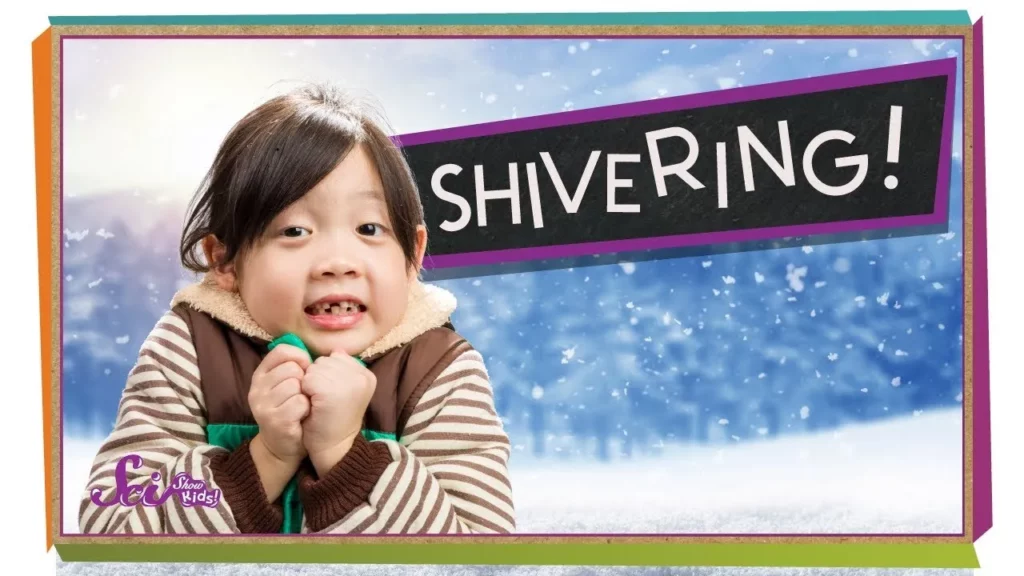
In this lesson, we learn that shivering is a natural response our bodies have to cold temperatures, helping to generate heat and maintain a stable internal temperature. When we get cold, our brain signals our muscles to contract rapidly, which produces warmth. To prevent shivering, it’s important to wear warm clothing and layers that trap heat, especially during winter.
What Color are Stars?
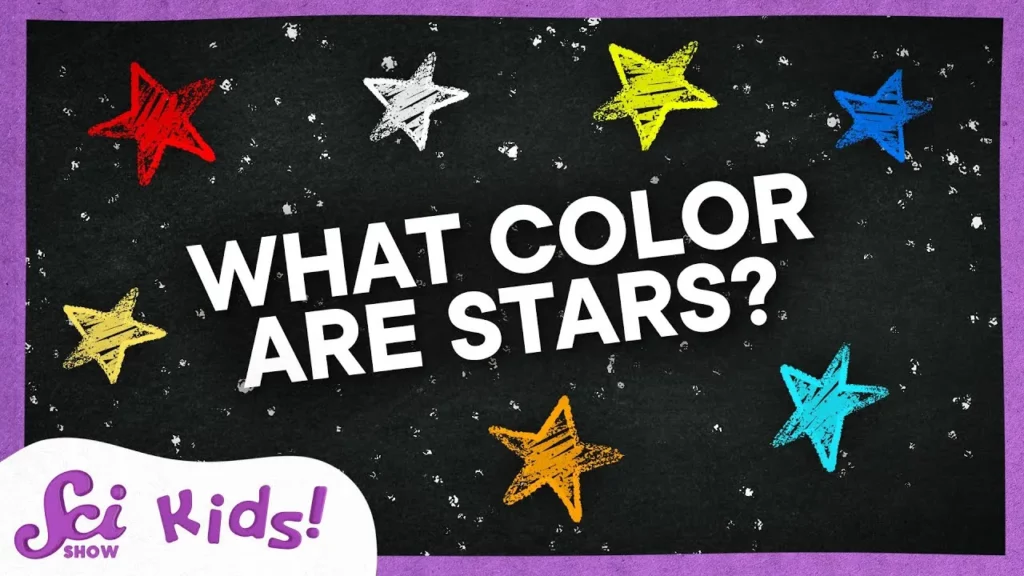
In this lesson, students explore the fascinating colors of stars and what those colors reveal about their temperatures. They learn that stars can be red, yellow, or blue, with red stars being the coolest and blue stars the hottest, and are encouraged to observe and document their own star-gazing experiences. The lesson also invites students to imagine the unique conditions of living near different types of stars, fostering curiosity about the universe.
How to Find a Meteorite!
In this lesson, young explorers join Sam and Mister Brown on an adventure to discover space rocks, or meteorites. Sam finds a peculiar rock after watching shooting stars, and together they conduct tests to determine if it’s a meteorite, learning about the characteristics of these space rocks along the way. The lesson encourages children to explore their surroundings and try similar tests at home to uncover their own potential space rocks.