
Animal Track Detective!
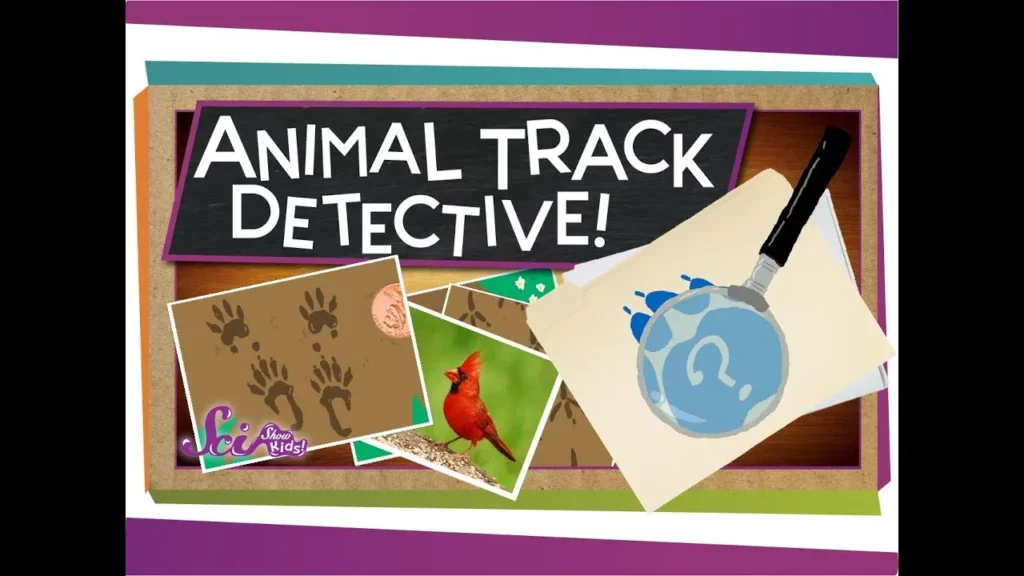
In this lesson, students embark on an exciting adventure to discover and identify animal tracks, learning about their significance in understanding animal behavior and habitats. They explore where to find tracks, such as muddy areas and near water, and practice identifying different types of tracks left by various animals, including mammals, birds, and deer. The lesson encourages curiosity and exploration, inviting students to become “Animal Track Detectives” and continue their investigation of the natural world.
Maiasaura: A Good Dinosaur Mom!

The lesson introduces Maiasaura, a dinosaur known for its nurturing behavior, highlighting its significance as the state fossil of Montana. Through the discovery of a dinosaur nursery with nests and young Maiasaura, scientists learned that these dinosaurs cared for their offspring in a communal setting, demonstrating parental dedication similar to that of many modern animals. This insight into Maiasaura’s behavior enhances our understanding of parenting in the animal kingdom, both past and present.
Slimy Animals!
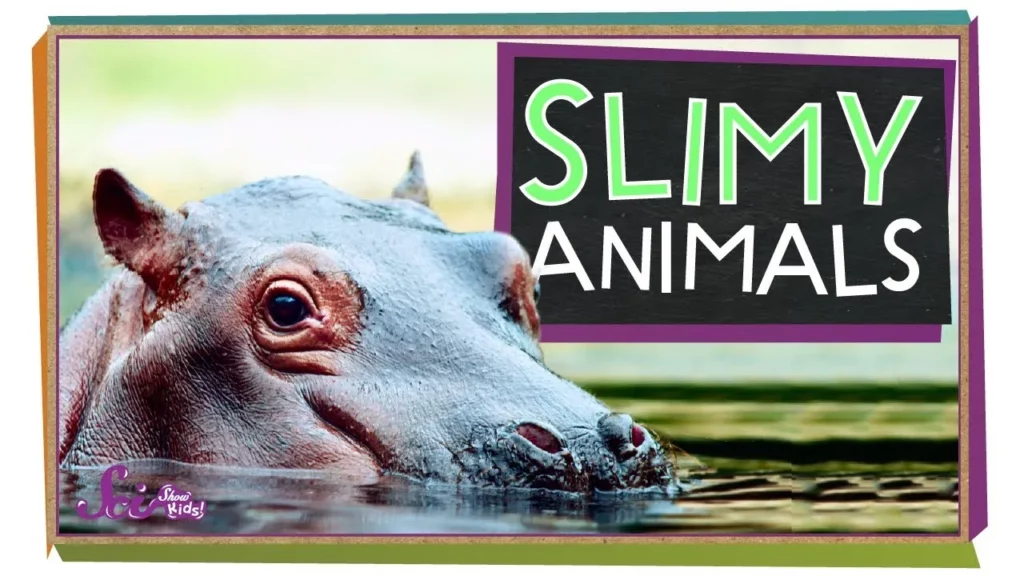
In this lesson, Squeaks and the narrator explore how different animals have unique adaptations to protect themselves from environmental challenges. They discuss how hippos use red mucus as a natural sunscreen, the Australian water-holding frog’s ability to create a protective cocoon to retain moisture, and the fascinating process of ambergris formation in sperm whales. The lesson emphasizes the importance of hydration and protection, drawing parallels between animal adaptations and human practices as they prepare for a fun beach day.
Let’s Plant a Garden!
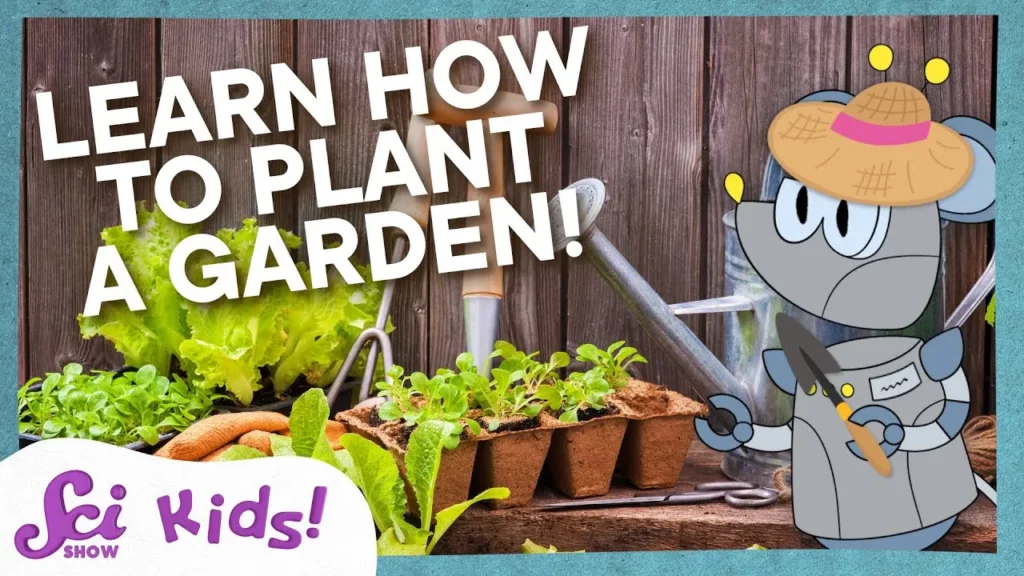
In this lesson, students are introduced to the joys of spring gardening as they prepare to start a vegetable garden at the Fort. With the help of Juniper the Earthworm, they learn about the essential needs of plants, such as sunlight and water, and how to choose the right plants for their garden’s conditions. The lesson emphasizes planning and teamwork as they create a planting calendar to guide their gardening adventure.
Where Do Pearls Come From?
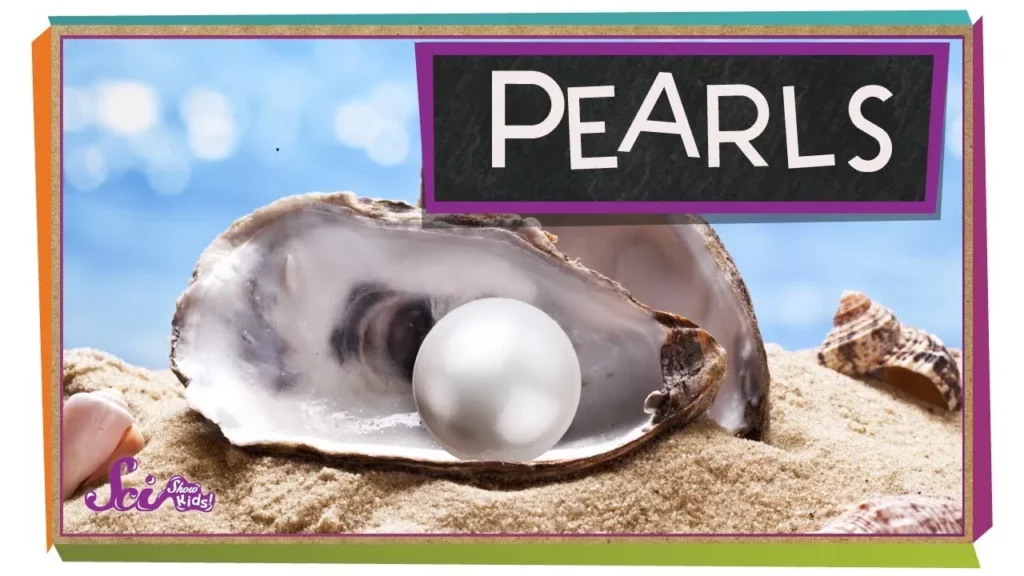
In this lesson, students explore the fascinating world of pearls, learning how these unique gemstones are formed by oysters in the ocean. Unlike traditional gemstones that are created under intense geological conditions, pearls develop when an oyster covers irritants with layers of nacre, resulting in a beautiful and smooth pearl over time. The lesson also highlights the variety and rarity of pearls, encouraging curiosity about these special gems and the creatures that create them.
Why Are Foods Many Colors?

In this lesson, students learn about the vibrant colors of fruits and vegetables and their purpose in nature. The colorful appearance of these foods is designed to attract animals, which help in spreading their seeds, ensuring the growth of new plants. By understanding the connection between color, taste, and seed dispersal, students appreciate the role of animals in the life cycle of plants while enjoying a colorful lunch.
How to Make a Paper Snowflake!
In this lesson, participants learn how to create their own paper snowflakes using simple materials like a square piece of paper, scissors, and a pencil. The step-by-step guide encourages creativity and emphasizes that each snowflake is unique, mirroring the natural beauty of real snowflakes. After crafting their designs, participants are invited to display their creations and share pictures of their work.
Turtle Time with Dr. Turtleman!
In this lesson, Dr. Lawrence Turtleman introduces students to the fascinating world of turtles, highlighting the diversity of over 200 species, the distinction between turtles and tortoises, and their impressive lifespans. The lesson emphasizes the importance of conservation efforts to protect turtles from human-related threats and provides guidance for those considering adopting a turtle as a pet.
Meet Microraptor!
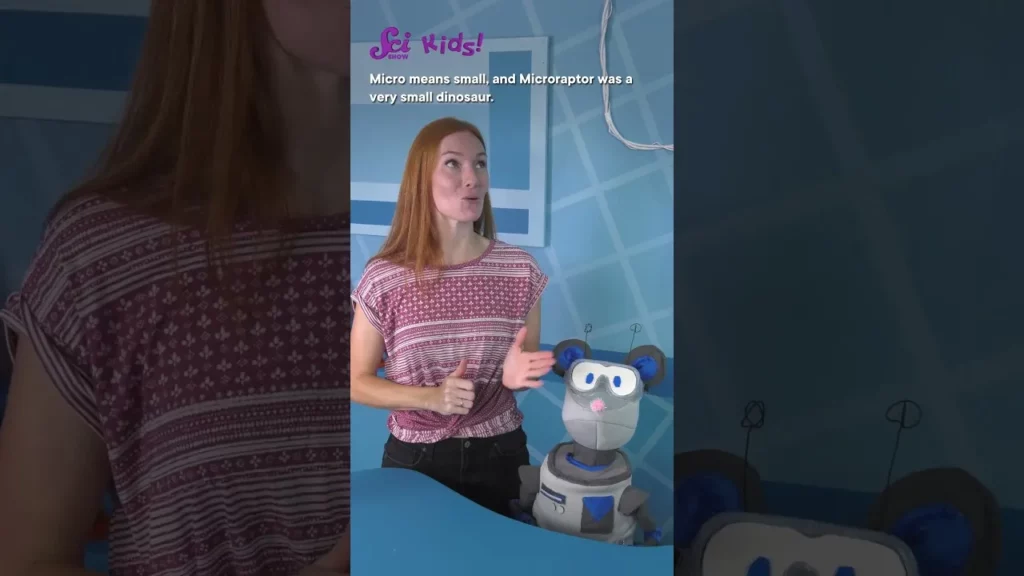
The Microraptor, a small dinosaur that lived around 125 million years ago in China, is notable for its unique appearance, resembling a tiny chicken with feathers on both its front and hind limbs. This fascinating creature, which had two pairs of wings, likely used its extra wings for enhanced gliding and hunting capabilities, showcasing the diversity and evolutionary connections between dinosaurs and modern birds.
What is a Tornado?
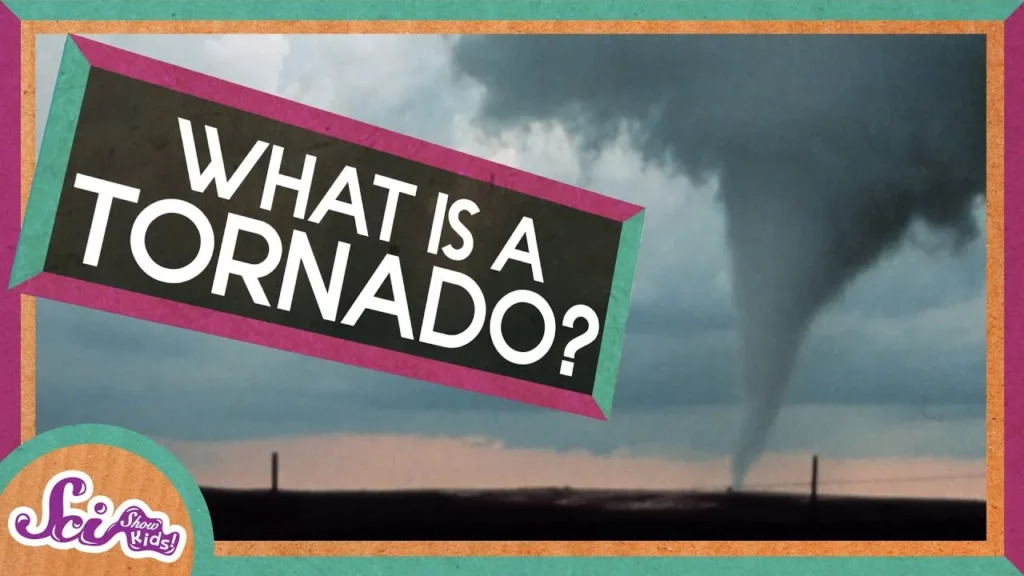
This lesson explores the fascinating phenomenon of tornadoes, which are powerful, fast-spinning columns of air that form during thunderstorms when cold and warm air collide. Tornadoes are characterized by their extreme wind speeds, unpredictable behavior, and significant impact on the environment, making them a key focus for meteorologists who study weather patterns to improve prediction and safety measures. Understanding tornadoes not only helps in preparing for these extreme weather events but also enhances our overall knowledge of weather dynamics.