
The Amazing Adaptations of Cave Animals!
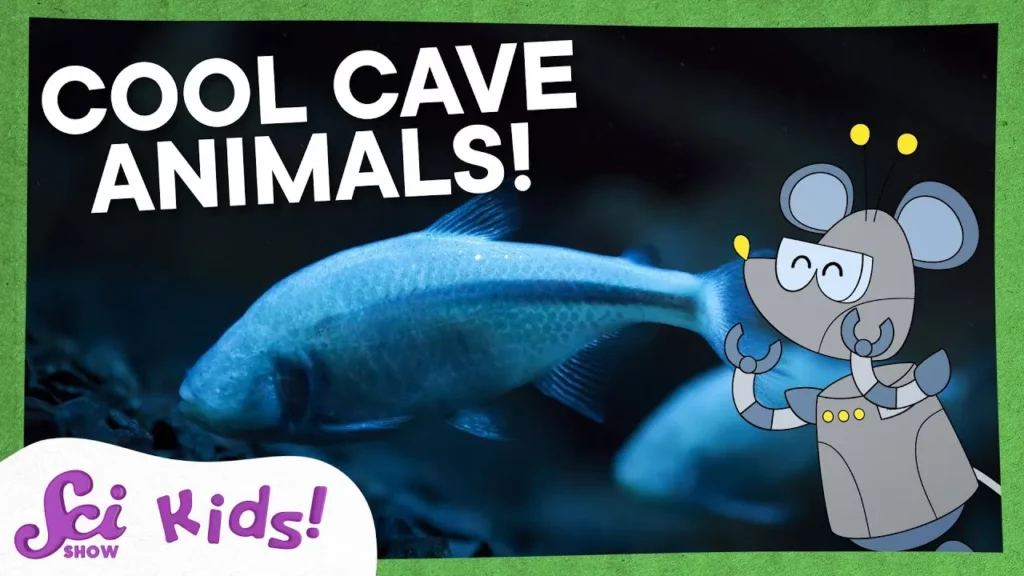
In this lesson, students embark on an adventure to explore caves and the unique animals that inhabit them, guided by characters Mister Brown and Squeaks. They learn about different types of caves, the fascinating creatures that live there—such as the olm, Mexican tetra, and Kauai cave wolf spider—and how these animals have adapted to their dark environments by relying on senses other than sight. The lesson encourages curiosity and exploration, inviting students to engage with their surroundings and understand the adaptations of cave-dwelling animals.
4 Facts to Know About Reindeer
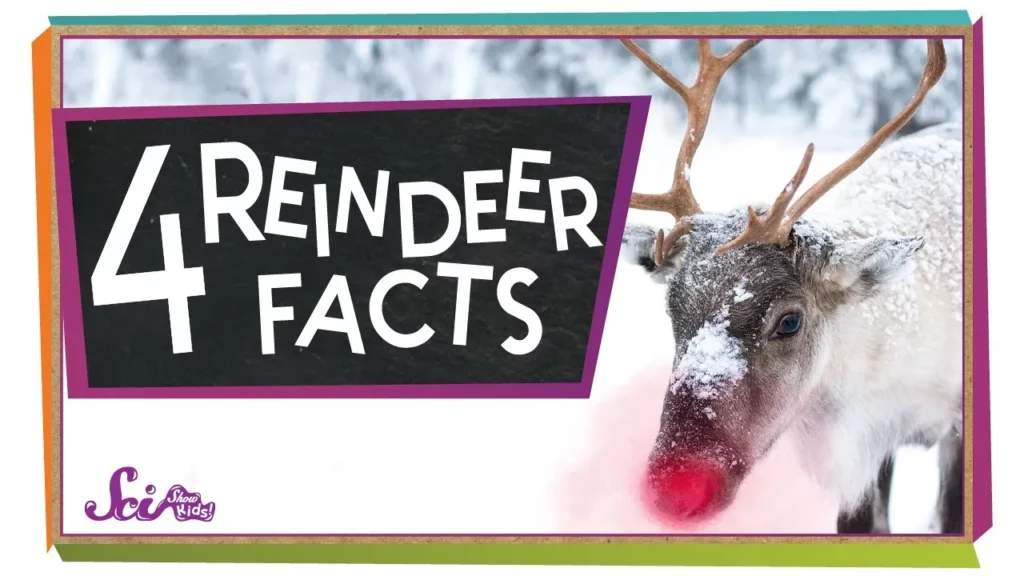
In this lesson, students learn about reindeer, also known as caribou in North America, and discover four fascinating facts about these remarkable animals. They explore how reindeer are well-adapted to their cold tundra habitat, including their unique physical features that help them survive harsh winters, and their impressive migratory patterns that allow them to travel great distances in search of food and safe breeding grounds.
Stargazing: The Great Square of Pegasus
In this lesson, students learn about the Great Square of Pegasus, a prominent constellation that can be easily spotted in the night sky during fall. The lesson provides guidance on locating the constellation and highlights its significance, including the star Alpharatz, which serves as a marker for finding the nearby Andromeda Galaxy. The Great Square, composed of just four stars, is celebrated for its role in stargazing and connecting viewers to other celestial wonders.
Fun Facts About Turkeys!
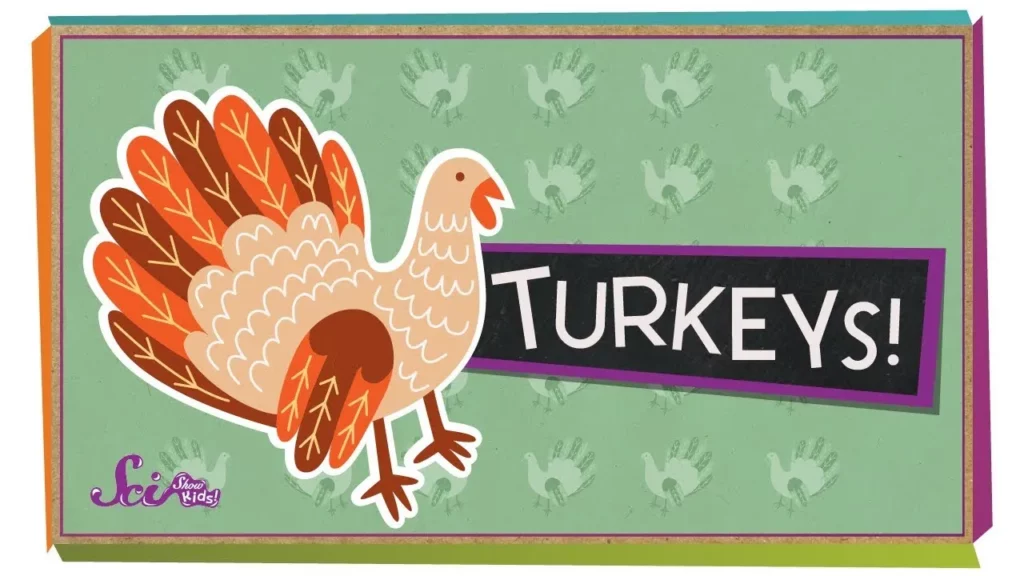
The lesson “All About Turkeys: Fun Facts and Cool Details” explores various interesting aspects of turkeys, including their sounds, diet, and unique physical features. It highlights the differences between male (toms) and female (hens) turkeys, such as their vocalizations and how to identify them through their droppings. Additionally, the lesson emphasizes the intelligence of turkeys and introduces special body parts like the snood and wattle, which can indicate their emotional state.
The Amazing Flag Raiser!
In this lesson, we explore how to solve problems like engineers by following a structured approach. Using the example of Squeaks trying to invite friends over, we learn to identify the problem, gather information, design a solution, build a prototype, and improve the design. The lesson emphasizes critical thinking and creativity, encouraging students to apply engineering principles to real-life challenges.
What Causes Thunder and Lightning?
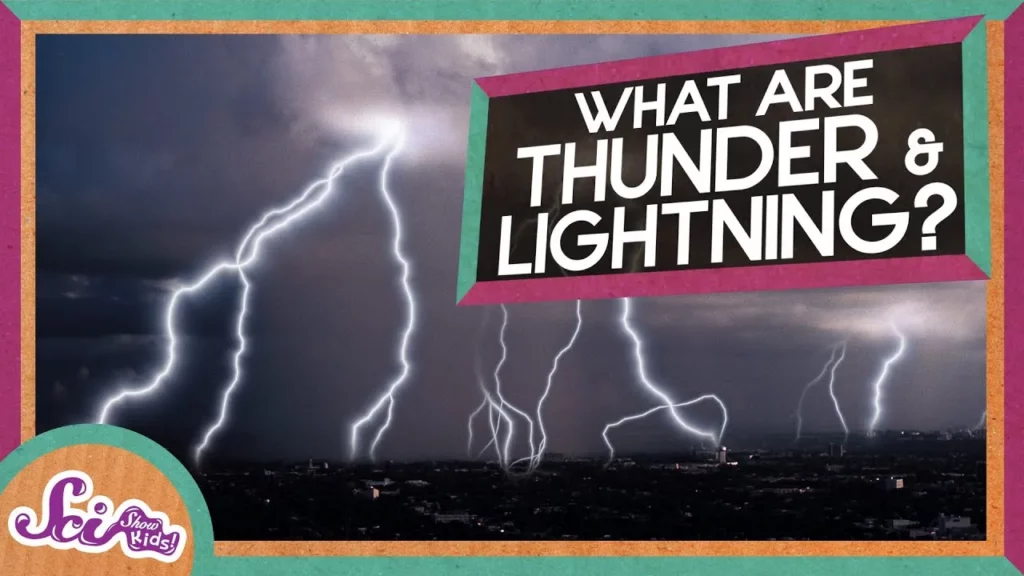
In this lesson, we explored the science behind thunderstorms, focusing on the causes of lightning and thunder. Lightning occurs when electrical charges build up in storm clouds and discharge between the cloud and the ground, while thunder is the sound produced by the rapid movement of air particles heated by the lightning. Understanding these phenomena can help alleviate fears associated with thunderstorms, encouraging curiosity and further questions.
Meet the mighty, spiky Stegosaurus!
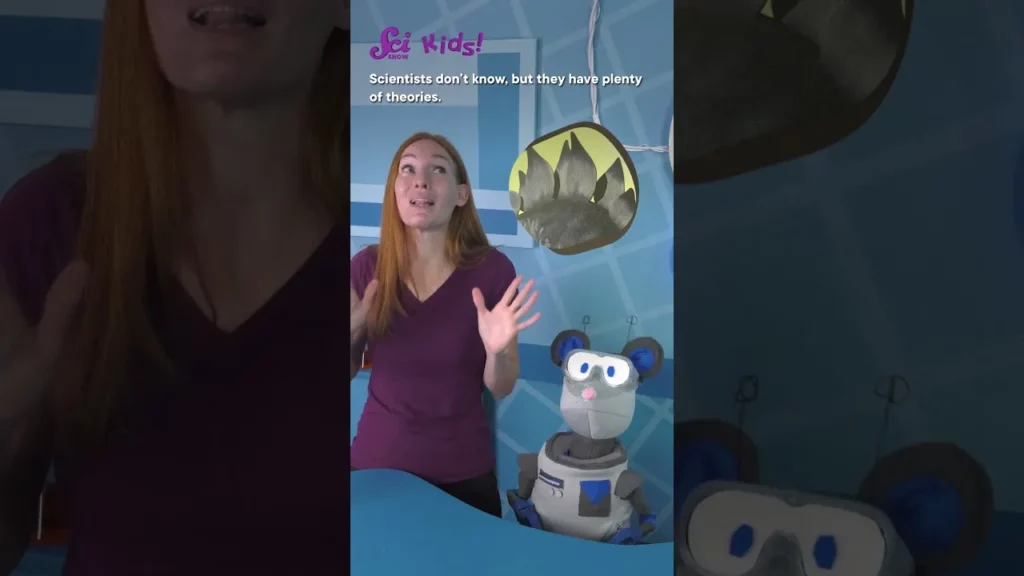
The lesson introduces the Stegosaurus, a dinosaur known for its distinctive back plates and spiked tail, called the thagomizer. Scientists have proposed various theories about the purpose of the plates, suggesting they may have provided protection, helped regulate temperature, or served as a display to deter predators. Overall, the lesson highlights the intriguing features of the Stegosaurus and encourages curiosity about its life millions of years ago.
What is a Blizzard?
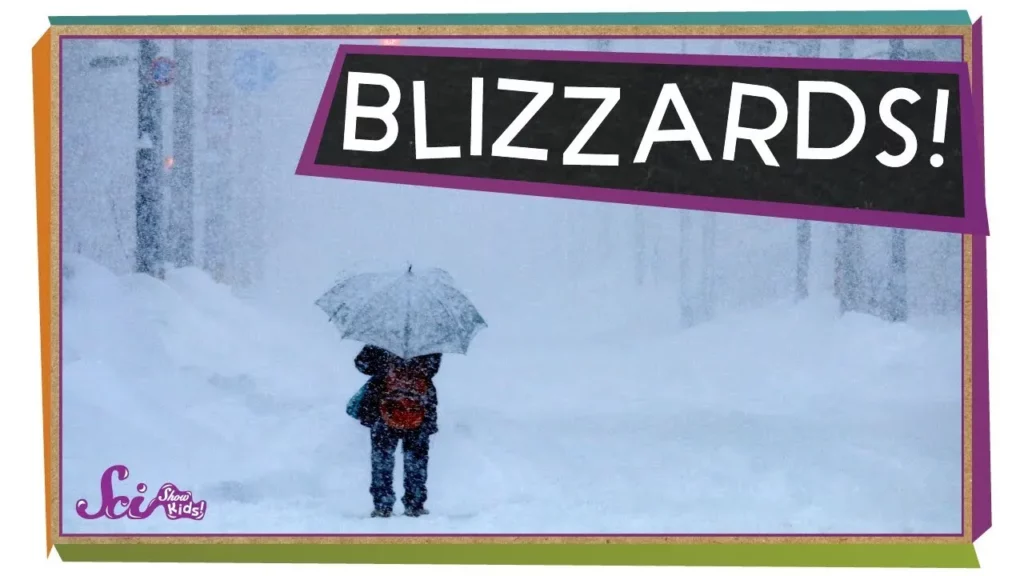
In this lesson, we learned about blizzards, which are intense snowstorms characterized by strong winds, low visibility, and a duration of at least three hours. Blizzards form when warm and cold air masses collide, creating conditions that can lead to dangerous weather. While it’s important to stay safe indoors during a blizzard, once it passes, there are plenty of fun activities to enjoy in the snow.
What Do You Hear in a Seashell?

In this lesson, students learn that the sound heard when holding a seashell to the ear is not the ocean but rather vibrations from surrounding noises amplified by the shell. The lesson explains how vibrations create sound and encourages students to experiment with different objects, like cups, to explore how various shapes and sizes affect the sounds they hear. Through this hands-on activity, students gain a deeper understanding of sound and vibrations in their environment.
How Far Can You Jump?

In this lesson from SciShow Kids, we learn fun tips to jump farther, inspired by Bill and Webb’s jumping game. Key strategies include gaining a speed boost by running before jumping and aiming for a diagonal trajectory to stay in the air longer. Additionally, jumping is highlighted as a beneficial activity for health, promoting stronger muscles and a healthier heart.