
Whizpops! Black Footed Ferret Music Video
The lesson explores the intriguing lives of ferrets in Prairie Dog Town, highlighting their playful nature and adaptability in a changing environment. Active primarily at night, these clever animals use their impressive skills to hunt prairie dogs while spending much of their time hidden underground. Ultimately, the lesson emphasizes the fascinating and secretive existence of ferrets as they thrive in their unique habitat.
We Made These Magnets Float in the Air!
In this lesson, we explored the fascinating world of magnets and how they can create forces that allow one magnet to float above another. By demonstrating a simple experiment using magnet rings and a marker, we learned about the principles of magnetism, including attraction and repulsion based on the orientation of their poles. The lesson encourages hands-on experimentation and invites students to engage further with magnet science.
Make Your Own Sundial!

In this lesson, we learn how to tell time using a sundial, a simple tool that uses the sun’s position to indicate the hour. By creating a sundial with a gnomon (a stick or straw) and marking the shadow it casts throughout the day, we can track time in a fun and educational way. This activity not only teaches us about timekeeping but also encourages an appreciation for science and the natural world.
The Science of Being Scared
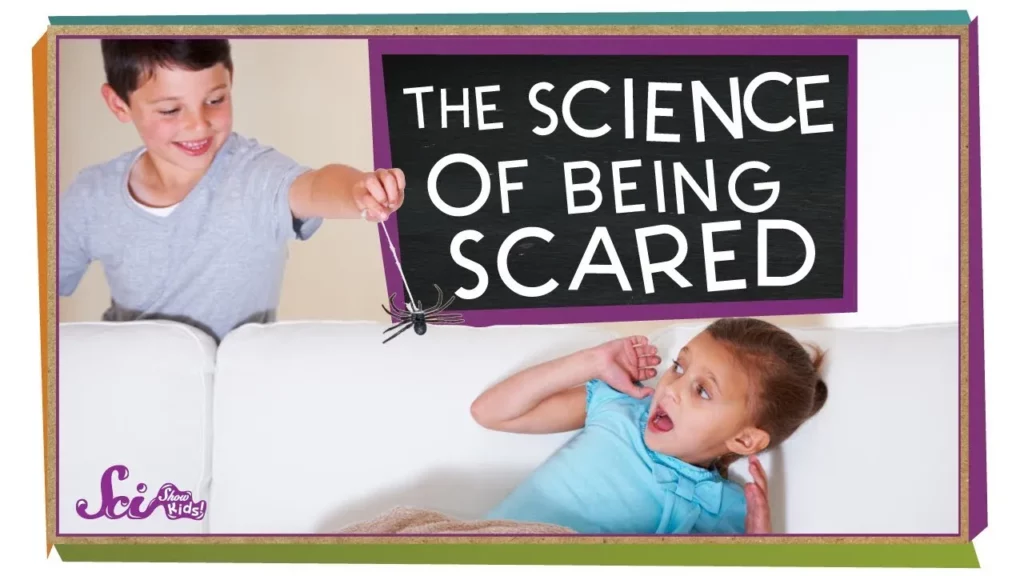
In today’s lesson, we explored the “fight or flight” response, a natural reaction that occurs when we feel scared, prompting our bodies to either prepare to confront a threat or flee from it. This response is driven by our brains, which send signals to prepare our bodies for action, resulting in increased heart rate and heightened awareness. After the response, it’s common to feel tired or hungry due to the energy expended, and techniques like deep breathing can help calm the mind during frightening moments.
Winter at the North Pole!
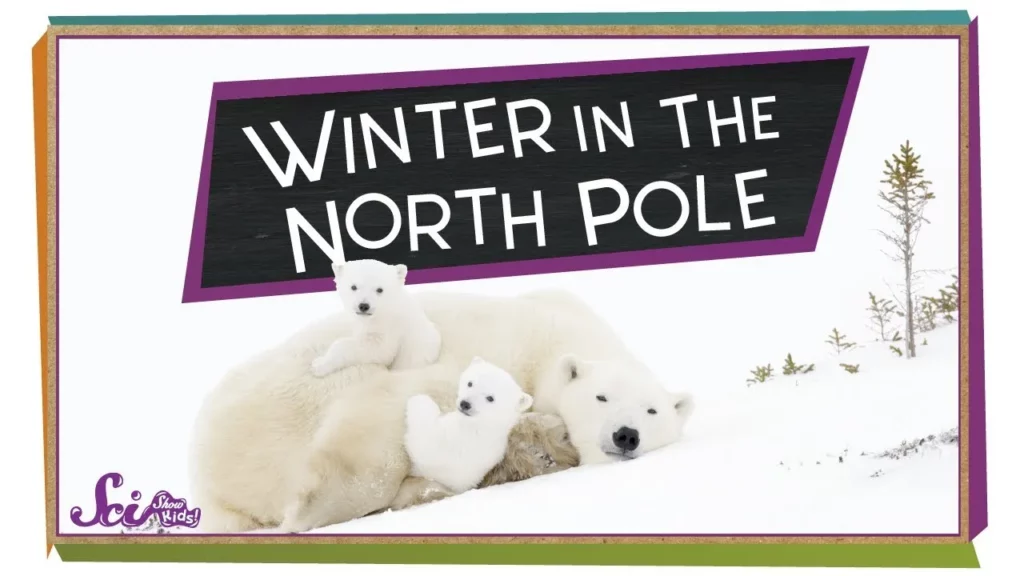
The lesson explores how winter transforms the Arctic into a thriving habitat for polar bears and other animals. During this cold season, the frozen ocean creates ideal hunting conditions for polar bears, who cleverly wait by air holes in the ice to catch seals. Additionally, the lesson highlights the adaptations of other Arctic animals, emphasizing the unique challenges and advantages of life in this icy environment.
Our Ancient Human Cousins!
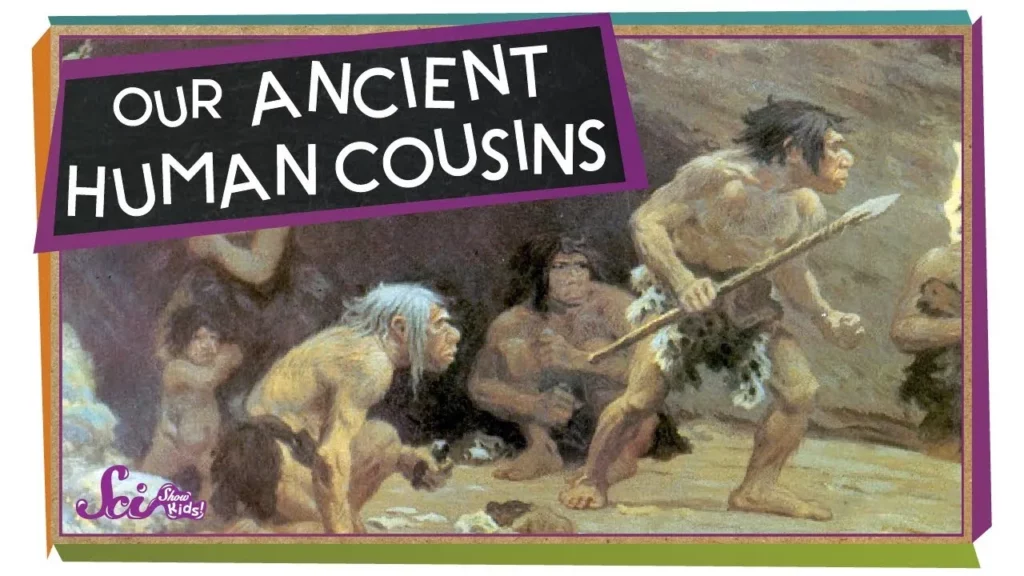
In today’s lesson, we explored the concept of family trees, not just within our own families but also in the broader context of the animal kingdom, highlighting our species, Homo sapiens, and our connection to other species like Neanderthals. We learned about the similarities and differences between Neanderthals and early humans, their eventual extinction due to environmental changes, and the importance of fossils in understanding our past. Ultimately, the lesson emphasized the significance of our shared human heritage and the need for unity and care among ourselves.
How Does My Bike Stay Up?
In this lesson, we explore how bicycles maintain balance while riding. When a bike is stationary, it requires a kickstand to stay upright, but when in motion, balance is achieved through steering and speed. By making small adjustments with the handlebars in response to the bike’s lean, riders can keep themselves and the bike aligned, demonstrating the importance of balance in cycling.
Be a Weather Watcher
In this lesson, students learn how to keep a weather journal, a fun and engaging way to observe and document daily weather conditions. They explore different types of weather, recognize seasonal patterns, and become weather observers by recording their findings and temperatures. By sharing their journals, students can enhance their understanding of weather changes over time and develop a greater appreciation for the natural world.
Explore the Solar System: The Rocky Planets
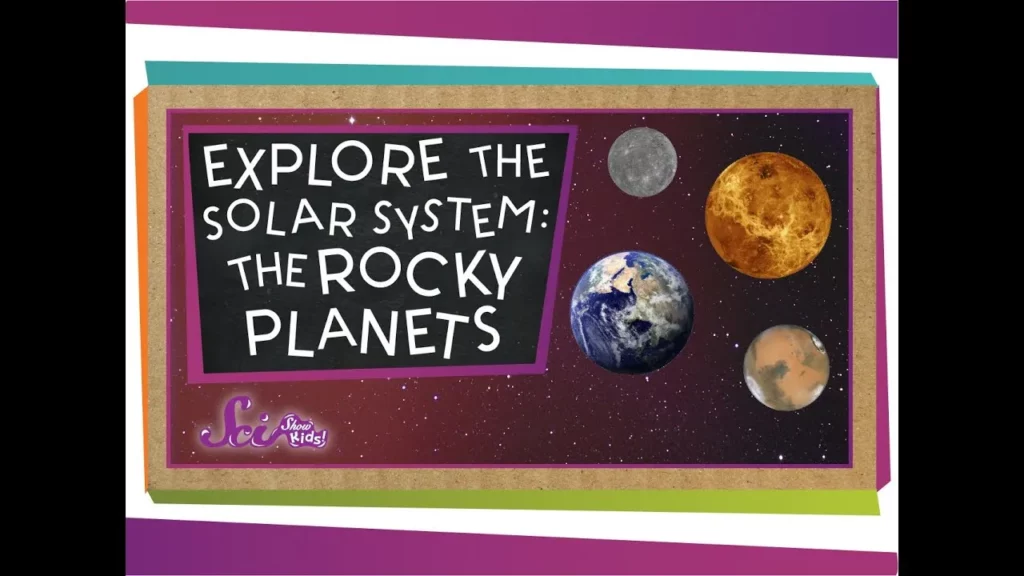
In this lesson, we embarked on an exciting exploration of our solar system, focusing on four rocky planets: Mercury, Venus, Earth, and Mars. We learned about the Sun’s vital role as the center of our solar system, the unique characteristics of each planet, and the extreme environments they possess. The lesson highlighted Earth’s uniqueness as the only planet known to support life, setting the stage for future discussions about the gas giants.
How Animals Find Their Way Home!
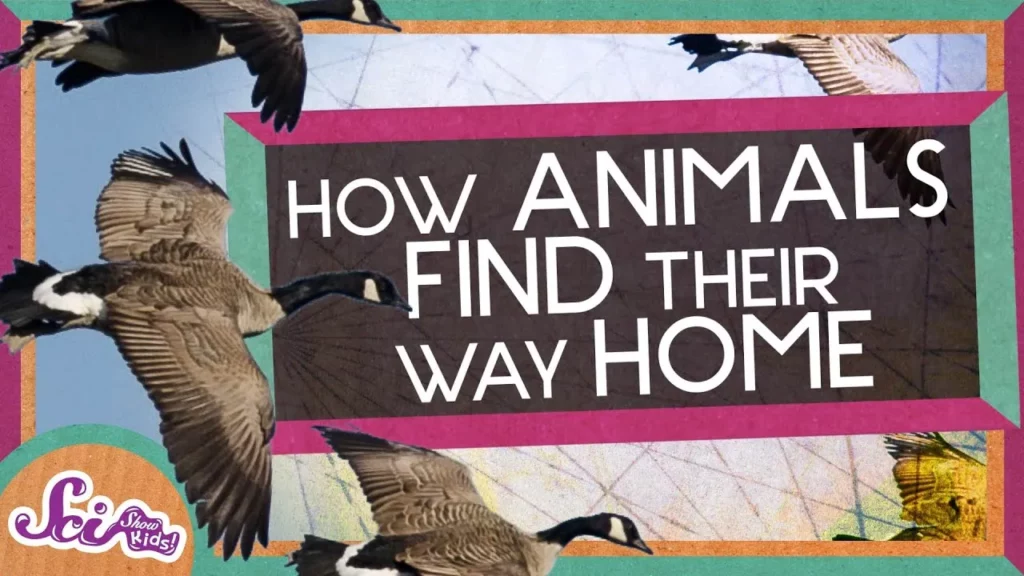
In this lesson, Jessi and Squeaks return from a research trip to Cahokia and explore the fascinating topic of animal migration. They discuss how animals navigate their journeys using various methods, including landmarks, the stars, and an internal compass, highlighting the unique abilities of different species. The lesson emphasizes the wonder of animal navigation and encourages continued learning about these remarkable creatures.