
All About Your Body!
In this lesson, we explored how our bodies move through the collaboration of three main systems: the muscular, skeletal, and nervous systems. We learned that muscles contract and relax to facilitate movement, bones provide support, and the brain sends signals to coordinate these actions. Additionally, we discussed how we perceive colors through our eyes and the role of our skeleton in protecting our organs, along with the function of tonsils in defending against germs.
Squeaks Gets Scared!
The lesson explores various natural phenomena and creatures, aiming to demystify common fears. It explains the science behind thunderstorms, detailing how lightning is created by electrical charges in clouds and how thunder results from the rapid heating of air by lightning. Additionally, it discusses spiders and bats, highlighting their unique characteristics and roles in nature, while also addressing the importance of the human skeleton and the body’s natural fight or flight response to fear.
Let's Make the Solar System
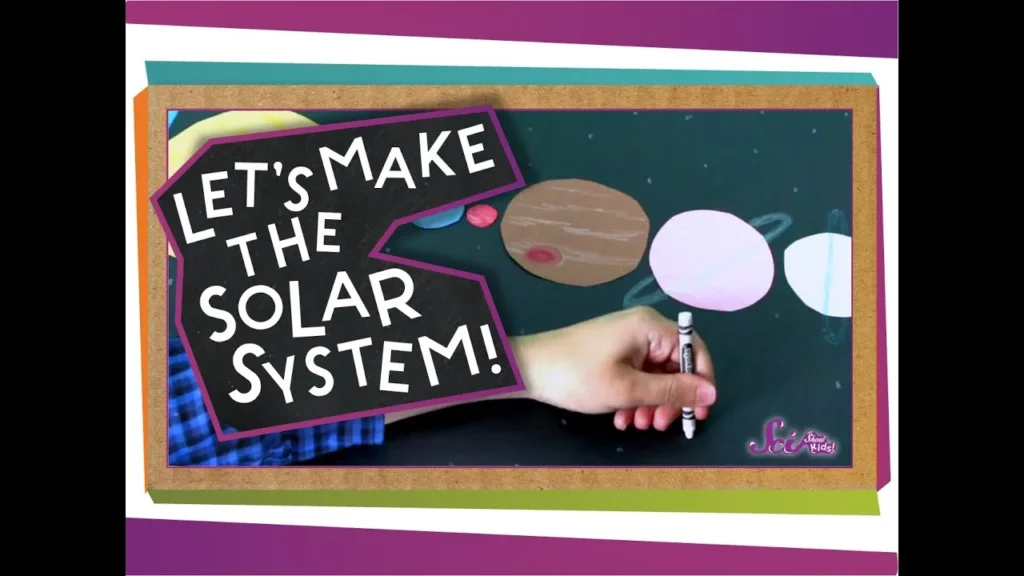
In this lesson, students will create their own solar system model using construction paper, scissors, and glue. They will learn about the sun and the eight planets, organizing them by size and distance from the sun while decorating their models creatively. Once completed, students are encouraged to showcase their solar system and share their creations with others.
Migrations: Big Animal Trips
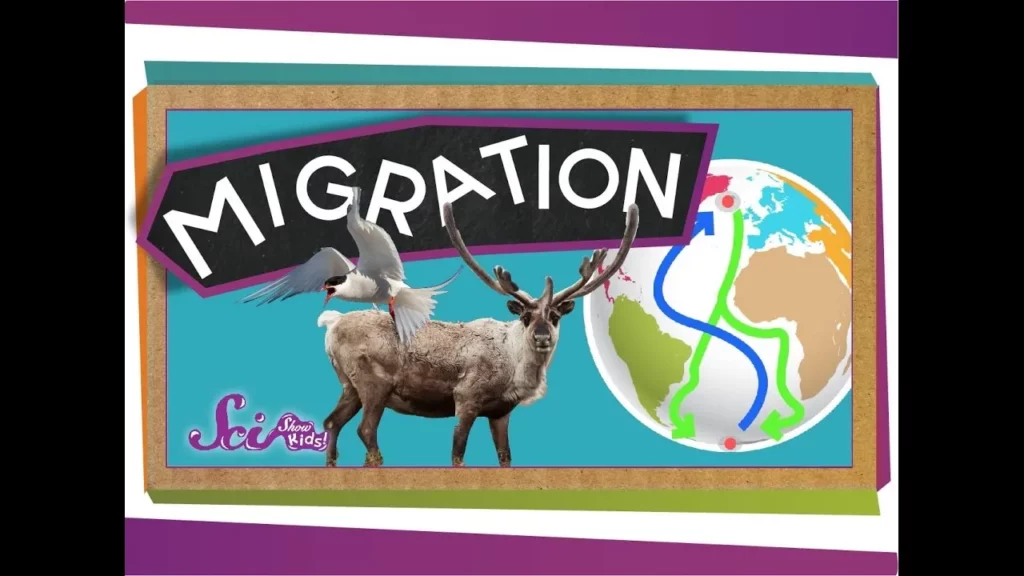
In the lesson “Animal Adventures: The Amazing World of Migration,” students learn about the concept of migration, which involves animals traveling long distances for essential reasons such as finding food, warmer climates, or safe places to reproduce. The lesson highlights remarkable migratory animals, including caribou, humpback whales, and Arctic terns, and explains how these creatures navigate their journeys using natural cues like the stars and landmarks. Ultimately, it encourages students to appreciate the incredible journeys animals undertake, drawing a parallel to their own travel experiences.
How Things Fly!
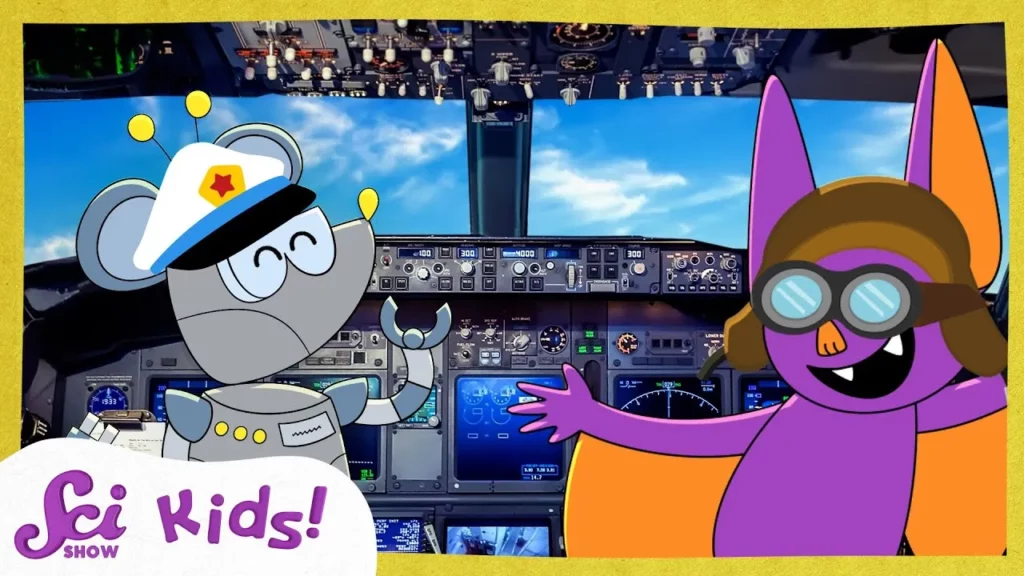
In this lesson, we explored the various ways different flying machines and animals achieve flight. Airplanes use thrust from engines and specially shaped wings to create lift, while hot air balloons rely on heated air to rise. Helicopters utilize spinning blades to push air down, rockets generate thrust by burning fuel to overcome gravity, and animals like birds and bats have unique wing structures that enable them to fly in diverse ways. Understanding these mechanisms demystifies flight and enhances our appreciation for both machines and nature.
Remember to Brush Your…Egg?
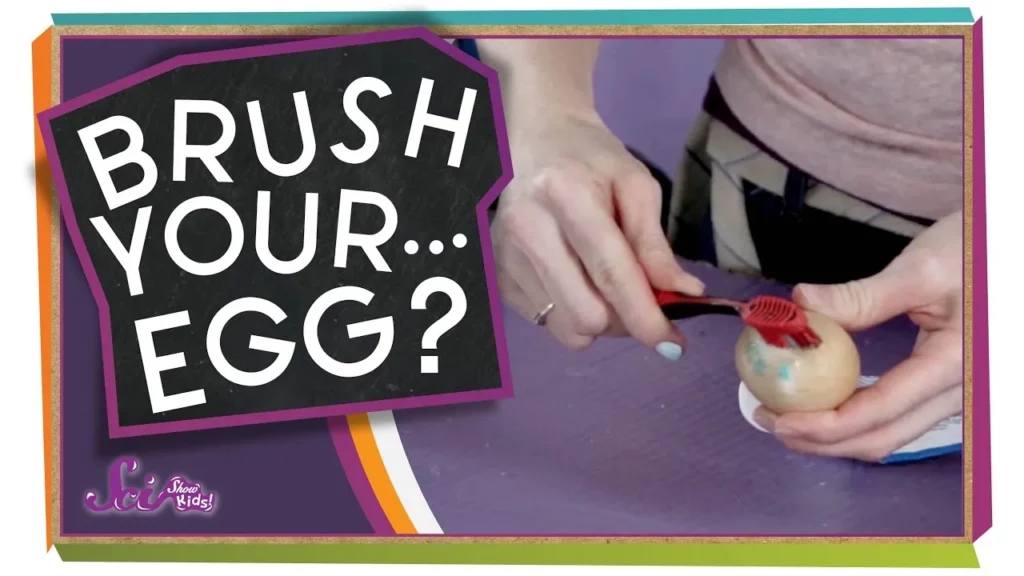
This lesson emphasizes the importance of teeth for biting, chewing, speaking, and smiling, highlighting the need for daily brushing to maintain their health. It explains how acids in certain foods and drinks can damage teeth, leading to discoloration, and introduces a fun experiment using eggs to demonstrate the effects of acid and the benefits of brushing. By participating in the experiment, students learn how regular brushing can help keep their teeth strong and clean.
Create Your Own Asteroid Impact!
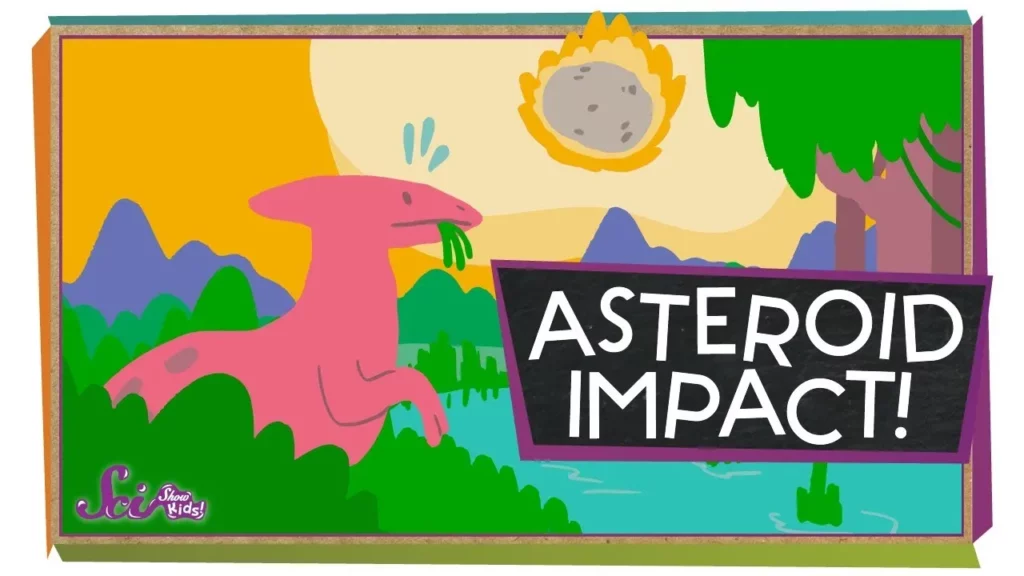
In this lesson, students explore the fascinating phenomena of meteors and craters, learning that meteors are small pieces of space debris that burn up in Earth’s atmosphere, creating beautiful shooting stars. They discover that while meteor showers are harmless, larger asteroids can impact Earth, forming craters, and that the Moon’s surface is marked by craters due to its lack of atmosphere. The lesson concludes with a hands-on experiment to simulate crater formation, encouraging students to engage with the concepts actively.
Trees That Never Lose Their Leaves!
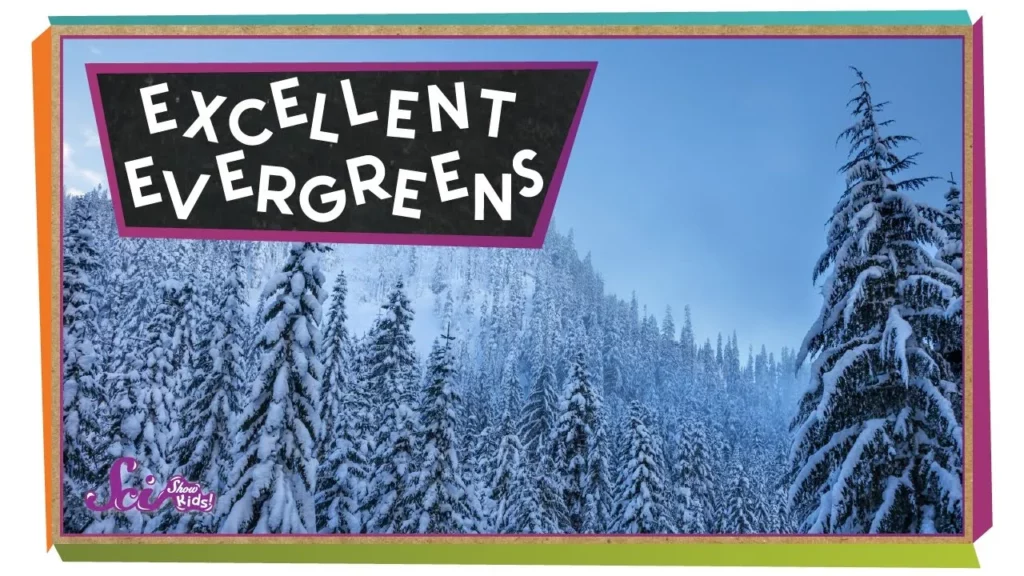
In this lesson, students learn about evergreens, trees that retain their green leaves throughout the year, such as pine, fir, and spruce. The lesson explains how evergreens have adapted to conserve water with their needle-like leaves and waxy coatings, allowing them to thrive in various climates, including cold and dry environments. Additionally, it introduces conifers, which produce cones for seeds, and highlights the unique characteristics of the holly tree, another type of evergreen.
Can You Guess the Animal with Jessi and Mister Brown?
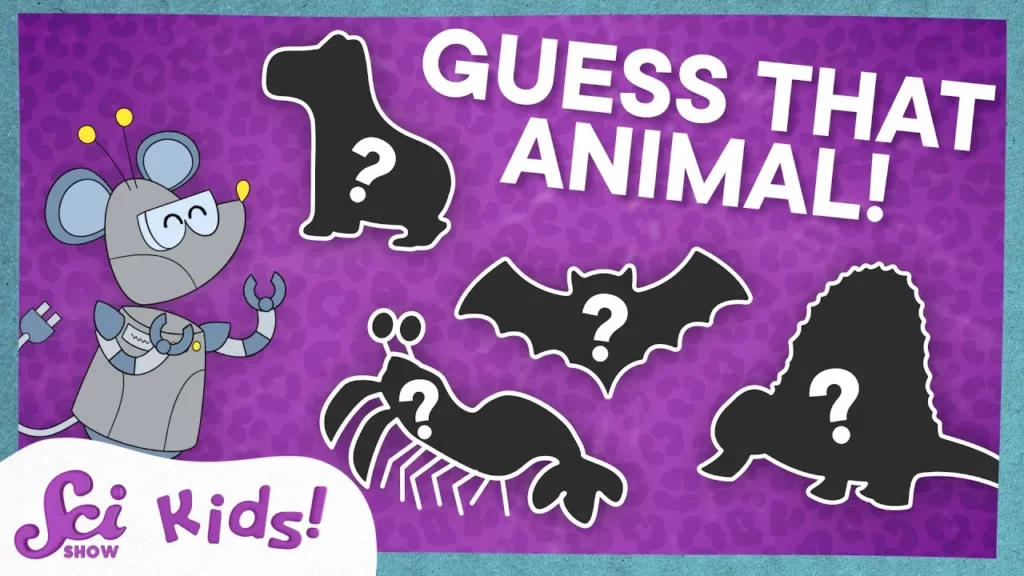
In today’s lesson, Jessi and Mr. Brown participated in a fun game called “Guess That Animal,” where they took turns guessing animals based on clues provided by their friend Sam. Throughout the game, they learned fascinating facts about various animals, including the capybara, mantis shrimp, dimetrodon, and bats, while competing for points. Ultimately, Jessi emerged as the winner, but the real highlight was the enjoyment and knowledge gained from the experience.
How Glaciers Change the World!
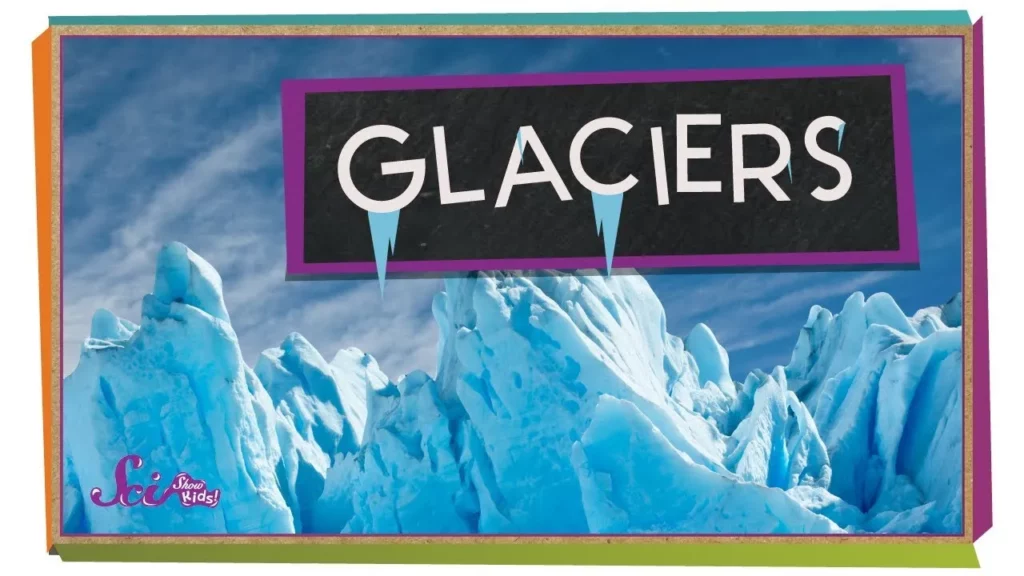
In this lesson, students explore the fascinating world of glaciers, which are massive ice formations that hold a significant portion of the Earth’s freshwater and can take centuries to form. The lesson covers how glaciers are created from layers of snow, their movement patterns, their historical significance, and the impact of climate change on their existence. Additionally, it highlights the importance of glaciers for ecosystems and human needs, emphasizing the need to protect these vital natural resources.