
How to Mix Your Own Potions!
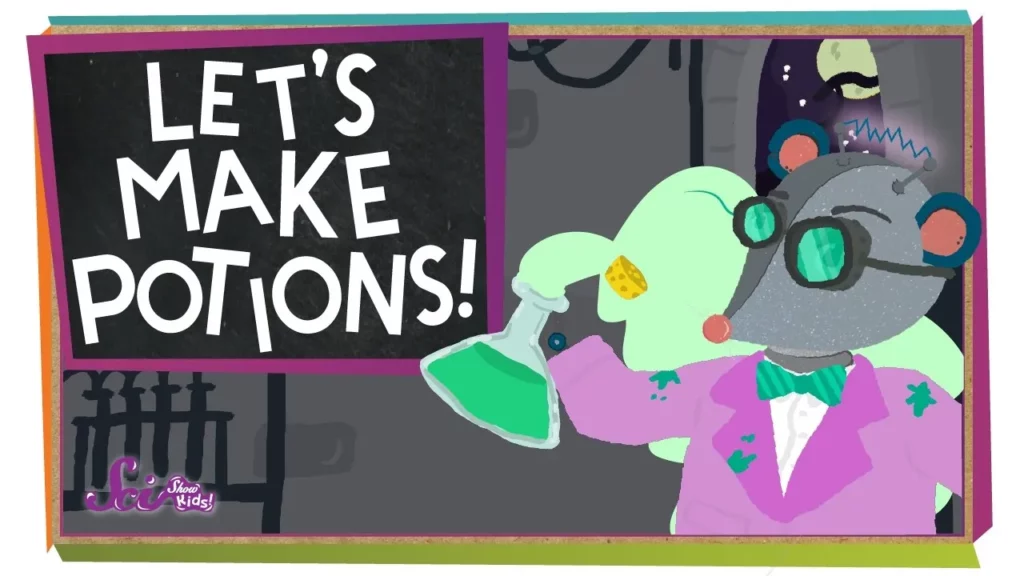
In the lesson “Mixing Magic: Fun with Science!”, students explore the fascinating world of mixtures through hands-on experiments. They learn the difference between suspensions, where components can settle and be separated, and solutions, where one substance dissolves completely into another. By conducting simple experiments with sand, sugar, food coloring, and oil, students gain a practical understanding of these scientific concepts while having fun.
Why Don't Woodpeckers' Heads Hurt?
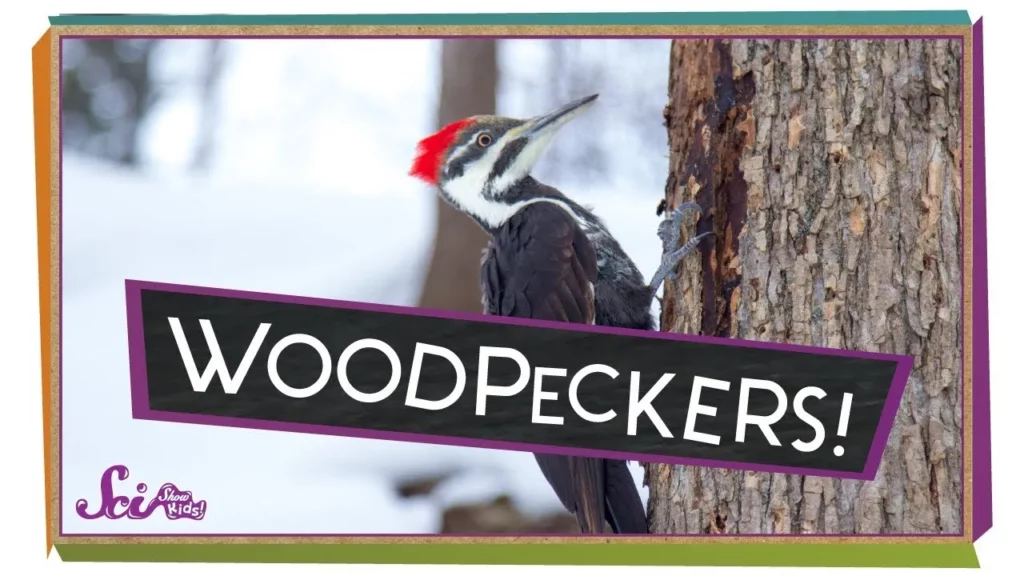
In today’s lesson, Squeaks and I engaged in a fun animal guessing game, where we pretended to be different animals and provided hints for each other to guess correctly. We focused on woodpeckers, learning about their unique characteristics, such as their pecking behavior to find grubs inside trees, and how their specially designed skulls protect them from injury. The lesson encouraged kids to join in the fun by pretending to be animals themselves and to share their experiences.
The Time Machine!
In today’s lesson, we joined Squeaks on an exciting adventure through time, exploring fascinating topics like the blobfish’s unique adaptations, how to make a compass, the chocolate-making process, and animal migration. Each segment highlighted the wonders of nature and science, emphasizing the importance of exploration and learning. Ultimately, Squeaks reminded us that while we may not have a time machine, our memories and experiences can take us on incredible journeys.
How Plants Drink Fog!
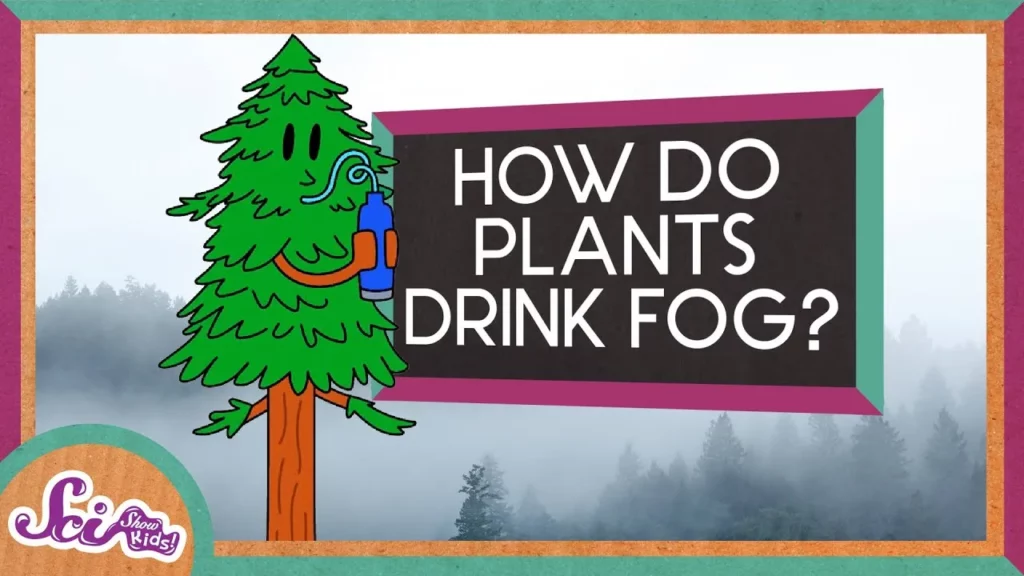
In this lesson, we explored the fascinating survival strategies of redwood trees, the tallest trees in the world, particularly during California’s dry season. We learned that redwoods utilize a unique process called reverse transpiration, allowing them to absorb moisture from the fog in the air through their needles, enabling them to thrive even when the ground is dry. This remarkable adaptation highlights the resilience of these trees and encourages further exploration of plant survival techniques.
Viewer Mail From England!
In this lesson, the hosts welcome viewers to an engaging learning adventure, addressing questions from a classroom in Ivydale, England. They explain the composition of teeth, detailing the protective layers of enamel and dentin, and discuss the process of rain formation, highlighting the role of water vapor and clouds. Additionally, they share fun facts about their friend Squeaks, encouraging further questions from the audience.
What Would We Eat on Mars?
In this lesson, we explored the challenges of growing food on Mars, highlighting the essential needs of plants such as light, water, and warmth. Mars presents unique obstacles, including harsh sunlight, extreme cold, and a lack of liquid water, which would require innovative solutions like greenhouses to create a suitable environment for plant growth. Despite these challenges, the lesson encourages curiosity and problem-solving, suggesting that with careful planning, it may one day be possible to cultivate food on the Red Planet.
Why Does Some Cheese Have Holes?
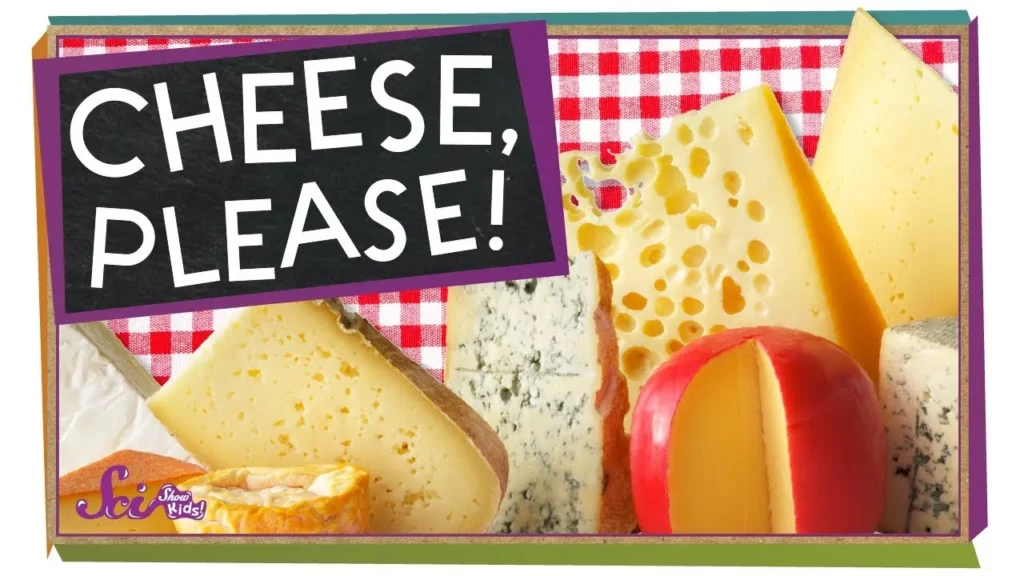
In this lesson, we explored the unique characteristics of Swiss cheese, particularly its distinctive holes, or “eyes.” We learned that these holes are formed through a process involving bacteria that create bubbles during cheese production, rather than being caused by animals. Additionally, the lesson highlighted how modern cheese-making methods have resulted in fewer holes compared to traditional practices that included bits of hay, which helped produce more bubbles.
Why Do We Have Baby Teeth?
In this lesson, we explored the importance of baby teeth, also known as milk or primary teeth, which emerge in infants and play a crucial role in chewing and speech development. As children grow, their jaws expand, necessitating the transition to larger, permanent teeth, which typically begin to replace baby teeth around ages 10 to 12. The lesson emphasizes the significance of dental care to maintain a healthy smile throughout life.
Camouflage: Animal Hide & Seek
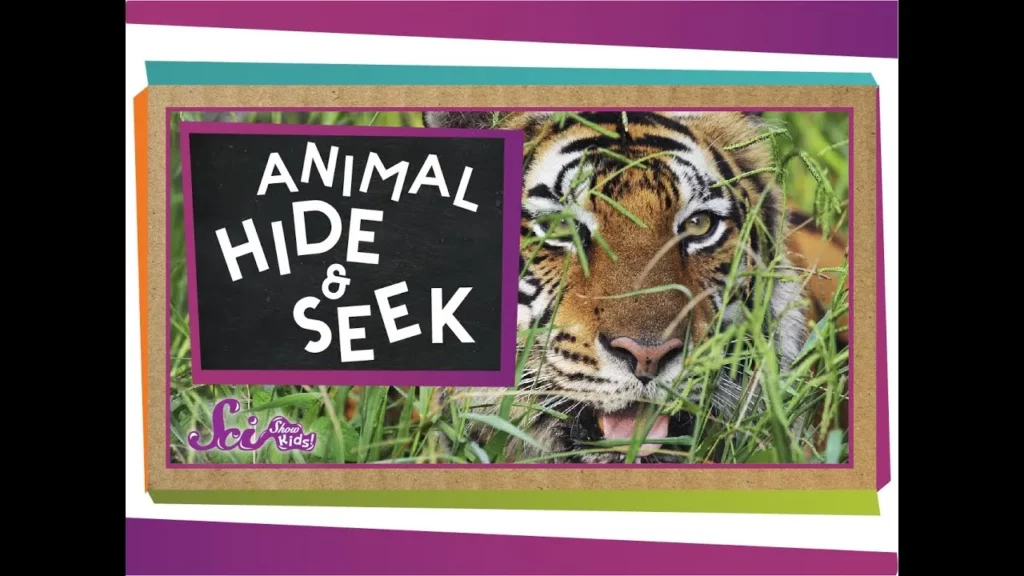
In this lesson, students explore the fascinating concept of camouflage, which allows animals to hide or confuse others in their environment. They learn about various camouflage techniques, such as blending in with backgrounds, using patterns, shape-shifting, and even “playing dress up” with materials from their surroundings. Through these examples, the lesson highlights the clever adaptations animals have developed to survive in the wild.
Super Strong Dragonflies!
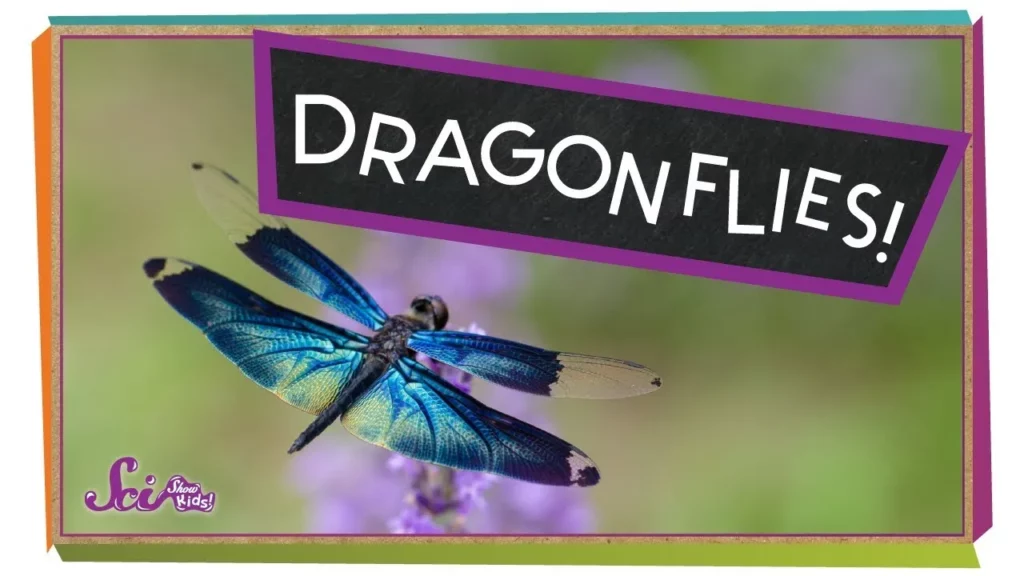
In this lesson, students explore the fascinating world of dragonflies, learning about their unique characteristics, life cycle, and ecological importance. Dragonflies, which are harmless insects with vibrant colors, begin their lives as nymphs in water before transforming into agile adults with impressive flying abilities. They play a crucial role in controlling pest populations, making them valuable contributors to the ecosystem.