
The Fastest Sled Ride Ever!
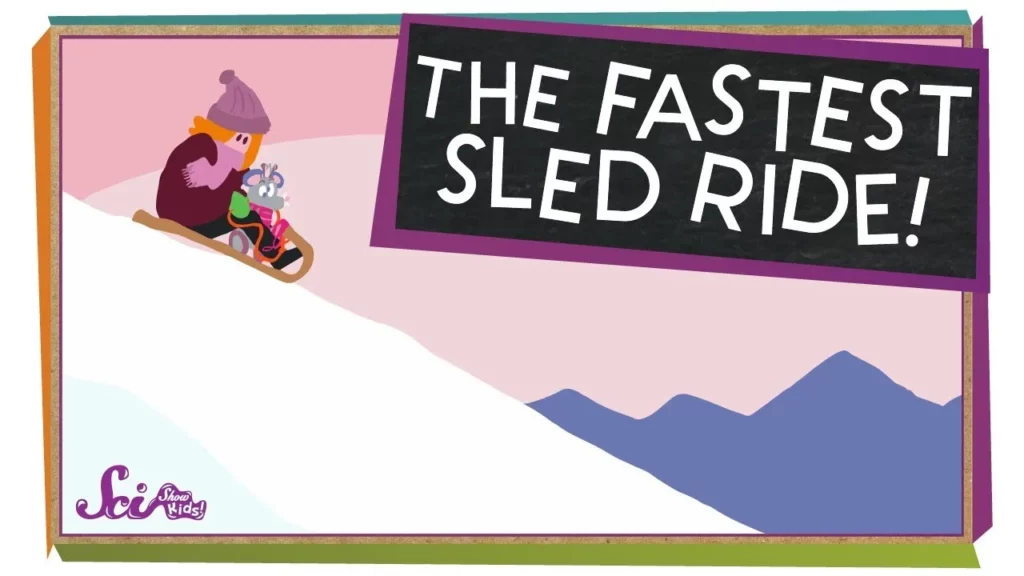
In “Our Snowy Sledding Adventure,” Squeaks and the narrator experience a fun but initially disappointing sledding trip due to high friction from soft, powdery snow. They learn that by reducing friction through packing down the snow, they can achieve a faster and more enjoyable sledding experience. The lesson highlights the importance of understanding friction in physics and how it affects movement.
The Clues Glaciers Left Behind!
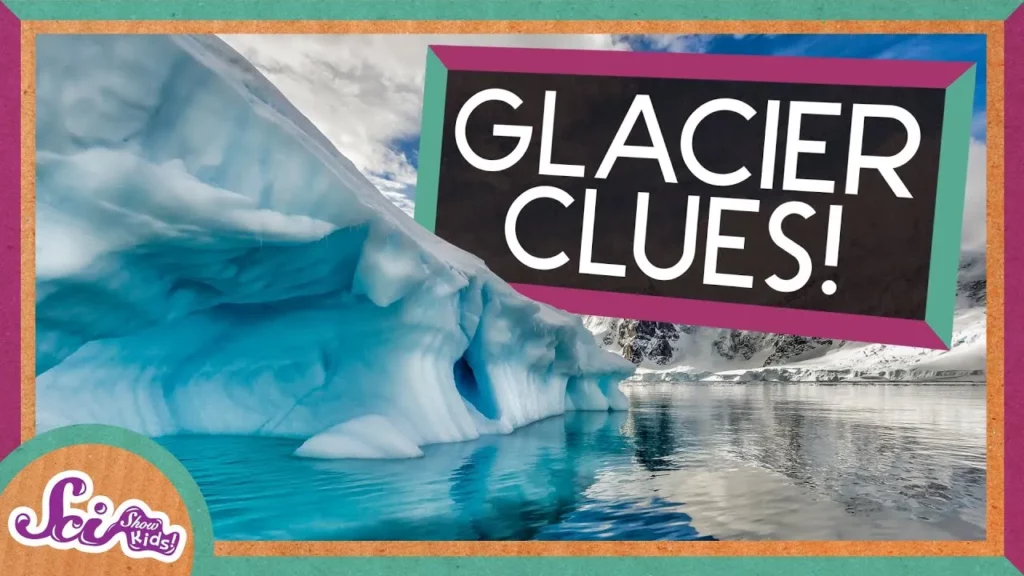
In this lesson, students explore the intriguing world of glaciers, learning how these massive ice formations are created, where they are found, and their impact on the landscape. Through engaging activities, such as making a glacier model, learners discover how glaciers move and leave behind evidence of their presence, like moraines and glacial striations. The lesson encourages curiosity and exploration of glacial features in their own environments.
Are There Other Planets Like Earth?
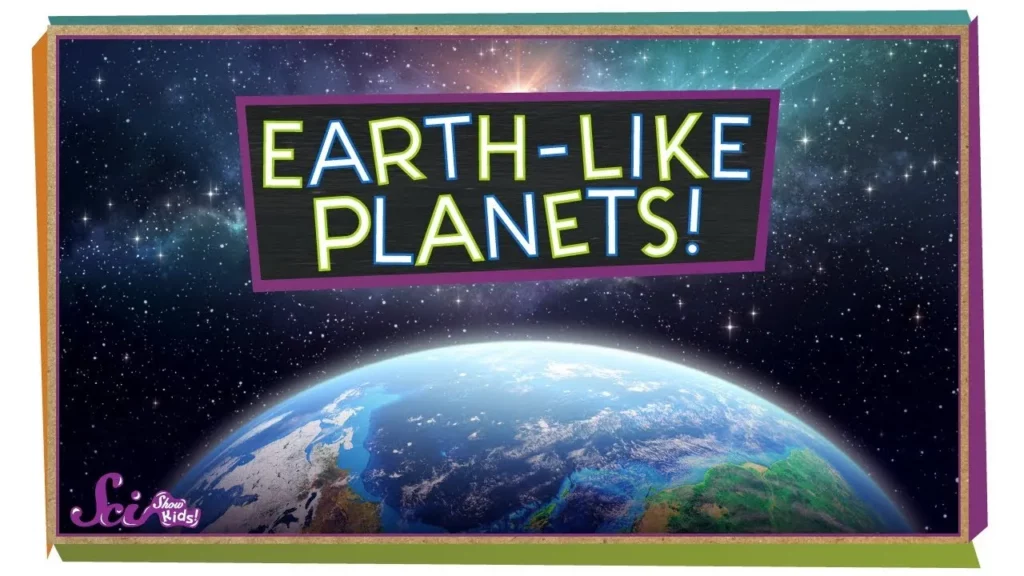
In today’s lesson, we explored the uniqueness of Earth and the possibility of life on other planets. While Earth is the only known planet with life, scientists are investigating other planets in the universe, particularly those in the “Goldilocks zone,” where conditions may be suitable for life. We discussed the essential requirements for life, including solid ground, breathable air, and the right temperature, highlighting the importance of Earth as our home and the exciting potential of discovering life elsewhere.
What Will Happen During the Solar Eclipse?
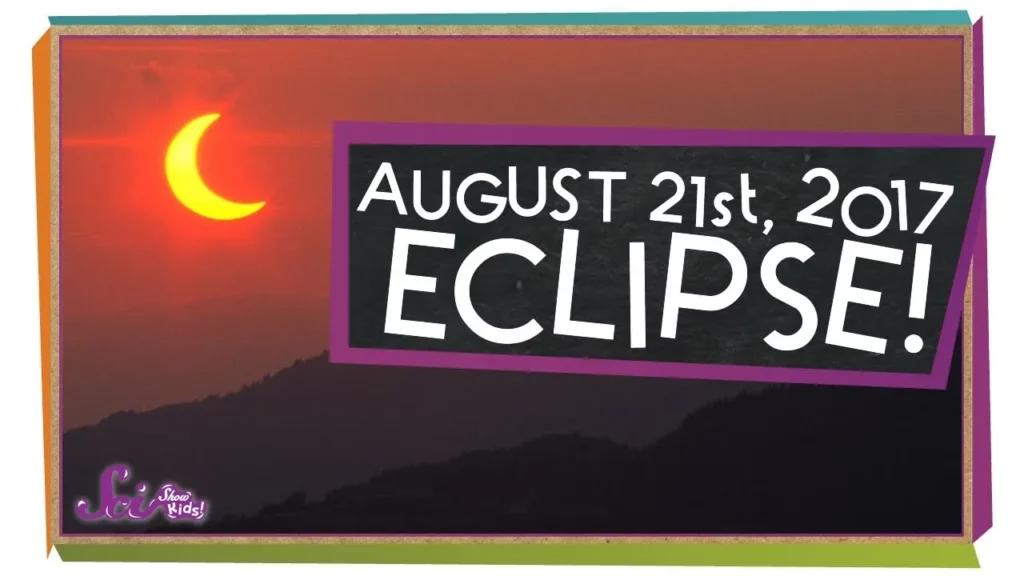
In this lesson, Squeaks and the narrator share their excitement about the upcoming total solar eclipse on August 21st, explaining what a solar eclipse is and how it occurs when the moon blocks the sun’s light. They emphasize the importance of safety while viewing the eclipse, recommending the use of special eclipse glasses or a pinhole viewer, and encourage participation in making a pinhole viewer together. The lesson highlights the rarity of total solar eclipses and invites kids to engage with the event by asking questions and sharing their thoughts.
Solving Problems with Simple Machines!
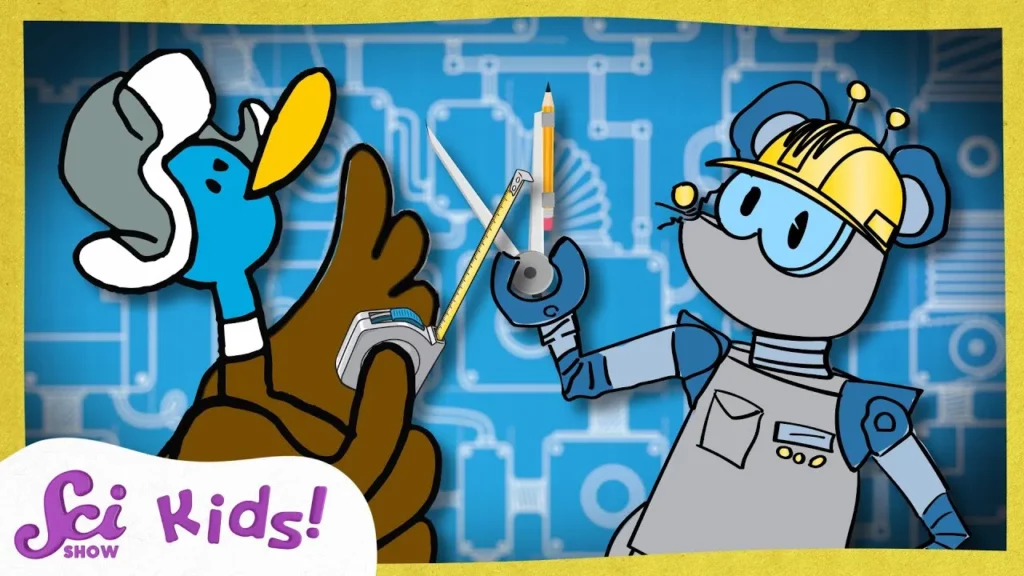
In this lesson, students explored the concept of simple machines and how they help make work easier through practical applications. They learned about levers, pulleys, and wheels and axles by using these tools to solve problems, such as lifting heavy rocks and moving a telescope. The lesson emphasized the presence of simple machines in everyday life and encouraged students to continue discovering and experimenting with these engineering principles.
Meet the 5 Dwarf Planets!
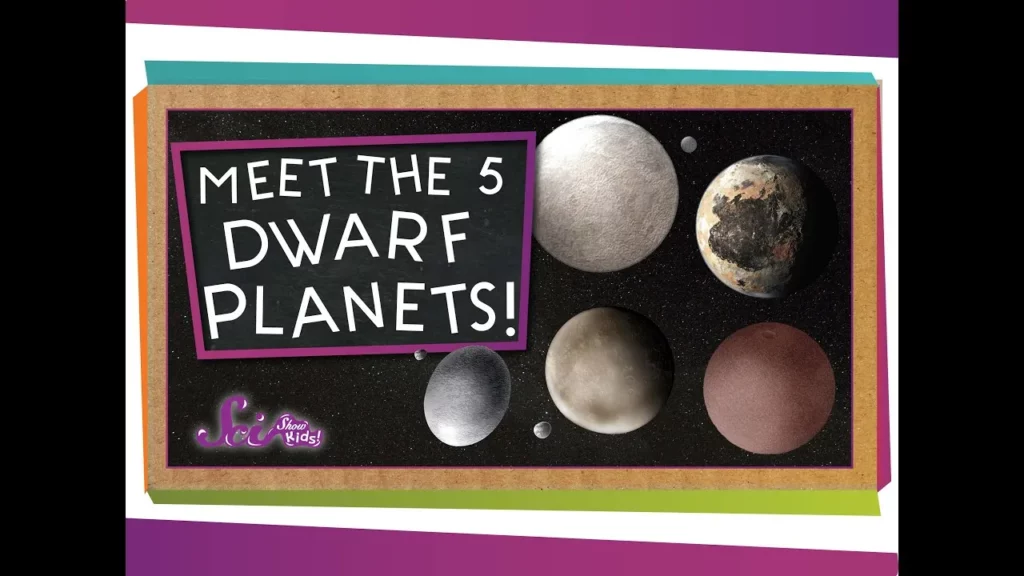
In this lesson, we explored the fascinating world of dwarf planets, which are smaller than regular planets but larger than asteroids. We learned about five notable dwarf planets: Pluto, Haumea, Makemake, Eris, and Ceres, each with unique characteristics and locations in the solar system. The lesson concluded with the exciting prospect that many more dwarf planets await discovery, promising further adventures in space exploration.
Where Did the Moon Come From?
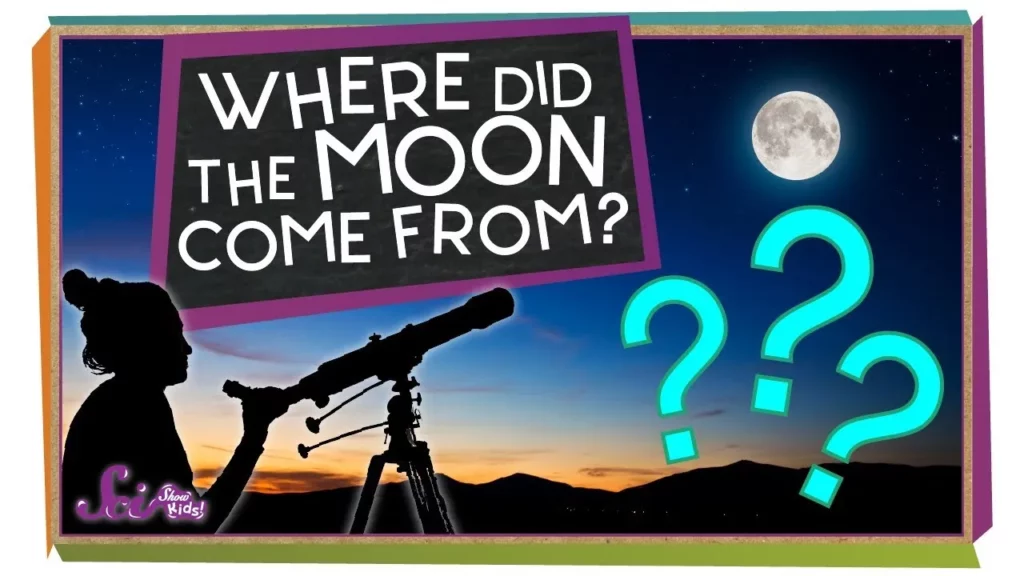
In this lesson, we explored the origins of the Moon, which is believed to have formed about 4.5 billion years ago following a massive collision between Earth and a Mars-sized planet named Theia. This impact sent debris into space that eventually coalesced to create the Moon, which has since been a subject of fascination and study for scientists. While we have learned much about the Moon’s composition and its similarities to Earth, its exact formation remains a mystery, prompting ongoing exploration and research.
Meet Australia
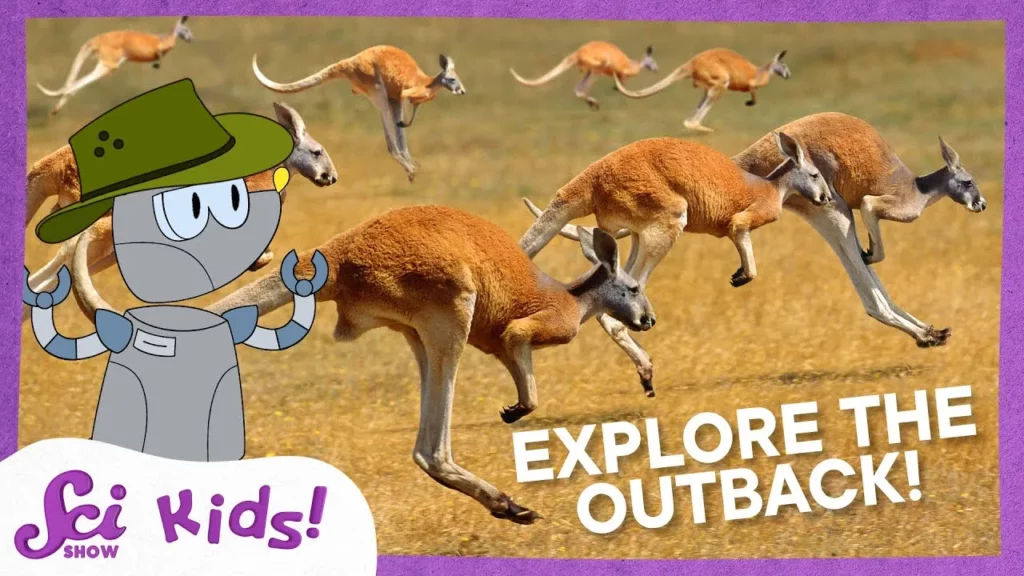
In this lesson, students embark on an adventure with Squeaks as he learns about the platypus and its unique habitat in Australia, particularly the Outback. The lesson highlights the Outback’s distinctive reddish landscape, the adaptations of local wildlife to thrive in its harsh conditions, and its significance for scientific exploration, especially in relation to Mars. Students are encouraged to continue exploring and learning alongside Squeaks in future lessons.
Why Do We Burp?
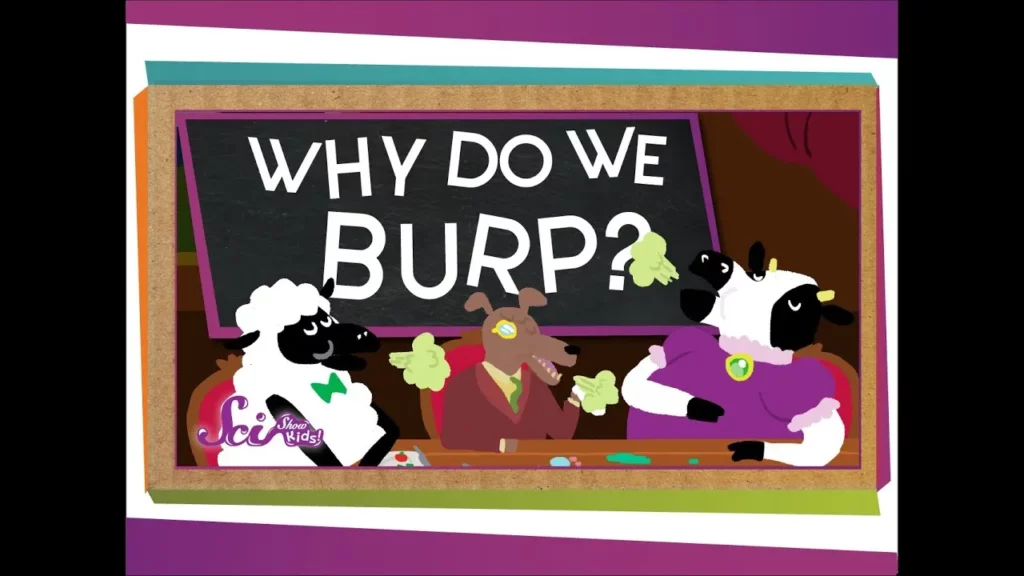
In this lesson, we learn that burping is a natural process that helps our bodies release excess gas from the stomach, which can accumulate from swallowing air or consuming certain foods and drinks. The digestive system plays a crucial role in this process, as it breaks down food and manages the gas produced during digestion. Understanding burping not only helps us appreciate our body’s functions but also reminds us to be polite when it happens!
Where Does Yogurt Come From?

In this lesson, we explore the delightful world of yogurt, highlighting its creamy and tangy flavor, nutritional benefits, and various types made from different milks, including non-dairy options. The lesson emphasizes the role of good bacteria, or probiotics, in yogurt production, explaining how they transform milk into this tasty snack while also promoting digestive health. Additionally, it touches on the impact of sugar on yogurt’s sweetness and encourages enjoying yogurt with toppings like granola and fruit.