
How Do We See Color?
In this lesson, Jessi and her friend Squeaks explore the world of colors through their favorite foods, highlighting how colors are perceived by our eyes and brains. They learn about the role of the retina, the types of cones responsible for color vision, and the concept of colorblindness, as well as how different animals perceive colors differently. The lesson concludes with a fascinating look at the mantis shrimp, which has an extraordinary ability to see a wide spectrum of colors, emphasizing the diversity of color perception in the animal kingdom.
Not-So-Creepy Creatures!
In the lesson “Guess That Animal: A Fun Halloween Game,” students explore various animals associated with Halloween, including bats, owls, spiders, and snakes. Each animal is presented with interesting facts that highlight their unique characteristics and ecological importance, encouraging a greater appreciation for these creatures rather than fear. The lesson aims to educate participants about the fascinating roles these animals play in nature while making learning engaging and fun.
Stargazing: The Geminid Meteor Shower
The Geminid meteor shower, one of the most spectacular astronomical events of the year, occurs around December 14th and is caused by the asteroid Phaethon. Unlike most meteor showers that originate from comets, the Geminids are unique because they come from a rocky body, leading to bright meteors as Earth passes through the cloud of particles shed by Phaethon. This lesson highlights the fascinating nature of the Geminid meteor shower and encourages viewers to prepare for an exciting night of meteor watching.
Where Do Icicles Come From?
In this lesson, we explored the enchanting world of icicles, which form when snow melts and refreezes due to the interplay of sunlight and cold air. We learned that as snow melts on roofs, the water drips and freezes again, creating beautiful, cone-shaped ice formations. The lesson encourages creativity by inviting students to imagine what they could build with frozen snow or ice.
The Ancient Animal Crossing
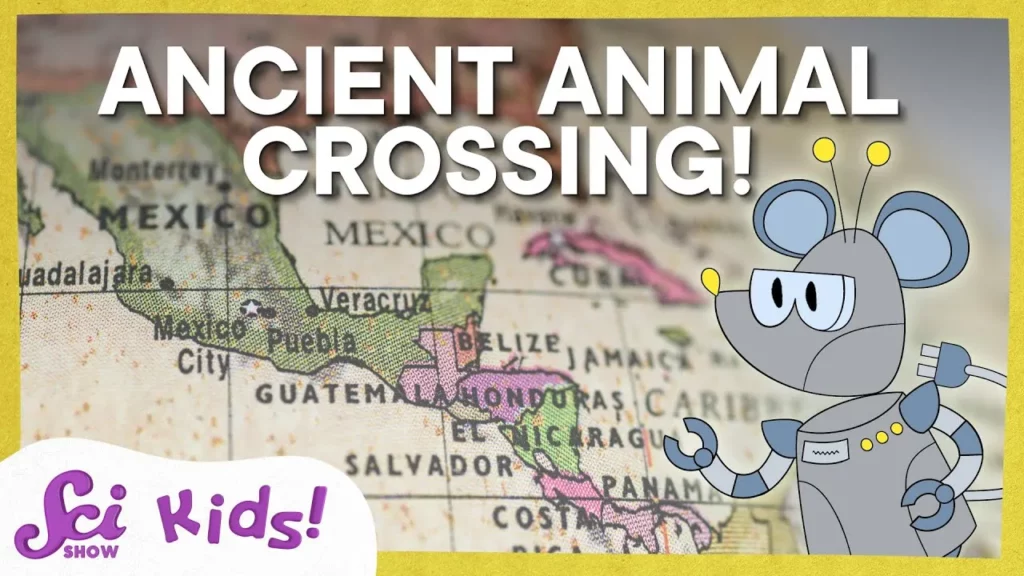
In today’s lesson, we explored ancient animals with Squeaks, focusing on creatures like the woolly mammoth and saber-toothed Smilodon. We learned about the Great American Interchange, which occurred when a land bridge connected North and South America, allowing various animals to migrate between the continents. Through the study of fossils, we discovered how these ancient species lived and why many of them are now extinct, highlighting the importance of maps and the movement of continents in understanding our planet’s history.
Can You Guess the Weather?
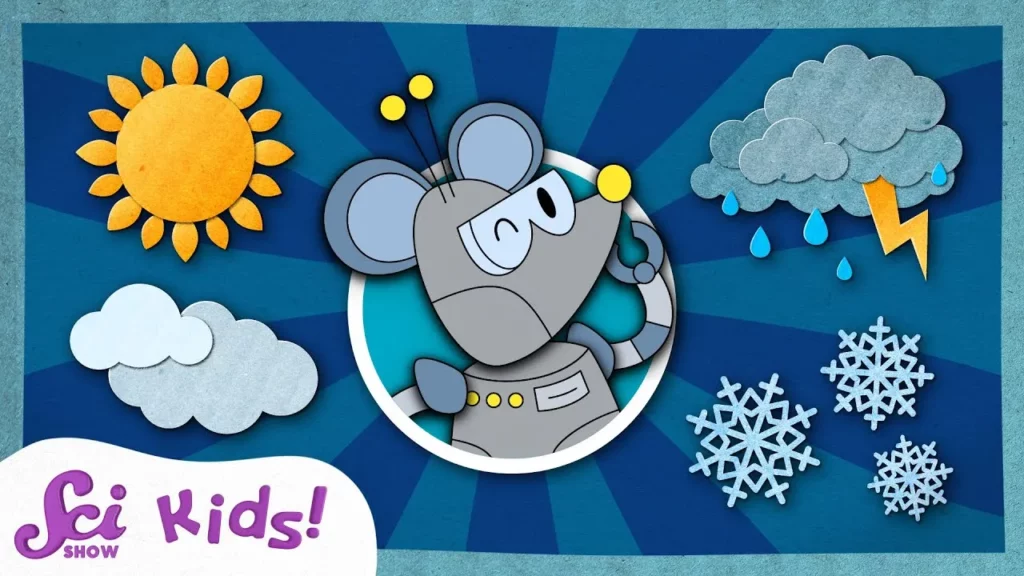
In this lesson, students are introduced to various types of weather phenomena, including snow, thunder and lightning, fog, and tornadoes. Through engaging explanations and fun activities, they learn how these weather events occur and their unique characteristics, emphasizing the beauty and power of nature. The lesson concludes by encouraging students to continue exploring the science of weather to enhance their understanding and preparedness.
Squeaks Loves Music!
This lesson explores the powerful connection between music and our emotions, highlighting how our brains and bodies respond to different musical elements. It explains that music can evoke a range of feelings, prompting physical reactions like dancing, and emphasizes the role of the tonic note in creating anticipation and resolution in songs. Additionally, it discusses how our vocal apparatus functions to produce sound, illustrating the mechanics behind singing and the amplification of our voices.
The Bug Hunting Game!
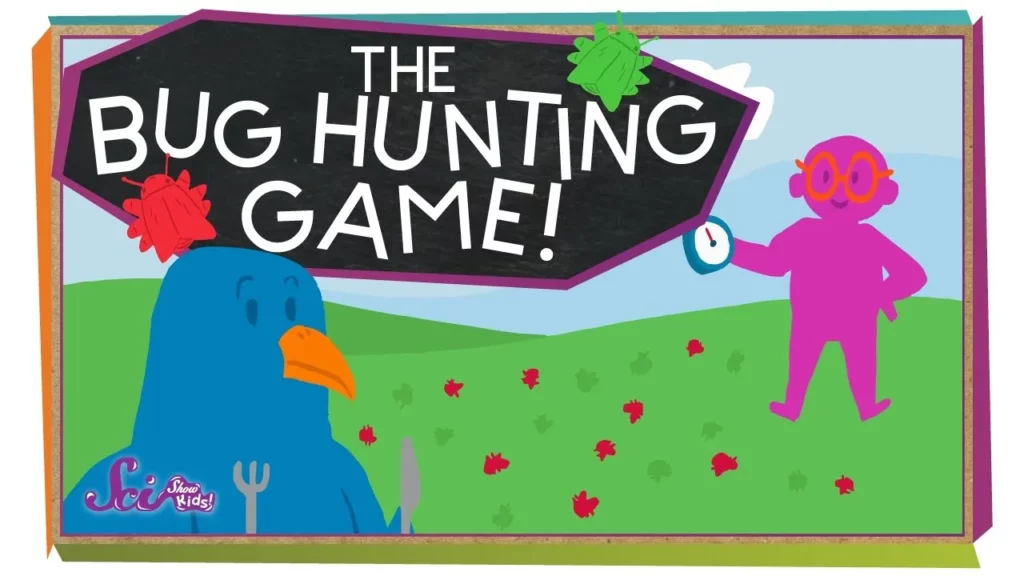
In this lesson, students explore the concept of animal camouflage, using the stick insect as a prime example of how blending into the environment helps animals evade predators. Through a fun experiment, participants simulate a bird searching for bugs, demonstrating how color and surroundings affect visibility and survival. The lesson emphasizes the importance of camouflage in nature and encourages further exploration of animal adaptations.
Why do spiders spin webs?
In this lesson, students explore the fascinating world of spider webs and the unique silk produced by spiders. They learn about the various types of spider silk, each serving different purposes, such as wrapping eggs or catching prey. Additionally, the lesson highlights the versatility of silk, which can be used for safety and even as a parachute, showcasing its importance in a spider’s survival and adventurous life.
Taking Pictures With the Sun!
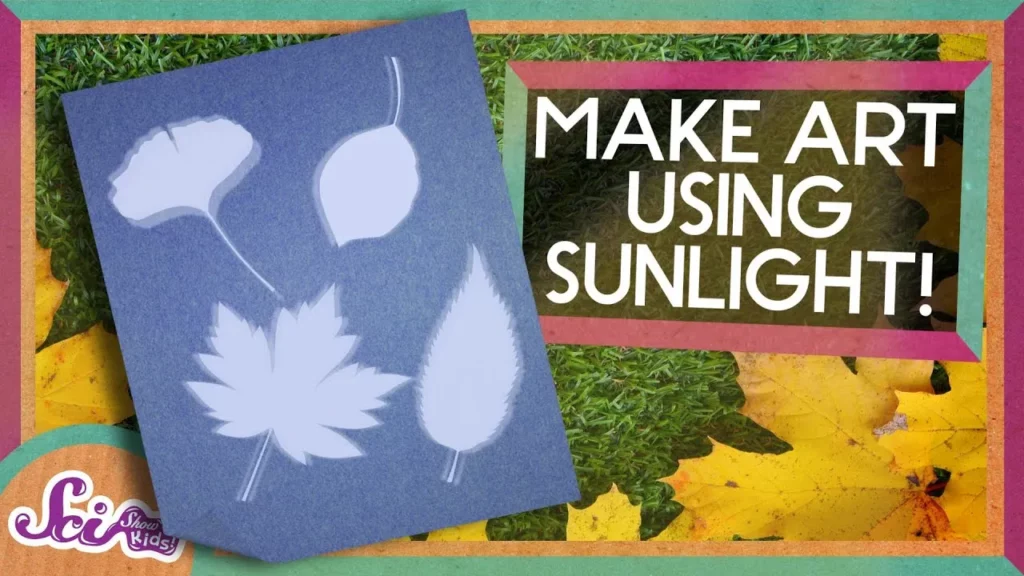
In this lesson, students explore the fascinating process of creating sun prints, a unique art form that combines creativity with science. By using special sun print paper, objects like leaves, and sunlight, learners can produce beautiful blue images through a chemical reaction that occurs when the paper is exposed to light. This hands-on activity not only fosters artistic expression but also introduces key scientific concepts related to light and chemical reactions.