
Why Don’t Fish Freeze in Winter?
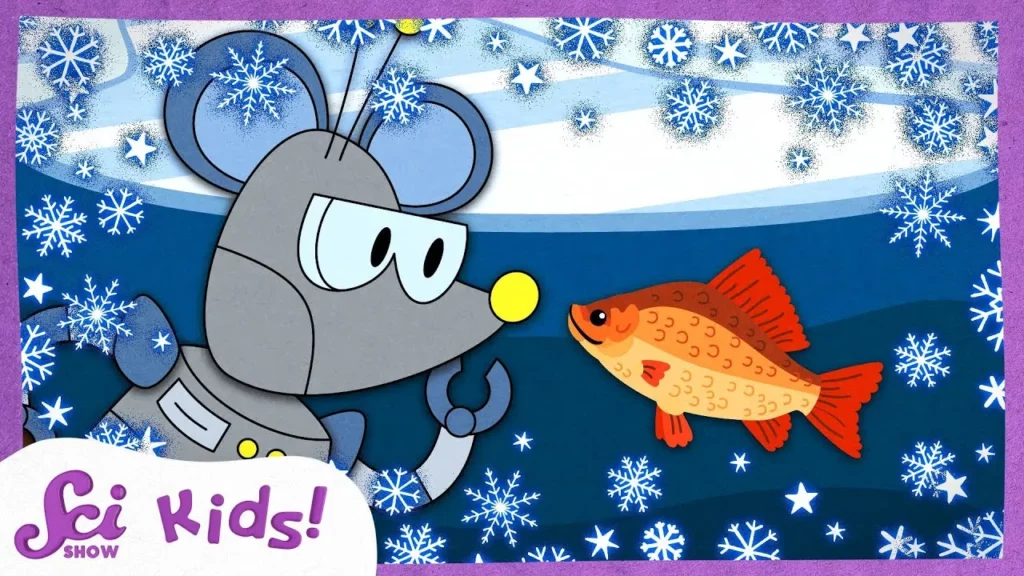
In today’s lesson, Squeaks and the narrator explored the changes that occur in and around a pond during winter. They observed how animals like fish, turtles, and birds adapt to the cold conditions, with fish huddling together for warmth, turtles burying themselves in mud, and birds fluffing their feathers to retain heat. The lesson highlights the fascinating ways wildlife survives the winter months and encourages further exploration of this topic.
Squeaks Takes a Hike!
In the lesson “Discovering Nature with a Field Journal,” students learn how to use a field journal to document their observations of the natural world, including flowers, birds, and weather patterns. The lesson emphasizes the importance of careful observation, drawing, and recording thoughts and questions to enhance understanding of nature. Additionally, it introduces fascinating facts about bees, songbirds, and tree rings, encouraging students to explore and personalize their field journals as they engage with their environment.
Invading Birds!
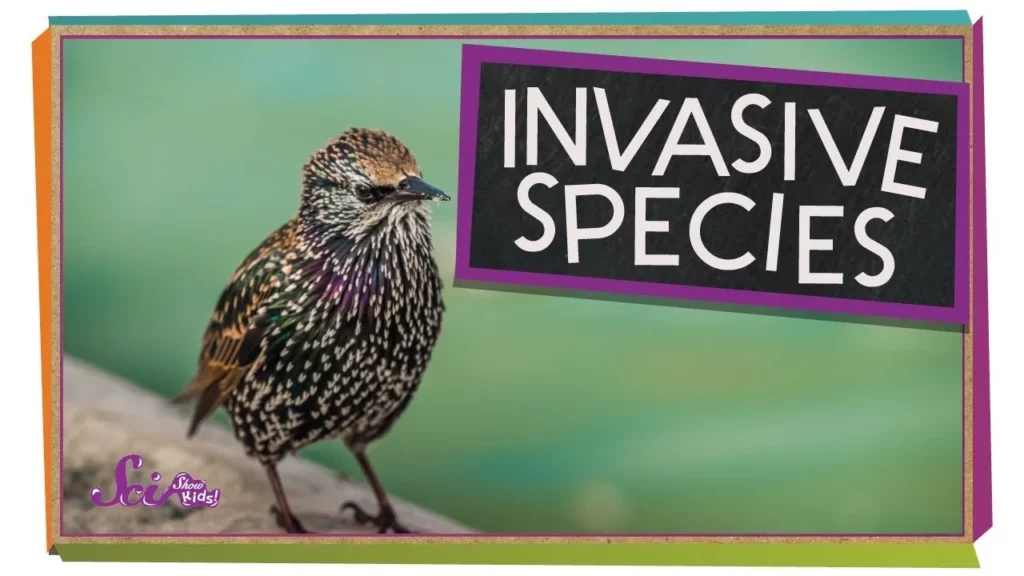
In this lesson, we explored the impact of starlings, an invasive species that was introduced to the United States about 130 years ago, and how their presence has disrupted local bird populations. Starlings compete for food and nesting sites, leading to a decline in native bird species. We also discussed the broader implications of invasive species and ways to prevent their spread, emphasizing the importance of protecting local ecosystems.
Viewer Mail from Scotland!

In today’s lesson, we explored exciting questions from students at Pilmuir Primary School, focusing on various animal-related topics. We discussed favorite animals, the unique feeding habits of egg-eating snakes, the joy of sharing science through the show, and the diverse wildlife found in the Amazon Rainforest. The session highlighted the importance of curiosity and encouraged students to continue asking questions about the world around them.
Squeak's First Flight!
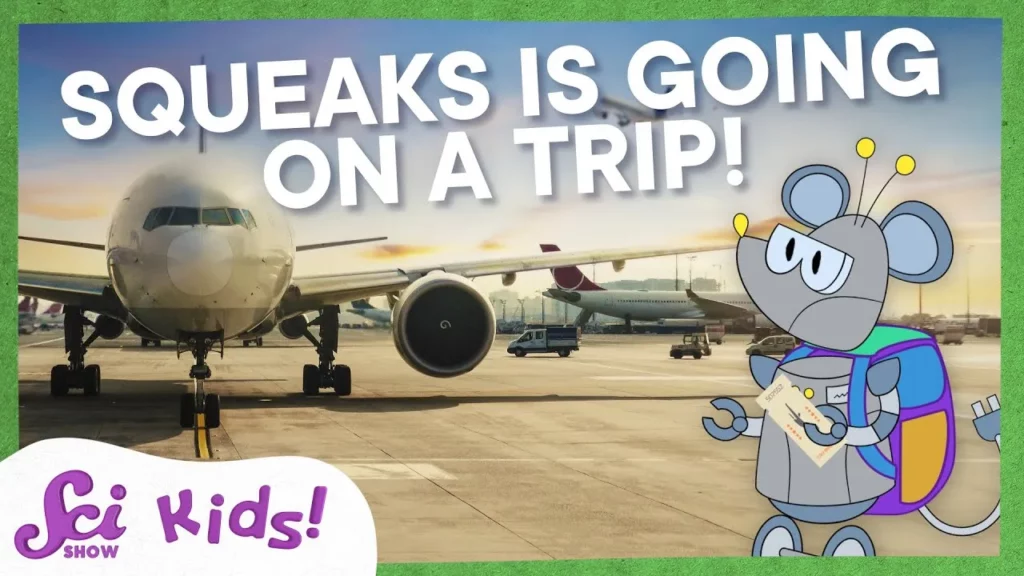
In this lesson, students learn about the experience of flying on an airplane through the journey of Squeaks and Jesse, who are preparing for their trip to the Robot Hall of Fame. Key topics include navigating the airport, understanding the flight process, and how airplanes fly, along with tips for managing common sensations like ear pressure changes during ascent and descent. By the end, Squeaks feels more confident and excited about his adventure, highlighting the importance of knowledge in overcoming fears.
Brr! 5 Videos about Winter!
In this lesson, we explore the reasons behind the changing seasons, focusing on how the Earth’s tilt affects sunlight distribution, leading to winter, spring, summer, and autumn. We also learn about the formation of unique snowflakes, the engineering principles behind building a snowman, and the various strategies animals use to stay warm during winter. Additionally, we discuss ways to support local birds in cold weather, emphasizing the importance of helping wildlife while enjoying the beauty of the season.
The Coldest Seas on Earth!
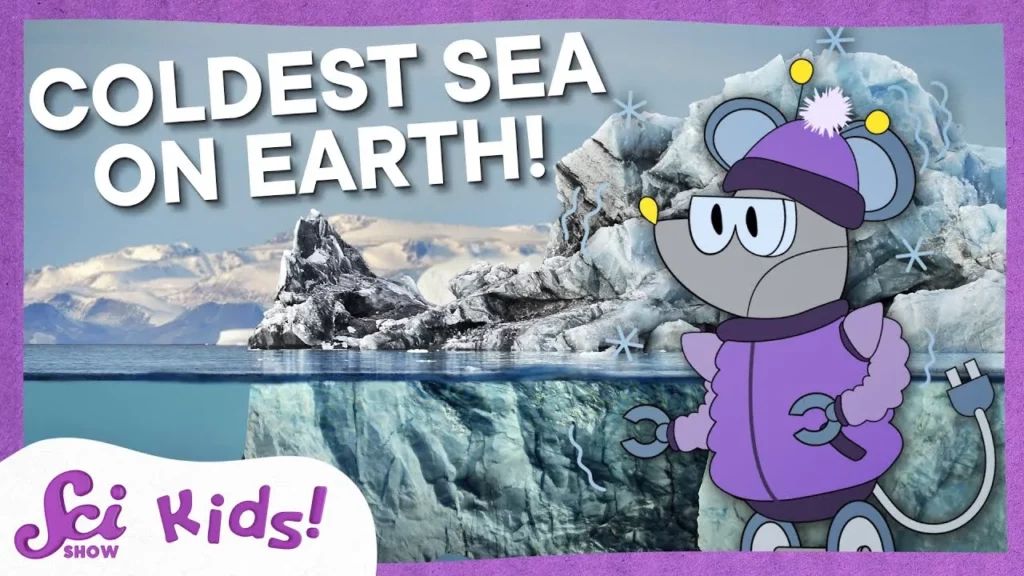
In this lesson, we explored the fascinating ecosystem of Antarctica, focusing on its unique wildlife, including penguins, seals, and krill. We learned how these animals have adapted to survive in extreme cold, with features like blubber and antifreeze blood, and how they are interconnected within the Antarctic food web. The lesson highlights the importance of understanding and appreciating the delicate balance of life in one of the coldest places on Earth.
What Are Stitches For?

In today’s lesson, Squeaks shares his adventure of getting stitches after cutting his hand while playing at the park. Stitches are important for healing larger cuts, as they help keep the wound closed and prevent infection. With the help of a doctor, Squeaks received stitches painlessly and learned about the healing process, emphasizing the importance of proper care for cuts.
The Rainiest Places on Earth
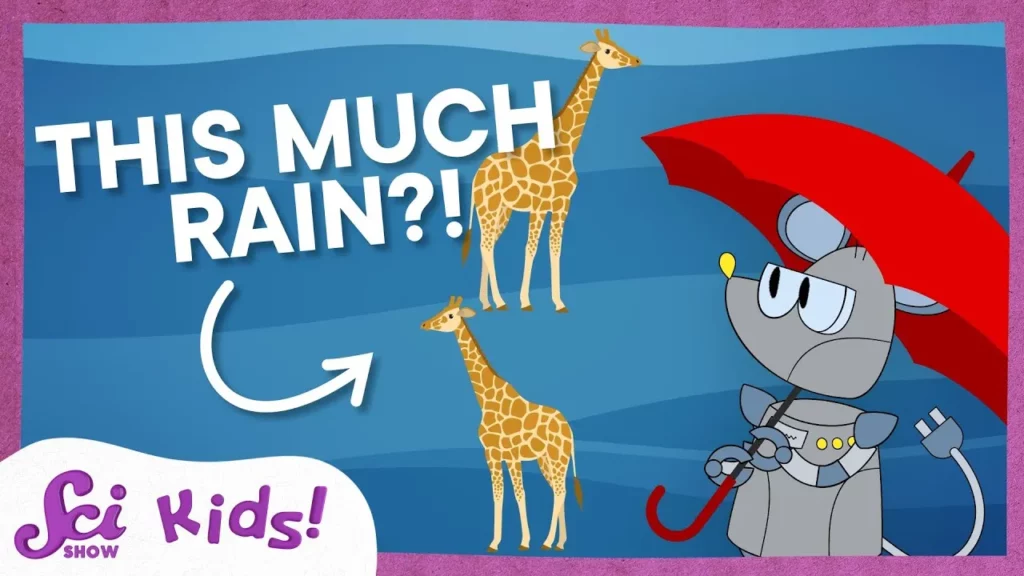
In today’s lesson, we explored the reasons behind the varying levels of rainfall around the world, focusing on the rainiest places such as Mount Wai’ale’ale in Hawaii and Cherrapunji in India. We learned how scientists measure rain using rain gauges and discussed the phenomenon of monsoons, which are influenced by the Earth’s tilt and geographical features like mountains. Additionally, we had a fun activity where students could create their own rain gauges to measure rainfall like scientists.
We Love Cats and Dogs!
In this lesson, students explore the fascinating world of cats and dogs, learning about their unique abilities and histories. Cats, related to big cats like lions and tigers, possess exceptional hearing, while dogs, descended from wolves, have an extraordinary sense of smell and can understand a vast number of words. The lesson also highlights the various functions of animal tails, emphasizing the remarkable traits that make these furry companions truly special.