
Why Does Peppermint Taste So Cold?
In this lesson, we explored the fascinating world of peppermint, focusing on why peppermint candy feels cold in the mouth despite being at room temperature. The cool sensation is caused by menthol, a chemical that tricks our brain into perceiving coldness by activating temperature sensors on our tongue. Additionally, we learned about the history of peppermint in winter traditions and encouraged experimentation with different flavors to enhance our understanding of food science.
Science at the Beach!
In this lesson, Squeaks shares his adventures exploring the beach, highlighting the importance of using our senses to appreciate the environment. He learns about the formation of sand, the diversity of ocean life, the science behind waves and tides, and even creates his own imaginative sea monster inspired by ancient creatures. The lesson emphasizes the wonders of the ocean, encouraging curiosity and appreciation for marine ecosystems.
You Are What You Eat!
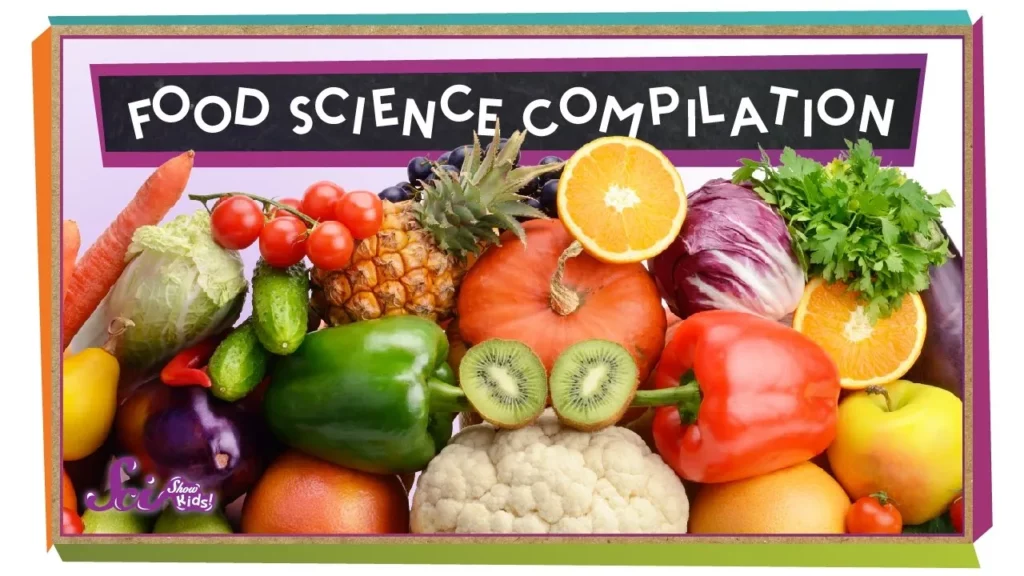
In this lesson, young learners explore the science of food and eating by discovering the five main food groups: fruits, grains, vegetables, protein, and dairy, and understanding their importance for health. They also learn how to distinguish between fruits and vegetables based on their growth, the role of taste buds in experiencing flavors, and the reasons behind burping. This engaging guide encourages children to think about their food choices and appreciate the science behind eating.
The Dry Sock Trick!
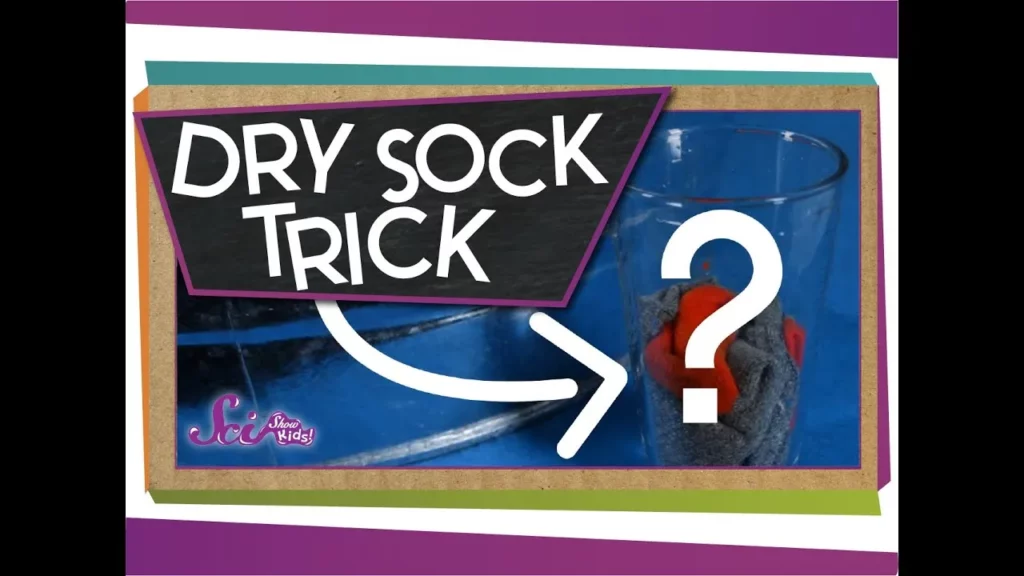
In this lesson, students learn how to conduct a fun science experiment in the bathtub using a sock and a cup of water. By tightly stuffing the sock into the cup and submerging it upside down, they discover that the sock remains dry due to the air inside the cup pushing out the water. This activity not only demonstrates a fascinating scientific principle about air and matter but also encourages hands-on learning and exploration in a playful setting.
Explore Saturn's Rings
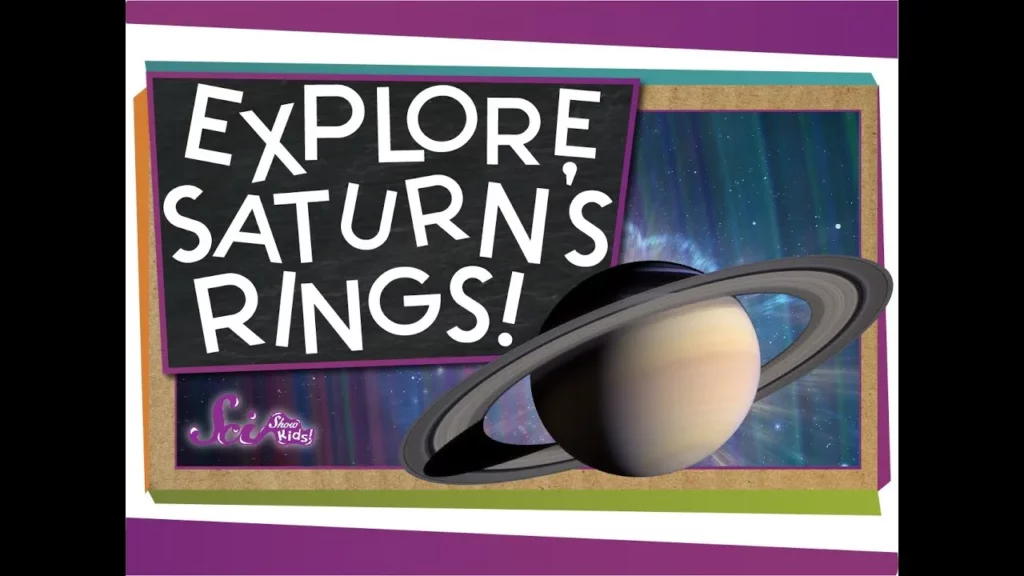
In this lesson, students learn about Saturn, the sixth planet from the sun, known for its stunning rings and numerous moons. They discover that Saturn is a gas giant, much larger than Earth, and explore the composition and movement of its rings, which are made of rock and ice. The lesson also touches on the theories regarding the formation of Saturn’s rings and encourages curiosity about space exploration.
Salt's Secret Powers!

In this lesson, Squeaks and the narrator explore the science of salt while cooking a vegetable pie. They explain that salt is a type of crystal essential for health, made of sodium and chloride, and discuss its role in enhancing flavor and aiding bodily functions. The lesson emphasizes the importance of using salt in moderation for a healthy diet.
Let's Go Bird Watching!
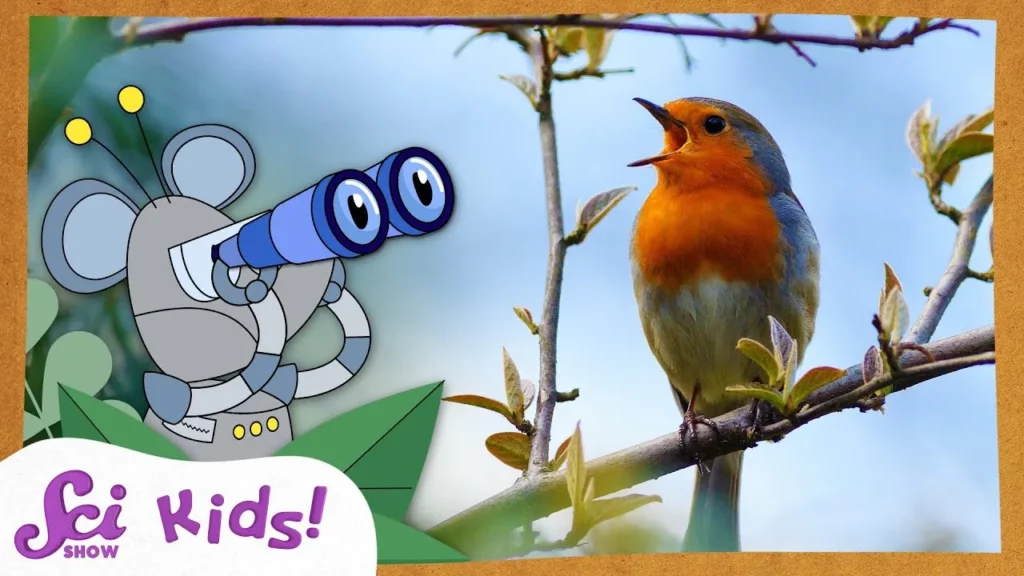
In this lesson on bird watching, students are introduced to the joy of observing birds in their natural habitats, highlighting the importance of this hobby for both enjoyment and scientific research. The lesson covers various aspects of birds, including their songs, the ability of some species to mimic human speech, the existence of flightless birds, the vibrant colors of certain species, and the impact of invasive species on native bird populations. Overall, bird watching is presented as a rewarding way to connect with nature and appreciate the diversity of avian life.
5 Animal Valentines!
In the “Valentine’s Day Animal Adventure” lesson, students receive valentines from various animals, each sharing fun and educational facts about their species. They learn about the unique characteristics of sharks, the conservation needs of pandas, the history of dinosaurs, the echolocation abilities of bats, and the intelligence of rats, fostering an appreciation for these diverse creatures and their habitats.
Can You Guess These Fall Animals with Jessi and Sam?
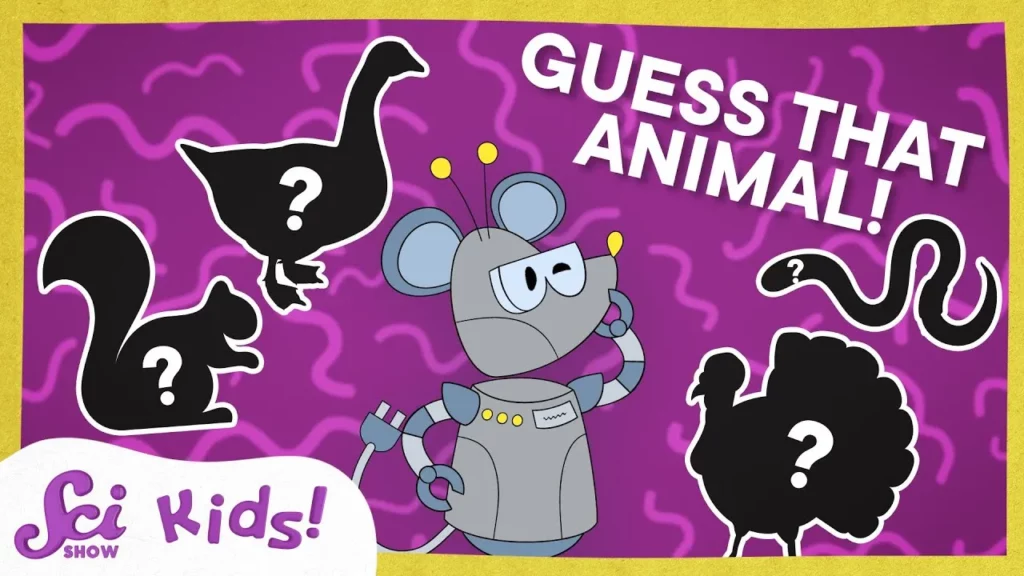
In today’s lesson, Sam and I played “Guess That Animal,” focusing on animals associated with fall. We shared clues about a squirrel, a goose, an earthworm, and a turkey, highlighting their unique characteristics and behaviors during the season. This engaging game encourages learning about wildlife while having fun with friends!
All About Teeth!
The lesson “All About Teeth: Why They’re Important and How to Care for Them” explores the various types of teeth and their functions, emphasizing the significance of both baby and permanent teeth in eating and speaking. It highlights the importance of dental hygiene, including regular brushing and flossing, to prevent cavities and maintain strong enamel. Additionally, the lesson shares fun facts about animal teeth, showcasing the diversity and essential roles teeth play across species.