
Make Your Own Well!
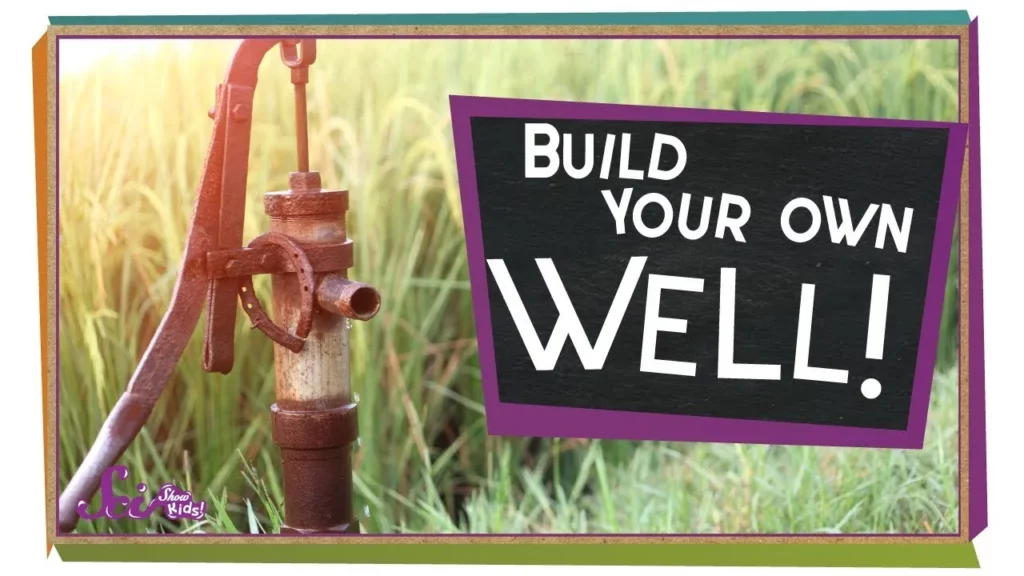
In this lesson, you will learn how to create a mini well using simple materials like a cup, rocks, water, and a soap pump. By following the steps to fill the cup with rocks and water, and then using the pump to draw water up, you’ll understand how wells work to access underground water. Additionally, you can experiment with different liquids to see how the mini well functions, encouraging hands-on learning and exploration.
Save the Rhinos!
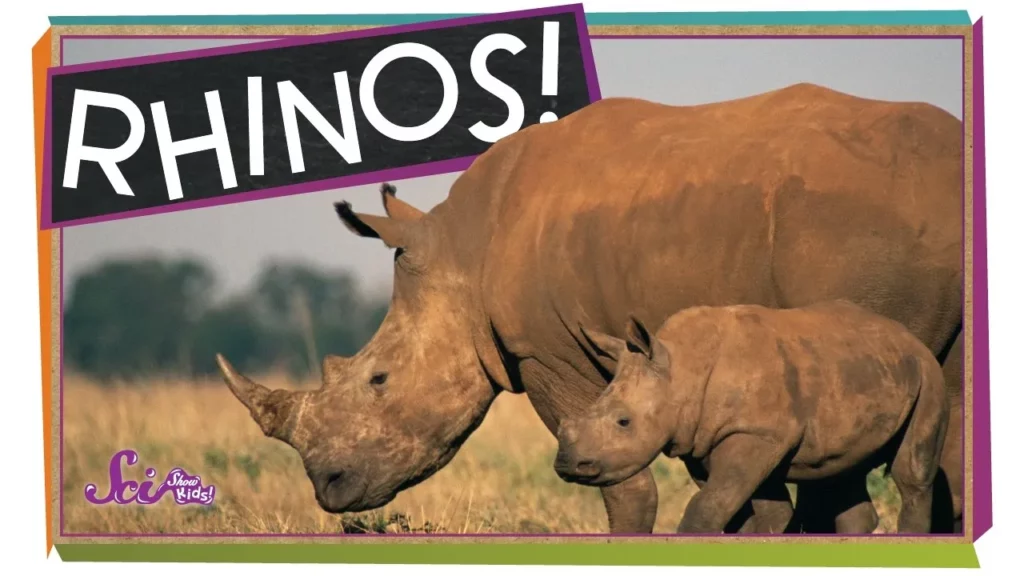
In this lesson, we explored the fascinating world of rhinoceroses, learning about the five different types that inhabit Africa and Asia, their unique characteristics, and their herbivorous lifestyle. We also discussed the critical threats they face, including habitat loss and poaching for their valuable horns, which have led to their endangered status. Efforts to protect and conserve rhinos are ongoing, with some populations showing signs of recovery, but continued action is necessary to ensure their survival.
Odd Facts About Sloths
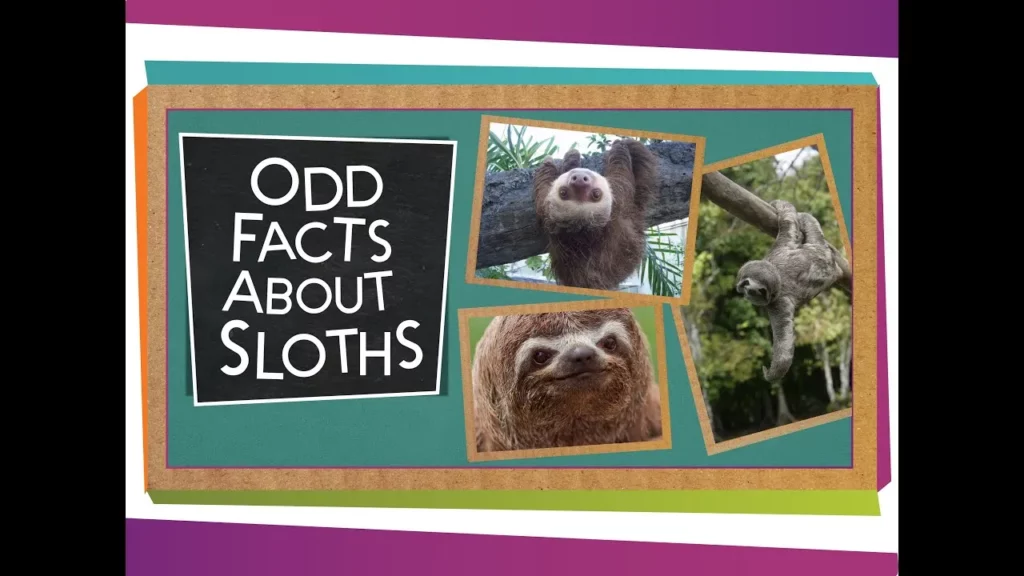
The lesson introduces sloths as the slowest mammals on Earth, highlighting their unique adaptations for a low-energy lifestyle. Sloths move slowly through trees, have specialized diets that require extensive digestion time, and possess remarkable abilities like rotating their heads nearly 360 degrees. Ultimately, the lesson emphasizes that sloths are not lazy but rather efficient energy savers, thriving in their own leisurely way.
Halloween Fun!
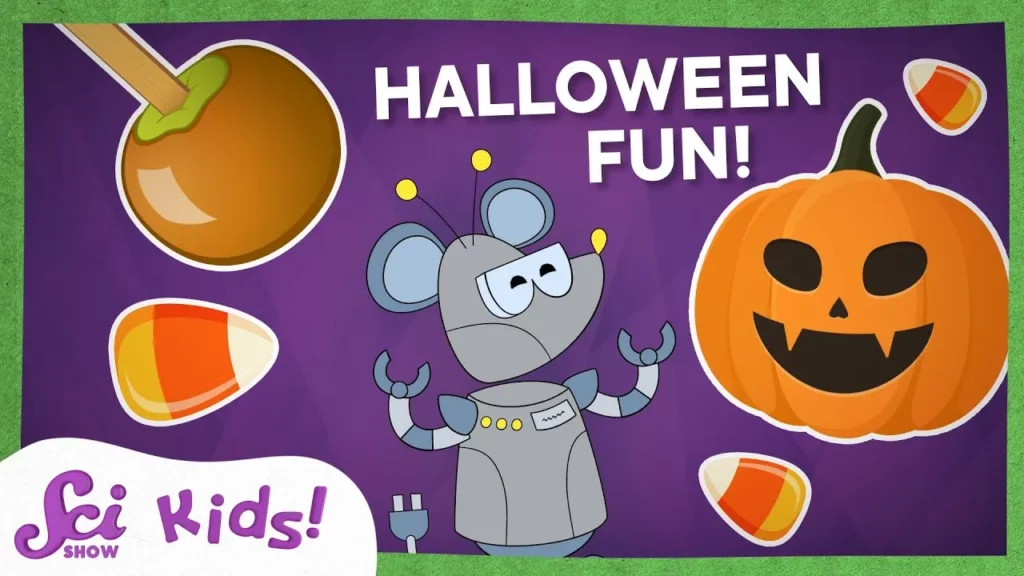
In this lesson, we explored the fascinating growth of pumpkins, particularly how they can reach enormous sizes due to the increase in both the number and size of their cells, requiring significant water and nutrients. We also learned about the process of making candy corn and caramel apples, highlighting the ingredients and chemical reactions involved in creating these popular Halloween treats. Overall, the lesson combined elements of biology and cooking, emphasizing the science behind growing and preparing seasonal favorites.
Why do they put salt on sidewalks in winter?
This lesson explains how salt melts ice by lowering the freezing point of water, making it safer to walk on slippery surfaces. When salt is sprinkled on ice, it causes the surrounding ice to melt, creating liquid water that further dissolves more ice. An engaging experiment is suggested, allowing students to observe the melting process firsthand by comparing salted and unsalted ice cubes.
The Problem With Pandas
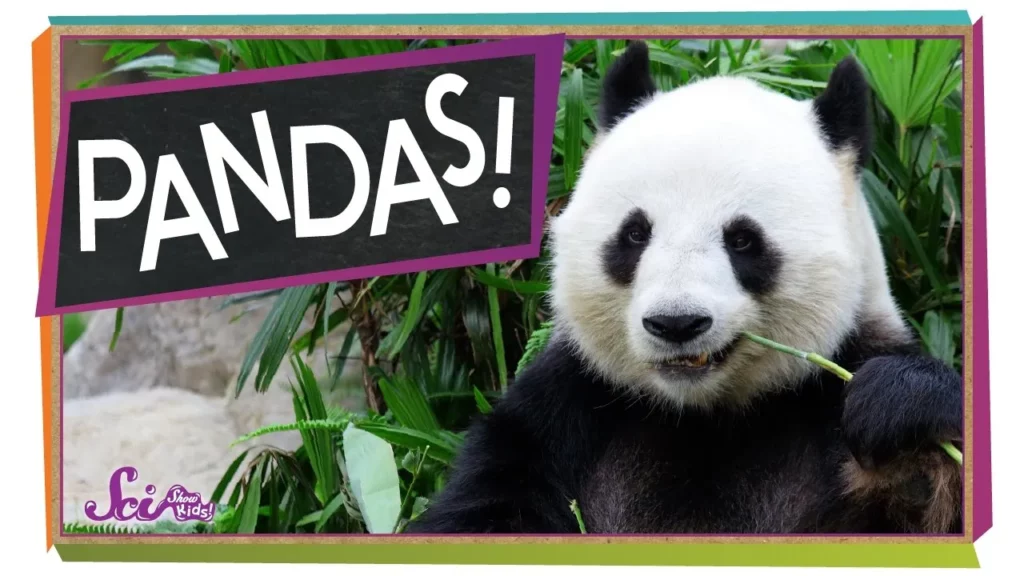
This lesson introduces giant pandas, highlighting their unique characteristics, habitat, and dietary needs, particularly their reliance on bamboo. It discusses the challenges pandas face due to habitat loss caused by human activities and emphasizes the importance of conservation efforts to protect these animals and their environment. Ultimately, the lesson underscores the significance of healthy habitats for all wildlife and encourages further exploration of animal conservation.
Art Day!
In this lesson, you will learn how to make your own watercolors at home using simple ingredients like baking soda, vinegar, cornstarch, and food coloring. The process involves mixing the ingredients, pouring them into an ice cube tray, and allowing them to dry before using them for painting. Additionally, the lesson encourages creativity through other art projects, such as making insect-inspired art and sun prints.
Why Do Kangaroos Have Pouches?
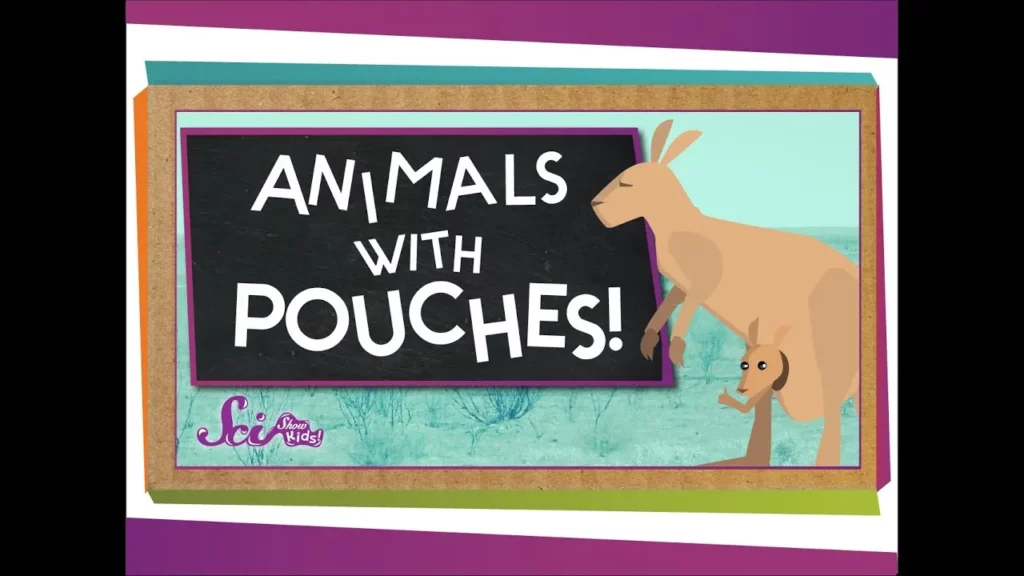
In this lesson, students explore the fascinating world of marsupials, unique mammals known for their pouches where mothers carry their young, called joeys. The lesson highlights various marsupials, their habitats, and adaptations, such as excellent senses that help them thrive at night. Through engaging examples like the bilby, learners discover the remarkable traits that make marsupials special and important in their ecosystems.
Where Does Sugar Come From?
In this lesson, we explore the world of sugar, highlighting both its delicious appeal and the importance of healthier sweet choices, such as fruits like apples and bananas. We learn that sugar originates from plants, with glucose produced through photosynthesis and sucrose extracted from sugar cane and sugar beets, ultimately transforming into the sugar we use in our kitchens. The lesson emphasizes that while sugary treats can be enjoyable, fruits provide essential nutrients alongside their natural sweetness, making them a healthier option.
What Happens When You Lose a Balloon?
In this lesson, we explored what happens when a balloon escapes into the sky, focusing on why balloons float due to helium and the changes they undergo as they rise. As a balloon ascends, the decreasing air pressure can cause it to pop or shatter, resulting in harmful debris falling back to the ground. Ultimately, we learned that whether a balloon bursts or breaks apart, it will always return to the earth, highlighting the importance of not intentionally releasing balloons into the environment.