
Why Do I Have Freckles?
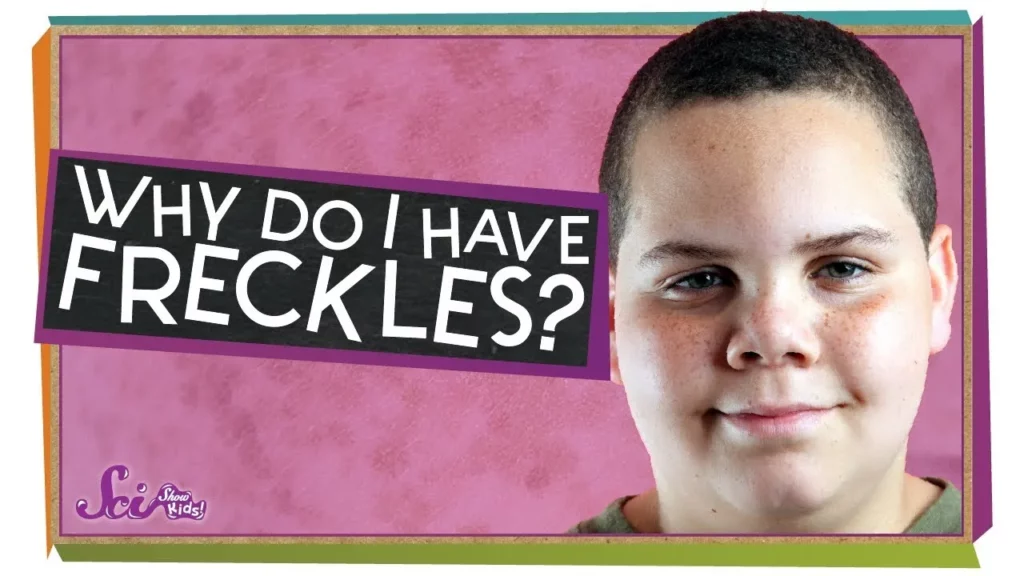
In this lesson, we explored freckles, which are small spots on the skin caused by an increase in melanin, the pigment responsible for skin color. We learned that freckles can vary among individuals, often appearing more in those with lighter skin, and can change over time due to factors like sun exposure. Ultimately, the lesson encourages embracing freckles as a unique aspect of one’s identity.
Earth's Most Extreme Weather
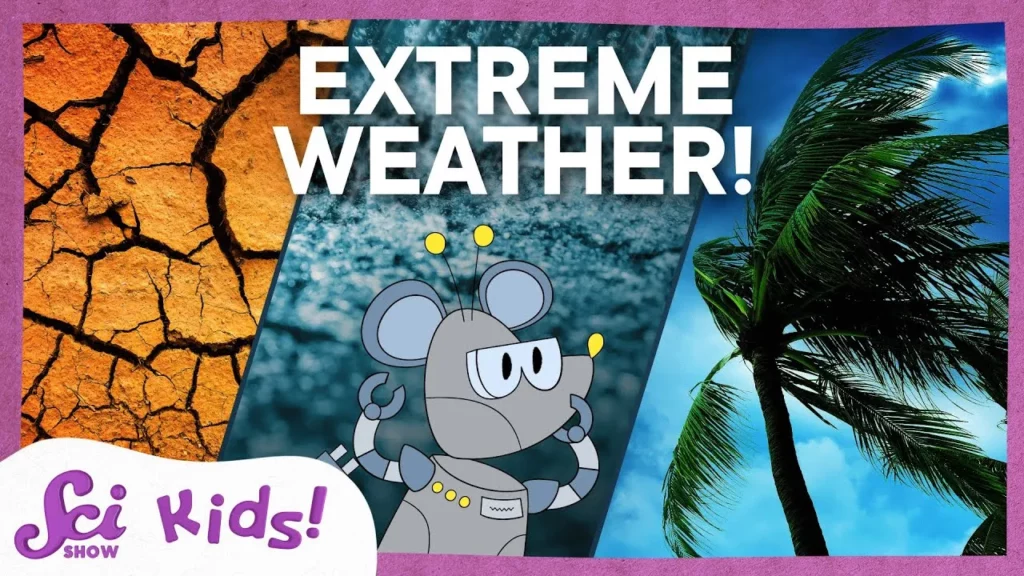
In this lesson, students learn about the fundamental concepts of wind and weather, including how temperature differences create wind and the unique weather patterns found in various locations around the globe. The lesson also distinguishes between weather and climate, highlights extreme weather phenomena, and introduces practical tools for measuring wind and rainfall, such as anemometers and homemade rain gauges. Through engaging facts and a hands-on activity, students are encouraged to explore and appreciate the diverse wonders of our planet’s atmospheric conditions.
The Amazing Science of Balloons
In the lesson “Fun with Balloons: Science Experiments and More!”, students engage in hands-on science experiments using balloons to explore concepts like chemical reactions, force and motion, and static electricity. Through activities such as inflating a balloon with baking soda and vinegar, creating a balloon rocket, and performing a sticky balloon trick, learners discover the fascinating science behind these everyday objects while emphasizing the importance of responsible balloon use.
Think Like an Engineer: The BEST Solution!
In this lesson, the team embarks on an engineering adventure to design and build a raft for their friend Juniper, who cannot swim. Through the process of creating and testing various prototypes, they learn the importance of collaboration, problem-solving, and iteration, ultimately combining their ideas to construct a successful raft that meets all safety and functionality requirements. The experience emphasizes the engineering mindset of learning from failures and improving designs, culminating in a fun and educational journey.
Weird and Wonderful Amphibians
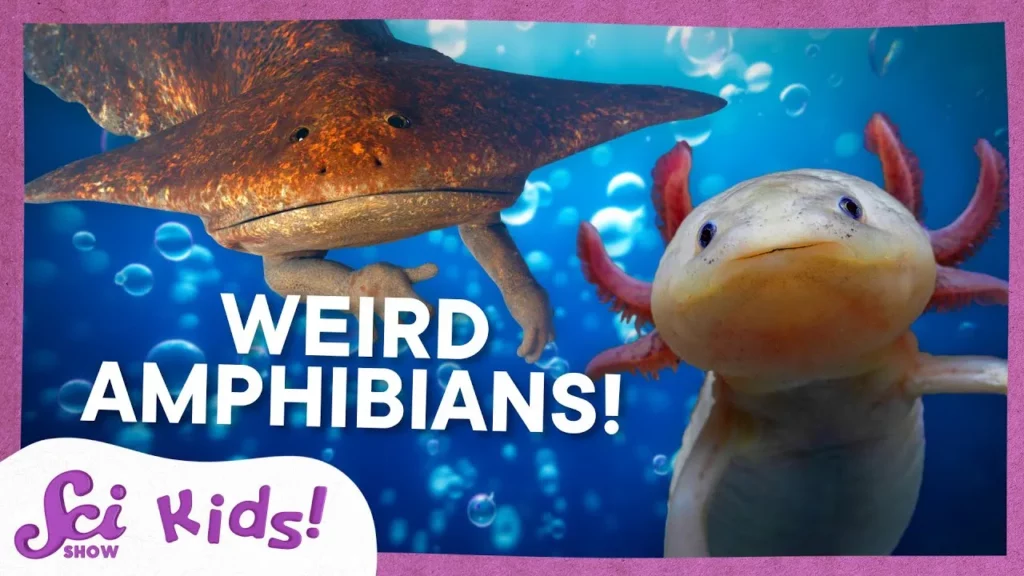
In this lesson, we explored the fascinating world of boomerangs and ancient amphibians, focusing on the unique Diplocaulus, which lived over 250 million years ago and had a boomerang-shaped head. We also learned about modern amphibians like axolotls, known for their ability to regenerate body parts and their unique gill structures, as well as the vibrant poison dart frogs that use their colors for protection and mimicry in nature. Through these discoveries, we gained insights into the adaptations and challenges faced by these remarkable creatures.
Winter Scavenger Hunt!
In this lesson, Squeaks and the narrator embark on a winter scavenger hunt to explore the unique characteristics of the season, including changes in weather, plant life, and animal behavior. They highlight the importance of staying warm, finding signs of winter such as ice and dormant plants, and observing wildlife adaptations. The lesson encourages students to engage in their own scavenger hunts to discover the wonders of winter in their neighborhoods.
Was There Water on Mars?
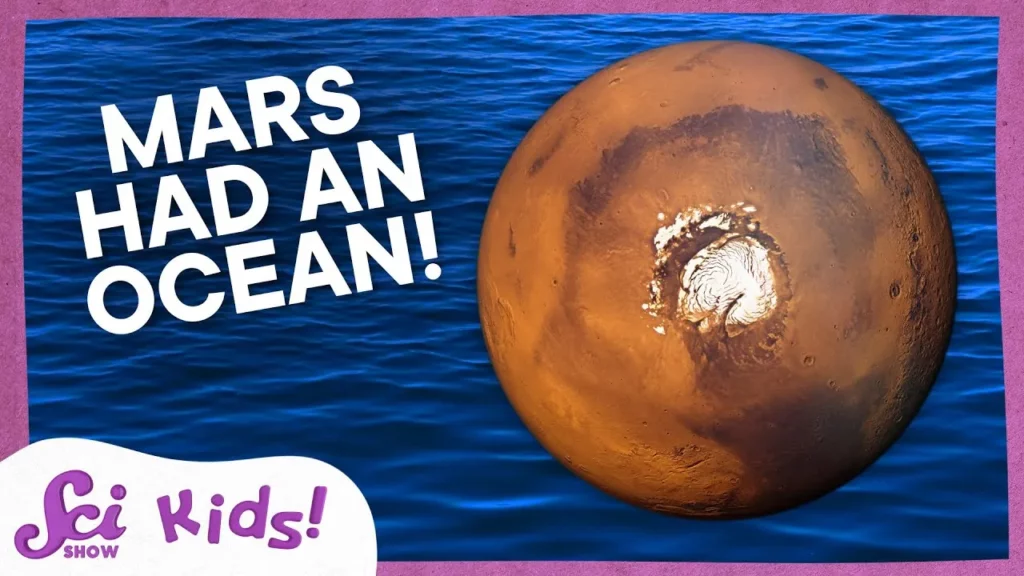
In this lesson, we explored the Perseverance Rover, a robotic explorer equipped with advanced tools, including a helicopter, that recently landed on Mars. Scientists are studying Mars to uncover its history, particularly the evidence of ancient oceans and river systems, which may provide clues about the planet’s past and the possibility of life. The lesson emphasizes the excitement of space exploration and the ongoing discoveries being made about our neighboring planet.
Why Do We Yawn?
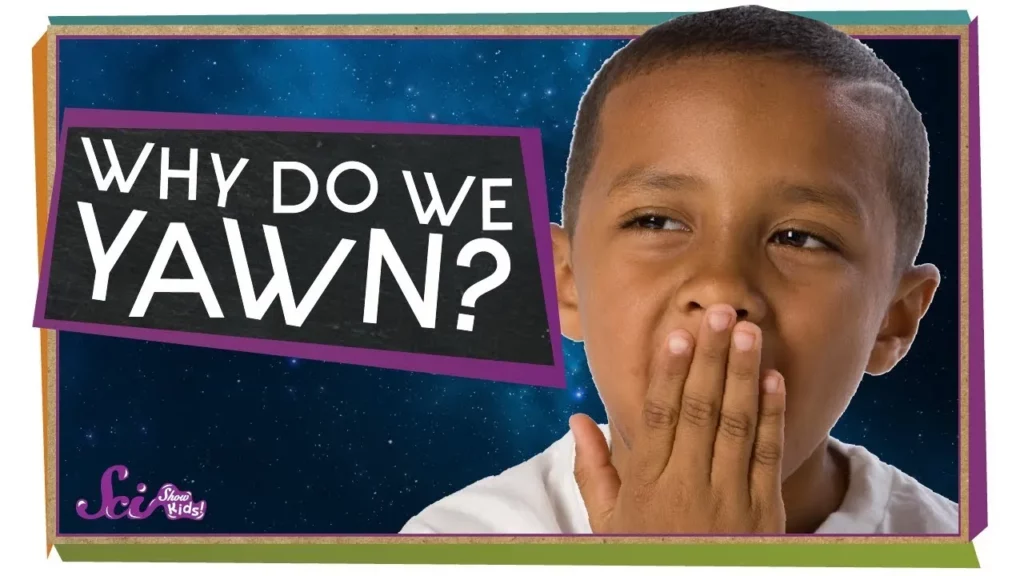
The lesson explores the reasons behind yawning, highlighting that it may serve to cool down the brain and enhance focus, especially when tired or in warm environments. It also discusses the phenomenon of contagious yawning, suggesting it could be a form of social communication. Overall, yawning is presented as a complex behavior with still many mysteries to uncover.
Meet 3 Peculiar Penguins
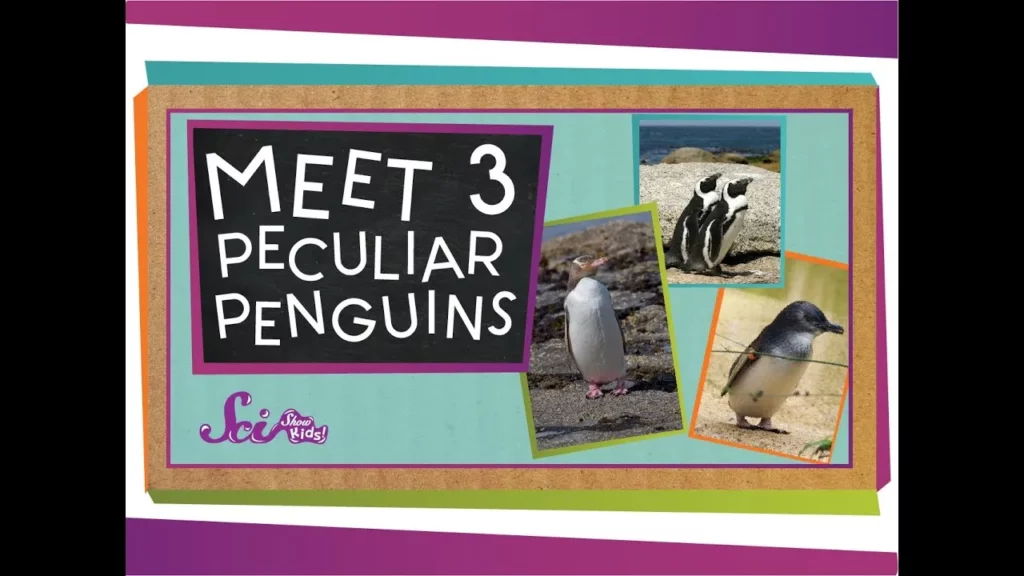
In this lesson, we explored the diverse world of penguins, highlighting their unique characteristics and habitats. We learned about different species, such as the Little Blue Penguin, Yellow-Eyed Penguin, and African Penguin, each with distinct traits and living environments. The lesson encourages further exploration of penguins and their fascinating behaviors, inviting students to discover more about these adorable birds.
How to Help a Bird!
The lesson “Helping Birds in Winter” emphasizes the importance of supporting local birds during the cold months when food and nesting materials are scarce. It encourages individuals to provide birdseed, fresh water, and nesting materials like twigs and yarn to help birds thrive, while also enjoying the opportunity to observe these creatures and their activities. By taking simple actions, we can make a significant difference in the lives of wintering birds and look forward to the arrival of baby birds in spring.