
How Do Pollinators Help Plants Grow?
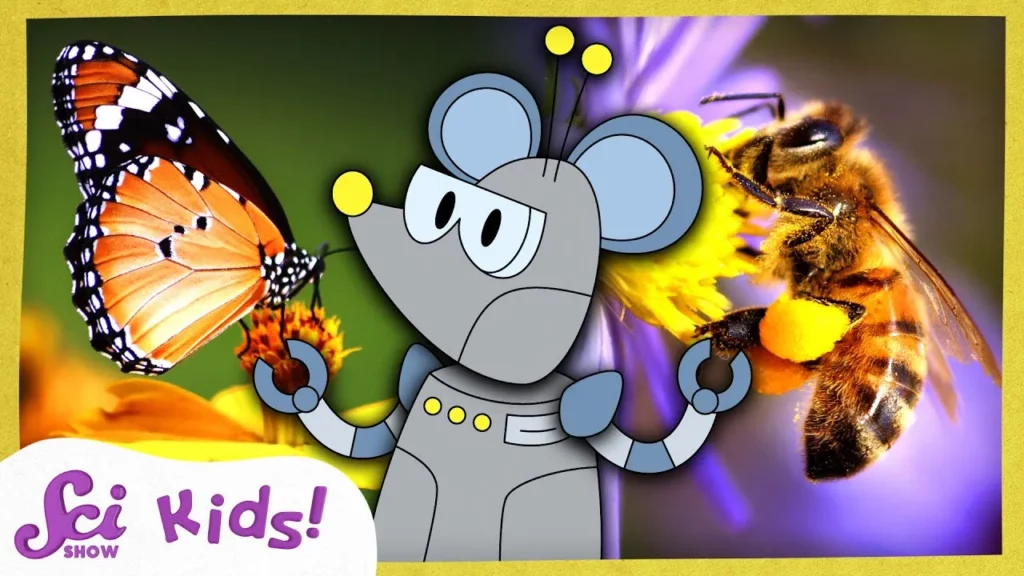
In this lesson, students explore the vital role of pollinators, such as bees, butterflies, and birds, in the process of pollination, which is essential for plant reproduction and the production of fruits and seeds. They learn how different pollinators are adapted to various flowers and discover ways to support these important creatures in their gardens, including planting native plants and building bee houses. The lesson emphasizes the interconnectedness of flowers and pollinators, encouraging appreciation for their contributions to a healthy ecosystem.
The Real Animals of Madagascar
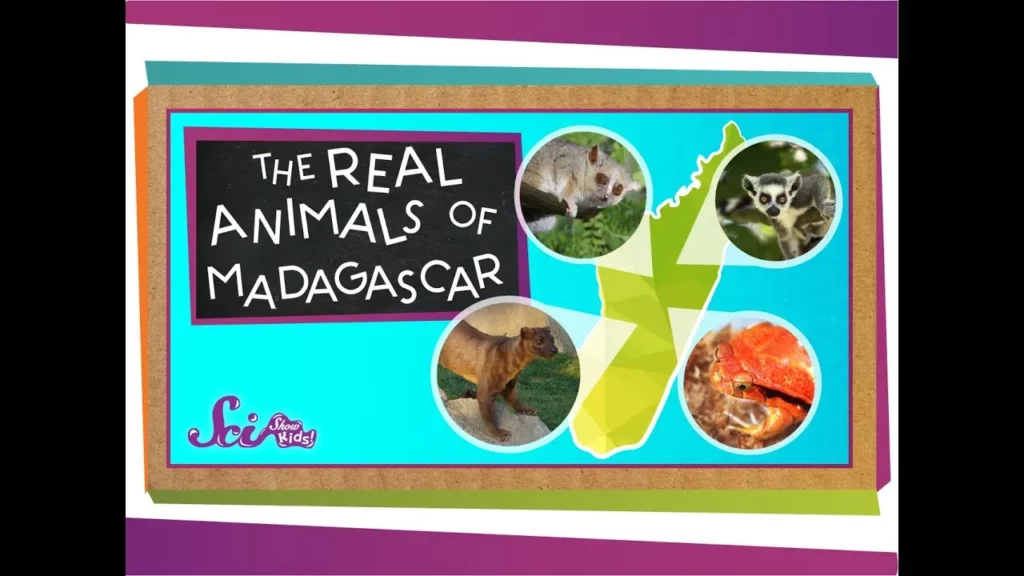
In this lesson, we explore the unique biodiversity of Madagascar, an island renowned for its extraordinary wildlife and plants. Home to fascinating creatures like lemurs, chameleons, and the tomato frog, Madagascar’s isolation has led to the evolution of species found nowhere else on Earth. The lesson highlights the island’s significance as a “hotspot” of life, making it a must-visit destination for nature enthusiasts.
Why Sea Cows Are Awesome

In this lesson, students learn about manatees, gentle marine mammals often referred to as “sea cows,” and their surprising connection to elephants, as they share a common ancestor. The lesson highlights unique characteristics of manatees, such as their continuously growing teeth and their potential influence on mermaid legends. Overall, it emphasizes the fascinating biology and history of these gentle giants of the sea.
Your Most Epic Questions Answered!

In this lesson, Squeaks and the narrator explore several “epic questions” about the world, including why the sky is blue, why fire is hot, where the Earth came from, and why we dream. They explain that the blue color of the sky results from sunlight scattering in the atmosphere, fire’s heat comes from the energy released during combustion, the Earth formed from a cloud of dust and gas, and dreams may help us process memories and emotions. The lesson encourages curiosity and exploration of these fascinating topics.
Weird Animal Teeth
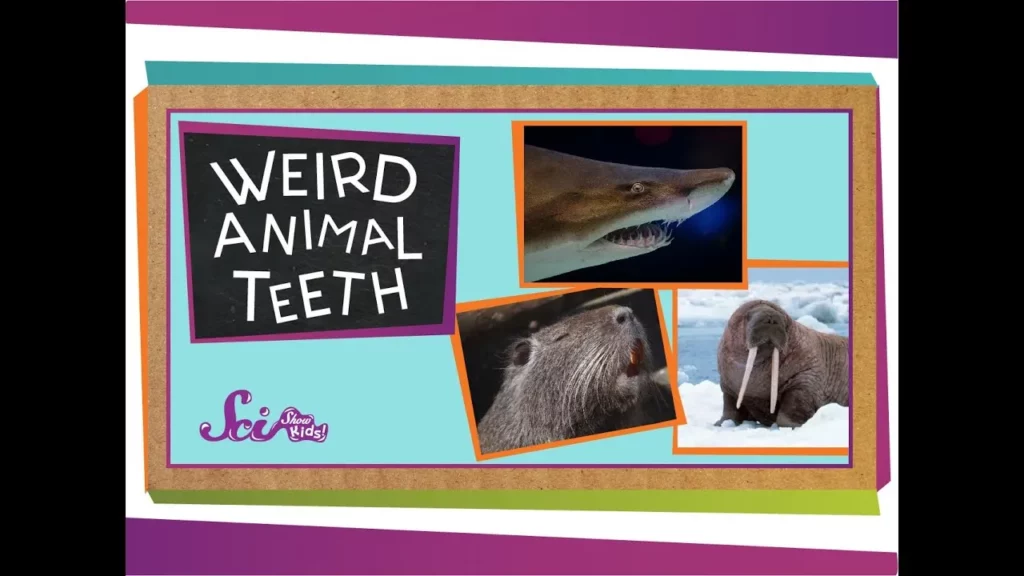
In this lesson, we explored the fascinating world of animal teeth and their unique adaptations for different diets and lifestyles. We learned how humans have various types of teeth for processing a range of foods, while animals like sharks, snakes, walruses, and beavers have specialized teeth that serve specific functions, from hunting and feeding to building and survival. This fun exploration highlights the importance of teeth in the animal kingdom and their role in each species’ ability to thrive.
Explore the Fort!
In the lesson “Mixing Potions: Fun with Science!”, students learn about two types of mixtures: suspensions and solutions. Through hands-on experiments, they discover that suspensions allow ingredients to separate after mixing, while solutions create an even blend that cannot be separated. The lesson encourages curiosity and experimentation with various mixtures, highlighting the fun and magic of science.
Can You Guess the Cold-Weather Animal?
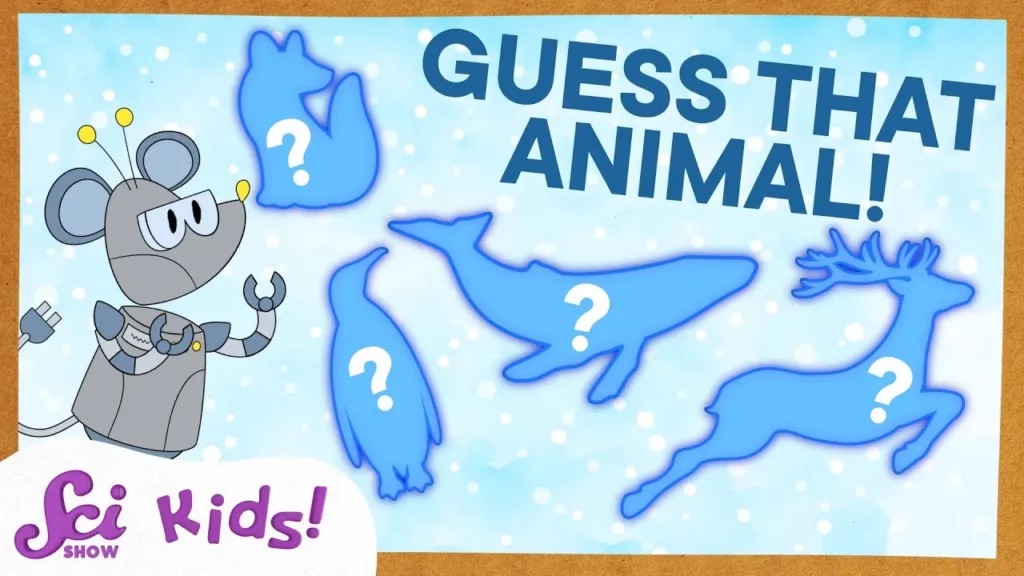
In the lesson “Guess That Animal: A Fun Game for Snowy Days,” participants engage in a guessing game focused on cold-weather animals, using clues to identify various species such as the humpback whale, caribou, emperor penguin, and Arctic fox. The lesson also highlights how these animals adapt to their frigid environments, including their unique physical traits and behaviors that help them stay warm. To conclude, the lesson encourages creativity and learning through play, suggesting that participants can continue the game on their own snowy days.
Whizpops! Manta Ray Music Video

The lesson explores the intriguing life of manta rays, highlighting their adaptation to warm tropical waters and their unique feeding method of filtering plankton through their front-facing mouths. It also emphasizes their graceful movements, ability to camouflage for protection against predators, and the role of their mucus membrane in maintaining health. Manta rays, often referred to as “blanket fish,” embody the mysteries of ocean life with their remarkable behaviors and adaptations.
Squeaks Grows a Garden!
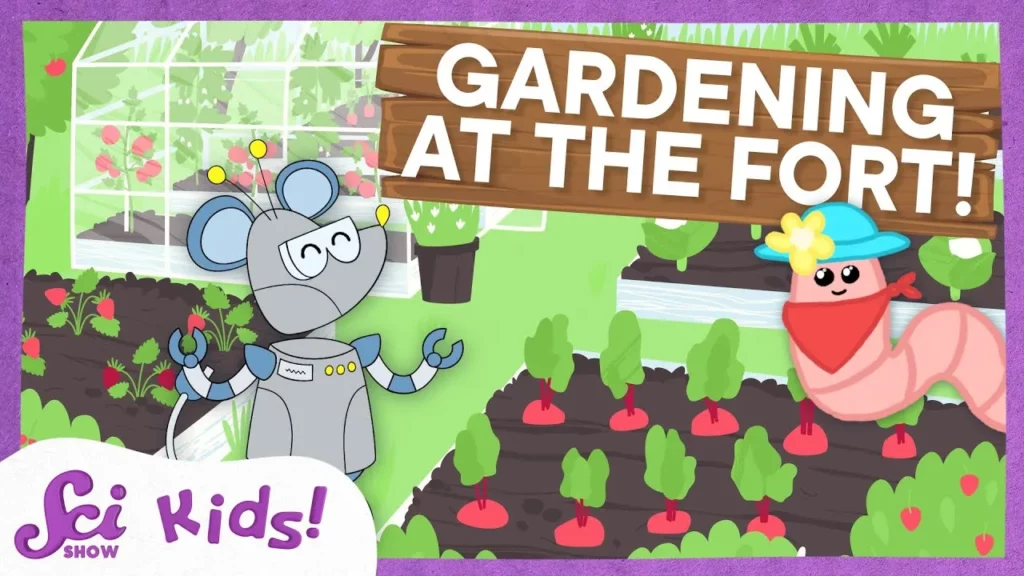
In this lesson, we explore the exciting world of spring gardening, focusing on how to prepare a vegetable garden by selecting the right location, ensuring proper sunlight and soil conditions, and understanding the needs of different plants. With the help of Juniper the Earthworm, we learn about the importance of choosing appropriate seeds, the anatomy of seeds, and alternative growing methods like hydroponics. Ultimately, the lesson emphasizes the joy of nurturing plants from tiny seeds into flourishing vegetables throughout the seasons.
Be a Field Scientist!
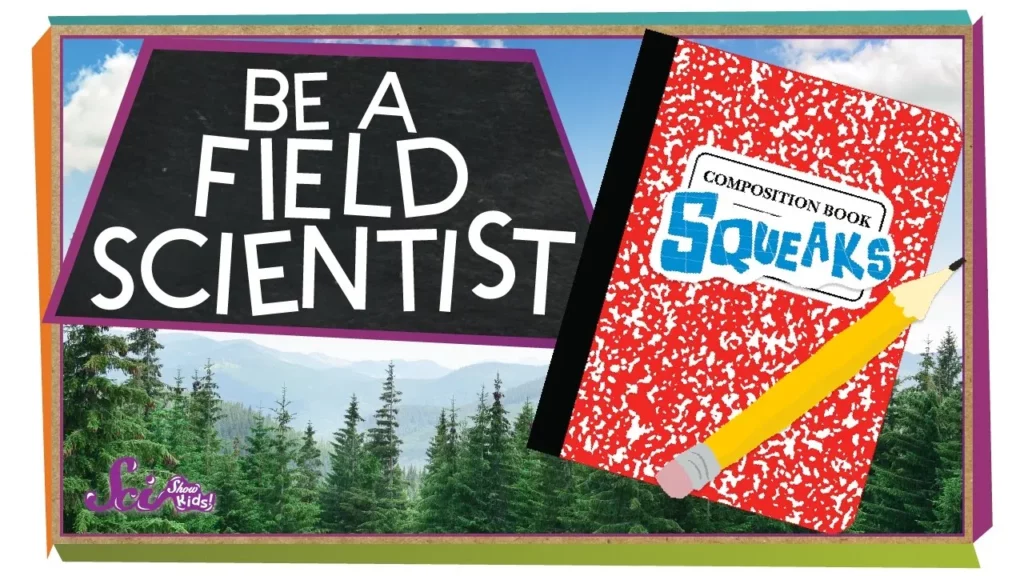
In the lesson “Discovering Nature with a Field Journal,” Squeaks and the narrator share their experience of using a field journal to document their outdoor discoveries, including various birds, plants, and rocks. A field journal serves as a valuable tool for recording observations, thoughts, and questions about nature, allowing anyone to explore and learn about their environment, such as studying flowers or birds. The lesson encourages creativity through drawing and personalizing the journal, while highlighting the importance of tracking changes in nature over time.