
What Is Pumpkin Spice?

In today’s lesson, we explored the delightful world of pumpkin spice with our special guest, Sam the Bat, who brought along pumpkin spice cookies that surprisingly contain no pumpkin. We learned that pumpkin spice is a blend of five key spices—cinnamon, ginger, nutmeg, cloves, and allspice—that enhance the flavor of our favorite foods, and we also distinguished between spices and herbs. This fun adventure highlighted how different plant parts contribute to the unique tastes we enjoy in cooking!
Think Like an Engineer: Let's Design a Solution!
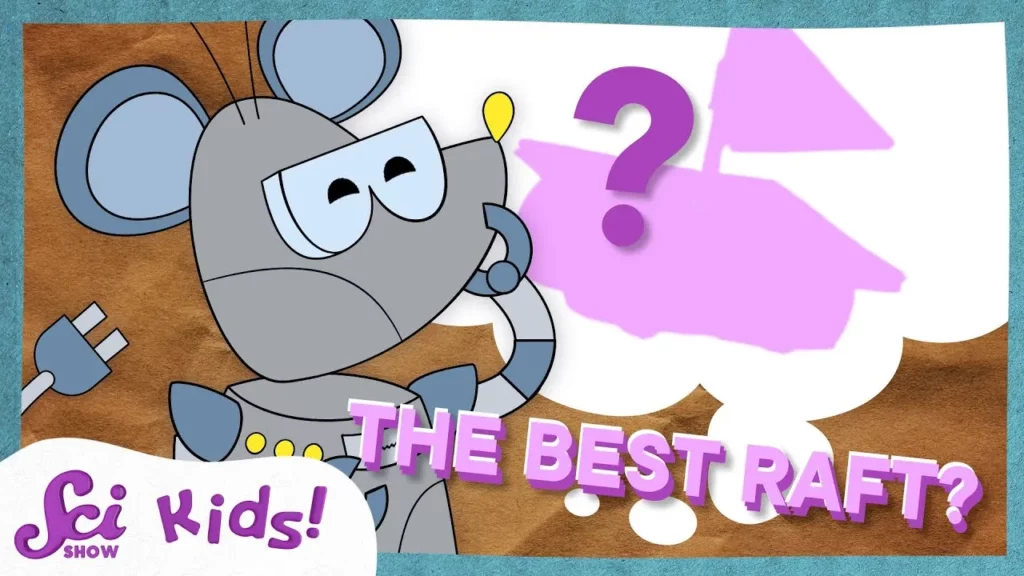
In this lesson, the group at the Fort is tasked with building a raft for Juniper to float on at the lake, as Squeaks has lost his toy boat. They approach the problem like engineers by discussing the necessary features for the raft, testing various materials for buoyancy, and designing their own raft concepts. Ultimately, they will build and test their designs to determine which one best meets the requirements for safety and functionality.
Lichen: Two Living Things In One
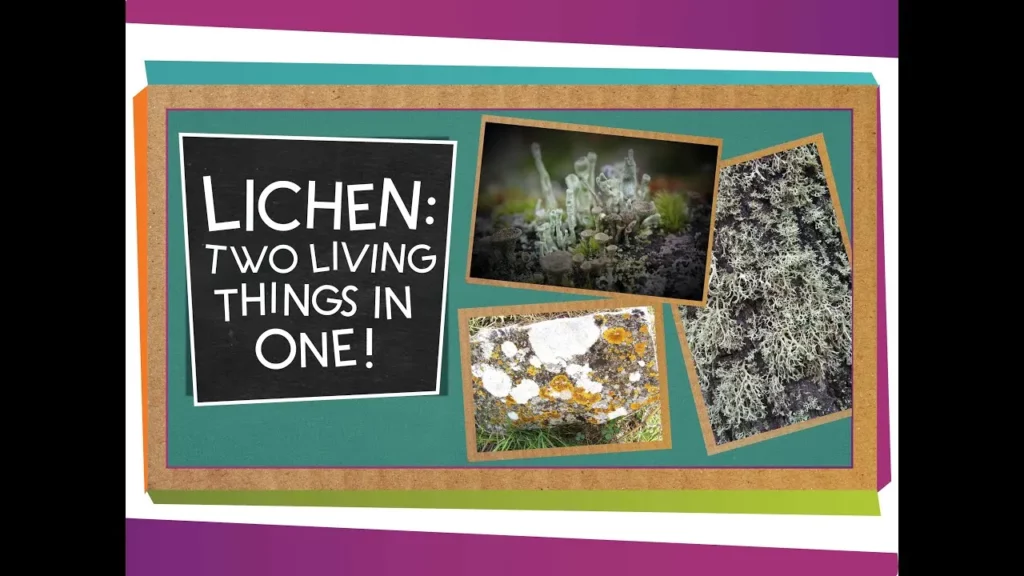
In this lesson, students explore the fascinating world of lichen, a unique organism formed by the symbiotic relationship between a fungus and algae. They learn about the different types of lichen, its vibrant colors, and its ecological importance, including providing habitats for small creatures and indicating clean air quality. The lesson encourages observation of lichen in nature, highlighting its beauty and significance in the environment.
Lunar Eclipses
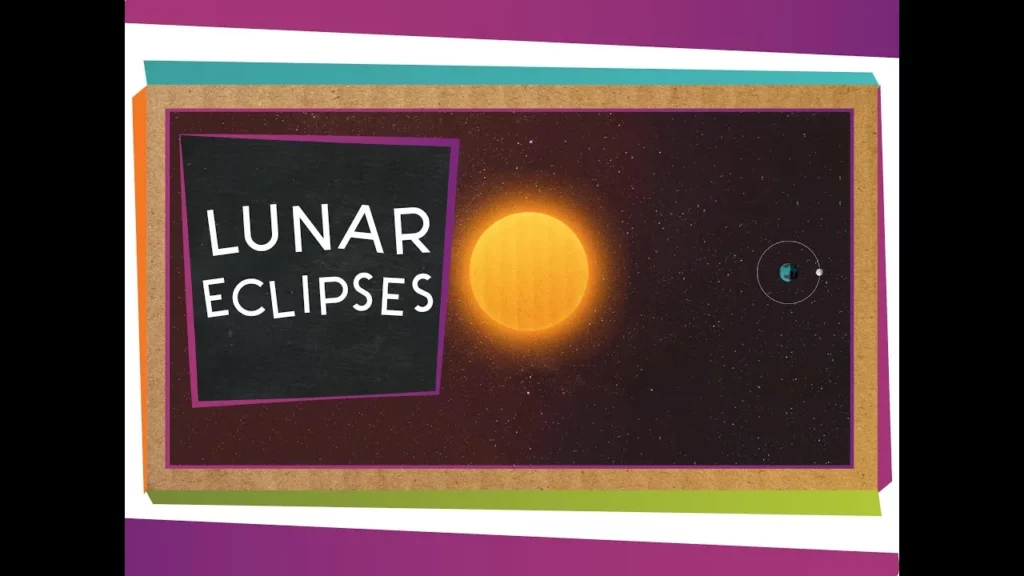
In this lesson, Jessi introduces the fascinating phenomenon of lunar eclipses, explaining that they occur when the Earth blocks sunlight from reaching the moon, casting a shadow that can turn the moon red. She highlights that lunar eclipses are safe to observe and can be seen from specific locations on Earth, typically twice a year. Jessi encourages participants to watch for the upcoming lunar eclipse and share their observations of the moon’s color.
What Is the Sun Made Of?
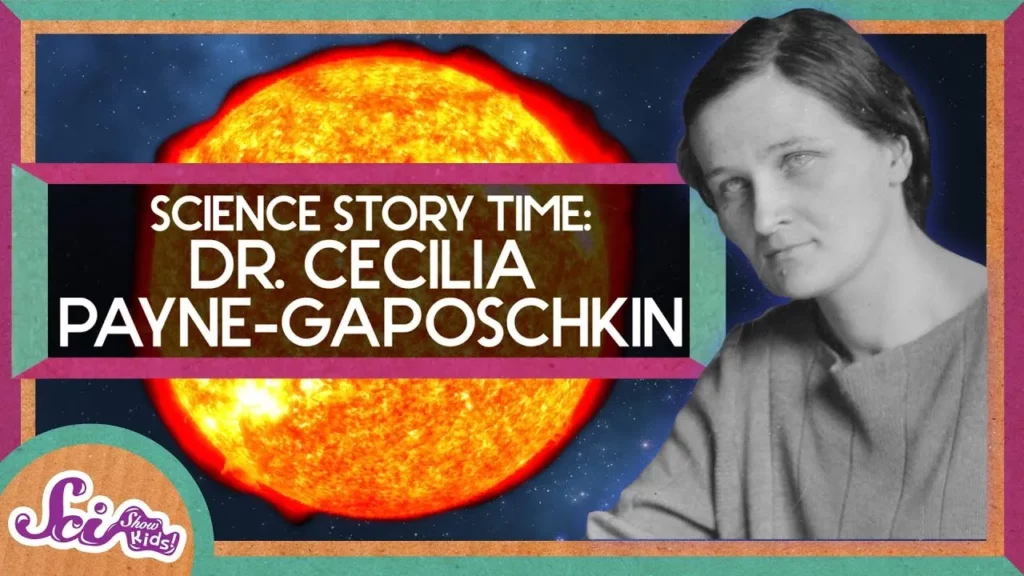
The lesson highlights the remarkable contributions of Dr. Cecilia Payne-Gaposchkin, who revolutionized our understanding of the Sun’s composition in the early 1900s. By using a special telescope to analyze the colors of sunlight, she discovered that stars, including the Sun, are primarily made of hydrogen and helium, rather than iron as previously believed. Despite facing skepticism due to her gender, her groundbreaking work ultimately earned her recognition and a lasting legacy in the field of astronomy.
Respect the Insect!
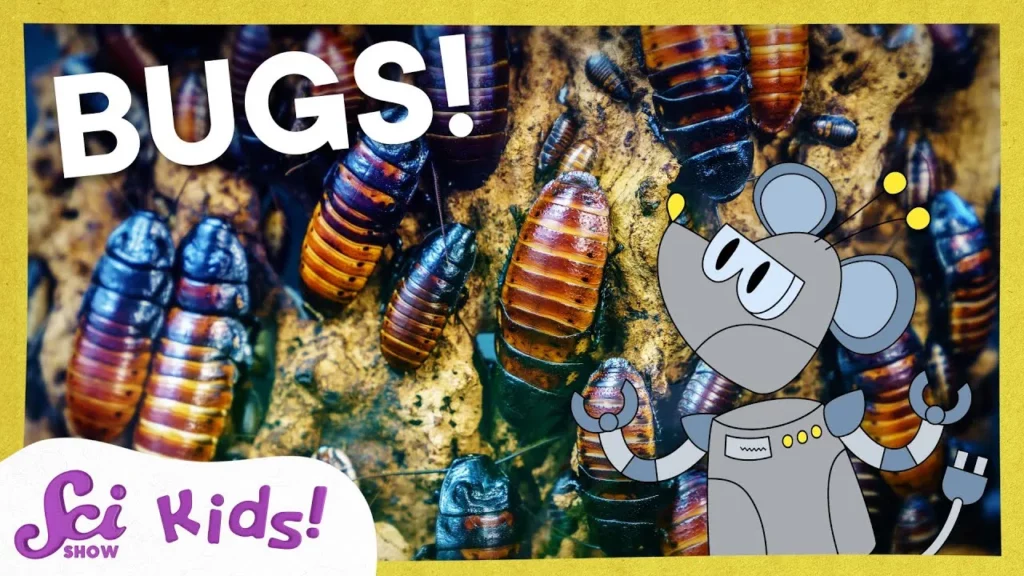
In this lesson, students explore the diverse and fascinating world of insects, learning about their common characteristics such as having an exoskeleton, a three-part body structure, and six legs. The lesson highlights various intriguing insects, their unique adaptations for survival, and interesting facts about their behaviors, such as how they climb walls and why mosquito bites itch. Overall, it encourages curiosity and appreciation for the incredible variety of insects found in nature.
Think Like an Engineer: Solving Problems from Start to Finish
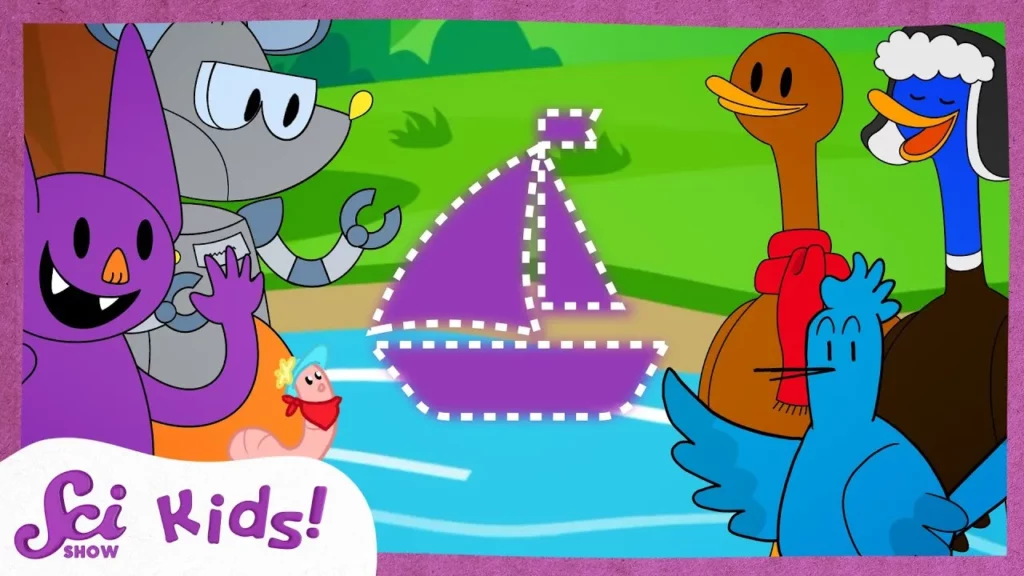
In this lesson, a group of friends prepares for a summer vacation at the lake but faces a challenge when Squeaks’ toy boat goes missing, preventing Juniper from enjoying the water. To solve the problem, they think like engineers, gathering ideas and materials to design and test various raft prototypes. Ultimately, they create a successful raft for Juniper, only to discover that Squeaks’ boat has been returned just as they finish, highlighting the importance of teamwork and creative problem-solving.
Why Don't Animals Need Sunscreen?

In this lesson, we explore how various animals protect themselves from the sun using natural adaptations. Birds have feathers, mammals have fur, and reptiles have scales, all serving as shields against harmful rays. Additionally, some animals, like pigs and elephants, use mud for sun protection, while others, such as alligators, produce a natural sunscreen called gadusol, which humans do not, likely due to our evolutionary history.
Let's Explore Caves!
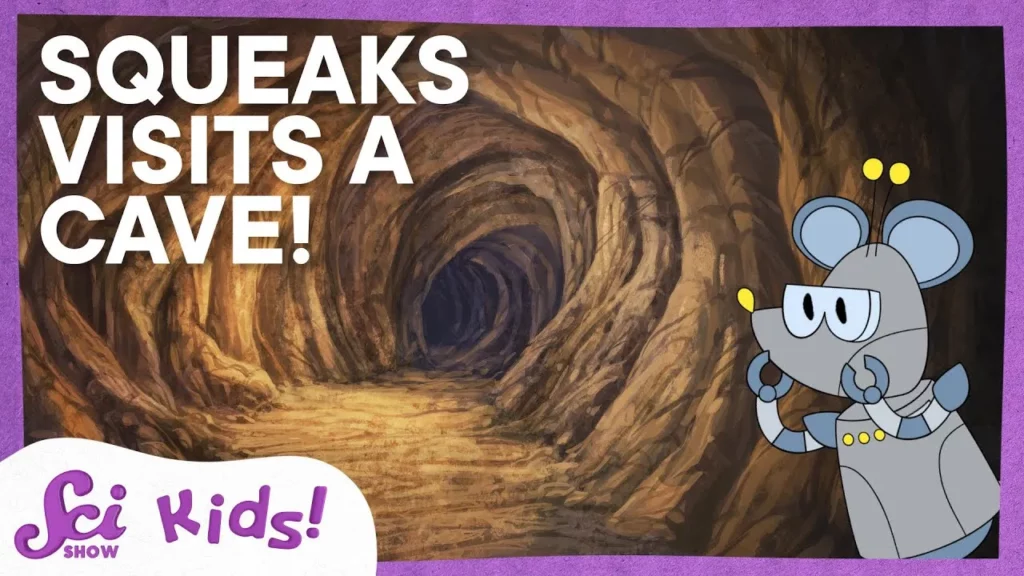
In this lesson, we explored the fascinating world of caves, learning about their formation, the unique animals that inhabit them, and the intriguing rock formations known as stalactites and stalagmites. Through an engaging experiment, we discovered how water can erode rocks, mirroring the natural processes that create these underground wonders. Caves serve as vital habitats and showcase the remarkable power of nature, inviting us to continue our exploration and understanding of these mysterious environments.
Cicadas: The Loudest Bugs in the World!
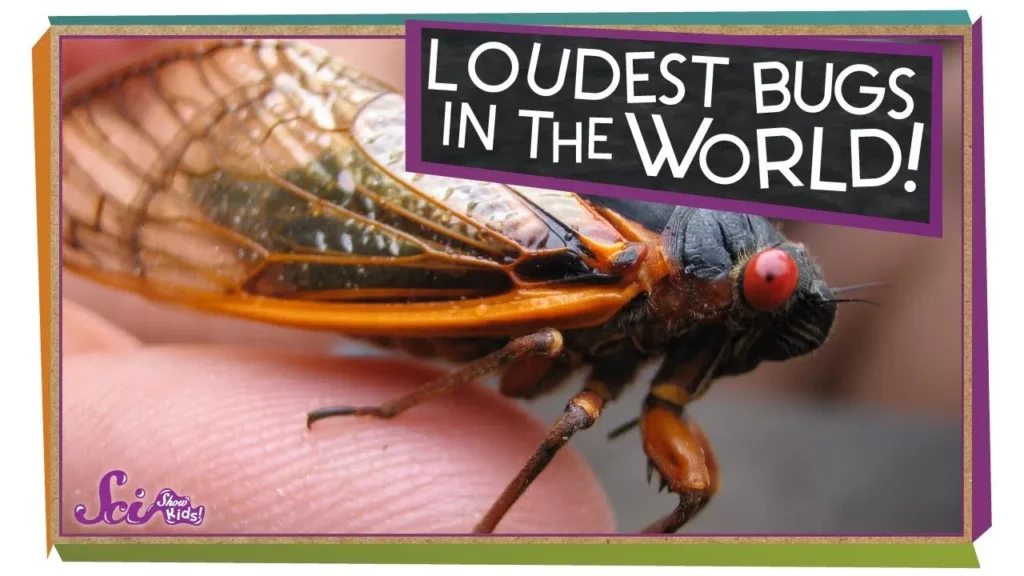
In this lesson, students learn about cicadas, small insects known for their loud summer calls, which can be mistaken for larger animals. The lesson covers cicadas’ life cycle, their unique sound-making mechanism using tymbals, and their camouflage features. By the end, students are encouraged to listen for cicadas in their environment and share their experiences.