
How Does A Seed Become A Plant?
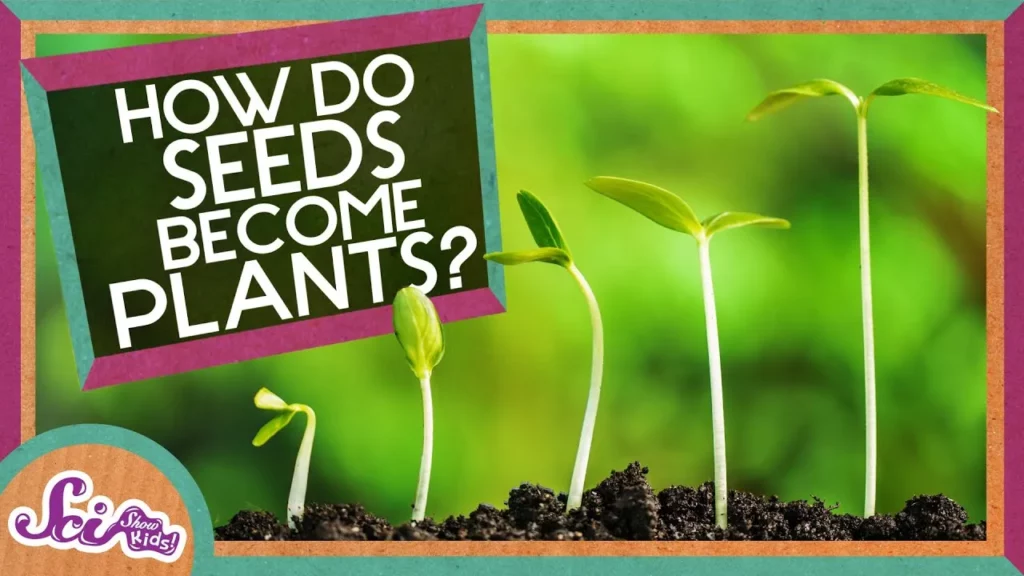
In this lesson, we explored the fascinating process of how seeds grow into plants, starting from their basic structure, which includes the seed coat, embryo, and endosperm. We learned that seeds remain dormant until they receive the right conditions—water, temperature, and light—triggering germination, where the embryo grows into a plant by first developing roots and then shoots that reach for sunlight. Ultimately, this process transforms tiny seeds into mature plants capable of producing new seeds.
Mysterious Trilobites!
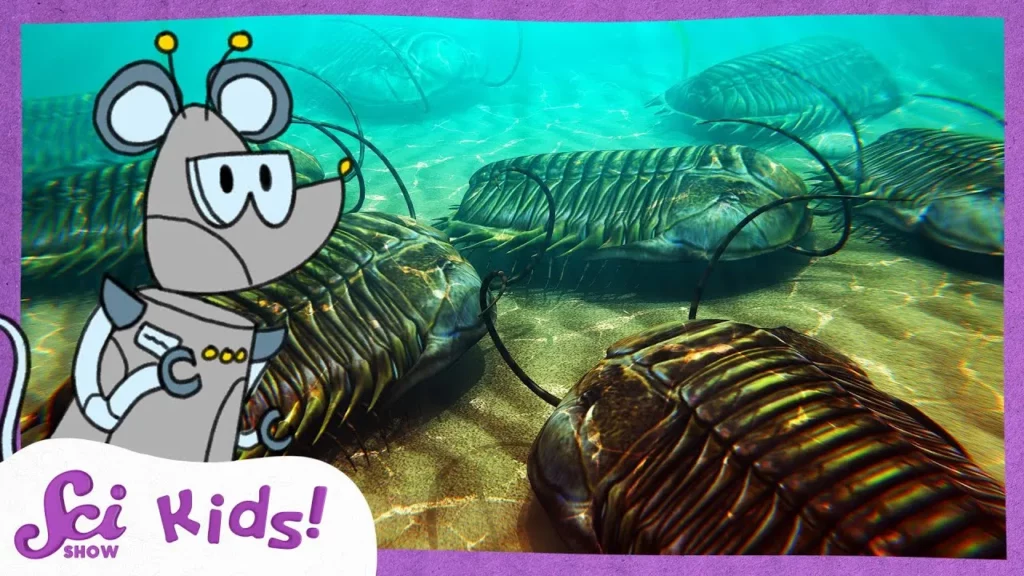
In today’s lesson, Squeaks and the presenter embark on an imaginative journey to explore ancient creatures, particularly focusing on trilobites and their connection to modern animals like birds and arthropods. Through the use of fossils, they learn how these ancient beings lived millions of years ago and how Earth’s environment has changed over time. The lesson emphasizes the importance of imagination and scientific inquiry in understanding the past and encourages exploration of the natural world.
Make an Eclipse Viewer!
In this lesson, students learn about the upcoming solar eclipse and the importance of watching it safely. They discover that looking directly at the sun can harm their eyes and are introduced to safe viewing methods, including using special eclipse glasses and making a pinhole viewer with simple materials. The lesson concludes by encouraging students to enjoy the eclipse while using their homemade viewer to safely observe the event.
Why Do We Get Nosebleeds?
In the lesson “Understanding Nosebleeds: A Fun Learning Adventure,” Squeaks and the narrator explore the causes and management of nosebleeds after one occurs during their outdoor play. They learn that nosebleeds are common and often result from dry air or minor injuries to the blood vessels in the nostrils, and they discuss effective ways to stop a nosebleed, such as staying calm, leaning forward, and pinching the nose. By the end of their adventure, Squeaks feels reassured and understands that nosebleeds are normal and manageable.
Turtle Travel Tips: How Magnets Can Help Us Navigate
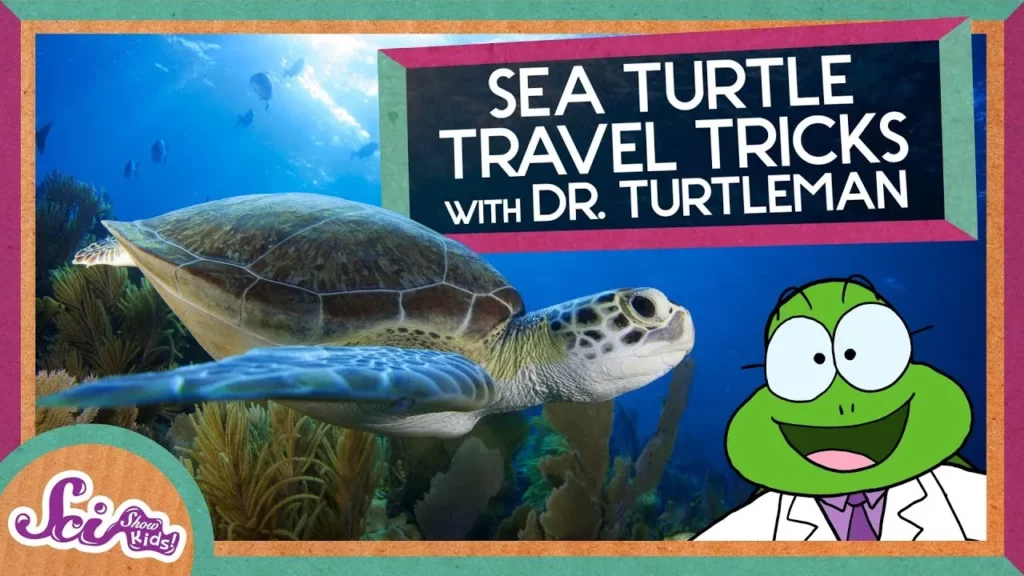
In this lesson, Jessi and her friend Squeaks prepare for a hike in the woods to see a waterfall, while addressing Squeaks’ concerns about getting lost. They learn about the importance of using a compass for navigation and discover how sea turtles, like Dr. Turtleman, use magnetoreception to find their way. With newfound confidence and knowledge, Jessi and Squeaks embark on their adventure, emphasizing the value of having a sense of direction in any exploration.
Why Do Leaves Change Colors in the Fall?
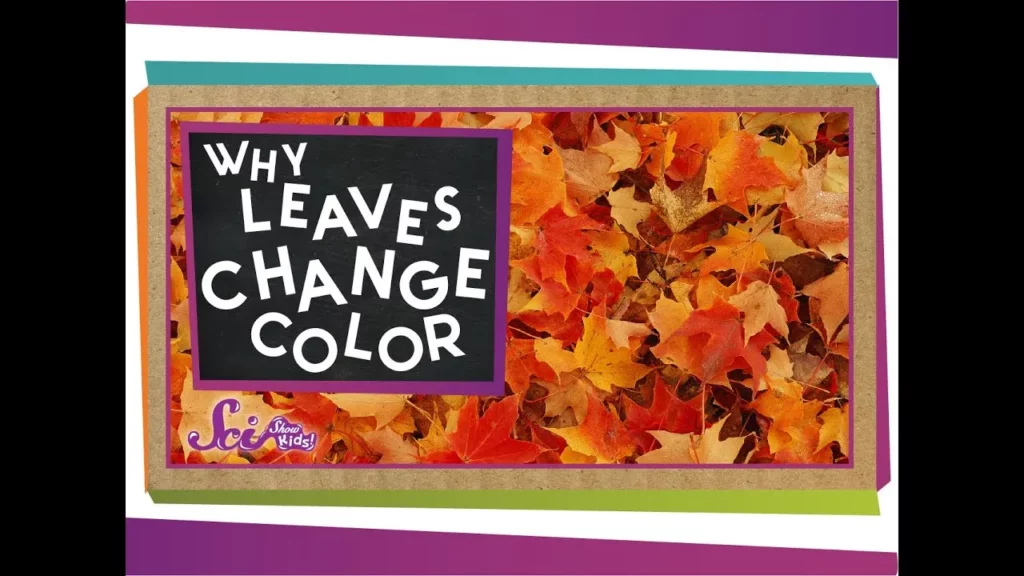
In the lesson “Discovering the Magic of Autumn Leaves,” students learn about the reasons behind the vibrant color changes in leaves during autumn. As chlorophyll fades due to shorter days and cooler weather, hidden pigments reveal beautiful shades of red, orange, and yellow. The lesson also explains why leaves eventually fall from trees, highlighting the cyclical nature of tree growth and energy conservation.
The Ancient Animal With a Boomerang Head!
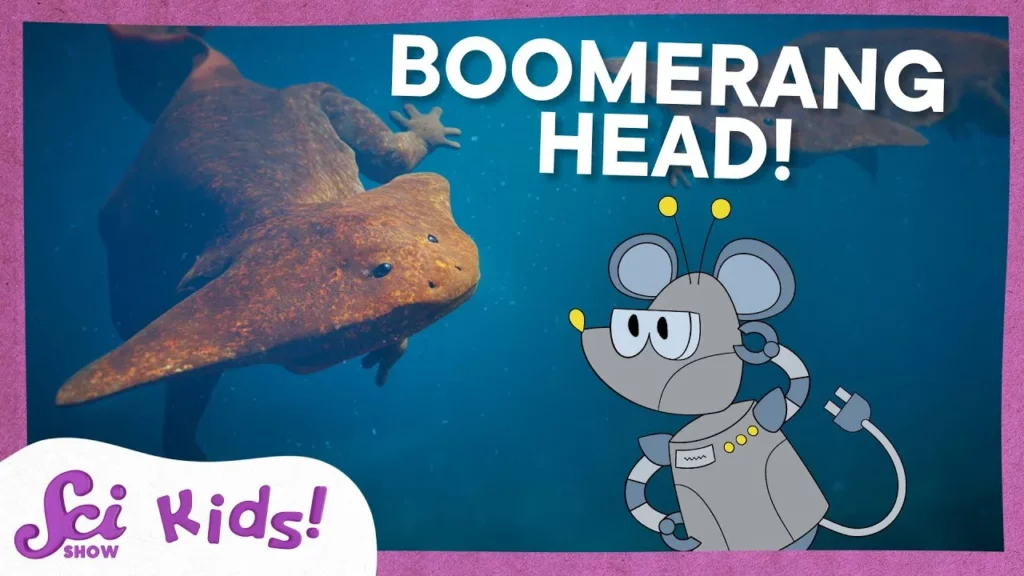
In today’s lesson, we explored the fascinating connection between boomerangs and the ancient amphibian Diplocaulus. We learned that while boomerangs are fun toys from Australia that return when thrown correctly, Diplocaulus, which lived over 250 million years ago, had a unique boomerang-shaped head that may have aided its swimming abilities. Through the study of fossils, scientists have uncovered insights into the life of this mysterious creature and its adaptations for survival in aquatic environments.
What is the fall equinox?
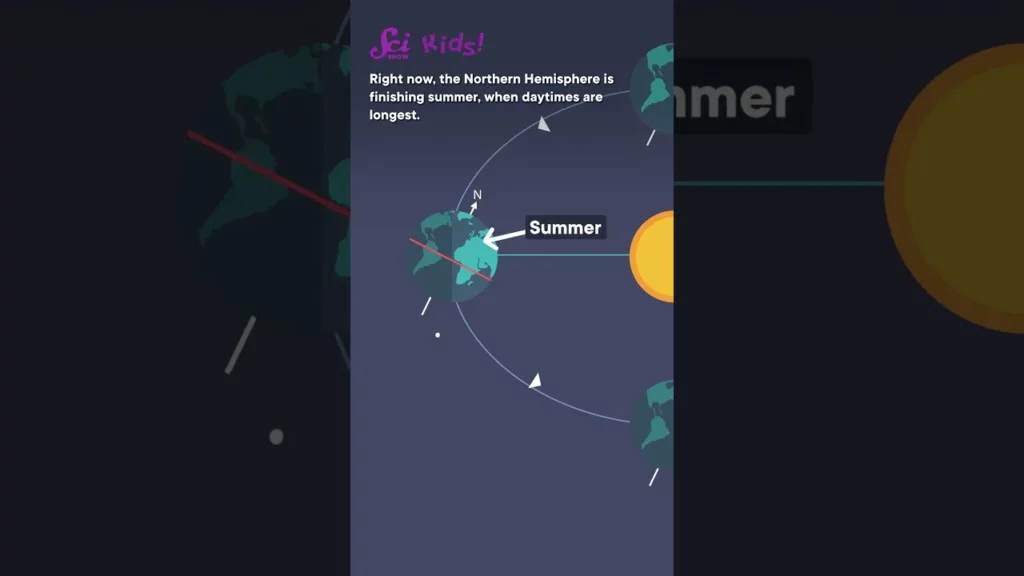
The lesson on the Fall Equinox explains how the Earth’s tilt and orbit around the Sun determine the changing seasons, specifically marking the transition into fall. On September 23rd, the Fall Equinox occurs, resulting in equal day and night lengths worldwide, signaling the start of longer nights. The lesson also highlights how different groups, such as astronomers, may appreciate the longer nights, while others can look forward to the return of longer days in the spring.
How Do Koalas Stay Cool?
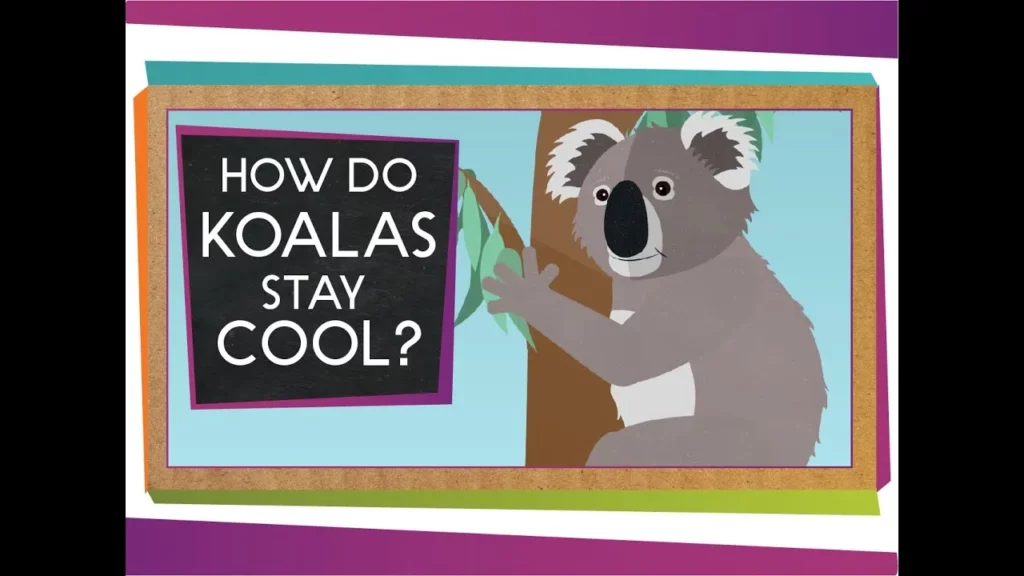
In this lesson, Jessi from SciShow Kids explores how various animals, including humans, dogs, and koalas, stay cool in hot weather. While humans cool down by sweating, dogs rely on panting and licking their noses, and koalas have a unique method of hugging trees to regulate their temperature without losing precious water. This highlights the clever adaptations animals have developed to cope with heat in their environments.
Make Your Own Ice Cream!

In this lesson, Squeaks and the narrator demonstrate how to make ice cream using simple ingredients and a fun scientific process. By combining cream, sugar, and vanilla in a small bag and surrounding it with ice and salt in a larger bag, the salt lowers the freezing point of the ice, allowing the mixture to freeze into ice cream through shaking. This engaging activity not only satisfies a sweet craving but also teaches the science behind freezing and heat absorption.