
What On Earth is a Platypus?
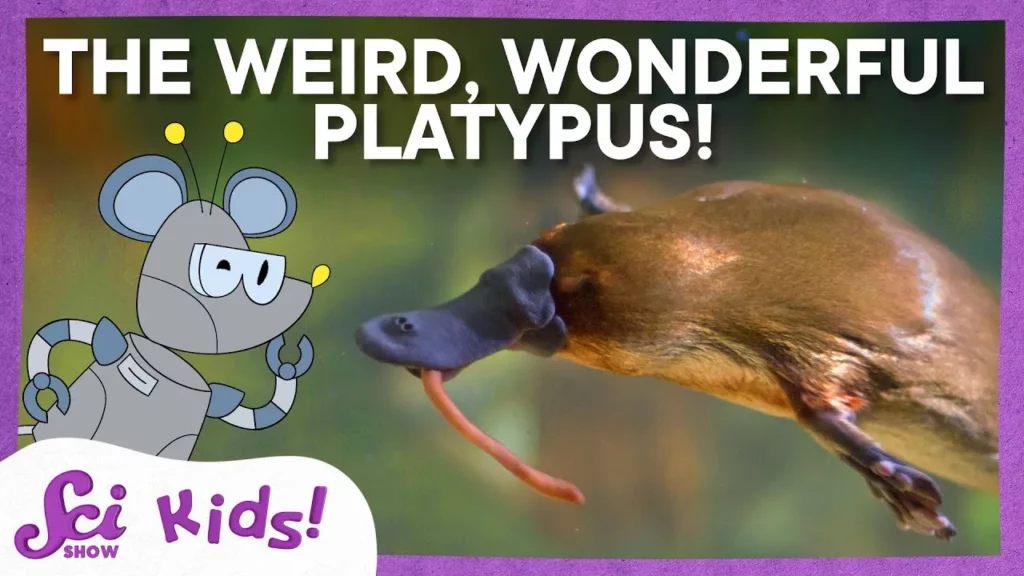
The lesson introduces the platypus, a unique animal that combines features of various creatures, such as a duck’s beak and a beaver’s body, while also laying eggs like a bird. It highlights the platypus’s classification as a mammal, its habitat in Australia, and its specialized feeding techniques, emphasizing its distinct characteristics and the surprise it caused among scientists upon its discovery. The lesson concludes by celebrating the diversity of life and encouraging further exploration of fascinating animals.
What Makes Something "Alive"?
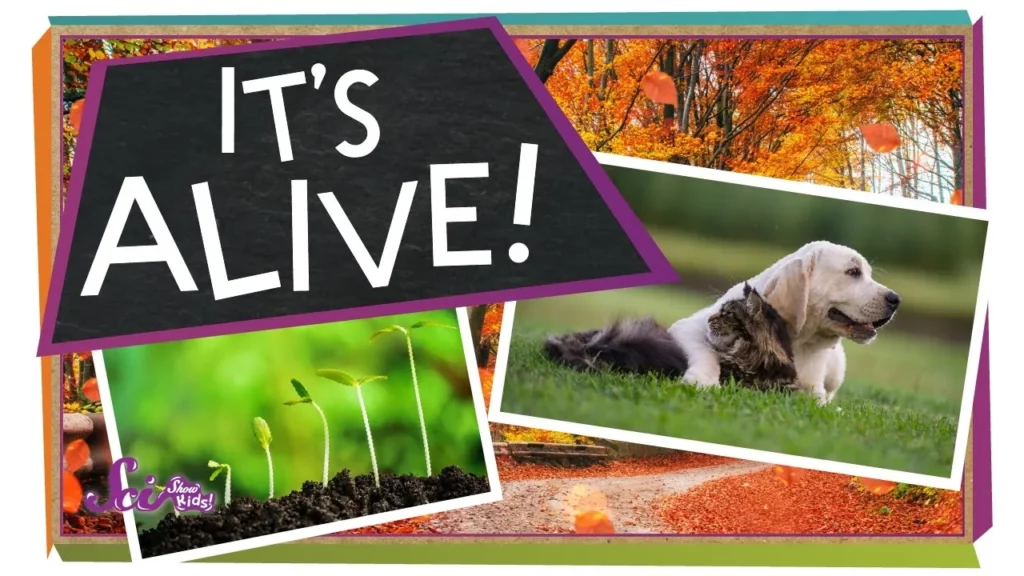
In this lesson, students learn about the characteristics that define living things, guided by four key rules established by biologists: living things need energy, grow and change, reproduce, and respond to their environment. The lesson also clarifies common misconceptions, such as the idea that movement is a sign of life, and encourages students to apply their knowledge by exploring their surroundings to identify living and non-living things.
Can Ketchup Clean a Penny?
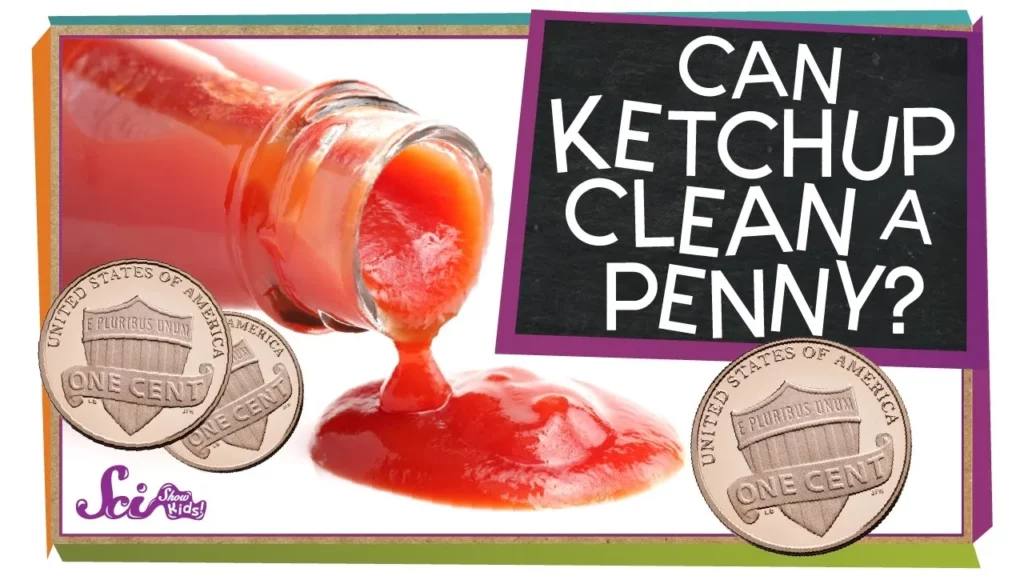
In this lesson, Squeaks and a friend conduct an experiment to clean dull pennies using various household substances, including dish soap, brown cola, vinegar with salt, lemon juice, and ketchup. They discover that acidic solutions are most effective at removing the copper oxide coating on the pennies, with vinegar and salt yielding the shiniest results. The lesson encourages participants to try the experiment at home with different liquids to see which cleans best.
Fun with Magnets! – https://www.youtube.com/watch?v=s236Q1nuWXg – s236Q1nuWXgLeave Poison Ivy Alone!
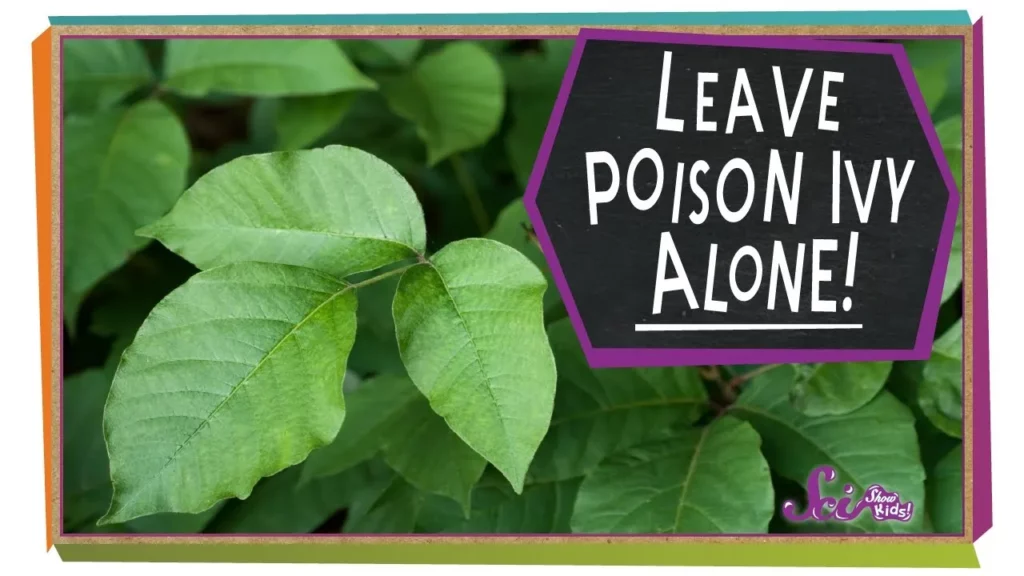
In the lesson “Spring Adventures and the Sneaky Poison Ivy,” Squeaks and the narrator explore the joys of spring while highlighting the importance of being cautious around poison ivy, a plant that can cause itchy rashes for those who are allergic to it. The lesson emphasizes recognizing poison ivy by its characteristic leaves of three and provides tips for avoiding contact, as well as advice on how to treat a rash if exposure occurs. Overall, it encourages outdoor enjoyment while promoting safety awareness regarding this common plant.
Sea Monsters Of The Past
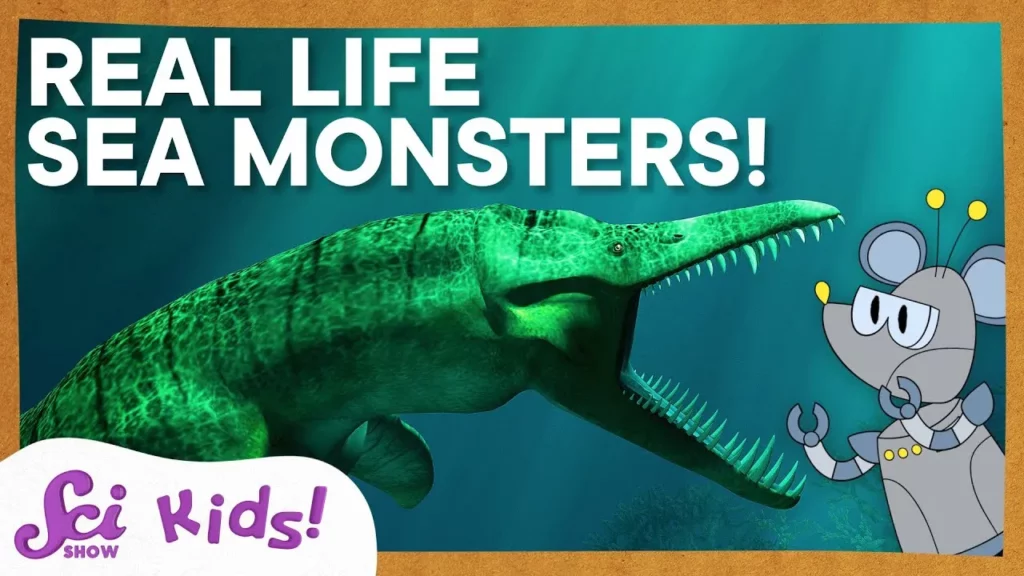
In this lesson, students are encouraged to design their own sea monster by drawing inspiration from ancient ocean creatures. Squeaks, the character in the lesson, explores features from various prehistoric animals, such as the long neck of the plesiosaur, the powerful tail of the mosasaur, the armored head of the Dunkleosteus, and the ferocious teeth of the Megalodon, to create a unique and imaginative sea monster. The lesson emphasizes creativity and exploration of the fascinating traits of these ancient beings.
What Was the Big Bang and Other Space Questions Answered!
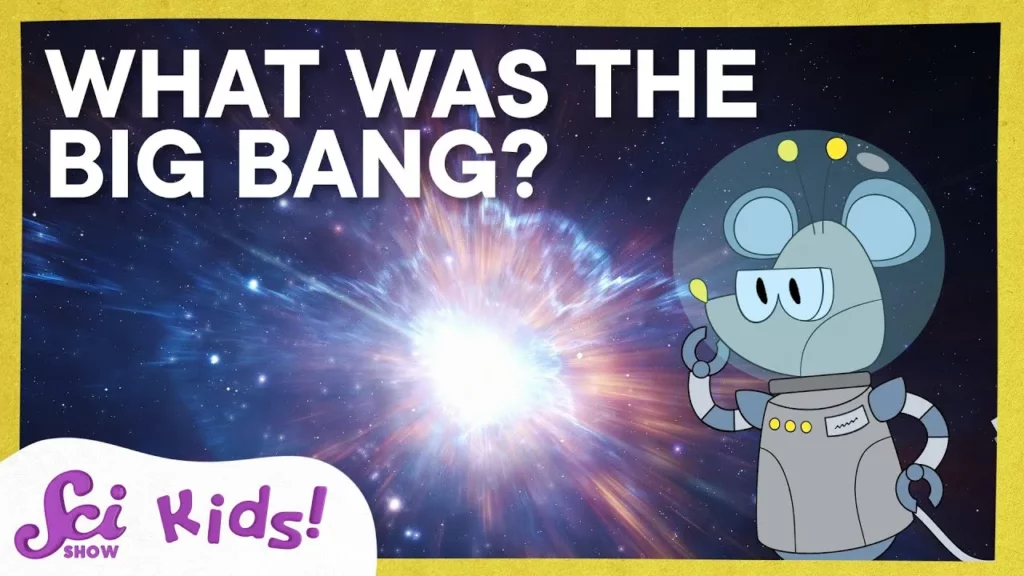
In this lesson, Jessi and Sam explore various questions about space, helping young learners understand complex concepts in a fun and engaging way. They explain how astronomers use math to measure distances to stars, the Big Bang theory regarding the universe’s creation, and the unique characteristics of Venus’s atmosphere. Through interactive examples and relatable explanations, the lesson encourages curiosity and further exploration of the universe.
The World’s Biggest Hailstone
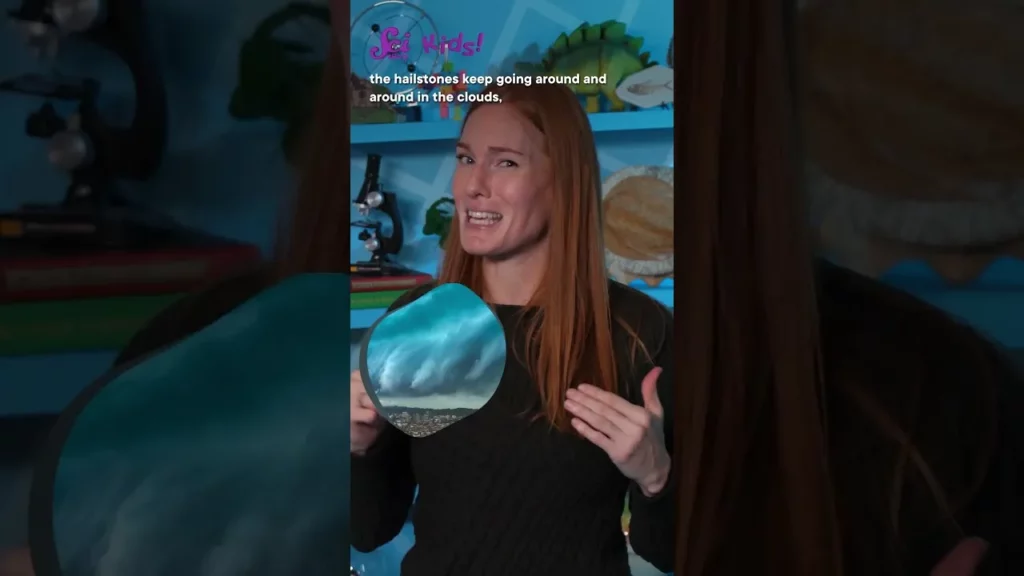
This lesson explores the fascinating phenomenon of hailstones, which are large chunks of ice that form during powerful thunderstorms. Hailstones develop when raindrops are pushed upward by strong winds into colder parts of the clouds, freezing and growing larger as they are lifted and collected by the winds. The lesson highlights the record-breaking hailstone found in South Dakota in 2010, emphasizing the potential for even larger hailstones to form in future storms.
Woolly Mammoths, Mastodons, and Amazing Teeth!
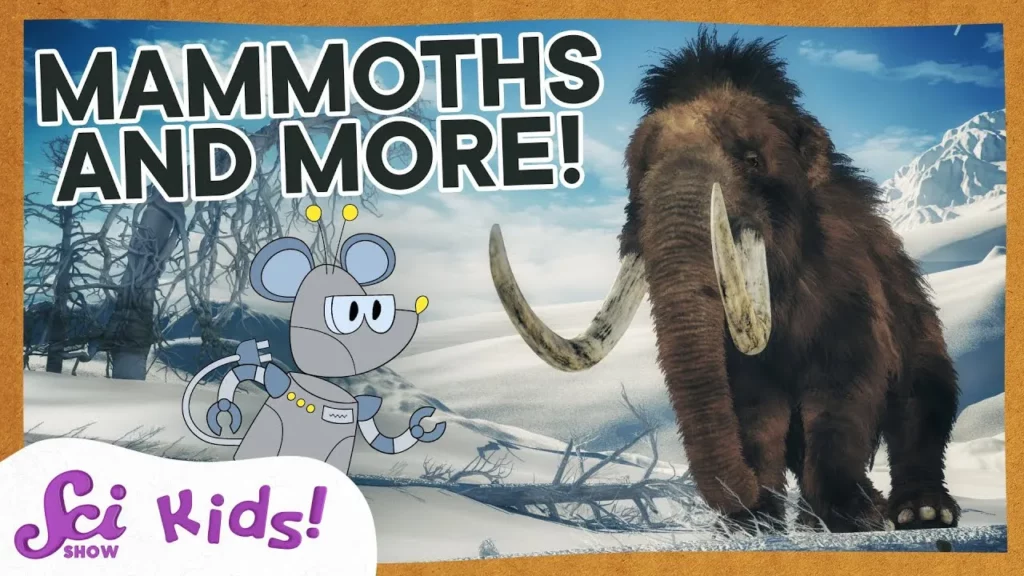
In today’s lesson, we explored the fascinating world of ancient giants, focusing on proboscideans like elephants and their extinct relatives, including mammoths and mastodons. We learned about their unique features, such as tusks and teeth, which provide insights into their diets and habitats, as well as the differences between these remarkable creatures. By studying these ancient animals, we gain a better understanding of both their lives and the evolution of modern elephants.
What Are Owl Pellets?
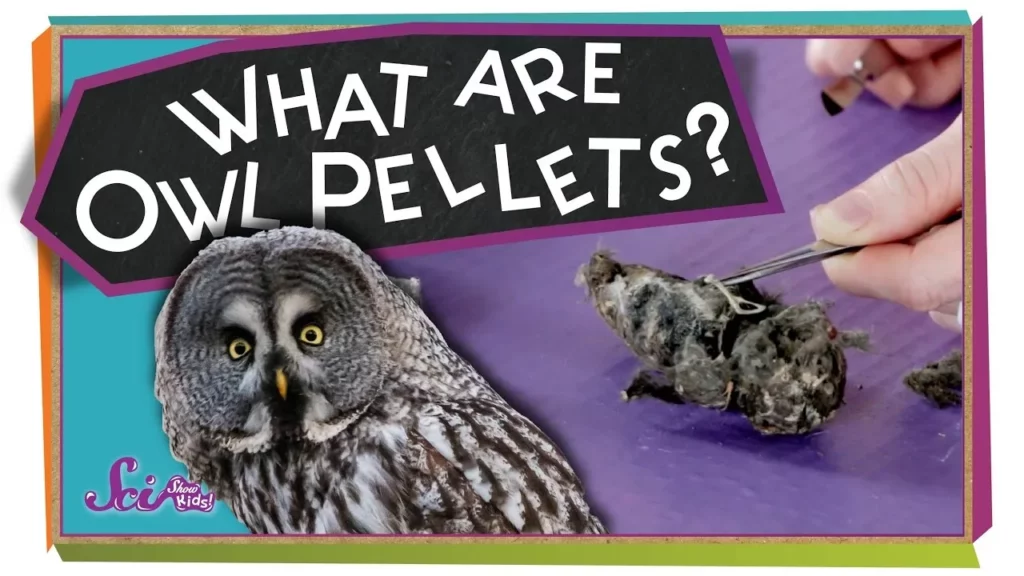
In the lesson “Discovering the Diet of Owls,” Squeaks and the narrator explore the fascinating eating habits of owls, which include swallowing small animals whole and using their gizzard to process indigestible parts into pellets. By dissecting owl pellets, they uncover the remains of various prey, such as rodents and shrews, providing insight into the owl’s diet and encouraging curiosity about nature and science.
Meet the True Bugs
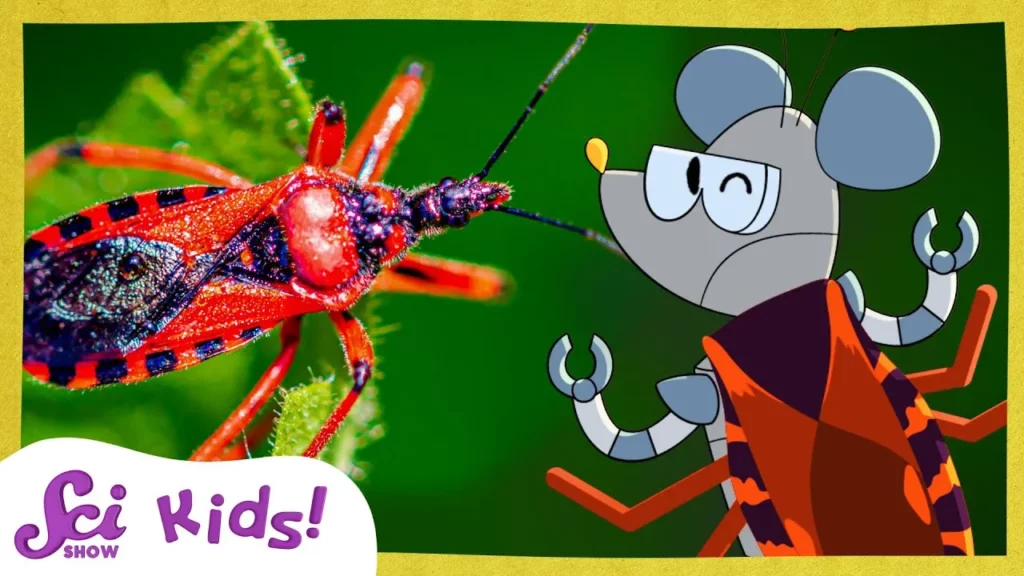
In this lesson, we explored the fascinating world of ladybugs and true bugs, highlighting the differences between them. While ladybugs are beneficial beetles that help control garden pests, true bugs are a specific group of insects characterized by their unique mouthparts and life cycle. We also learned about the important roles various bugs play in nature, emphasizing that not all bugs are harmful, and some, like cochineal bugs, contribute positively to their ecosystems.