
What is Sound?
In the lesson “Discovering the World of Sound,” students learn that sound is created by vibrations and travels through air as waves. The lesson explains how different sounds are categorized, how they are produced, and how our ears detect these vibrations, allowing us to hear. Through a hands-on activity with a rubber band and a can, students can observe sound production and the relationship between vibration and sound intensity.
What is an Engineer?
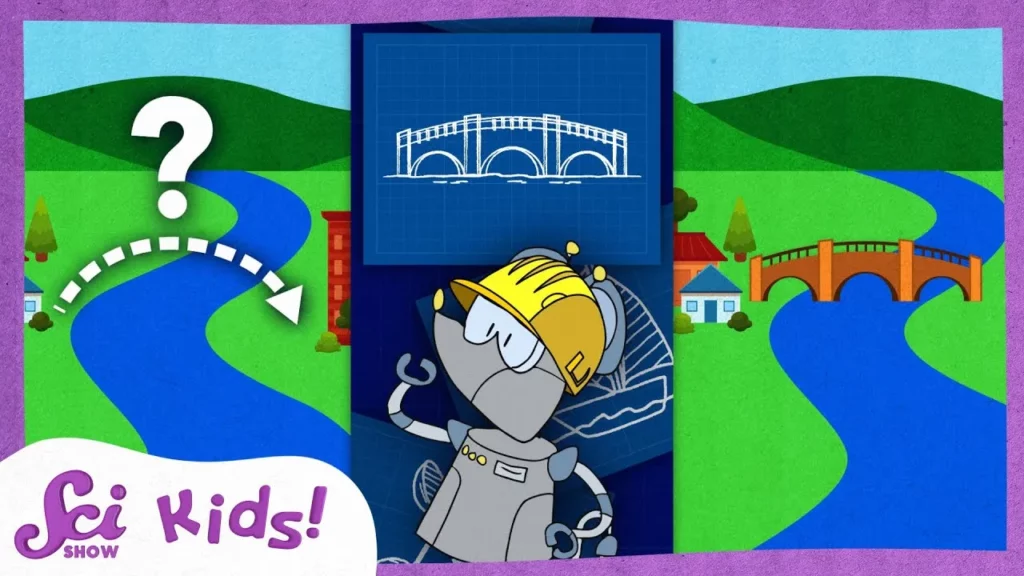
In this lesson, we explore how to think like an engineer by helping Squeaks decide how to spend his afternoon. We learn that engineers identify problems and create solutions, using Squeaks’ dilemma as a practical example. By brainstorming ideas and creating a spinner to choose an activity, we demonstrate the engineering process in a fun and engaging way, ultimately discovering that the journey of learning can be just as enjoyable as the planned activities.
How to Make a Rainbow
In this lesson, students learn how to create their own rainbow at home using simple materials like a glass of water, white paper, and sunlight. By understanding the concept of refraction, they discover that sunlight can be separated into its component colors when it passes through water, just like in nature after a rainstorm. The lesson encourages exploration and curiosity about rainbows, both indoors and outdoors.
The Lightning Capital of the World
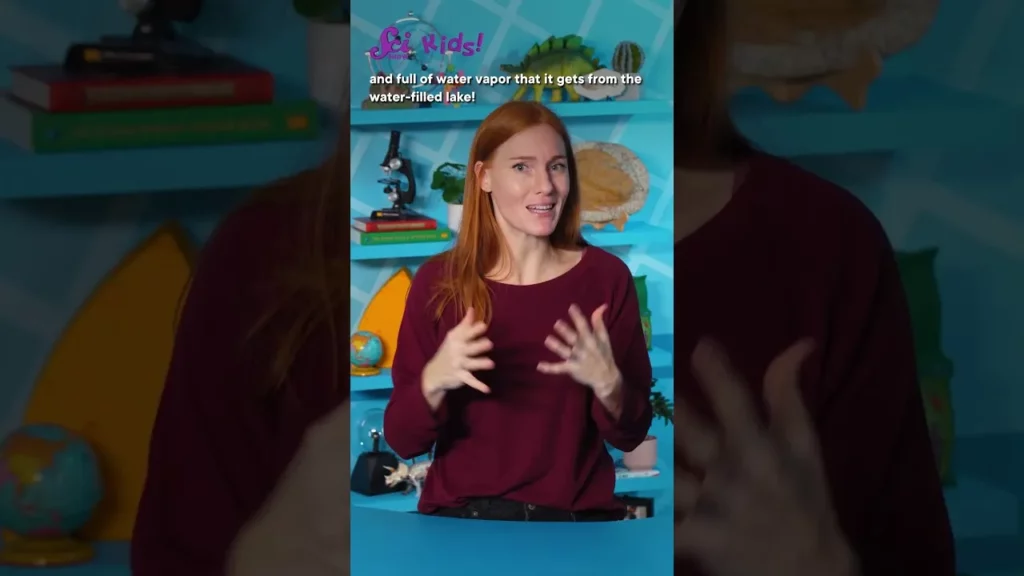
The lesson introduces Lake Maracaibo in Venezuela, known as the lightning capital of the world, where residents experience around 300 thunderstorms annually due to unique weather conditions. The warm, moisture-rich air from the lake interacts with cold air from the Andes Mountains, creating ideal conditions for thunderstorms and resulting in over 65 lightning flashes per day. This makes Lake Maracaibo a fascinating destination for those interested in thunderstorms and natural phenomena.
Platybelodon: Elephants’ Ancient Cousin
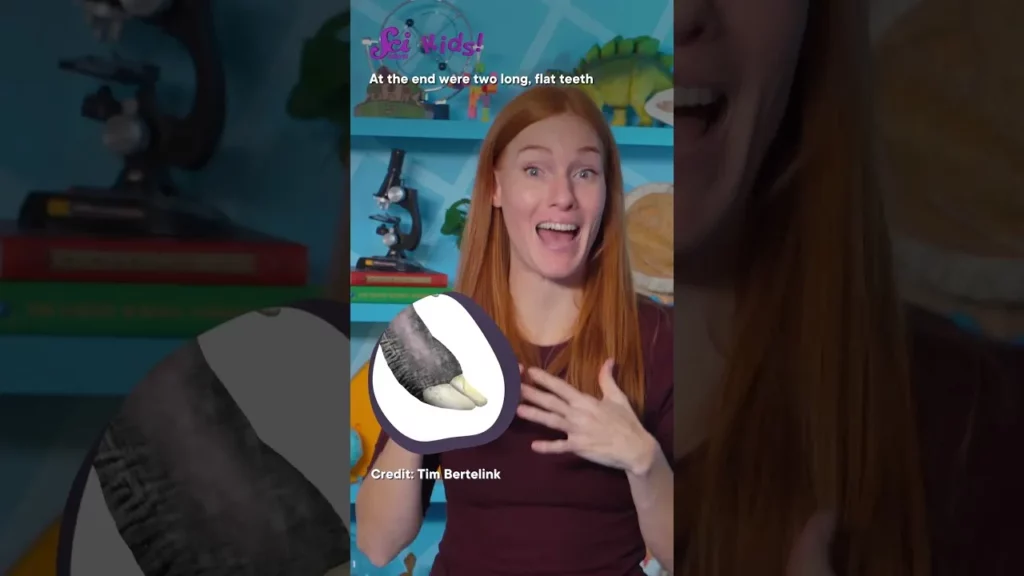
The lesson introduces the ancient creature Plat Belladon, a relative of modern elephants known for its unique shovel-like mouth, which featured a long lower jaw and flat teeth. Initially thought to scoop aquatic plants, further fossil studies revealed that Plat Belladon primarily consumed strong terrestrial vegetation. This highlights the importance of fossil research in uncovering the dietary habits and characteristics of extinct species.
The Wonderful World of Insect Mouths
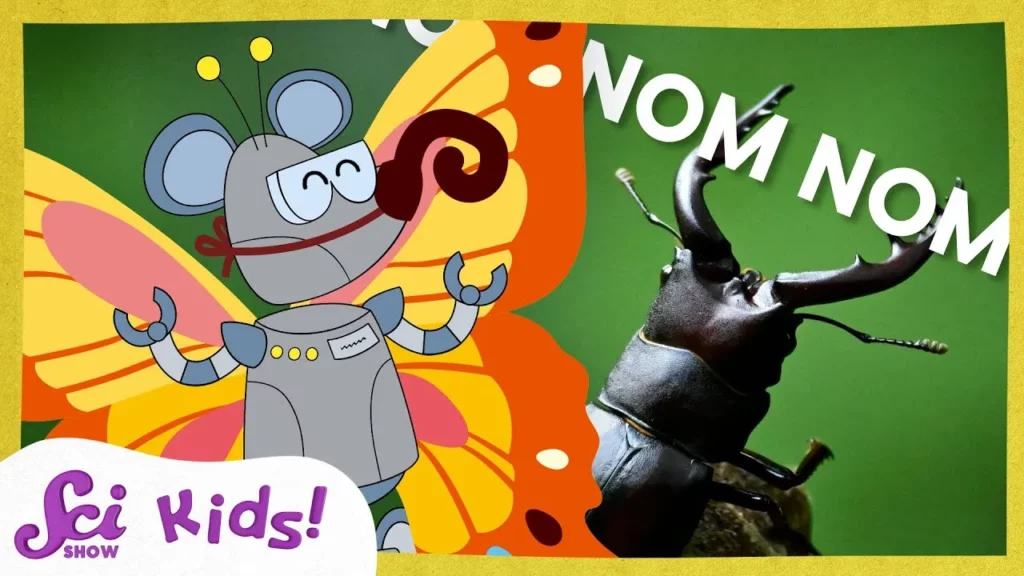
In this lesson, we explored the fascinating world of insect mouths and how they vary based on their diets. Unlike humans, insects possess specialized mouthparts, such as proboscises for sipping liquids like nectar and mandibles for chewing tougher foods. We also learned about unique adaptations, like the long proboscis of the Wallace’s sphinx moth and the powerful mandibles of the raspy cricket, highlighting the diverse feeding strategies of different insect species.
Why Do We Need Sleep?
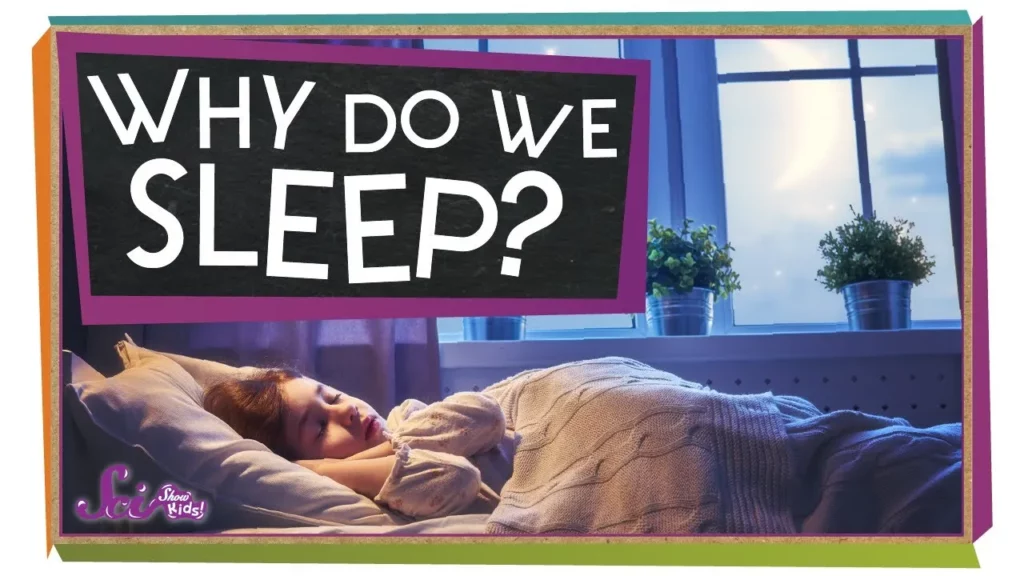
The lesson emphasizes the critical importance of sleep for both physical health and brain function, highlighting that children need about 10-12 hours of sleep daily. During sleep, the body conserves energy, heals, and grows, while the brain organizes information and processes emotions, which enhances concentration and problem-solving abilities. To ensure a good night’s sleep, establishing a consistent bedtime routine and avoiding screens before bed are recommended practices.
Using Our Senses to Explore the Beach!
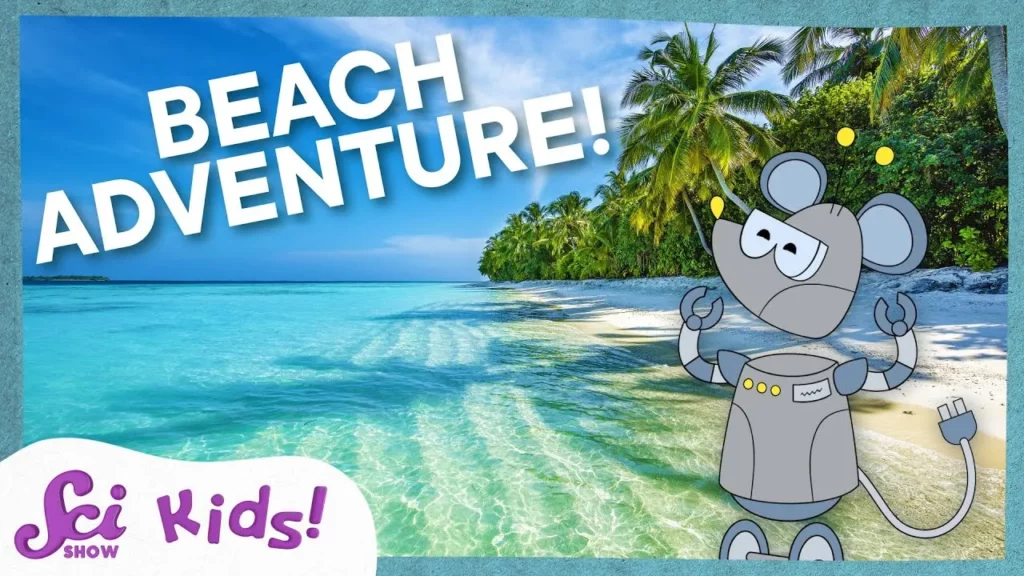
In this lesson, Squeaks shares his exciting beach vacation in California, highlighting the sensory experiences of the ocean, such as the sound of crashing waves and the feel of soft sand. He also discusses the process of building sand castles and the unique characteristics of ocean water, including its saltiness. Additionally, the lesson emphasizes the importance of ocean life, particularly plankton, and encourages exploration of new environments using our senses.
Let’s Make Oobleck!
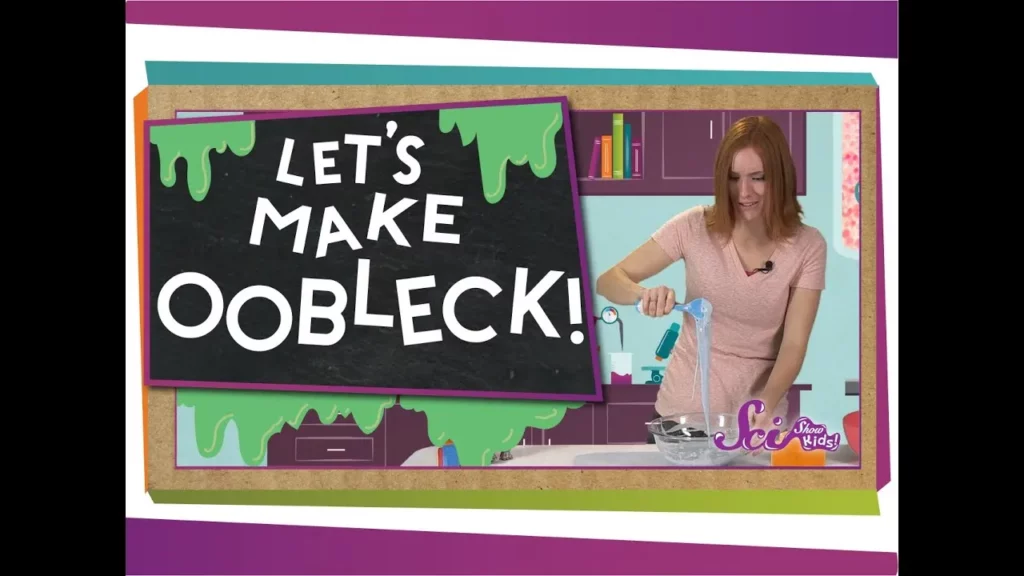
In this lesson, students learn to make Oobleck, a unique substance that behaves like both a solid and a liquid, inspired by Dr. Seuss’s story “Bartholomew and the Oobleck.” The lesson includes a simple recipe using cornstarch and water, along with an explanation of the properties of solids and liquids. After creating Oobleck, students engage in playful experimentation while also learning about proper cleanup methods.
Jessi Has a Problem!
In this lesson, students learn how to think like engineers by following a structured problem-solving process that includes four key steps: asking questions to understand the problem, imagining multiple solutions, creating a model of the chosen idea, and improving upon it. Through a relatable example of designing a back scratcher, students engage in hands-on thinking and creativity, emphasizing that engineering is about finding effective solutions and continuously refining them.